Overview
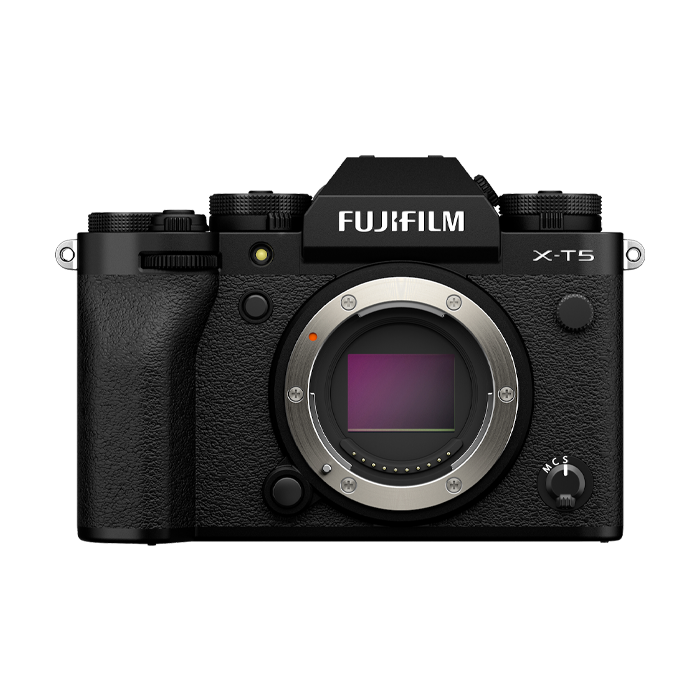
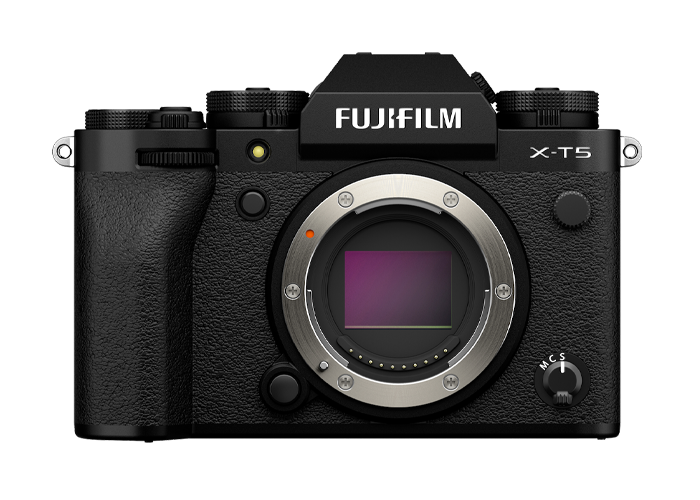
The Fujifilm X-T5 is a high-resolution APS-C mirrorless camera designed primarily for photography enthusiasts and professionals who value fine image detail, traditional camera controls, and a compact, weather-resistant body. It features a 40.2-megapixel X-Trans CMOS 5 HR sensor paired with the X-Processor 5, delivering detailed images with considerable flexibility for cropping, large prints, landscapes, portraits, and architectural photography.
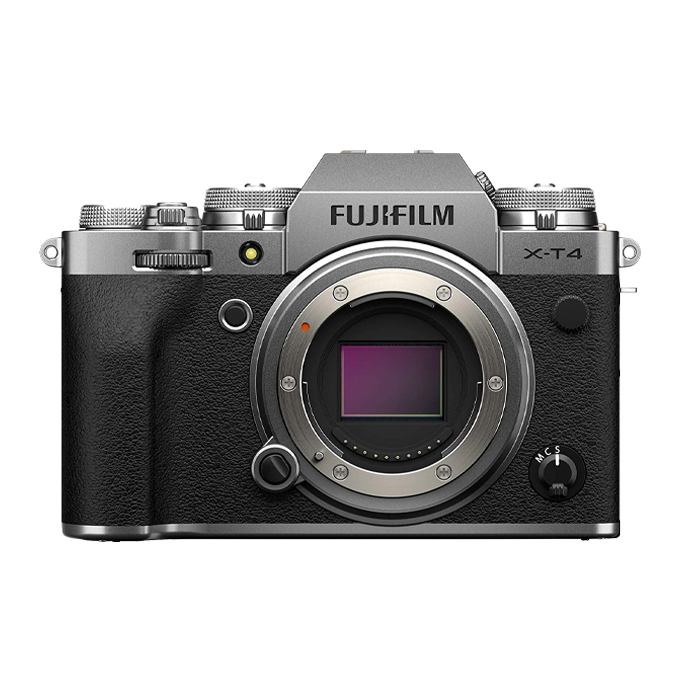
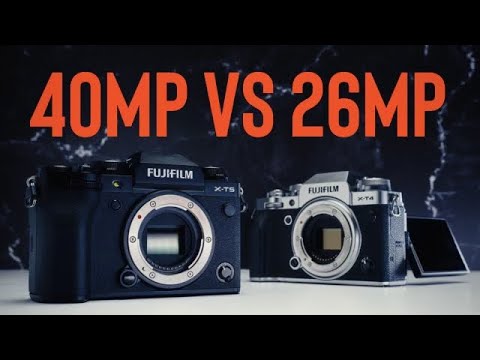
Compared with the Fujifilm X-T4, the X-T5 returns to a traditional three-way tilting rear LCD screen instead of a fully articulating side-hinged display. Its smaller, lighter body and dedicated mechanical dials for shutter speed, ISO, and exposure compensation reinforce its photography-focused design.
The X-T5 also introduces advanced subject-detection autofocus, five-axis in-body image stabilization rated for up to seven stops, 19 built-in film simulations, and Pixel Shift Multi-Shot functionality that can produce 160-megapixel composite images. These features make it a versatile camera for photographers who want high resolution without moving to a larger full-frame or medium-format system.
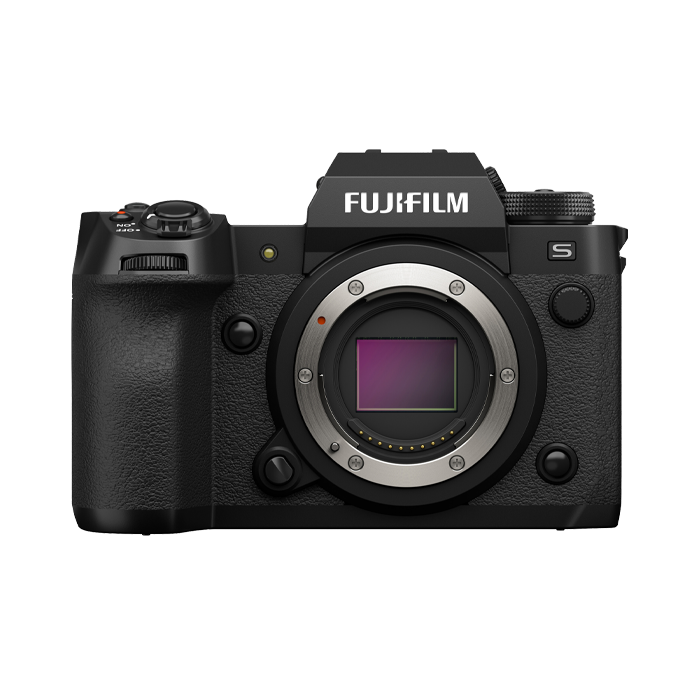
Although the X-T5 can record high-quality video, its tilting screen is less convenient for solo vloggers than a fully articulating display. Its non-stacked sensor also makes it less suitable for extreme electronic-shutter action photography than the faster Fujifilm X-H2S.
Key Specifications and Features
40.2MP X-Trans CMOS 5 HR Sensor
The X-T5 uses a 40.2-megapixel APS-C X-Trans CMOS 5 HR sensor, delivering detailed images with excellent cropping flexibility. The high pixel count is particularly useful for landscape photography, architecture, portraits, and wildlife subjects that may require additional cropping during editing.
Compared with lower-resolution APS-C cameras, the X-T5 can retain more fine detail when the lens, focus, exposure, and shooting conditions are appropriate. Its resolution also supports large prints and detailed commercial work.
160MP Pixel Shift Multi-Shot
The Pixel Shift Multi-Shot feature captures 20 frames while shifting the sensor between exposures. Specialized software combines these frames into a single image with approximately 160 megapixels of output resolution and improved color information.
This feature is particularly useful for stationary subjects, such as artwork, architecture, products, and still-life compositions. Because the camera combines multiple exposures, subject movement can introduce artifacts, so a tripod and a stable scene are recommended.
Traditional Three-Way Tilting LCD Screen
The X-T5 features a three-way tilting rear LCD screen that can tilt upward and downward for horizontal compositions and swing outward for low-angle vertical photography. This design is popular among photographers who prefer to keep the screen aligned with the camera's optical axis.
Unlike a fully articulating screen, it does not rotate forward to face the photographer. Consequently, it is less convenient for self-recording, vlogging, and video work where the operator needs to monitor framing from in front of the camera.
Classic Mechanical Camera Controls
The X-T5 retains Fujifilm's traditional control layout, with dedicated dials for shutter speed, ISO, and exposure compensation. Photographers can adjust important exposure settings directly without relying entirely on menus or touchscreen controls.
This tactile interface appeals to street photographers, travel photographers, and enthusiasts who enjoy a hands-on shooting experience. It also makes it easy to see many important settings at a glance.
Subject-Detection Autofocus
Powered by the X-Processor 5, the X-T5 features subject-detection autofocus for people, animals, birds, cars, motorcycles, bicycles, airplanes, and trains. The system helps track moving subjects and can improve focus consistency during wildlife, portrait, and everyday photography.
Autofocus results still depend on lighting, subject movement, background complexity, lens performance, and camera settings. Although the X-T5 is capable of photographing action, its sensor readout is slower than that of the stacked sensor in the X-H2S.
Five-Axis In-Body Image Stabilization
The X-T5 incorporates five-axis in-body image stabilization (IBIS), rated for up to seven stops of compensation under specified testing conditions. Stabilization helps reduce blur caused by camera shake, making handheld photography easier in low-light environments.
This feature is useful for travel, landscapes, portraits, and static subjects photographed at slower shutter speeds. However, IBIS cannot freeze moving subjects, so wildlife and sports photographers still need sufficiently fast shutter speeds.
19 Film Simulations
The X-T5 includes 19 Fujifilm film simulation modes, including Nostalgic Neg., Classic Chrome, Classic Neg., Acros, and Eterna. These profiles provide different color, contrast, and tonal characteristics inspired by photographic film and cinematic looks.
Film simulations can produce attractive JPEG images directly from the camera and provide useful previews when shooting RAW plus JPEG. They are particularly appealing to photographers who want a distinctive color style without extensive editing.
Weather-Resistant Body Design
The X-T5 features a compact, magnesium-alloy body with weather-resistant construction at numerous points. It is designed to withstand demanding outdoor conditions when used appropriately with compatible weather-resistant lenses and accessories.
The body is also designed for operation in cold conditions down to approximately -10°C (14°F). Weather resistance does not make the camera waterproof, so protection from heavy rain, immersion, and condensation remains important.
Dual UHS-II SD Card Slots
The X-T5 includes two UHS-II SD card slots, providing flexible storage options for photography and video. Depending on the selected settings, photographers can configure the cards for backup recording, sequential storage, or separating different file types.
Unlike the X-H2S, which includes a CFexpress Type B slot, the X-T5 uses SD cards for both slots. High-quality UHS-II cards are recommended for demanding burst shooting and high-bitrate video recording.
Video Recording Capabilities
Although designed primarily around still photography, the X-T5 records video at resolutions up to 6.2K/30p and supports 4K recording at higher frame rates. It is suitable for travel videos, interviews, short films, and general content creation.
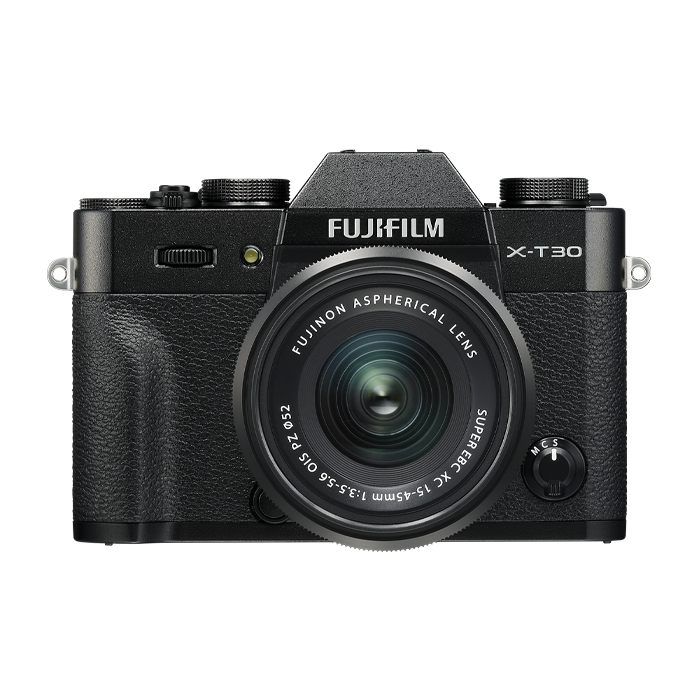
However, the tilting LCD is less flexible than a fully articulating screen for solo recording. Photographers who regularly create videos of themselves may prefer the Fujifilm X-S20 or X-T4, depending on their budget and requirements.
Key Specifications
Specification | Fujifilm X-T5 |
|---|---|
Camera Type | APS-C mirrorless camera |
Sensor | 40.2MP X-Trans CMOS 5 HR |
Image Processor | X-Processor 5 |
Lens Mount | Fujifilm X mount |
Maximum Image Resolution | Approximately 7728 × 5152 pixels |
Pixel Shift Multi-Shot | 20-frame capture producing approximately 160MP composite images |
Maximum Continuous Shooting | Up to 15 fps with mechanical shutter; up to 20 fps with electronic shutter and a crop; up to 13 fps with electronic shutter without that crop |
Autofocus | Hybrid autofocus with subject detection |
Image Stabilization | Five-axis IBIS, rated up to 7 stops |
Film Simulations | 19 modes |
Viewfinder | 3.69-million-dot electronic viewfinder |
Rear LCD | 3.0-inch, approximately 1.84-million-dot three-way tilting touchscreen |
Maximum Video Resolution | 6.2K/30p |
Memory Card Slots | Two UHS-II SD card slots |
Body Weight | Approximately 557g with battery and memory card |
Body Dimensions | Approximately 129.5 × 91 × 63.8mm |
Weather Resistance | Weather-resistant construction; operation rated down to -10°C (14°F) |
Battery | NP-W235 rechargeable lithium-ion battery |
Body-Only Launch Price | Approximately US$1,699.95 |
Pros and Cons
Pros | Cons |
|---|---|
High-resolution 40.2MP sensor captures fine detail | Large image files require more storage and processing power |
160MP Pixel Shift Multi-Shot for suitable stationary subjects | Multi-shot capture is unsuitable for many moving subjects |
Traditional mechanical dials provide direct exposure control | The control layout may take time to learn for photographers accustomed to PASM dials |
Three-way tilting LCD works well for many photographic compositions | Screen does not flip forward for convenient self-recording |
Subject detection supports wildlife, birds, and other moving subjects | Not as well suited to extreme action as the stacked-sensor X-H2S |
Five-axis IBIS rated up to 7 stops | Stabilization cannot freeze subject movement |
19 film simulations provide distinctive in-camera color options | Film simulation preferences are subjective and may still require editing |
Compact body with weather-resistant construction | Large lenses can make the overall system less compact |
Two UHS-II SD card slots for flexible storage | No CFexpress Type B slot for photographers who prefer that card format |
High-resolution stills combined with capable 6.2K video | Less convenient for video-first creators who need a front-facing screen |
Who Should Buy This Lens?
The Fujifilm X-T5 is a camera body rather than a lens. It is designed for photographers who prioritize high resolution, tactile controls, in-body stabilization, and a relatively compact camera body.
1. Landscape, Travel, and Architectural Photographers
The 40.2MP sensor captures detailed textures in mountains, foliage, buildings, and other intricate scenes. The resolution provides room for cropping and supports large prints when paired with a sharp lens and appropriate shooting technique.
The compact body and weather-resistant construction also make the X-T5 a practical choice for hiking, outdoor photography, and travel. Its traditional dials provide direct control over exposure settings without requiring frequent menu navigation.
2. Street and Documentary Photographers
The X-T5's mechanical dials, compact body, and three-way tilting screen make it well suited to candid and documentary photography. The screen supports waist-level shooting and low-angle compositions while keeping the display aligned with the camera body.
Its high-resolution sensor provides flexibility when cropping images after a shoot, while Fujifilm's film simulations offer attractive JPEG color profiles for photographers who prefer a distinctive look straight out of the camera.
3. Portrait and Fine-Art Photographers
The 40.2MP sensor captures fine details in clothing, hair, textures, and studio compositions. Subject-detection autofocus can help track faces and eyes, while IBIS can reduce camera shake when shooting handheld in available light.
For controlled studio work involving static subjects, Pixel Shift Multi-Shot can produce highly detailed composite images. Photographers should use a stable setup and avoid moving subjects during the multi-frame capture process.
4. Wildlife and Bird Photographers Who Need Resolution
The X-T5 can be a good option for wildlife photography when fine detail and cropping flexibility are important. Its subject detection and high-resolution sensor help capture birds, mammals, and other animals, particularly when paired with a capable telephoto lens.
However, the X-T5's non-stacked sensor has slower readout than the X-H2S. Fast electronic-shutter action can therefore produce more rolling-shutter distortion. Photographers who regularly track rapidly moving birds in flight or shoot high-speed sports should consider whether the X-H2S's faster sensor readout is more important than the X-T5's higher resolution.
Who Should Consider Another Camera?
Solo vloggers and video-first creators: The rear LCD does not flip forward, making it less convenient for recording yourself. Consider the Fujifilm X-S20 or X-T4 if a fully articulating screen is important to your workflow.
Sports and high-speed action photographers: The X-T5 supports fast continuous shooting, but its sensor readout is slower than the stacked sensor in the X-H2S. For demanding action photography where electronic-shutter distortion and tracking performance are major concerns, the X-H2S is worth considering.
Photographers who do not need 40MP: If you rarely crop heavily or print large images, a lower-resolution camera may provide better value and smaller files. Consider how much resolution your actual workflow requires before paying for the X-T5's high-resolution sensor.
Buying Recommendation
The Fujifilm X-T5 is a compelling choice for photographers who want a high-resolution APS-C camera with traditional controls and modern autofocus. Its 40.2MP sensor, film simulations, Pixel Shift Multi-Shot, and seven-stop-rated IBIS make it particularly attractive for landscapes, architecture, portraits, travel, and detailed still photography.
For wildlife photographers, the X-T5 offers useful cropping flexibility, especially when photographing distant subjects with a telephoto lens. However, if your primary subjects are small birds moving quickly through the air or dense vegetation, consider the trade-off between the X-T5's resolution and the X-H2S's faster stacked sensor. Lens choice, autofocus settings, shutter speed, and technique will also have a major effect on results.
For video creators who frequently film themselves, the lack of a forward-facing screen is worth considering before purchasing. A camera with a fully articulating display may be more convenient for solo recording and vlogging.
Before buying, compare current body-only pricing, retailer promotions, and lens bundles. Budget for suitable lenses, high-speed UHS-II SD cards, spare batteries, and sufficient storage for 40.2MP RAW files.
Final Verdict
The Fujifilm X-T5 is a high-resolution APS-C mirrorless camera that combines detailed 40.2MP images, classic mechanical controls, advanced autofocus, in-body image stabilization, and Fujifilm's distinctive film simulations. Its three-way tilting screen and compact weather-resistant body make it especially appealing to photographers who prefer a traditional still-photography experience.
Its main compromises are the lack of a forward-facing screen, the larger storage requirements of high-resolution files, and slower sensor readout than the stacked-sensor X-H2S. These limitations matter most to solo vloggers and photographers who regularly capture extremely fast action.
Final recommendation: Choose the Fujifilm X-T5 if image detail, cropping flexibility, landscape photography, street photography, and portrait work are your priorities. Choose the Fujifilm X-H2S if maximum action performance and faster sensor readout matter more, or consider the X-S20 or X-T4 if video-first operation and a front-facing screen are essential.
Video Reviews


Video Comparisons

Sample Images