Overview
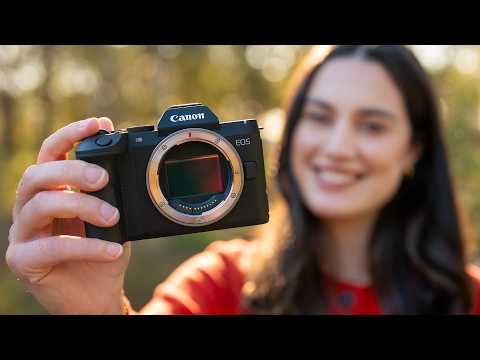
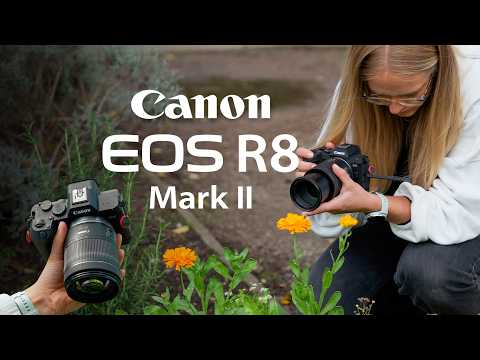
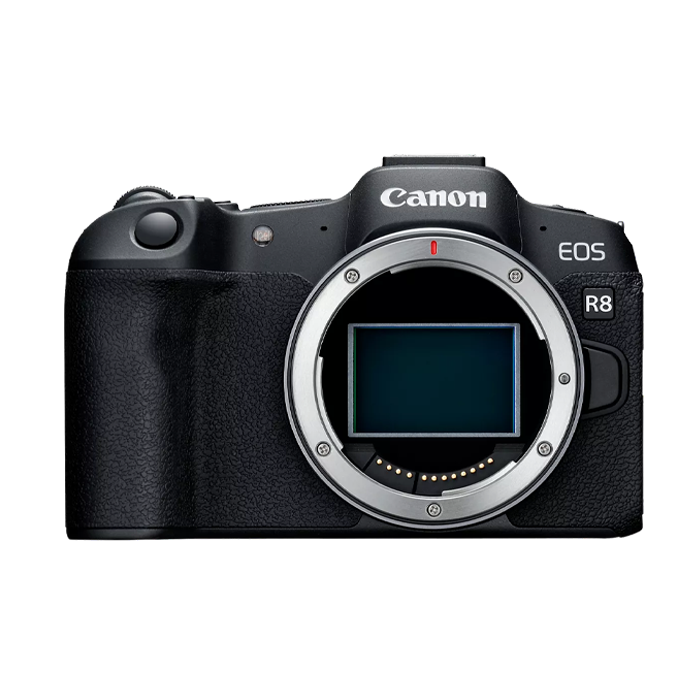
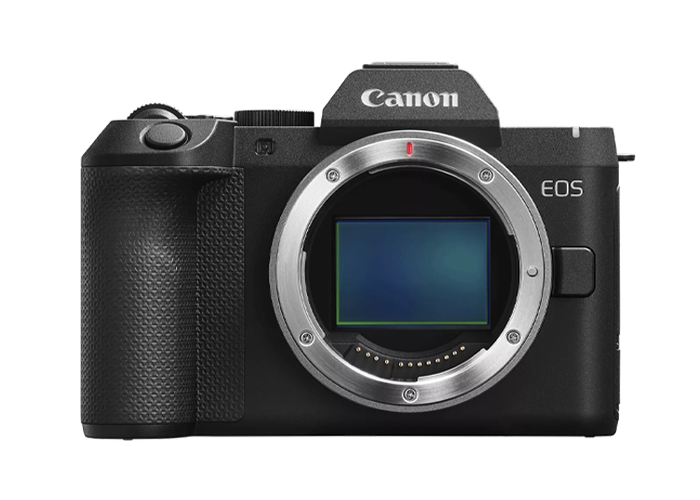
The Canon EOS R8 Mark II is described as a lightweight, full-frame mirrorless camera designed for enthusiast photographers, travelers, and content creators who want excellent image quality in a compact body. With a 24.2-megapixel full-frame CMOS sensor and DIGIC X image processor, it aims to balance image detail, low-light performance, autofocus capabilities, and portability.
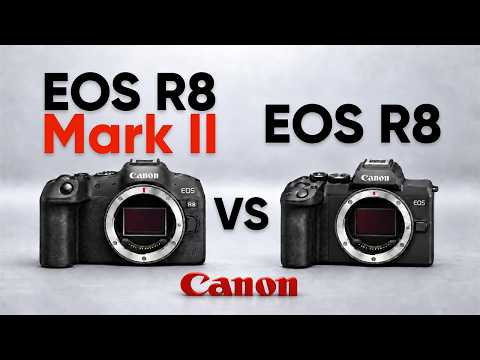
Compared with the original EOS R8, the reported upgrades include in-body image stabilization (IBIS), a dedicated autofocus joystick, faster electronic continuous shooting, and enhanced subject-tracking capabilities. These features would make the camera more versatile for handheld photography, portraits, wildlife, and everyday shooting.
The camera is also described as offering oversampled 4K video, high-frame-rate Full HD recording, Canon Log 3, and creative color filters for photographers who prefer ready-to-share JPEG images. Its compact design and relatively simple operation make it appealing to users who want full-frame performance without carrying a larger professional camera body.
However, the reported absence of a mechanical shutter, the use of a relatively small LP-E17 battery, and limited weather protection are important considerations for photographers who work outdoors or shoot demanding professional assignments.
Key Specifications and Features
24.2MP Full-Frame CMOS Sensor
The 24.2-megapixel full-frame CMOS sensor is designed to deliver detailed photographs, attractive background blur, and good low-light performance. Its resolution is suitable for portraits, travel photography, family events, landscapes, and online content.
The full-frame format also provides flexibility when working with shallow depth of field and higher ISO settings. Actual image quality depends on the lens, exposure, lighting, and image-processing settings.
In-Body Image Stabilization
The reported addition of five-axis in-body image stabilization is a significant improvement for photographers who frequently shoot handheld. With up to 7.5 stops of correction under specified conditions, IBIS can help reduce camera shake when using slower shutter speeds.
This feature can be useful for travel photography, indoor portraits, landscapes, and handheld video. However, stabilization cannot freeze a moving subject, and its effectiveness depends on the lens, focal length, and shooting conditions.
High-Speed Continuous Shooting
The camera is reported to offer electronic shutter shooting at up to 40 frames per second, along with a 20-frame pre-continuous shooting function. These features can help capture brief moments in wildlife photography, sports, and other fast-moving situations.
Pre-continuous shooting is particularly useful when a subject's movement is difficult to predict. Photographers should also consider electronic-shutter limitations, including potential rolling-shutter distortion when capturing fast-moving subjects.
Advanced Autofocus and Subject Tracking
The reported Dual Pixel CMOS AF II autofocus system includes subject recognition and tracking for people, animals, and vehicles. Register People Priority is designed to help photographers prioritize particular individuals when photographing groups or crowded scenes.
These features can be useful for portraits, family gatherings, events, wildlife, and action photography, where maintaining focus on the intended subject is essential.
Retro-Inspired Body and Autofocus Joystick
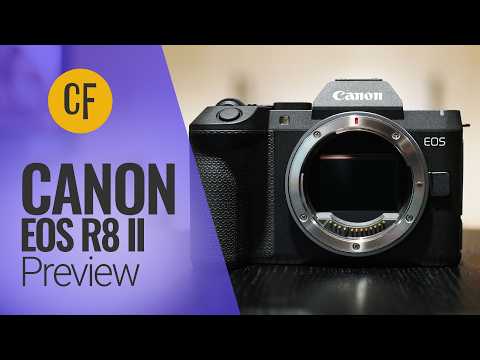
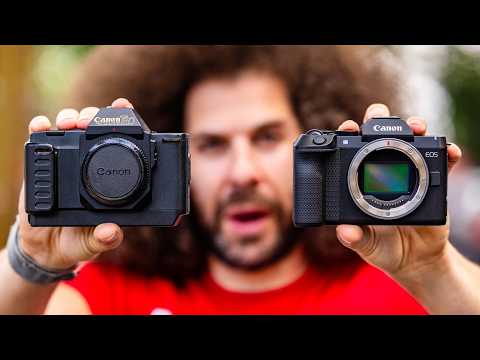
The reported body redesign introduces a sharper, vintage-inspired appearance and a dedicated multi-controller autofocus joystick. A joystick allows photographers to move the focus point quickly without relying entirely on touchscreen controls or menu navigation.
The reported side-access SD card compartment may also make card changes more convenient. The compact body is intended to appeal to photographers who value portability and direct physical controls.
Oversampled 4K Video
The camera is described as recording uncropped 4K video at up to 60p using a higher-resolution sensor readout. Oversampling can improve fine detail and reduce aliasing, making it useful for travel videos, interviews, product demonstrations, and online content.
Full HD Slow Motion
Full HD recording at up to 180p, as specified, offers additional creative flexibility for slow-motion footage. This can be useful for capturing moving wildlife, sports, action sequences, and cinematic B-roll.
Available frame rates and recording quality may depend on the selected video mode and other camera settings.
Canon Log 3 and HDR Video
Canon Log 3 is designed to preserve tonal information for color grading in post-production. It can help creators adjust contrast, color, and highlight detail when producing footage for more demanding video workflows.
Standard HDR recording options, if supported in the selected mode, may also provide alternatives for creators who want a wider tonal presentation without a full Log-based workflow.
Creative Color Filters
The supplied information describes 16 in-camera creative color filters, including Positive Filmtone and Negative Filmtone styles. These filters are intended for photographers who want distinctive JPEG colors directly from the camera without extensive editing.
Creative looks can be particularly appealing for street photography, travel journals, family snapshots, and social media content.
Electronic Shutter and Flash Considerations
The reported shutter configuration includes an electronic first-curtain shutter at up to 6 fps and a fully electronic shutter at up to 40 fps, without a traditional fully mechanical shutter.
This design can reduce mechanical complexity, but electronic shutter operation may introduce rolling-shutter distortion with fast movement. Flash compatibility and synchronization can also be more restrictive than on cameras with conventional mechanical shutters.
Battery Life and Weather Protection
The camera is described as using the compact LP-E17 battery. Carrying a spare battery is advisable for long days of travel, wildlife photography, or video recording.
The supplied information also indicates that the body does not offer full professional weather sealing. Photographers working in rain, dust, or challenging outdoor conditions should take appropriate precautions and consider whether a more rugged camera body would better suit their needs.
Key Specifications
Specification | Canon EOS R8 Mark II |
|---|---|
Camera Type | Full-frame mirrorless camera |
Sensor | 24.2MP full-frame CMOS |
Image Processor | DIGIC X |
In-Body Image Stabilization | Five-axis IBIS; up to 7.5 stops |
Electronic Shutter Burst | Up to 40 fps |
Electronic First-Curtain Shutter | Up to 6 fps |
Pre-Continuous Shooting | Up to 20 frames |
Autofocus | Dual Pixel CMOS AF II with subject tracking |
People Priority | Register People Priority |
Maximum 4K Frame Rate | Up to 60p, described as uncropped and oversampled |
Full HD Slow Motion | Up to 180p |
Log Recording | Canon Log 3 |
Creative Color Filters | 16 filters |
Viewfinder | Verify official specifications |
Shutter System | Electronic first-curtain and electronic shutter |
Memory Card Slot | Single SD card slot |
Battery | LP-E1 |
Body Design | Compact, retro-inspired design |
Primary Use | Travel, portraits, everyday photography, and hybrid content creation |
Pros and Cons Table
Pros | Cons |
|---|---|
24.2MP full-frame sensor offers a balance of image detail and manageable file sizes. | Resolution provides less cropping flexibility than higher-megapixel full-frame cameras. |
Reported IBIS improves handheld shooting flexibility. | Stabilization cannot freeze subject motion or eliminate all walking-camera movement. |
Up to 40 fps electronic shooting supports fast action and wildlife photography. | Electronic shutter use may produce rolling-shutter distortion with fast-moving subjects. |
Pre-continuous shooting helps capture unpredictable moments. | High-speed shooting can generate many files and increase storage requirements. |
Subject tracking and people-priority features can help with portraits and events. | Autofocus performance still depends on subject conditions, lenses, and configuration. |
Oversampled 4K video provides flexibility for hybrid creators. | High-frame-rate modes may have recording or quality limitations that need checking. |
Creative JPEG filters can reduce the need for post-processing. | In-camera looks may offer less flexibility than carefully edited RAW files. |
A dedicated autofocus joystick provides direct focus-point control. | The compact body may provide fewer physical controls than higher-tier models. |
The LP-E17 battery helps keep the camera compact and lightweight. | Long shooting days may require spare batteries or frequent charging. |
A compact design is convenient for travel and everyday use. | Limited weather protection may be a concern in demanding outdoor environments. |
Full-frame image quality can support portraits and low-light photography. | The reported lack of a fully mechanical shutter may limit conventional flash and certain action workflows. |
Who Should Buy This Camera?
Travel, Street, and Everyday Photographers
Photographers who spend long days exploring cities, traveling, or walking outdoors may appreciate the camera's reported lightweight design and full-frame image quality. The autofocus joystick can make focus-point selection more convenient, while the creative color filters may appeal to users who want distinctive JPEG images straight from the camera.
Portrait and Family Photographers
The full-frame sensor can produce attractive background separation and detailed portraits. Subject tracking and the reported Register People Priority feature may also be useful when photographing family gatherings, school events, and crowded social occasions.
IBIS could provide additional flexibility for handheld portraits in available light, although shutter speed must still be fast enough to prevent subject movement from causing blur.
Wildlife and Action Enthusiasts
The reported 40 fps electronic burst rate and pre-continuous shooting function could help capture birds in flight, animal behavior, and other brief moments. The camera's suitability for fast action will also depend on electronic-shutter readout performance, autofocus reliability, and the lenses used.
Photographers who frequently shoot fast-moving subjects should test for rolling-shutter distortion before choosing this model as their primary action camera.
Casual Videographers and Hybrid Creators
Creators who need both photographs and video may appreciate the reported 4K/60p recording, Full HD slow motion, and Canon Log 3. The camera could serve as a primary camera for casual content or a secondary body for a larger video setup.
The front-facing tally lamp, if confirmed, would also be useful for solo creators who need to check recording status while standing in front of the camera.
First-Time Full-Frame Buyers
Photographers upgrading from a smartphone or an APS-C camera may find a compact full-frame body appealing. The larger sensor can provide different depth-of-field characteristics and more flexibility in low-light conditions, depending on the lens and exposure settings.
However, buyers should consider the total cost of compatible lenses, batteries, memory cards, and accessories rather than comparing camera body prices alone.
Photographers Who Need Professional Weather Resistance
Users who regularly photograph in rain, dusty environments, or harsh outdoor conditions should carefully assess the camera's environmental protection. A body with more comprehensive weather sealing may be a better choice for demanding assignments.
Buying Recommendation
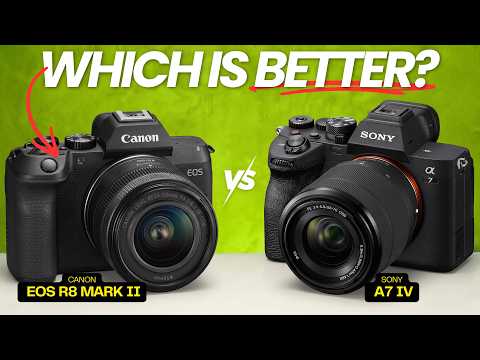
The Canon EOS R8 Mark II, as described in the supplied information, is aimed at photographers who want a compact full-frame camera with modern autofocus, handheld stabilization, and capable video recording.
For travel and street photography: Consider its size, weight, battery life, autofocus controls, and creative JPEG options. These characteristics are especially valuable when portability and ease of use are more important than extensive professional controls.
For portraits and family events: Evaluate autofocus tracking, high-ISO image quality, lens selection, and stabilization. A fast lens can provide additional control over background blur and low-light performance.
For wildlife and sports: Confirm the actual burst-rate specifications, pre-continuous shooting behavior, autofocus tracking performance, and rolling-shutter characteristics. If fast action is your main priority, compare these features with cameras designed specifically for sports and wildlife photography.
For video creation: Verify the supported 4K frame rates, crop behavior, recording formats, and Canon Log 3 implementation. Also consider audio connections, recording duration, and the battery requirements of your intended workflow.
For first-time full-frame buyers: Compare the complete system cost, including lenses and accessories. A smaller body is attractive, but lens size, battery life, and the controls you need every day can have a greater effect on long-term satisfaction.
Before purchasing: Confirm the official model name and specifications, current availability, pricing, and warranty details through Canon or an authorized retailer. These checks are particularly important when evaluating a model whose specifications differ from those of an established camera.
Final Verdict
The Canon EOS R8 Mark II, as described here, is intended to combine full-frame image quality with a lightweight design and a more versatile set of photography and video features. Its reported improvements in stabilization, autofocus control, continuous shooting, and creative color options would make it appealing to travel photographers, portrait enthusiasts, and hybrid creators.
The 24.2MP sensor offers a practical balance between image detail and file size, while the reported video modes provide flexibility for everyday content creation. A compact body and direct autofocus controls could also make the camera convenient for users who want a straightforward shooting experience.
Nevertheless, the reported electronic-shutter-only design, smaller battery, and limited weather protection deserve careful consideration. Wildlife and sports photographers should pay particular attention to rolling-shutter performance, while video creators should confirm recording specifications and practical operating limits.
Overall, the Canon EOS R8 Mark II is worth evaluating for photographers who value portability, full-frame image quality, and modern hybrid capabilities. Before making a buying decision, verify the specifications and compare the camera with other models in the same price range to ensure it meets your photography and video requirements.