Overview
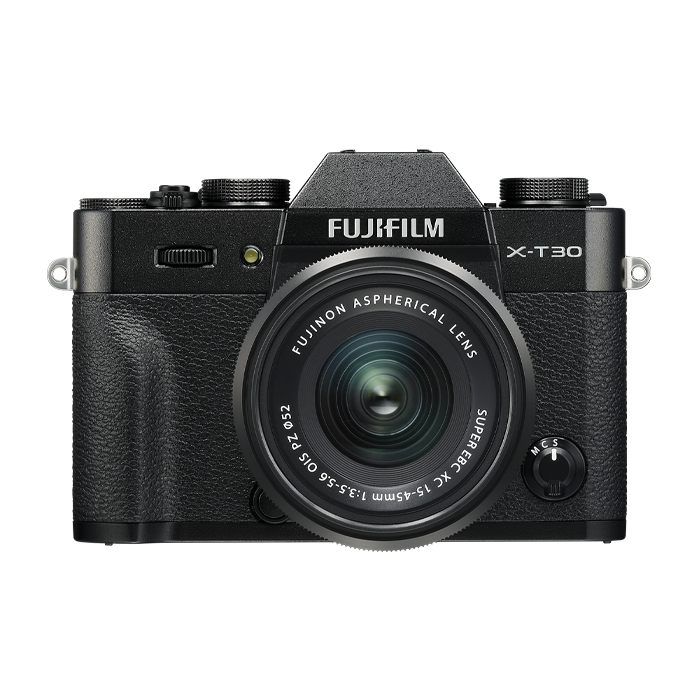
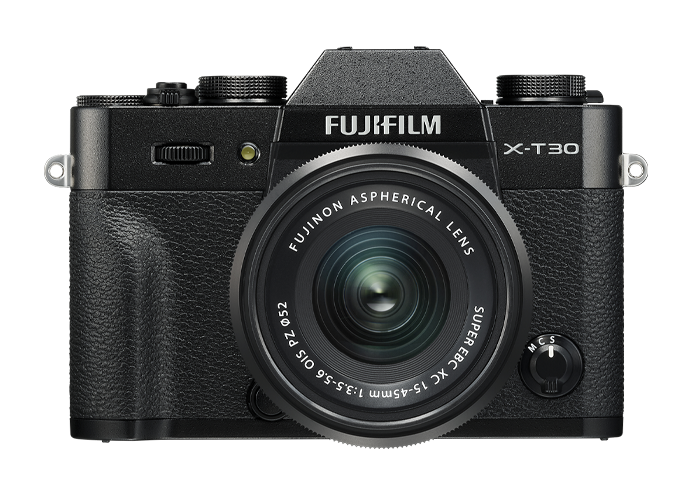
The Fujifilm X-T30 II is a compact APS-C mirrorless camera that combines excellent image quality, classic Fujifilm styling, and accessible controls in a lightweight body. Released as an update to the original X-T30, it retains the 26.1MP X-Trans CMOS 4 sensor and X-Processor 4 image processor while improving the rear LCD resolution and expanding internal image buffering.
The X-T30 II delivers detailed photographs, attractive color reproduction, and access to Fujifilm's popular Film Simulation modes. Its traditional top-plate dials provide direct control over shutter speed and exposure compensation, while a dedicated Auto lever makes it easy for beginners to switch to automatic shooting.
Despite its compact size, the camera offers mechanical continuous shooting at up to 8 frames per second, electronic shooting at up to 20 fps, and 4K video recording at up to 30p. Full HD recording at up to 240p also enables slow-motion effects. These features make it a versatile option for travel, street photography, family events, portraits, and everyday creative work.
However, the X-T30 II lacks in-body image stabilization and official weather sealing. Its small handgrip may also be less comfortable for users with large hands or those who frequently use heavy lenses. For photographers who prioritize portability, image quality, and traditional camera controls, it remains an appealing option on the new and used markets.
Key Specifications and Features
26.1MP X-Trans CMOS 4 Sensor
The X-T30 II features a 26.1MP APS-C X-Trans CMOS 4 sensor paired with the X-Processor 4 image processor. This combination produces detailed images with attractive color reproduction, good dynamic range, and useful high-ISO performance. Its core imaging hardware is shared with the Fujifilm X-T4, so image quality can be comparable under similar shooting conditions, although the cameras differ in stabilization, construction, and other features.
Traditional Fujifilm Controls
The camera features physical top-plate dials for shutter speed and exposure compensation, offering direct access to important exposure settings. A dedicated Auto lever allows users to switch quickly to automatic operation, making the X-T30 II approachable for beginners while still providing manual control for experienced photographers.
Fast Autofocus and Subject Detection
The X-T30 II uses a hybrid autofocus system with phase-detection autofocus, face detection, and eye detection. It can focus quickly in suitable lighting and is well suited to portraits, street photography, family snapshots, and many everyday moving subjects. However, autofocus performance varies with the subject, lens, lighting, and settings, and its tracking capabilities are less advanced than those of newer cameras with more sophisticated subject recognition.
Mechanical and Electronic Continuous Shooting
The X-T30 II supports mechanical-shutter continuous shooting at up to 8 frames per second and electronic-shutter shooting at up to 20 fps. These modes are useful for capturing candid moments, children, pets, and moderate action. The electronic shutter can produce rolling-shutter distortion with fast movement, so the mechanical shutter may be preferable in some situations.
4K Video and Slow Motion
The camera records DCI 4K and UHD 4K video at up to 30p, producing detailed footage suitable for travel videos, interviews, and general content creation. Full HD recording at up to 240p supports slow-motion playback. However, the X-T30 II lacks in-body image stabilization, so handheld video may require an optically stabilized lens, careful shooting technique, or an external gimbal.
18 Film Simulation Modes
Fujifilm's Film Simulation modes let photographers create distinctive color and tonal styles directly in the camera. The X-T30 II includes 18 simulations, including Classic Neg. and Eterna Bleach Bypass. These options are particularly useful for photographers who prefer polished JPEG images with minimal post-processing.
Compact and Lightweight Design
Weighing approximately 378g with the battery and memory card installed, the X-T30 II is easy to carry on trips, city walks, and everyday outings. Its compact body works especially well with smaller Fujifilm X-mount lenses, including pancake-style primes. However, the shallow handgrip offers less support than the deeper grips found on larger camera bodies.
Tilting Rear LCD Screen
The rear LCD tilts upward and downward, helping photographers compose images from low angles, waist level, or above their heads. This design is particularly useful for discreet street photography and travel images. Unlike a fully articulating screen, it does not flip out to the side for forward-facing vlogging.
No In-Body Image Stabilization
The X-T30 II does not include sensor-shift image stabilization. Photographers shooting in low light must use an appropriate shutter speed, steady technique, or a lens with optical image stabilization. For video creators who frequently film while walking, this limitation may make the X-S10 or X-S20 more suitable alternatives.
Single SD Card Slot
The camera has one SD card slot supporting UHS-I cards. This is sufficient for many enthusiasts and casual users, but it does not provide simultaneous in-camera backup to a second card. Users shooting important events should consider carrying spare cards and transferring files to a separate storage device after shooting.
Battery Life and Weather Protection
The X-T30 II uses the NP-W126S rechargeable lithium-ion battery. Battery life depends on screen use, temperature, shooting settings, and video recording, so carrying a spare battery is advisable for longer outings. The camera also lacks official weather sealing and should be protected from heavy rain, blowing sand, and dusty environments.
Key Specifications
Camera Type | APS-C mirrorless camera |
Sensor | 26.1MP X-Trans CMOS 4 |
Image Processor | Fujifilm X-Processor 4 |
Lens Mount | Fujifilm X mount |
Image Stabilization | No in-body image stabilization |
Mechanical Shutter Burst | Up to 8 fps |
Electronic Shutter Burst | Up to 20 fps |
Video Recording | DCI 4K and UHD 4K at up to 30p; Full HD up to 240p |
Autofocus | Hybrid AF with phase detection, face detection, and eye detection |
Electronic Viewfinder | Approximately 2.36-million-dot OLED EVF |
Rear Display | 3.0-inch, approximately 1.62-million-dot tilting LCD touchscreen |
Film Simulation Modes | 18 modes |
Memory Card Slot | One SD card slot supporting UHS-I |
Battery | NP-W126S rechargeable lithium-ion battery |
Body Construction | Compact body without official weather sealing |
Weight | Approximately 378g with battery and memory card |
Release Year | 2021 |
Pros and Cons
Pros | Cons |
|---|---|
Excellent 26.1MP image quality | No in-body image stabilization |
Compact, lightweight body for travel and everyday photography | Shallow handgrip may be uncomfortable for some users |
Traditional exposure dials and a dedicated Auto lever | No official weather sealing |
4K video at up to 30p and Full HD slow motion | No 4K/60p recording |
Mechanical shooting at up to 8 fps and electronic shooting at up to 20 fps | Electronic shutter can cause rolling-shutter distortion |
18 Film Simulation modes for attractive in-camera color | Autofocus tracking is less advanced than on newer camera systems |
Tilting LCD for low-angle and waist-level shooting | Screen does not flip forward for vlogging |
Compatible with a wide selection of Fujifilm X-mount lenses | Single UHS-I card slot without redundant in-camera backup |
Suitable for beginners and experienced photographers | Large lenses can make the compact body feel unbalanced |
Who Should Buy This Lens?
The Fujifilm X-T30 II is a camera body, not a lens. It is designed for photographers who want excellent image quality, a compact interchangeable-lens system, and traditional physical controls. Paired with the right Fujifilm X-mount lens, it can serve as a lightweight travel camera, a street photography tool, or an everyday camera for family and lifestyle images.
1. Travel and Everyday Photographers
The X-T30 II is an appealing option for travelers who want to carry a capable camera without the weight of a larger professional body. Its 26.1MP sensor provides plenty of detail for travel photographs, while the compact design makes it convenient for city walks, sightseeing, and family outings.
Pairing the camera with a small prime or pancake lens makes the setup easier to carry. Fujifilm's Film Simulation modes also allow users to create distinctive images straight out of the camera, reducing the time needed for editing.
2. Street and Candid Photographers
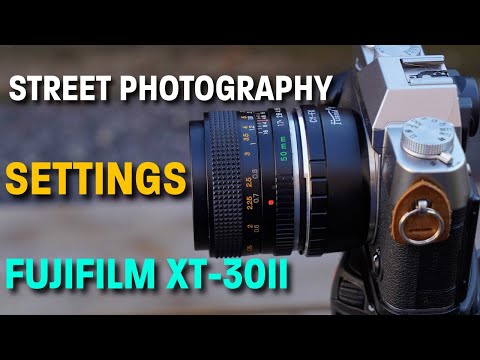
The X-T30 II's understated size, classic styling, and tilting screen make it suitable for street photography and candid documentary work. The screen allows photographers to compose from waist level or other discreet angles, while the electronic viewfinder provides a familiar eye-level shooting option.
Its fast autofocus can handle many everyday street scenes, portraits, and moving people. However, photographers who regularly follow fast, unpredictable subjects should evaluate its tracking performance before relying on it for demanding action work.
3. Beginners Who Want Room to Grow
The dedicated Auto lever makes the X-T30 II approachable for beginners who want to start taking photographs without learning every exposure setting immediately. As their skills develop, users can explore the physical exposure dials, manual controls, interchangeable lenses, RAW files, and Film Simulation settings.
This combination of accessible automatic shooting and advanced manual options makes the camera suitable for learning photography without quickly outgrowing its capabilities.
4. Portrait and Lifestyle Photographers
The 26.1MP sensor, face and eye detection, and Fujifilm color profiles make the X-T30 II a capable choice for portraits, family photography, and lifestyle images. With a suitable portrait lens, photographers can produce detailed images with attractive color and background separation.
Its small size also makes it convenient for informal portrait sessions and everyday documentation where carrying a large camera system would be less practical.
5. Who Should Consider Another Camera?
Handheld video creators: The lack of IBIS makes the X-T30 II less convenient for smooth handheld footage. Consider the Fujifilm X-S10 or X-S20 if in-body stabilization is important.
Photographers with large hands: The small grip and compact controls may be uncomfortable during extended use. A body with a deeper grip may provide better ergonomics.
Outdoor photographers working in harsh conditions: The camera lacks official weather sealing. Consider a weather-resistant model such as the X-T4 or X-T5 for regular use in challenging environments, paired with a suitably weather-resistant lens.
Wildlife and sports photographers: The X-T30 II can photograph moving subjects, but newer cameras may provide more advanced subject recognition and more reliable tracking for demanding action.
Professionals requiring file redundancy: The single SD card slot does not support simultaneous in-camera backup. A camera with dual card slots is preferable for assignments where redundant storage is essential.
Buying Recommendation
The Fujifilm X-T30 II is worth considering if you want a compact APS-C camera with excellent image quality, traditional exposure controls, and useful 4K video features. It is particularly suitable for travel, street photography, portraits, family documentation, and enthusiasts who want a lightweight camera with room to grow.
Before buying a used body, inspect the sensor, electronic viewfinder, LCD hinge, touchscreen, control dials, buttons, card slot, battery compartment, and connection ports. Test autofocus, continuous shooting, and video recording. Check for signs of impact or moisture damage, and confirm whether the original battery, charger, and other accessories are included.
Consider the ergonomics before purchasing. The small body is convenient with compact primes, but it may be less comfortable with large zoom lenses. An aftermarket grip can improve handling, although it adds weight and bulk.
Prices vary depending on condition, included accessories, availability, and seller reputation. Compare current listings for similarly equipped cameras rather than relying on a fixed used-price estimate. A reputable seller offering a return period or warranty can provide additional peace of mind.
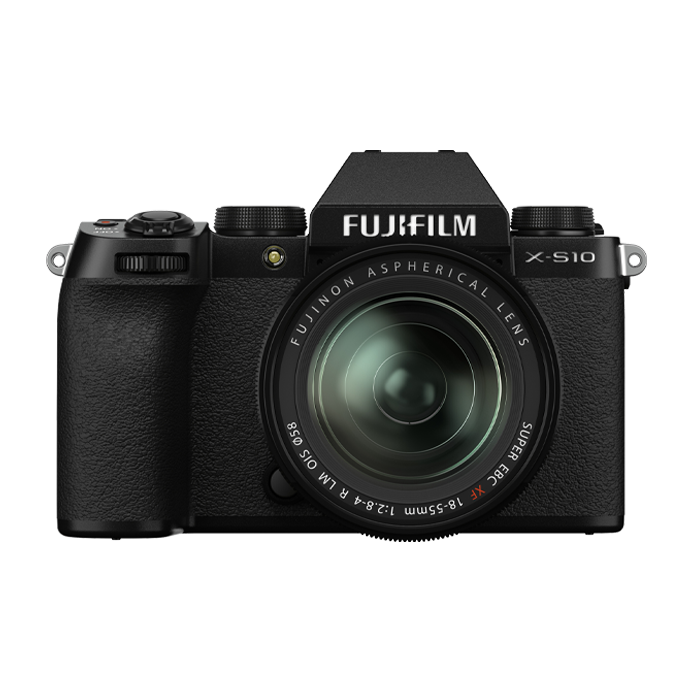
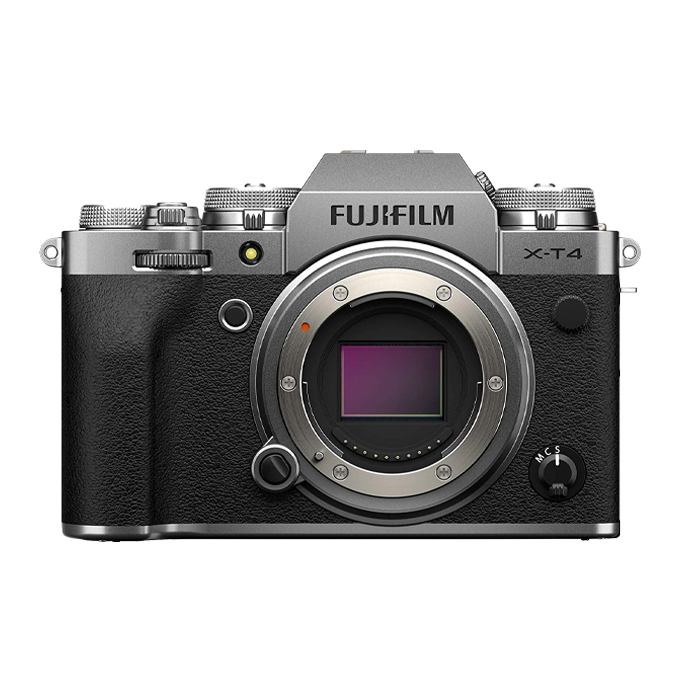
It is also worth comparing the X-T30 II with the Fujifilm X-S10 and X-T4. The X-S10 adds IBIS and a deeper grip, while the X-T4 offers IBIS, weather-resistant construction, dual UHS-II card slots, and 4K/60p recording. The X-T30 II remains attractive if portability, traditional controls, and lower system weight are more important than those additional features.
Final Verdict
The Fujifilm X-T30 II is a capable and portable APS-C mirrorless camera that combines a 26.1MP sensor, Fujifilm's distinctive Film Simulation modes, fast burst shooting, and detailed 4K video in a compact, retro-inspired body. Its physical exposure dials and dedicated Auto lever make it appealing to both photography beginners and experienced enthusiasts.
Its main limitations are the lack of in-body image stabilization, official weather sealing, and a substantial handgrip. The single UHS-I card slot and older autofocus tracking system may also be drawbacks for professionals, wildlife photographers, and users who need redundant file storage.
Overall, the X-T30 II is a strong choice for travel, street photography, portraits, and everyday photography, especially when paired with a compact X-mount lens. Buyers who prioritize portability and classic Fujifilm controls will find plenty to like. Those who need smoother handheld video, better ergonomics, weather protection, or more advanced autofocus should compare it with the X-S10, X-S20, or X-T4 before making a decision.
Video Reviews

Video Comparisons

Sample Images