Overview
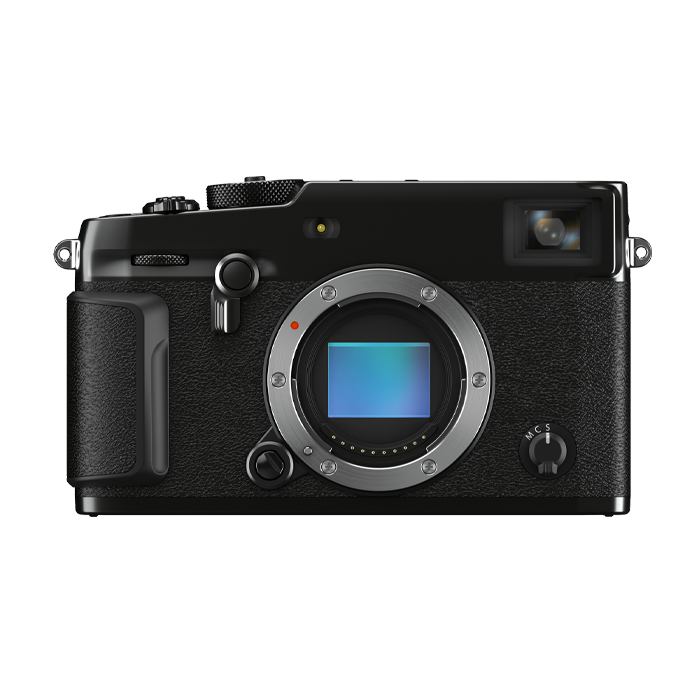
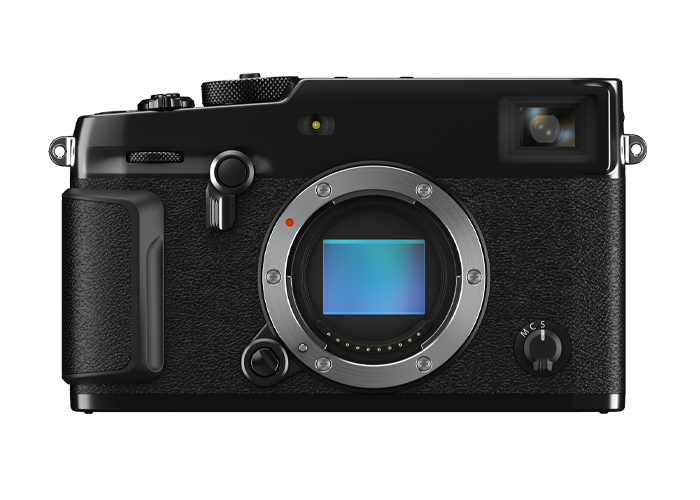
The Fujifilm X-Pro3 is a distinctive APS-C mirrorless camera designed for photographers who value a traditional rangefinder-style shooting experience, tactile controls, and Fujifilm's renowned color reproduction. Released in 2019, it combines a 26.1-megapixel X-Trans CMOS 4 sensor with the X-Processor 4 image processor, delivering detailed photographs, responsive autofocus, and a versatile selection of film simulations.
Unlike conventional digital cameras, the X-Pro3 features a hidden rear LCD that folds inward when not in use. A small external color display shows selected shooting information or a representation of the chosen film simulation. This unusual design encourages photographers to compose through the hybrid viewfinder and concentrate on capturing images rather than constantly reviewing them on the rear screen.
The camera's hybrid viewfinder is another major attraction. Photographers can switch between an optical viewfinder with electronic frame lines and an electronic viewfinder, combining the direct viewing experience of a traditional rangefinder-style camera with the exposure preview and focusing assistance of a digital display.
The X-Pro3 also features titanium exterior top and bottom plates on the standard Duratect-coated and non-Duratect versions, a magnesium-alloy internal structure, weather-resistant construction, and a compact rangefinder-style body. However, it lacks in-body image stabilization (IBIS), and accessing the main LCD requires folding it downward. These design choices make it a specialized camera rather than an all-purpose solution for every photographer.
On the used market, the Fujifilm X-Pro3 appeals to street photographers, documentary photographers, travel enthusiasts, and collectors who appreciate its distinctive design. Because resale prices can be relatively high, buyers should carefully evaluate condition, screen operation, and overall value before purchasing.
Key Specifications and Features
26.1MP X-Trans CMOS 4 Sensor
The X-Pro3 uses a 26.1-megapixel back-illuminated APS-C X-Trans CMOS 4 sensor paired with the X-Processor 4. The sensor's color-filter arrangement is designed to provide detailed images while helping control moiré without a conventional optical low-pass filter.
Image quality is well suited to street photography, portraits, travel, landscapes, and everyday documentary work. The camera also supports RAW capture, giving photographers flexibility to adjust exposure, white balance, contrast, and color during post-processing.
Unique Hidden Rear LCD
The X-Pro3's most distinctive feature is its 3.0-inch, approximately 1.62-million-dot touchscreen that folds inward against the camera body. When closed, a smaller 1.28-inch color memory LCD on the rear displays selected camera settings or a film-simulation indicator inspired by traditional film packaging.
This design encourages photographers to use the viewfinder for composition and spend less time checking images immediately after each exposure. However, reviewing photographs, navigating menus on the main screen, and shooting from certain angles require opening the LCD. This can be inconvenient for photographers who depend on frequent image review or regularly use a tripod.
Hybrid Optical and Electronic Viewfinder
The X-Pro3 features a hybrid viewfinder that switches between an optical viewfinder (OVF) and an electronic viewfinder (EVF). The optical mode provides a direct view of the scene with electronic frame lines, while the electronic mode displays a digital preview of exposure, color, and focus.
This flexibility is particularly useful for street and documentary photography. The optical viewfinder allows photographers to see beyond the captured frame, while the electronic viewfinder offers a more conventional mirrorless shooting experience. The choice depends on the subject, lens, and photographer's preferred working style.
Titanium Exterior Construction
The X-Pro3 uses a magnesium-alloy internal structure with titanium top and bottom plates. The Duratect-coated version features an additional surface treatment intended to improve resistance to scratches, while the standard finish has a different exterior treatment. Both versions retain the camera's distinctive design and robust construction.
The body incorporates weather-resistant sealing and is rated for operation in temperatures down to approximately -10°C (14°F) under specified conditions. Weather resistance does not make the camera waterproof, and protection depends on the condition of the seals and the use of appropriately protected lenses.
Fujifilm Film Simulations
The X-Pro3 offers a broad selection of Fujifilm film simulations, including Provia, Velvia, Astia, Classic Chrome, Eterna, and the distinctive Classic Neg and Eterna Bleach Bypass profiles. These options let photographers create different color palettes and tonal styles directly in the camera.
Film simulations can be especially useful for JPEG photography and for creating a consistent visual style across a series of images. RAW files also allow substantial flexibility during editing, so photographers are not restricted to the appearance selected at capture.
Autofocus and Subject Tracking
The camera uses a hybrid autofocus system with phase-detection and contrast-detection focusing. Face and eye detection help with portraits, candid photography, and everyday subjects, while continuous autofocus supports moving subjects.
Although the X-Pro3 remains capable for many types of photography, its autofocus technology predates the advanced AI-based animal and bird recognition found in newer mirrorless cameras. Photographers who regularly shoot birds in flight, fast sports, or erratic wildlife may prefer a newer camera with more sophisticated subject tracking.
Continuous Shooting Performance
The X-Pro3 supports mechanical-shutter continuous shooting at up to 11 frames per second and electronic-shutter shooting at higher frame rates, including up to 20 fps at full resolution and up to 30 fps with a 1.25x crop, depending on settings.
These options provide flexibility for candid moments and moderate action. However, electronic-shutter shooting can introduce rolling-shutter distortion with fast movement, and high-speed bursts may be less suitable for photographers who need the most reliable tracking of unpredictable action.
Video Recording Capabilities
The X-Pro3 supports 4K video recording at up to 30p and includes F-Log for users who want additional flexibility in color grading. It can serve for occasional video clips, interviews, and simple creative projects, but its screen design and lack of IBIS make it less convenient for many video-focused workflows.
For creators who primarily record video, a camera with a fully articulating display, in-body stabilization, and more video-oriented controls may be a more practical choice.
No In-Body Image Stabilization
The X-Pro3 does not include sensor-shift image stabilization. Photographers shooting handheld in low light may benefit from lenses equipped with optical image stabilization (OIS), faster shutter speeds, or a tripod. For video, a stabilized lens or external stabilization equipment can help reduce camera shake.
Because stabilization cannot freeze subject movement, photographers must still choose appropriate shutter speeds when photographing moving people, animals, or other subjects.
Battery and Everyday Operation
The X-Pro3 uses the NP-W126S rechargeable lithium-ion battery. Actual battery life varies with the use of the electronic viewfinder, LCD, autofocus, wireless connectivity, and video recording. Carrying spare batteries is recommended for extended street photography, travel, and full-day assignments.
Key Specifications
Camera Type | Mirrorless interchangeable-lens camera |
Brand | Fujifilm |
Release Year | 2019 |
Sensor | 26.1MP APS-C X-Trans CMOS 4, back-illuminated |
Image Processor | X-Processor 4 |
Lens Mount | Fujifilm X mount |
Autofocus System | Hybrid phase-detection and contrast-detection autofocus |
Mechanical Shutter Burst | Up to 11 fps |
Electronic Shutter Burst | Up to 20 fps at full resolution or 30 fps with a 1.25x crop, depending on settings |
Viewfinder | Hybrid optical and electronic viewfinder |
Electronic Viewfinder Resolution | Approximately 3.69 million dots |
Main Rear LCD | 3.0-inch, approximately 1.62-million-dot folding touchscreen |
External Status Display | 1.28-inch color memory LCD |
Film Simulations | Includes Classic Chrome, Classic Neg, Eterna, and Eterna Bleach Bypass |
Video Recording | Up to 4K/30p |
Image Stabilization | No in-body image stabilization |
Memory Card Slot | Single SD card slot with UHS-I support |
Body Construction | Magnesium-alloy internal structure with titanium top and bottom plates |
Weather Resistance | Weather-resistant construction, rated down to approximately -10°C (14°F) under specified conditions |
Battery | NP-W126S rechargeable lithium-ion battery |
Body Weight | Approximately 497g with battery and memory card |
Best For | Street photography, documentary work, travel, portraits, and creative still photography |
Pros and Cons
Pros | Cons |
|---|---|
26.1MP sensor delivers detailed images with attractive Fujifilm color reproduction. | The hidden main LCD is less convenient for frequent image review and menu access. |
Hybrid optical and electronic viewfinder offers two distinct ways to compose photographs. | No in-body image stabilization for handheld stills or video. |
Titanium top and bottom plates provide a distinctive, premium exterior design. | The folding LCD mechanism adds complexity and should be inspected carefully on used bodies. |
Weather-resistant construction supports outdoor photography in appropriate conditions. | Only one SD card slot is available, so there is no in-camera dual-card backup. |
Fujifilm film simulations provide attractive JPEG results and creative color options. | Video features and screen ergonomics are less suited to dedicated video production. |
Compact rangefinder-style design suits street, travel, and documentary photography. | Autofocus tracking lacks the advanced subject recognition of newer cameras. |
Physical dials offer direct, tactile control over key exposure settings. | Used prices can be high relative to cameras with more comprehensive modern features. |
Electronic shutter provides high-speed burst options for selected shooting situations. | Electronic shutter can produce rolling-shutter distortion with fast-moving subjects. |
Who Should Buy This Lens?
Although this section uses the requested heading, the Fujifilm X-Pro3 is a camera body rather than a lens.
1. Street and Documentary Photographers
The X-Pro3 is particularly appealing to photographers who enjoy working discreetly and deliberately. Its rangefinder-style body, hybrid viewfinder, physical controls, and compact design make it well suited to street photography, documentary projects, and candid everyday moments.
The optical viewfinder lets photographers see outside the captured frame, which can help when anticipating movement or composing scenes with people entering and leaving the frame. The hidden LCD also encourages a less screen-dependent shooting style, although photographers who need to check focus frequently may find this design inconvenient.
2. Travel and Everyday Photographers
For photographers who want a distinctive camera for travel and daily use, the X-Pro3 combines a relatively compact body with a high-quality APS-C sensor. Its weather-resistant construction can be useful for outdoor photography when paired with a suitable lens, and Fujifilm's film simulations make it easy to create consistent-looking JPEG images while traveling.
However, the lack of IBIS may be a disadvantage when shooting handheld in low light, especially with lenses that do not include optical stabilization. Buyers should also consider the cost and weight of the lenses they plan to carry.
3. Portrait and Creative Photographers
The 26.1MP sensor and Fujifilm film simulations make the X-Pro3 a capable option for portraits, environmental portraits, and creative projects. Classic Chrome and Classic Neg can provide distinctive color treatments, while RAW capture offers more control during editing.
Face and eye detection support portrait photography, although photographers who frequently work with fast-moving subjects or require the most advanced tracking may prefer a newer camera body.
4. Photographers Who Appreciate Traditional Camera Design
The X-Pro3 is designed for people who enjoy tactile controls and a traditional rangefinder-inspired shooting experience. Its hybrid viewfinder, physical exposure dials, and unusual rear display make it different from conventional mirrorless cameras.
For photographers who see their camera as a long-term creative tool, this shooting experience may be more important than having the latest autofocus technology or the most versatile screen. However, it is worth handling the camera before buying to make sure its unusual LCD arrangement suits your workflow.
5. Who Should Look Elsewhere?
Video-focused creators: Consider a camera with in-body stabilization, a fully articulating display, and more video-oriented controls.
Bird and sports photographers: Newer mirrorless cameras with more advanced subject recognition and tracking may be more effective for fast, unpredictable action.
Photographers who frequently review images: A conventional rear LCD that remains accessible at all times may provide a smoother workflow.
Professionals who need redundant image storage: The X-Pro3 has a single SD card slot, making it unsuitable for workflows that require simultaneous in-camera card backups.
Budget-conscious buyers: Compare its used price with newer or more versatile Fujifilm bodies before paying a premium for its design.
Buying Recommendation
The Fujifilm X-Pro3 is best purchased by photographers who specifically appreciate its hybrid viewfinder, hidden LCD, titanium exterior plates, and traditional shooting experience. Its unusual design is a major part of its appeal, but it also creates practical limitations that buyers should understand before committing.
Used Price and Value
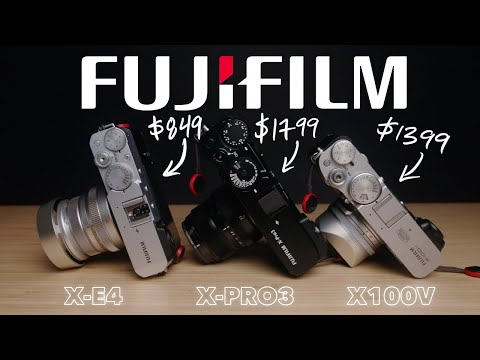
Used prices vary according to condition, finish, included accessories, seller reputation, and market demand. The X-Pro3 has sometimes commanded a premium because of its distinctive design, but an asking price in the $1,300–$1,800 range should be treated as an estimate rather than a guaranteed current market value.
Compare current listings from established used-camera retailers and private sellers. A higher-priced body may be worthwhile if it has been carefully inspected and includes a return period or warranty, while a cheaper body may carry additional risk if its display or hinge has not been tested.
What to Check Before Buying
Main LCD and hinge: Open and close the screen several times. Check for flickering, intermittent display operation, image artifacts, or a screen that fails to turn on.
Screen cable symptoms: Because the display uses a moving hinge, pay attention to any signs of intermittent operation. Ask about previous repairs if the screen behaves inconsistently.
Optical viewfinder: Check the viewing window, frame-line display, and viewfinder switching mechanism.
Electronic viewfinder: Inspect for dead pixels, discoloration, flickering, and other display problems.
Sensor and shutter: Inspect sample images for unusual spots or lines and test the shutter modes.
Autofocus: Test single-shot autofocus, continuous autofocus, face detection, and eye detection with a compatible lens.
Card slot: Confirm that the SD card slot reads and writes files correctly.
Body condition: Inspect the titanium plates, corners, buttons, dials, and tripod socket for damage.
Weather resistance: Look for evidence of impact damage, corrosion, or moisture exposure. Weather sealing should not be assumed intact on a used camera.
Battery and charging: Test the NP-W126S battery and confirm that the camera charges or operates correctly with compatible equipment.
Recommended Accessories
Spare NP-W126S batteries: Useful for long street-photography sessions, travel, and full-day assignments.
Optically stabilized Fujifilm lenses: Help reduce camera shake because the X-Pro3 does not have IBIS.
Fast SD cards: Appropriate cards help with reliable file recording and transfer, although the camera's slot supports UHS-I rather than UHS-II.
Compact camera bag: Protects the body and lens while keeping the camera accessible for spontaneous photography.
Screen inspection or repair allowance: Particularly important when buying an older used body with an uncertain service history.
Recommended Alternatives
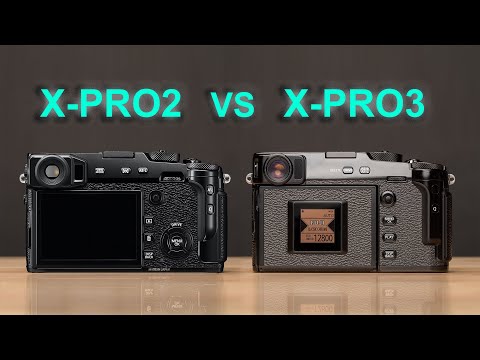
Fujifilm X-Pro2: Worth considering for photographers who want the rangefinder-style design and hybrid viewfinder but do not need the X-Pro3's newer sensor and processor.
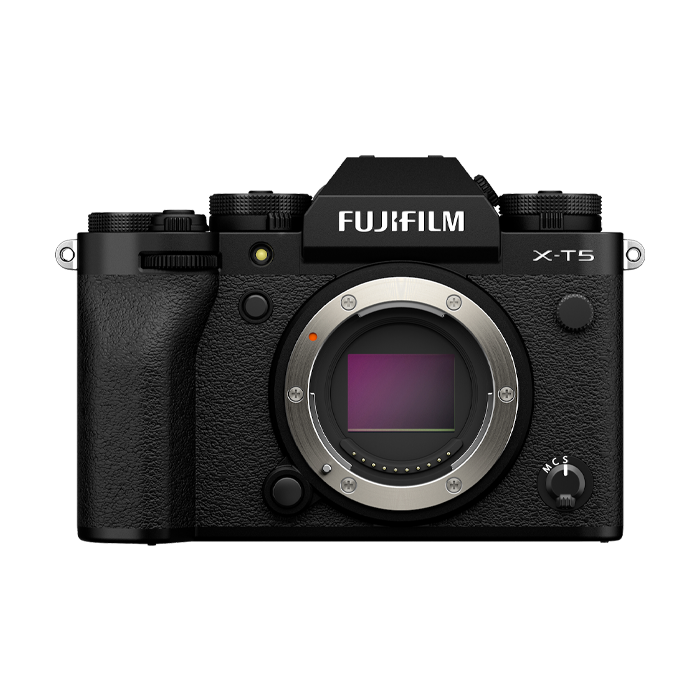
Fujifilm X-T5: A more versatile option for photographers who want higher resolution, in-body image stabilization, and more modern autofocus features.
Fujifilm X-S20: Worth considering for hybrid creators who prioritize stabilization, modern autofocus, and video usability.
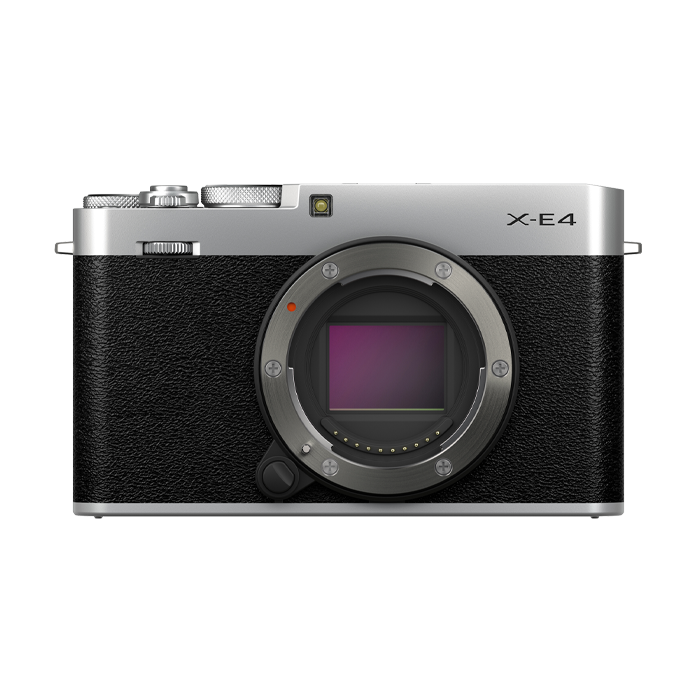
Fujifilm X-E4: A compact rangefinder-style alternative for photographers who prefer a smaller body and a more conventional rear-screen arrangement.
Final Verdict
The Fujifilm X-Pro3 is a distinctive mirrorless camera that prioritizes the photographic experience as much as technical performance. Its 26.1MP sensor, X-Processor 4, hybrid optical and electronic viewfinder, titanium exterior plates, and Fujifilm film simulations make it a compelling tool for street, travel, documentary, and creative photography.
Its hidden LCD is both its defining feature and its biggest ergonomic compromise. Photographers who enjoy composing through the viewfinder may appreciate the deliberate shooting experience, while those who depend on frequent image review, flexible screen positioning, or video recording may find the design restrictive.
The absence of IBIS, single SD card slot, and older autofocus technology are additional considerations. Before buying used, carefully test the folding LCD and hinge, since repair history and screen operation can materially affect the camera's value.
Overall recommendation: Choose the Fujifilm X-Pro3 if you value its unique design, hybrid viewfinder, tactile controls, and film-inspired photography experience. If versatility, stabilization, modern autofocus, or video usability matters more, compare it with newer Fujifilm cameras before paying a premium for the X-Pro3's distinctive design.
Video Reviews
Video Comparisons
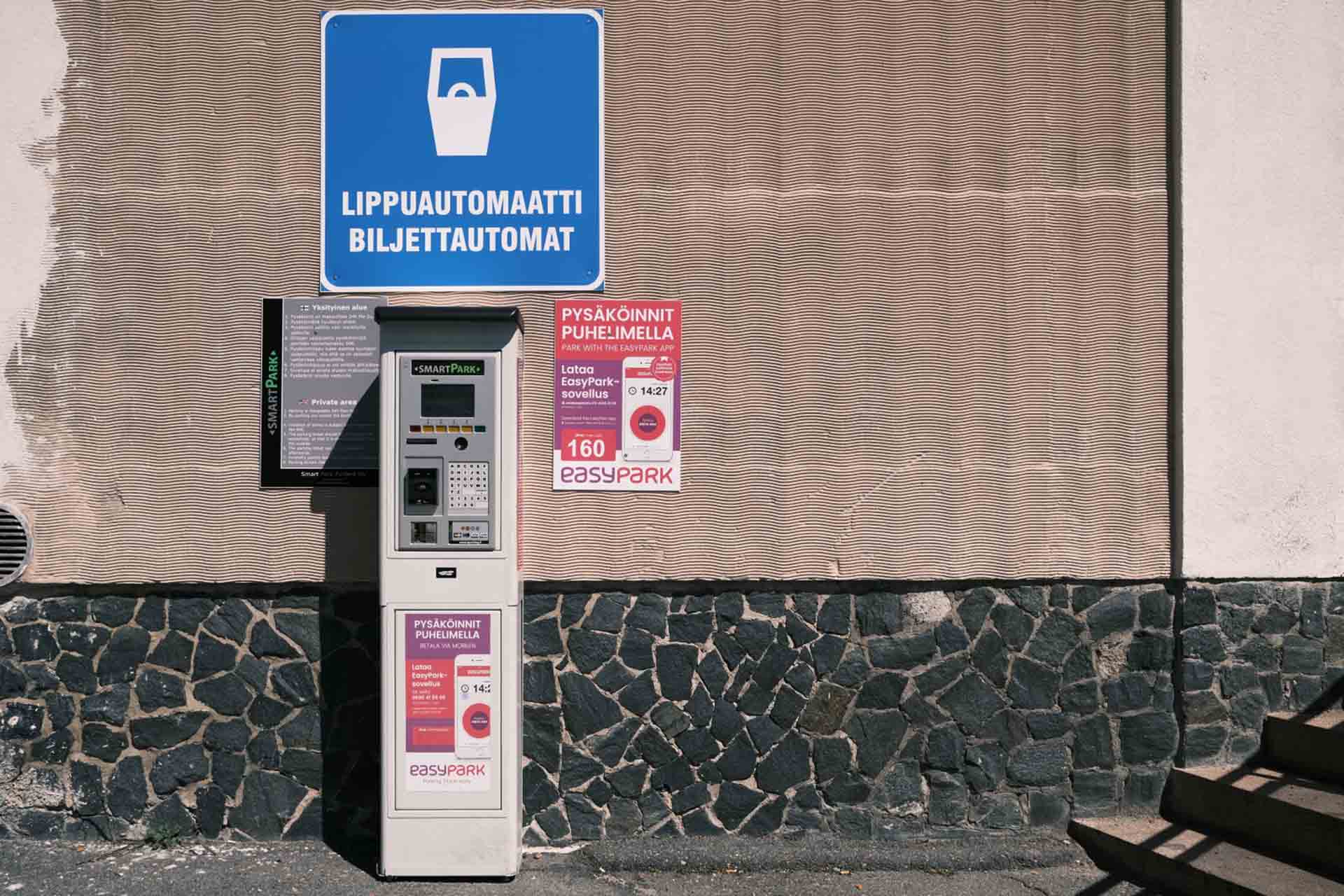
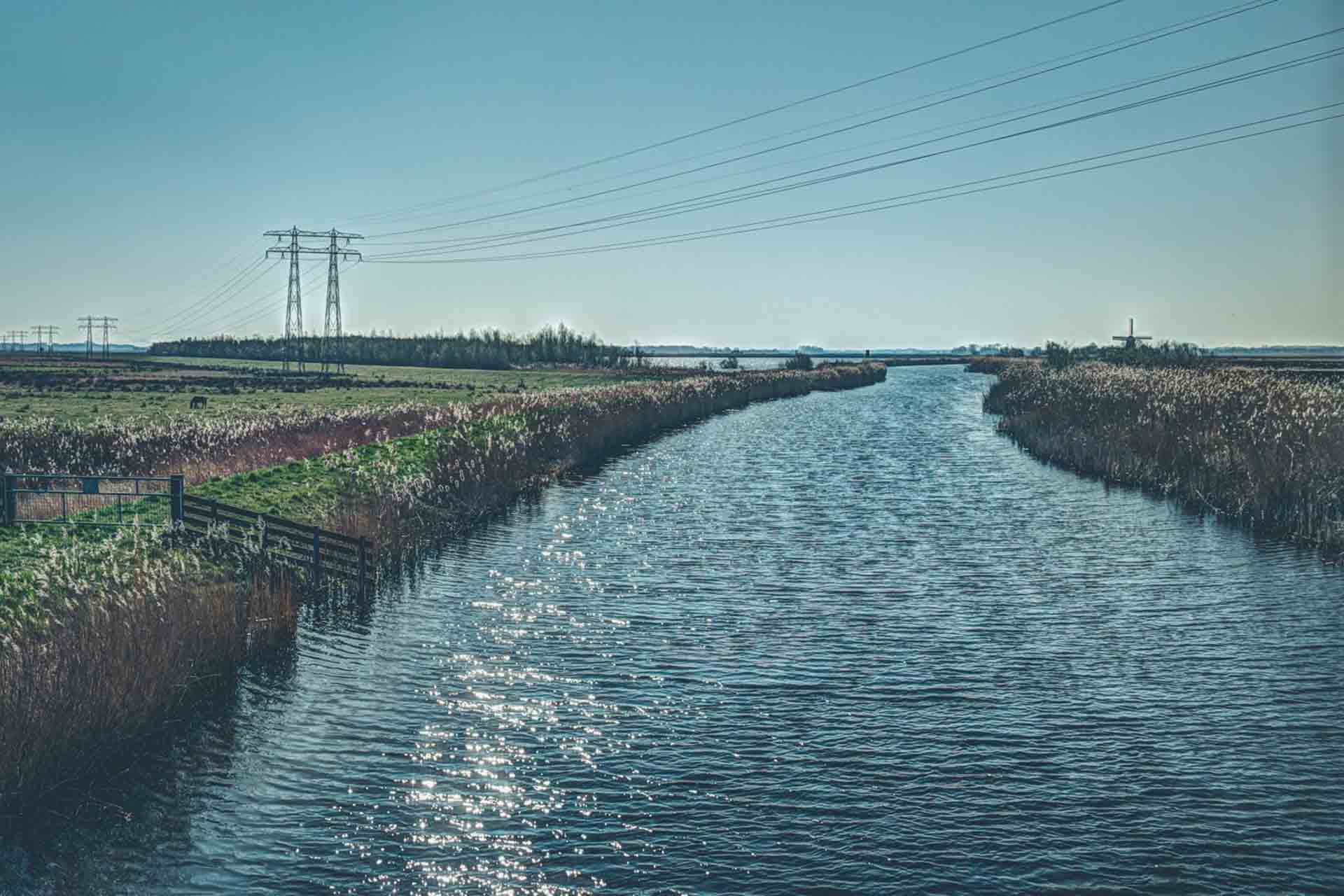
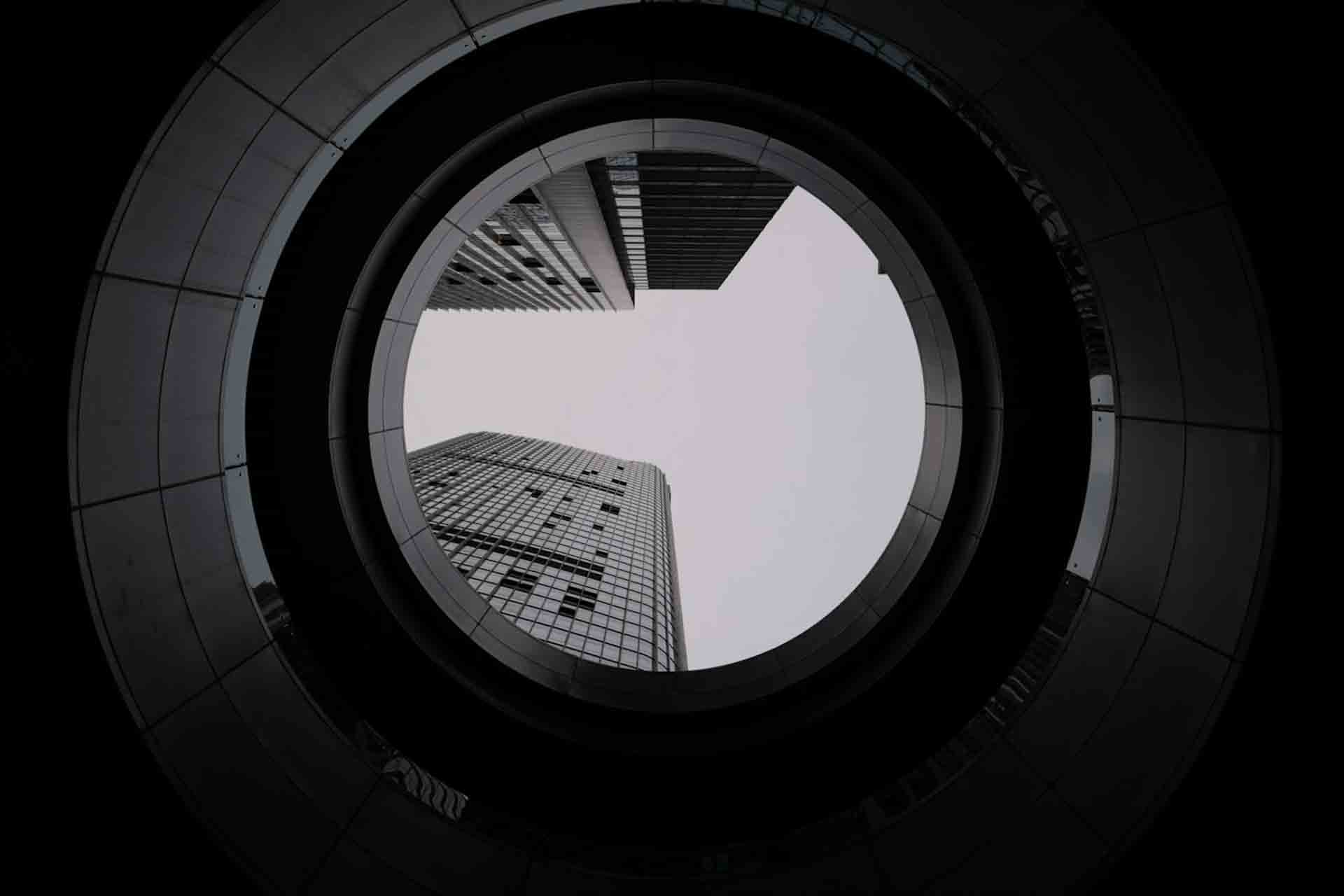
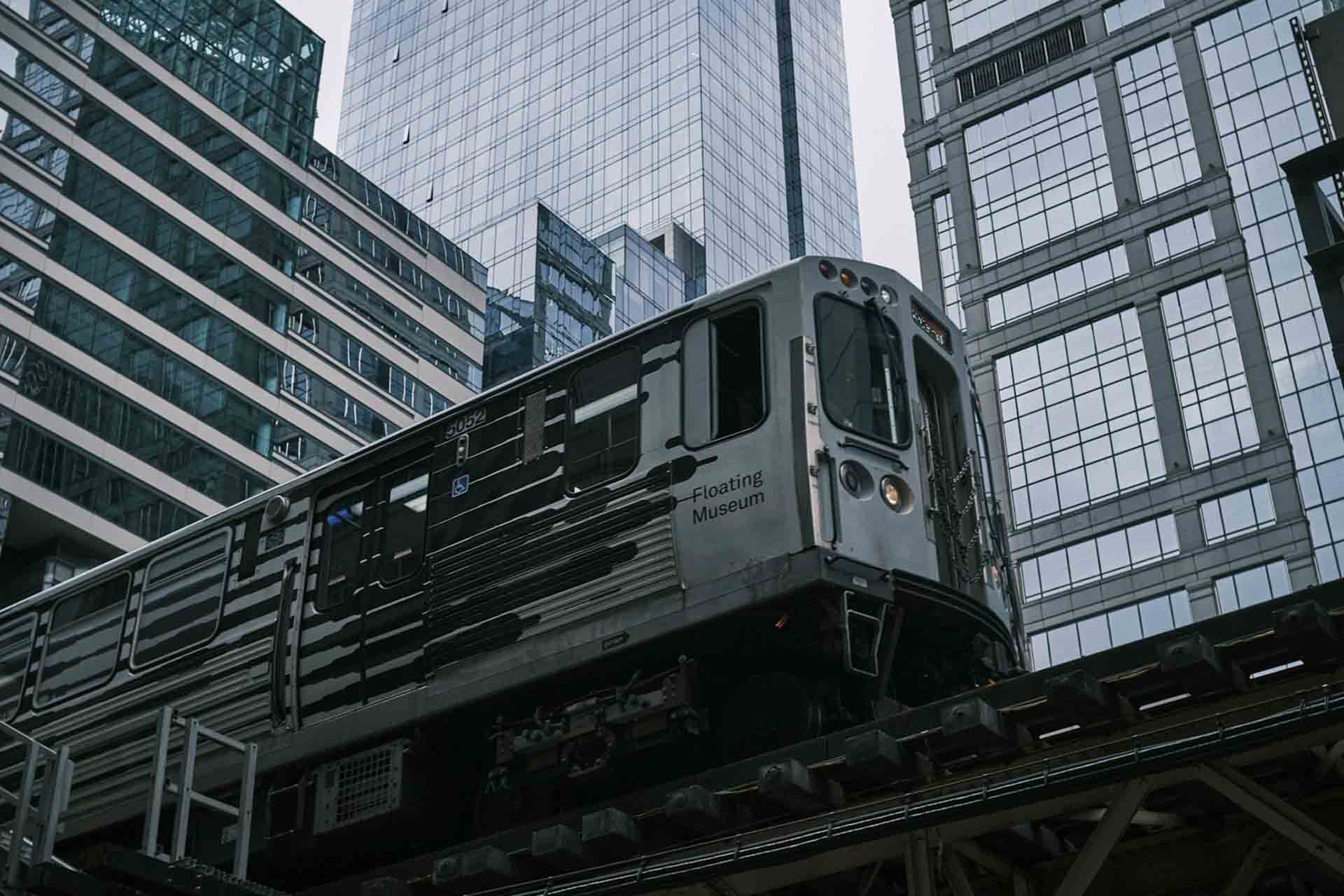
Sample Images