Overview
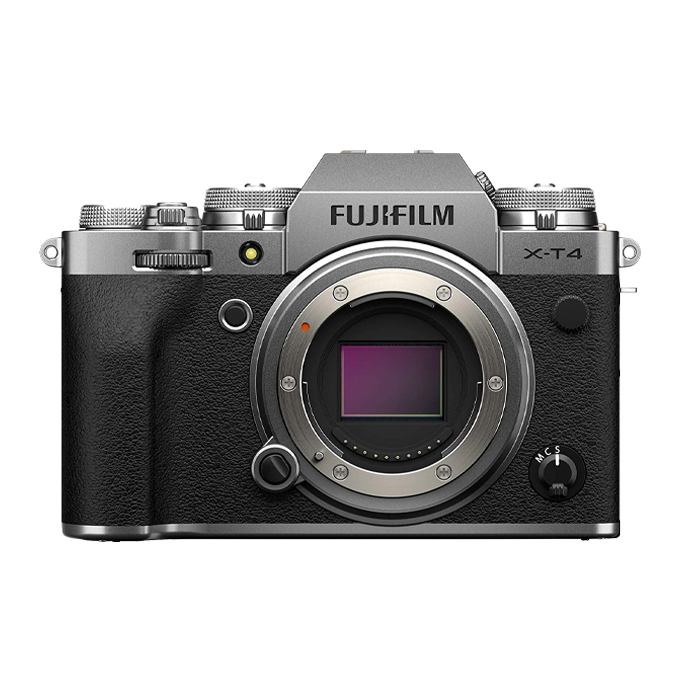
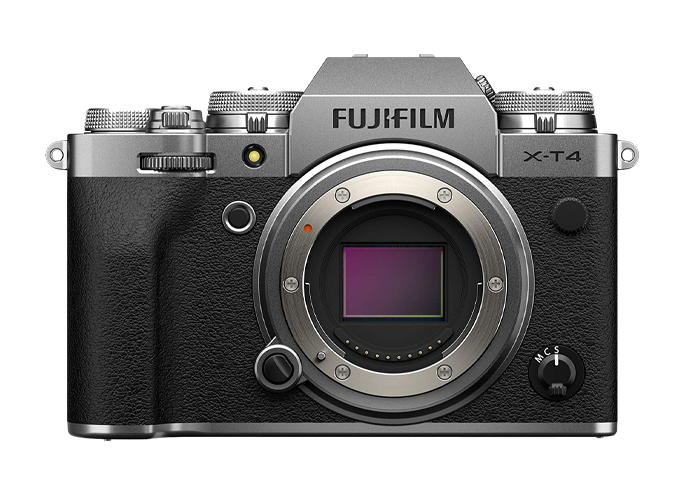
The Fujifilm X-T4 is a versatile APS-C mirrorless camera designed for photographers and videographers who want strong performance for both still photography and video production. Building on the success of the X-T3, it introduces several important upgrades, including 5-axis in-body image stabilization (IBIS), a larger battery, a fully articulating touchscreen, and faster mechanical continuous shooting.
At its core, the X-T4 uses a 26.1MP X-Trans CMOS 4 sensor paired with the X-Processor 4 image processor. This combination delivers excellent image quality, attractive color reproduction, and reliable performance across a wide range of shooting situations. Its combination of traditional exposure dials and modern video features makes it appealing to enthusiasts and professional creators alike.
The camera can record 4K video at up to 60 frames per second with internal 10-bit 4:2:0 recording, while Full HD recording supports high-frame-rate slow motion. Its weather-resistant magnesium-alloy body, dual UHS-II SD card slots, and NP-W235 battery also make it a practical choice for demanding assignments and outdoor photography.
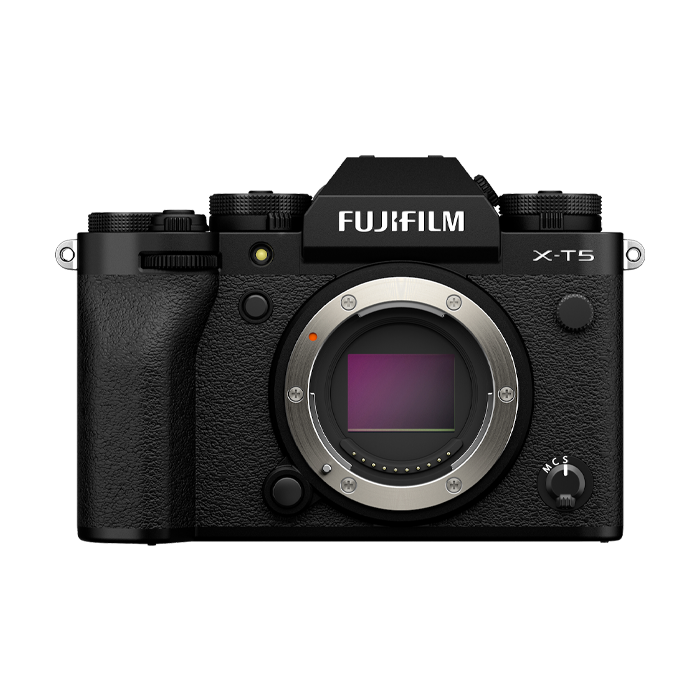
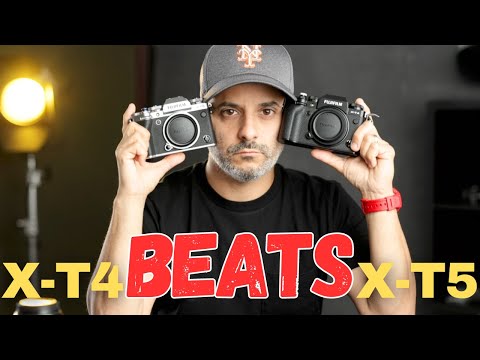
Although the newer Fujifilm X-T5 offers higher resolution, the X-T4 remains an attractive option for users who prioritize stabilization, hybrid shooting, and video-friendly controls. On the used market, its value depends on condition, shutter count, included accessories, and current availability.
Key Specifications and Features
26.1MP X-Trans CMOS 4 Sensor
The X-T4 features a 26.1MP APS-C X-Trans CMOS 4 sensor that delivers detailed images with excellent color reproduction and good high-ISO performance. Paired with Fujifilm's X-Processor 4, it supports a wide range of photographic styles, including the company's popular Film Simulation modes.
5-Axis In-Body Image Stabilization
One of the X-T4's most significant upgrades is its built-in 5-axis image stabilization system, rated for up to 6.5 stops of correction under suitable conditions. IBIS helps reduce camera shake when shooting handheld, particularly at slower shutter speeds, and can improve the stability of handheld video. Actual results vary depending on the lens, focal length, shooting technique, and subject movement.
Mechanical Continuous Shooting at 15 fps
The mechanical shutter supports continuous shooting at up to 15 frames per second, making the X-T4 suitable for action, sports, wildlife, and other fast-moving subjects. Its electronic shutter offers even higher burst rates in appropriate settings, although electronic shutter use can introduce rolling-shutter distortion with rapidly moving subjects.
Advanced Video Recording
The X-T4 records 4K video at up to 60p and supports internal 10-bit 4:2:0 recording. It can also record Full HD video at up to 240p for dramatic slow-motion effects. The dedicated Still/Movie selector makes it easy to switch between photography and video workflows, with separate settings available for each mode.
Fully Articulating Touchscreen
The 3.0-inch vari-angle touchscreen flips out to the side and rotates to face forward. This design is useful for vlogging, self-recording, and filming from unusual angles. However, photographers who frequently shoot landscapes or use a camera at waist level may prefer the three-way tilting screen found on models such as the X-T3 and X-T5.
Longer Battery Life
The X-T4 uses the larger NP-W235 battery, a substantial improvement over the battery used in the X-T3. Fujifilm rates the camera for approximately 500 to 600 shots per charge in certain modes, although actual battery life varies with settings, temperature, screen use, and video recording.
Dual UHS-II SD Card Slots
Two SD card slots support UHS-II cards, allowing photographers to configure simultaneous backups, separate file types between cards, or extend recording capacity. Simultaneous recording is particularly valuable for weddings, events, and other assignments where protecting image files is important.
Weather-Resistant Construction
The X-T4 features a magnesium-alloy body with weather-resistant sealing and is designed to operate in temperatures as low as 14°F (-10°C). When paired with appropriately weather-resistant lenses, it is well suited to outdoor photography in challenging conditions. Weather resistance does not make the camera waterproof, so care is still necessary around heavy rain, moisture, and dust.
Autofocus and Subject Tracking
The camera offers face and eye detection, subject tracking, and responsive autofocus for everyday photography and many moving-subject situations. Performance depends on the subject, lighting, lens, and autofocus settings. Although capable, its autofocus system is older than those in newer Fujifilm models and may be less dependable for demanding wildlife or action photography.
Headphone Monitoring and Connectivity
The X-T4 does not have a dedicated 3.5mm headphone jack. Headphone monitoring is available through the USB-C port using a compatible USB-C-to-3.5mm adapter. The camera also provides microphone connectivity and other interfaces for video production, making it a capable tool for independent filmmakers and content creators.
Key Specifications
Camera Type | APS-C mirrorless camera |
Sensor | 26.1MP X-Trans CMOS 4 |
Image Processor | X-Processor 4 |
Lens Mount | Fujifilm X mount |
Image Stabilization | 5-axis in-body image stabilization, rated up to 6.5 stops |
Mechanical Shutter Burst | Up to 15 fps |
Electronic Shutter Burst | Up to 30 fps in supported modes, with a crop and other limitations depending on settings |
Video Recording | 4K up to 60p; Full HD up to 240p |
Internal Video Color | 10-bit 4:2:0 recording supported |
Viewfinder | Electronic viewfinder, approximately 3.69 million dots |
Rear Display | 3.0-inch, approximately 1.62-million-dot vari-angle touchscreen |
Memory Card Slots | Two SD card slots supporting UHS-II |
Battery | NP-W235 rechargeable lithium-ion battery |
Battery Life | Approximately 500–600 shots under specified test conditions |
Body Construction | Magnesium-alloy body with weather-resistant sealing |
Operating Temperature | Down to 14°F (-10°C), under specified conditions |
Weight | Approximately 607g with battery and memory card |
Headphone Jack | No dedicated 3.5mm jack; compatible USB-C adapter required |
Release Year | 2020 |
Pros and Cons
Pros | Cons |
|---|---|
Effective 5-axis in-body image stabilization | Heavier and bulkier than the X-T3 |
Excellent 26.1MP image quality and Fujifilm color profiles | Resolution is lower than the 40.2MP X-T5 |
Mechanical burst shooting at up to 15 fps | Older autofocus technology than newer camera generations |
4K/60p video and internal 10-bit recording | 4K/60p recording uses a crop compared with some lower-frame-rate modes |
Fully articulating touchscreen suited to video creators | Side-flipping screen may be inconvenient for some landscape photographers |
Improved NP-W235 battery life | No dedicated 3.5mm headphone jack |
Dual UHS-II SD card slots with backup options | Some advanced video and autofocus features are surpassed by newer models |
Weather-resistant body for demanding outdoor use | Weather resistance does not guarantee protection against water or dust in all conditions |
Who Should Buy This Lens?
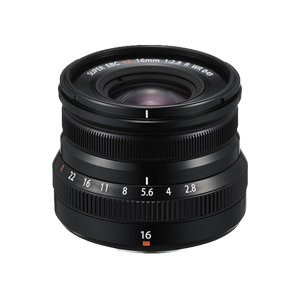
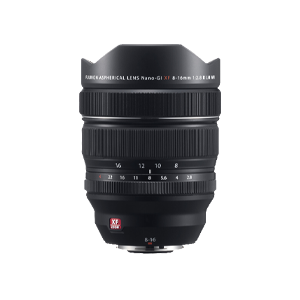
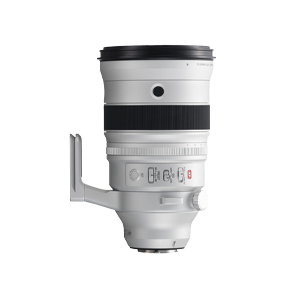
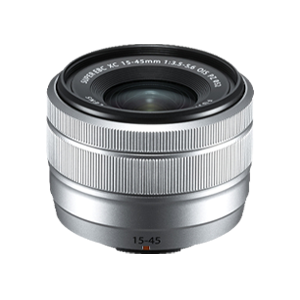
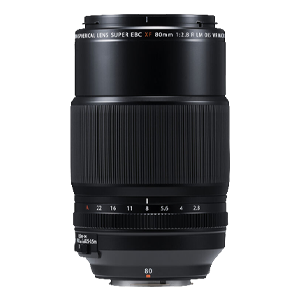
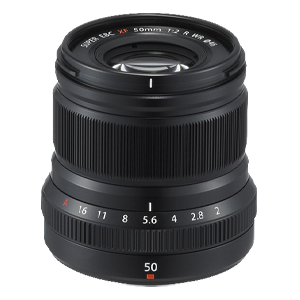
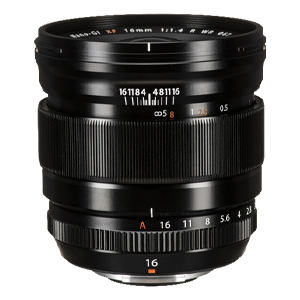
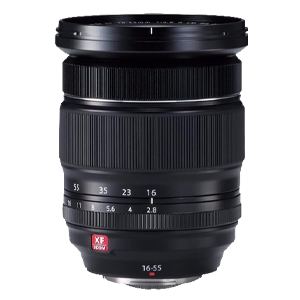
The Fujifilm X-T4 is a camera body, not a lens. It is designed for photographers and video creators who want a capable hybrid camera with stabilization, dependable image quality, and extensive video features. It works with Fujifilm X-mount lenses, so the best lens choice depends on the subject and shooting style.
1. Videographers and Content Creators
The X-T4 is an appealing option for YouTubers, vloggers, independent filmmakers, and hybrid creators who need both high-quality stills and advanced video. IBIS helps steady handheld footage, while the fully articulating screen makes it easier to frame yourself when recording alone. The dedicated Still/Movie selector also simplifies switching between photo and video setups.
2. Wedding, Event, and Documentary Photographers
The combination of 26.1MP image quality, 15 fps mechanical shooting, a larger battery, and dual UHS-II SD card slots makes the X-T4 useful for weddings, events, and documentary work. Dual-card recording can provide an immediate backup of important images, while IBIS helps when shooting handheld in available light. Photographers should still carry spare batteries and memory cards for long assignments.
3. Travel and Outdoor Photographers
The weather-resistant body, relatively compact APS-C system, and extensive Fujifilm lens selection make the X-T4 suitable for travel and outdoor photography. IBIS can help when shooting static scenes at slower shutter speeds, and the 26.1MP sensor provides enough resolution for many travel, landscape, and general-purpose images.
4. Wildlife and Action Photographers
The X-T4 can photograph birds, wildlife, and other moving subjects with its fast burst shooting and subject-tracking autofocus. However, IBIS cannot freeze subject movement, and autofocus performance may fall behind newer cameras when tracking small, erratic subjects against complex backgrounds. Wildlife photographers who frequently photograph birds in flight should compare its autofocus capabilities with newer Fujifilm bodies before purchasing.
5. Who Should Consider Another Camera?
Landscape photographers who prioritize resolution: The Fujifilm X-T5 offers a 40.2MP sensor and a three-way tilting screen, making it an attractive alternative for detailed landscape work.
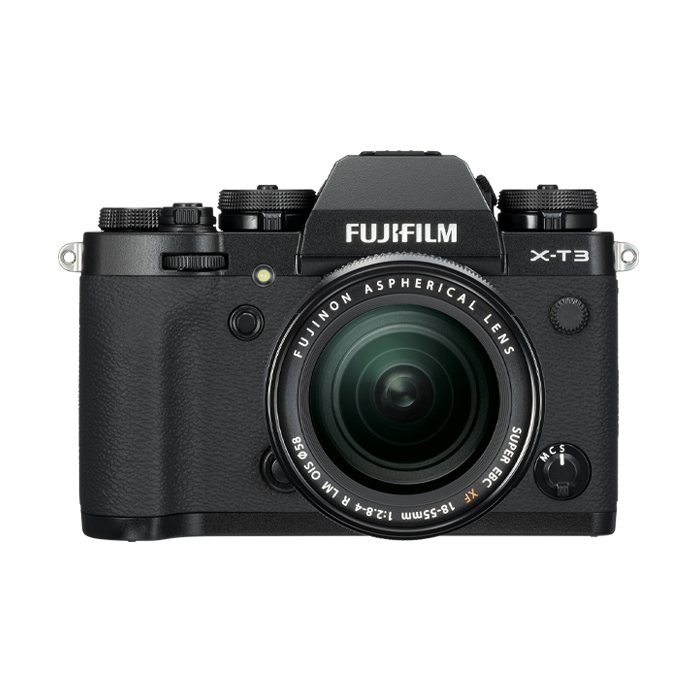
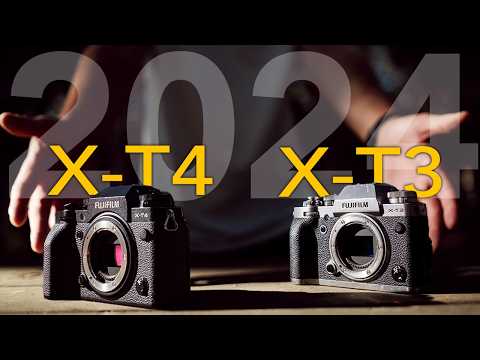
Photographers who prefer a lighter body: The X-T3 is lighter and has a three-way tilting screen, although it lacks the X-T4's IBIS and larger battery.
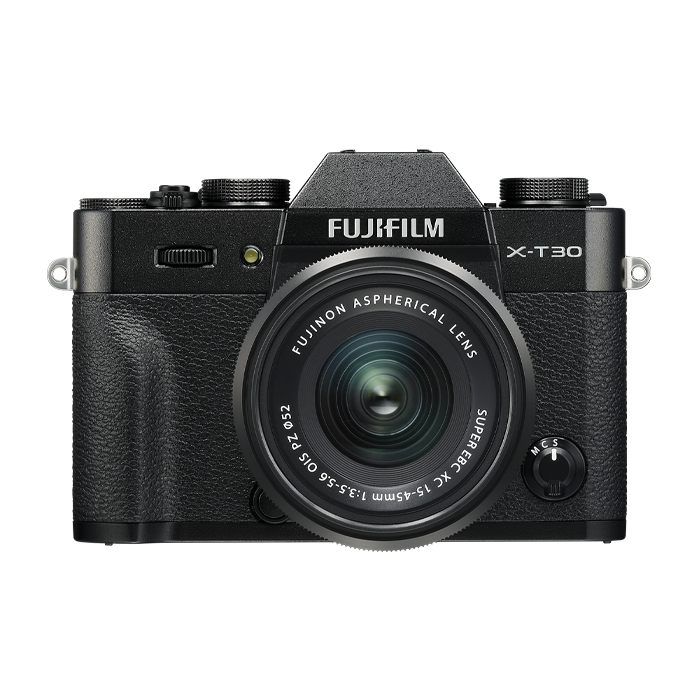
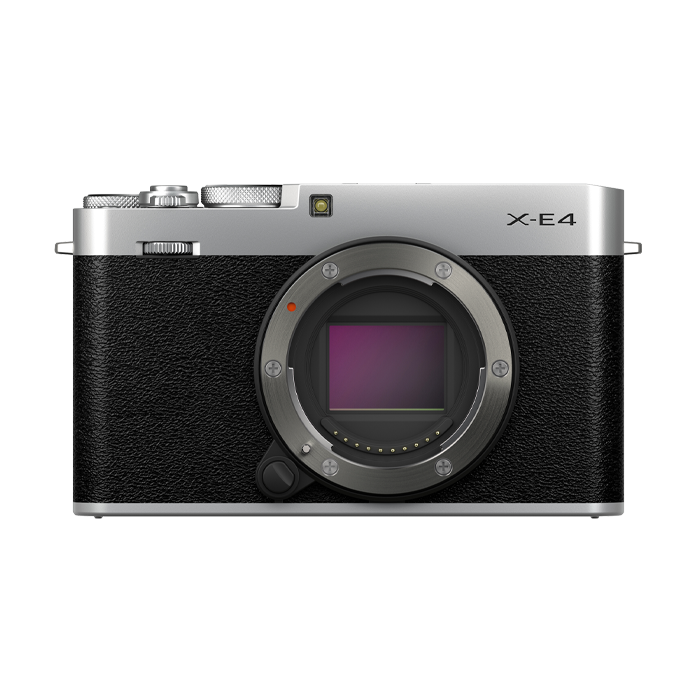
Casual photographers seeking a smaller camera: Models such as the Fujifilm X-T30 series or X-E series may better suit users who value portability and do not need the X-T4's extensive video features.
Professionals who need the latest subject recognition: Newer camera bodies may offer improved tracking and subject detection for demanding action and wildlife photography.
Buying Recommendation
The Fujifilm X-T4 is worth considering on the used market if you want a well-rounded APS-C camera for both photography and video. Its strongest advantages are IBIS, 4K/60p recording, 15 fps mechanical shooting, dual card slots, and the NP-W235 battery. These features make it more versatile than the X-T3 for handheld video and hybrid assignments.
Before purchasing a used body, inspect the sensor, screen hinge, electronic viewfinder, card slots, buttons, dials, battery compartment, and USB-C and microphone connections. Test autofocus, burst shooting, image stabilization, and video recording. Also check the shutter count where available, confirm that the battery and charger are included, and look for signs of impact, moisture, or corrosion.
Compare the total cost with an X-T5 or a newer X-T-series body. The X-T5 is more attractive if you need higher resolution and newer processing, while the X-T4 can be a better value if stabilization and hybrid video capabilities matter more than maximum pixel count.
Used prices vary considerably by condition, accessories, and seller. Rather than relying on a fixed price range, compare recent listings for bodies in similar condition and favor reputable sellers who offer a return period or warranty.
Final Verdict
The Fujifilm X-T4 remains a capable hybrid mirrorless camera that balances high-quality photography with serious video features. Its 26.1MP sensor delivers excellent results, while IBIS, 4K/60p video, fast mechanical shooting, dual card slots, and improved battery life make it a flexible tool for enthusiasts and working creators.
Its main compromises are its relatively heavy body, side-flipping screen, lack of a dedicated headphone jack, and older autofocus technology compared with newer cameras. The 26.1MP resolution is also less suited to photographers who regularly crop heavily or require maximum detail for large prints.
Overall, the Fujifilm X-T4 is a strong used-camera choice for photographers and filmmakers who want a dependable all-around APS-C system without paying for the newest model. If stabilization and video flexibility are priorities, it remains an excellent option. If higher resolution, a traditional tilting screen, or the latest autofocus features are more important, compare it carefully with the Fujifilm X-T5 and newer alternatives before making a decision.
Video Reviews


Video Comparisons

Sample Images