Overview
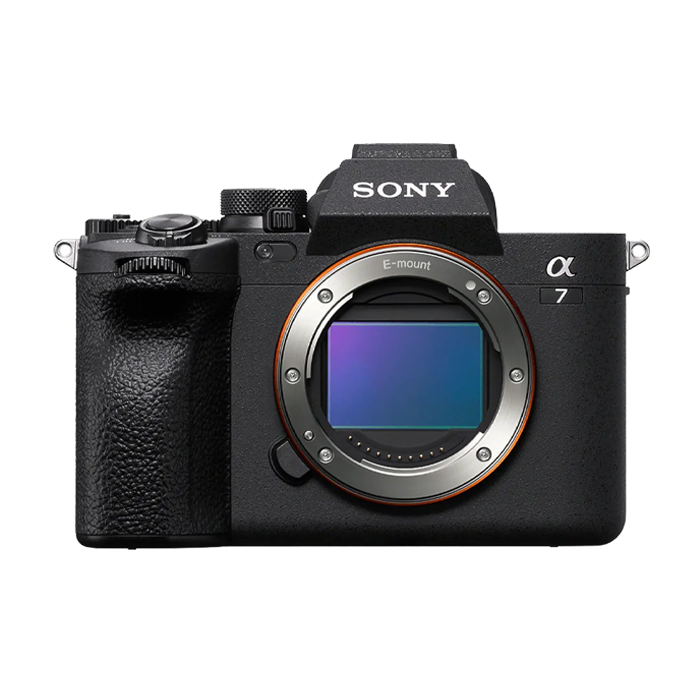
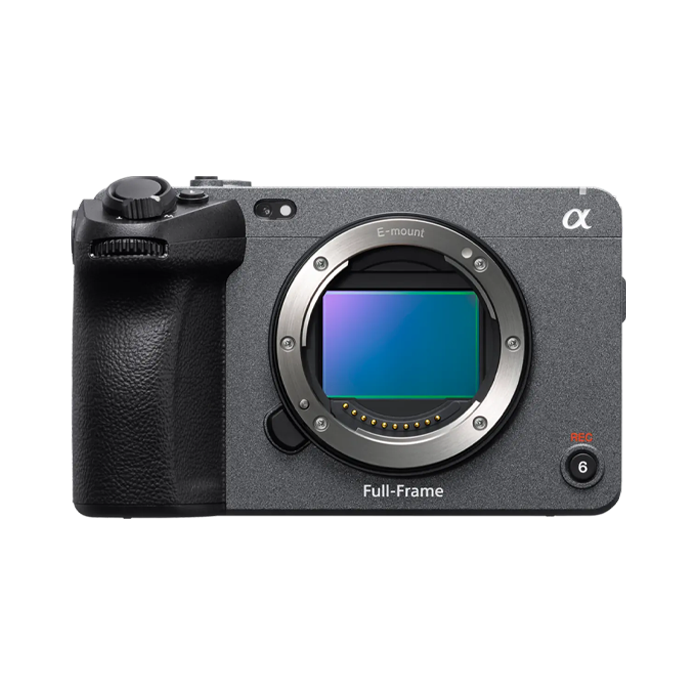
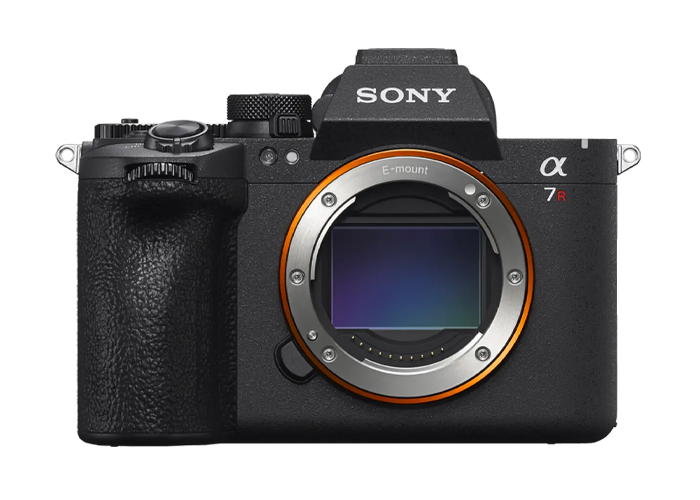
The Sony α7R VI (Alpha 7R VI) is a high-resolution full-frame mirrorless camera designed for photographers who demand exceptional image detail without giving up high-speed shooting performance. It features an approximately 66.8-megapixel effective, fully stacked Exmor RS CMOS sensor paired with Sony's BIONZ XR2 image processing engine and an integrated AI processing unit.
As a major evolution of Sony's high-resolution α7R series, the α7R VI combines detailed image capture with sensor readout speeds up to 5.6 times faster than the α7R V, according to Sony. It supports continuous shooting at up to 30 frames per second with autofocus and auto-exposure tracking, along with blackout-free electronic shooting and Pre-Capture for recording moments that occur just before the shutter is pressed.
The camera also offers advanced subject recognition, up to 16 stops of dynamic range under specified conditions, and five-axis in-body image stabilization rated at up to 8.5 stops at the center and 7.0 stops at the periphery. For video professionals, it supports 8K recording and high-quality 4K options, making it a capable tool for both still photography and commercial production.
With its combination of resolution, speed, and intelligent autofocus, the α7R VI is particularly attractive to landscape photographers, wildlife and bird photographers, commercial studios, portrait artists, and creators who need substantial cropping flexibility and professional image quality.
Key Specifications and Features
66.8 MP Full-Frame Sensor: The fully stacked Exmor RS CMOS sensor captures highly detailed images suitable for large prints, commercial photography, landscapes, architecture, and extensive cropping. The sensor has approximately 72.6 million total pixels and up to 66.8 million effective pixels for still images.
Faster Sensor Readout: Sony specifies readout speeds up to 5.6 times faster than the α7R V. This helps reduce rolling shutter distortion and supports higher-speed continuous shooting, although it does not eliminate rolling shutter in every situation.
30 fps Continuous Shooting: The α7R VI can shoot full-resolution images at up to 30 frames per second using the electronic shutter, with AF/AE tracking and blackout-free viewing under supported conditions. Actual speed and buffer performance depend on the shooting mode, lens, file format, and other settings.
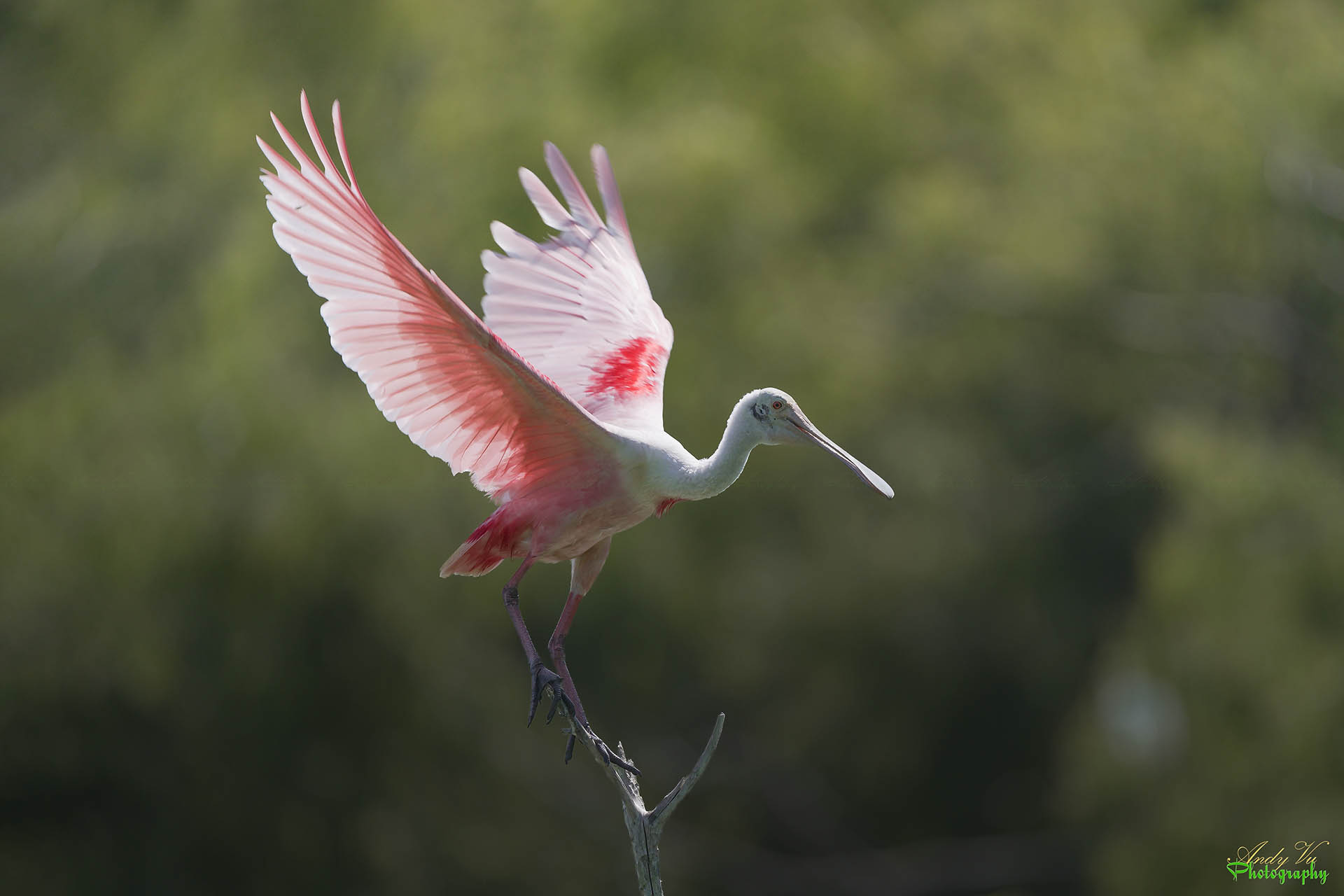
Pre-Capture and Speed Boost: Pre-Capture can record images from before the shutter is fully pressed, helping photographers capture unpredictable moments such as a bird taking flight. The customizable Speed Boost function can temporarily increase the shooting rate during a burst.
BIONZ XR2 and AI Autofocus: The processing engine incorporates an AI processing unit and supports up to 60 AF/AE calculations per second under supported conditions. Real-time Recognition AF+ helps identify and track subjects, while Auto Subject mode can simplify subject selection.
Up to 16 Stops of Dynamic Range: Sony rates the camera for up to 16 stops of dynamic range under specified conditions. This can provide additional flexibility when recovering shadow and highlight detail in high-contrast scenes, although results depend on exposure, ISO, and post-processing.
Advanced White Balance: A visible-light and infrared sensor, combined with deep-learning illumination estimation, helps the camera evaluate lighting conditions and produce more consistent automatic white balance in challenging environments.
Five-Axis In-Body Stabilization: The IBIS system is rated for up to 8.5 stops of correction at the center and 7.0 stops at the periphery under specified testing conditions. Actual results vary with lens, focal length, technique, and subject movement.
8K and High-Quality 4K Video: The camera supports 8K recording at up to 30p and 4K at up to 60p without a crop, as well as additional high-frame-rate recording options. Supported resolutions, frame rates, crops, and bit-depth combinations depend on the selected recording mode.
Professional Audio Options: Compatible audio accessories, including Sony's XLR-A4 adapter, support expanded audio recording workflows with 32-bit float recording options. Accessory compatibility and supported channel configurations should be checked before purchase.
High-Resolution Electronic Viewfinder: The 9.44-million-dot EVF provides a detailed view for critical composition, manual focusing, and following wildlife or action subjects.
Flexible LCD Monitor: The 4-axis multi-angle touchscreen supports low-angle, high-angle, and vertical shooting positions, offering flexibility for landscape work, studio photography, and video production.
Dual Memory Card Slots: Both slots support SD cards and CFexpress Type A cards, allowing photographers to configure compatible recording and backup workflows. Fast cards are especially useful when recording high-resolution RAW files at high frame rates.
Upgraded Battery and Controls: The NP-SA100 battery is designed to provide increased capacity and improved power management. Back-illuminated rear buttons also make controls easier to see in low-light shooting environments.
Key Specifications
Specification | Details |
|---|---|
Camera Type | Full-frame mirrorless camera |
Sensor | Fully stacked Exmor RS CMOS, 35.9 × 24.0 mm |
Effective Resolution | Approximately 66.8 MP for still images |
Total Sensor Pixels | Approximately 72.6 MP |
Image Processor | BIONZ XR2 with integrated AI processing unit |
Lens Mount | Sony E-mount |
Maximum Continuous Shooting | Up to 30 fps with AF/AE tracking using supported electronic-shutter settings |
AF/AE Calculations | Up to 60 per second under supported conditions |
Pre-Capture | Up to 1 second, depending on settings |
Dynamic Range | Up to 16 stops under specified conditions |
Image Stabilization | Five-axis IBIS, rated up to 8.5 stops at the center and 7.0 stops at the periphery |
Maximum Video Resolution | 8K at up to 30p |
4K Video | Up to 4K 60p without a crop, plus other supported high-frame-rate modes |
Electronic Viewfinder | 9.44-million-dot EVF |
LCD Monitor | 4-axis multi-angle touchscreen |
Memory Card Slots | Two hybrid slots supporting SD and CFexpress Type A cards |
Battery | NP-SA100 rechargeable battery |
Audio Expansion | Compatible XLR audio adapter options, including 32-bit float recording support with the appropriate setup |
Pros and Cons
Pros | Cons |
|---|---|
66.8 MP resolution captures fine detail and provides considerable cropping flexibility. | High-resolution RAW files require more memory card capacity, computer storage, and processing power. |
A fully stacked sensor and faster readout support up to 30 fps shooting with AF/AE tracking. | High-speed bursts can quickly fill the buffer and consume storage, especially when shooting RAW. |
Pre-Capture can help record fleeting moments that occur before the shutter is pressed. | Pre-Capture and maximum burst performance depend on selected settings and compatible equipment. |
AI-assisted autofocus and subject recognition are useful for wildlife, portraits, and moving subjects. | Autofocus cannot guarantee a sharp result when subjects are obscured, lighting is poor, or focus tracking is interrupted. |
Up to 16 stops of rated dynamic range can provide flexibility for high-contrast scenes. | Actual dynamic range depends on exposure and ISO, and aggressive shadow recovery can reveal noise. |
High-resolution 8K video and flexible 4K options suit professional hybrid workflows. | High-resolution video requires fast storage and substantial editing resources; recording options vary by mode. |
Strong in-body stabilization can help reduce camera shake when shooting handheld. | Stabilization cannot freeze a moving subject and does not replace a tripod for every landscape or studio setup. |
Dual card slots support flexible recording and backup configurations. | CFexpress Type A cards and other professional accessories can increase the total system cost. |
The high-resolution EVF, multi-angle screen, and illuminated rear controls support demanding shooting environments. | The professional price and extensive features may be unnecessary for casual photography or basic video creation. |
Who Should Buy This Lens?
Although this heading refers to a lens, the Sony α7R VI is a camera body. It is designed for photographers and filmmakers who want high resolution, fast autofocus, and advanced recording features in a full-frame system.
Landscape and Fine-Art Photographers
The 66.8 MP sensor captures detailed textures in mountains, foliage, water, architecture, and other intricate scenes.
High resolution supports large prints and allows photographers to crop compositions while retaining substantial detail.
The rated dynamic range provides additional flexibility for scenes with bright skies and darker foregrounds, although careful exposure and post-processing remain important.
Wildlife and Bird Photographers
The combination of high resolution and up to 30 fps shooting makes the camera suitable for birds in flight and other unpredictable wildlife behavior.
Pre-Capture can help record the beginning of a takeoff or another brief movement that is difficult to anticipate.
When a subject is distant, photographers can crop into the image while retaining more pixels than they would with many lower-resolution cameras.
An APS-C crop of a 66.8 MP image retains approximately 29.7 MP, providing useful detail for distant wildlife subjects.
Commercial, Fashion, and Portrait Photographers
The high-resolution sensor captures fine details in clothing, hair, products, and facial features for demanding commercial applications.
AI-assisted subject recognition can help maintain focus on people, while the visible-light and infrared sensor supports more consistent automatic white balance in changing lighting.
In-body stabilization can help reduce camera shake when shooting handheld, particularly when using compatible lenses and suitable shutter speeds.
Hybrid Commercial Filmmakers
8K recording provides detailed footage and flexibility for reframing, cropping, and producing lower-resolution deliverables.
High-quality 4K recording options suit interviews, commercial campaigns, documentaries, and other professional productions.
Compatible XLR audio accessories with 32-bit float recording support can help meet more demanding audio requirements.
Who Should Consider Another Camera?
High-volume sports photographers: For photographers who prioritize extremely fast action, high burst rates, and smaller files over maximum resolution, the Sony α9 III may be worth considering. Its global shutter offers a different advantage for reducing rolling shutter distortion.
Photographers who rarely need extensive cropping: A lower-resolution camera may provide smaller files and a more efficient workflow while still delivering excellent image quality.
Casual hobbyists and beginners: Cameras such as the Sony α6700 or α7 IV may offer better value if 66.8 MP resolution, 30 fps shooting, and advanced professional video features are not essential.
Buying Recommendation
The Sony α7R VI is worth considering if your work requires both very high resolution and the ability to capture fast-moving subjects. It is particularly appealing to wildlife photographers who need to crop distant birds, landscape photographers who produce large prints, and commercial photographers who require detailed files for demanding clients.
For bird photography, the combination of 66.8 MP resolution, up to 30 fps continuous shooting, Pre-Capture, and AI-assisted subject recognition is a significant part of the camera's appeal. However, high resolution alone does not guarantee sharper wildlife images. Lens quality, shutter speed, atmospheric conditions, subject distance, autofocus technique, and the available light all affect the final result.
Photographers who routinely shoot long bursts should also plan for the storage demands of high-resolution files. Fast CFexpress Type A cards, sufficient backup storage, and a computer capable of processing large RAW files can add substantially to the total cost of ownership.
For landscape and studio photography, consider whether you truly need the α7R VI's combination of resolution and speed. If maximum detail is the priority and subjects are mostly stationary, it may be a strong fit. If your main work is high-volume sports, a camera designed specifically around action photography may better match your workflow.
At its approximately $4,499.99 US launch price for the body, the α7R VI is positioned as a premium professional camera. Check current pricing and availability before purchasing, and compare the cost of lenses, memory cards, batteries, and editing storage with the alternatives you are considering.
Final Verdict
The Sony α7R VI combines 66.8 MP full-frame resolution with a fully stacked sensor, up to 30 fps continuous shooting, Pre-Capture, AI-assisted autofocus, and advanced video features. This combination makes it more versatile than a high-resolution camera designed exclusively for slow, carefully controlled subjects.
For landscape, commercial, portrait, and wildlife photography, its resolution provides considerable freedom to crop, retouch, and produce large images. Its faster sensor readout and high-speed shooting also make it more suitable for action than many traditional high-resolution bodies. Nevertheless, rolling shutter is not completely eliminated, and the demands of large files and high-speed bursts should not be overlooked.
Overall, the Sony α7R VI is a compelling choice for photographers who need both exceptional detail and high-speed performance in one camera. If resolution and cropping flexibility are central to your work, it deserves serious consideration. If your priorities are primarily sports speed, smaller files, or affordability, compare it carefully with the Sony α9 III, α7 V, and other bodies before deciding.
Video Reviews


Video Comparisons

Sample Images