Overview
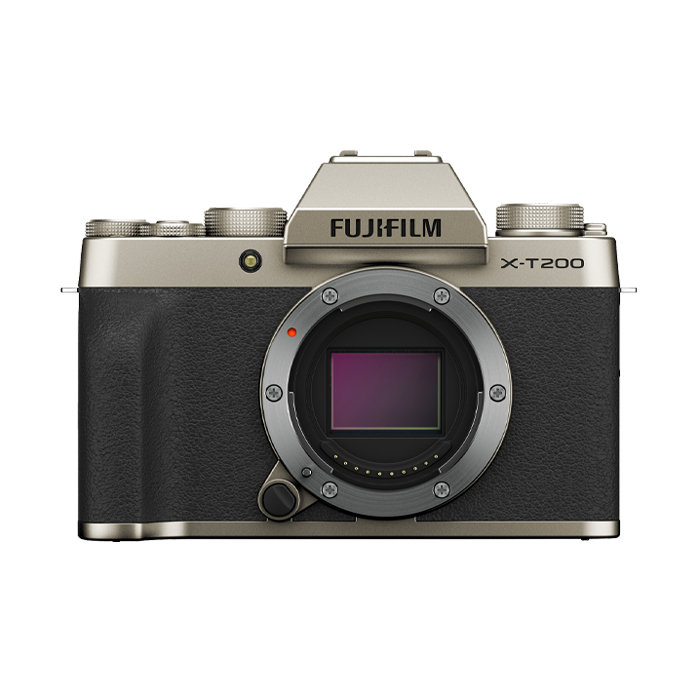
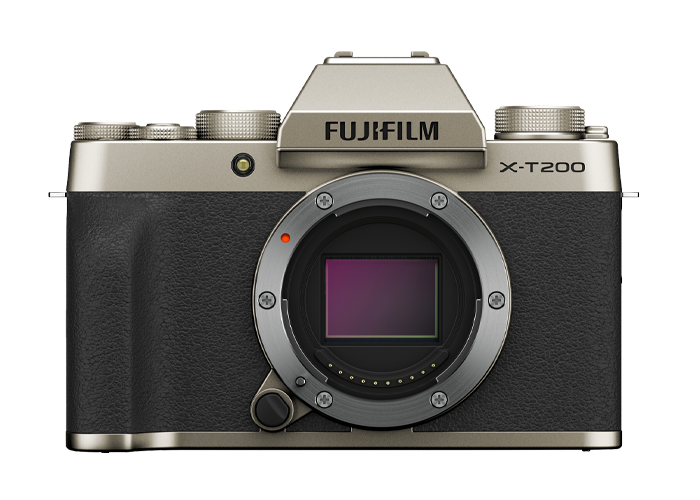
The Fujifilm X-T200 is a lightweight, entry-level APS-C mirrorless camera designed for beginners, casual photographers, travelers, and content creators. Released in 2020, it combines a 24.2-megapixel sensor with a large touchscreen, a fully articulating rear display, and accessible touch-based controls. Its retro-inspired appearance gives it a Fujifilm identity while offering a more modern, simplified shooting experience than higher-tier X-T models with dedicated exposure dials.
The X-T200 is particularly appealing to smartphone users who want to step up to interchangeable lenses without immediately learning a complicated manual-control system. Its 3.5-inch widescreen touchscreen makes it easy to compose photographs, select focus points, navigate menus, and frame yourself when recording video. Fujifilm's film simulations also provide attractive colors and creative looks straight out of the camera.
For video creators, the camera supports 4K recording at up to 30 frames per second and Full HD recording at higher frame rates for slow-motion footage. Its fully articulating screen is useful for vlogging, interviews, and self-recording. The electronic Digital Gimbal feature can help reduce visible camera shake in selected video modes, although it introduces a crop and does not replace mechanical image stabilization.
The X-T200 does have limitations. It lacks in-body image stabilization (IBIS), weather sealing, and the advanced subject-tracking capabilities of newer mirrorless cameras. Its lightweight construction and simplified controls are convenient for casual use but may be less appealing to photographers who prefer a rugged body and dedicated physical exposure dials.
For buyers shopping on the used market, the Fujifilm X-T200 remains worth considering as an affordable entry into interchangeable-lens photography. Its value depends on the camera's condition, included lens, accessories, and current asking price.
Key Specifications and Features
24.2MP APS-C Sensor
The X-T200 features a 24.2-megapixel APS-C CMOS sensor that captures detailed images suitable for travel, family photography, portraits, landscapes, and social media content. Its larger sensor compared with those found in most smartphones offers greater flexibility with interchangeable lenses and depth of field.
The camera's image quality is suitable for everyday photography, although low-light performance also depends on the lens aperture, shutter speed, exposure, and image-processing settings. Photographers who frequently work in very dark environments may benefit from a fast prime lens or a newer camera with more advanced high-ISO performance.
Large 3.5-Inch Fully Articulating Touchscreen
One of the X-T200's most distinctive features is its 3.5-inch, 16:9 widescreen touchscreen. The display folds out to the side and rotates to face forward, making it convenient for vlogging, selfies, video tutorials, and recording yourself without an external monitor.
The touchscreen provides access to many camera functions and makes it easy to select focus points or review images. Its large viewing area is particularly helpful for beginners who are accustomed to smartphone interfaces. However, the screen should be handled carefully, especially when extended away from the camera body.
Hybrid Autofocus with Face and Eye Detection
The X-T200 uses a hybrid autofocus system with phase-detection and contrast-detection focusing. Face and Eye Detection help the camera focus on people, making it useful for portraits, family gatherings, and lifestyle videos.
Autofocus performance is generally suitable for everyday subjects, but the X-T200 does not have the advanced AI-based animal and bird recognition found in newer mirrorless cameras. Photographers who regularly shoot birds in flight, fast-moving wildlife, or sports may find its tracking less reliable for unpredictable action.
4K Video Recording
The X-T200 supports 4K video recording at up to 30p and Full HD recording at higher frame rates, including 1080p at up to 120p for slow-motion footage. Its 4K recording provides detailed video for YouTube, travel clips, tutorials, and other online content.
The fully articulating screen is especially useful for solo creators who need to monitor their framing while speaking to the camera. However, recording limits and available frame rates depend on the selected video settings, and the camera is less suited to demanding professional video workflows than newer hybrid models.
Digital Gimbal Stabilization
The camera offers an electronic Digital Gimbal stabilization mode for compatible video settings. It uses electronic processing and gyroscopic information to reduce some visible camera movement, helping smooth certain handheld shots.
Because this feature relies on electronic stabilization, it crops the image and cannot eliminate every type of movement. Walking footage may still appear bumpy, particularly when the camera moves significantly. An optically stabilized lens or a physical gimbal can provide additional help when smoother footage is important.
Fujifilm Film Simulations
The X-T200 includes Fujifilm film simulations such as Provia, Velvia, Astia, and Classic Chrome. These profiles provide different color and contrast characteristics, allowing users to create distinctive JPEG images without needing extensive editing.
Film simulations are particularly useful for beginners and social media creators who want attractive results straight out of the camera. Photographers who prefer more editing flexibility can also capture RAW files and adjust color, exposure, and contrast later.
Lightweight and Beginner-Friendly Design
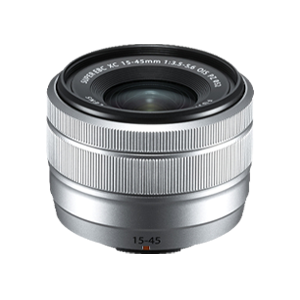
The X-T200 weighs approximately 370g with its battery and memory card, making it easy to carry during travel and everyday outings. When paired with the compact XC 15-45mm kit lens, it provides a versatile setup for landscapes, family photos, street scenes, and general travel photography.
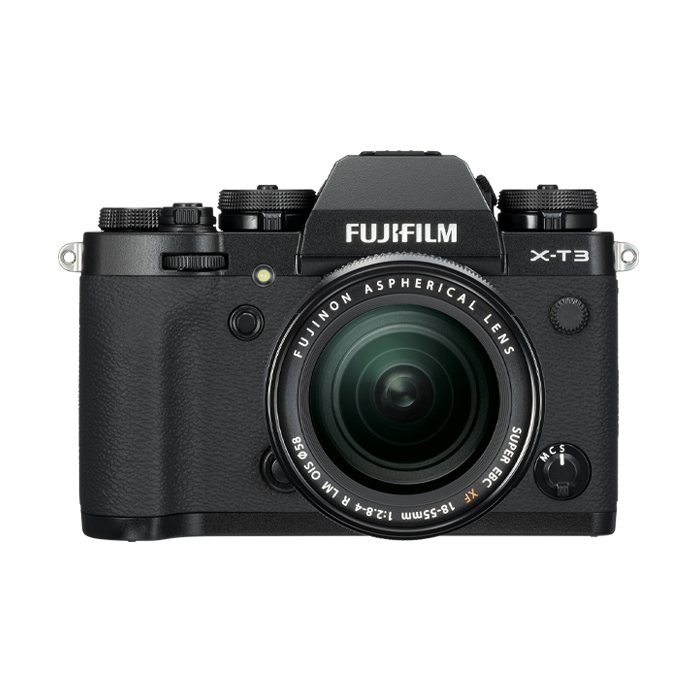
Unlike more traditional Fujifilm models, the X-T200 uses a conventional mode dial and electronic control wheels rather than dedicated shutter-speed and ISO dials. This simplified arrangement may feel familiar to smartphone users and beginners, although experienced photographers may prefer the direct controls of cameras such as the X-T3 or X-T5.
Electronic Viewfinder
The X-T200 includes an electronic viewfinder, allowing photographers to compose images without relying exclusively on the rear touchscreen. A viewfinder can be especially useful in bright sunlight, when the rear display may be difficult to see clearly.
Having both a viewfinder and a fully articulating touchscreen provides flexibility for different shooting styles, from eye-level photography to low-angle compositions and self-recording.
No In-Body Image Stabilization or Weather Sealing
The X-T200 does not include sensor-shift image stabilization. For handheld photography at slower shutter speeds, an optically stabilized lens can help reduce camera shake. For video, electronic stabilization, an OIS-equipped lens, or a tripod may be useful depending on the shooting situation.
The camera also lacks weather sealing. It should therefore be protected from rain, dust, sand, and moisture, particularly when used outdoors or during travel. Its lightweight body is convenient for everyday carry but is not designed for the same demanding conditions as weather-resistant higher-tier models.
Battery and Everyday Use
The X-T200 uses the NP-W126S rechargeable lithium-ion battery. Battery life varies with screen usage, video recording, autofocus, wireless connectivity, and temperature. Carrying a spare battery is advisable for long travel days or extended video sessions.
Key Specifications
Camera Type | Mirrorless interchangeable-lens camera |
Brand | Fujifilm |
Release Year | 2020 |
Sensor | 24.2MP APS-C CMOS |
Lens Mount | Fujifilm X mount |
Autofocus System | Hybrid phase-detection and contrast-detection autofocus |
Face and Eye Detection | Supported |
Maximum Mechanical Burst Rate | Up to 8 fps |
Video Recording | Up to 4K/30p |
Full HD Slow Motion | Up to 1080p/120p |
Image Stabilization | No in-body image stabilization; electronic Digital Gimbal mode available in supported video settings |
Rear Display | 3.5-inch, 16:9 fully articulating touchscreen |
Viewfinder | Electronic viewfinder |
Film Simulations | Includes Provia, Velvia, Astia, and Classic Chrome |
Memory Card Slot | Single SD card slot |
Battery | NP-W126S rechargeable lithium-ion battery |
Body Construction | Lightweight construction without weather sealing |
Body Weight | Approximately 370g with battery and memory card |
Best For | Beginners, casual travel, everyday photography, vlogging, and online content creation |
Pros and Cons
Pros | Cons |
|---|---|
24.2MP APS-C sensor produces detailed images for everyday photography. | No in-body image stabilization for handheld stills or video. |
Large 3.5-inch fully articulating touchscreen is excellent for vlogging and self-recording. | Electronic Digital Gimbal stabilization crops the image and cannot remove all camera movement. |
4K/30p video and 1080p high-frame-rate recording support a range of creative projects. | Video recording limits and features are less flexible than those of many newer hybrid cameras. |
Face and Eye Detection are useful for portraits, family photography, and lifestyle content. | Autofocus tracking is less advanced than modern AI-based subject detection systems. |
Fujifilm film simulations provide attractive JPEG colors straight out of the camera. | Traditional Fujifilm users may miss dedicated shutter-speed and ISO dials. |
Lightweight body is convenient for travel and everyday carry. | No weather sealing, so extra care is needed in rain, dust, and moisture. |
Electronic viewfinder and touchscreen offer flexible composition options. | Battery endurance may be limiting during long video or travel sessions. |
Fujifilm X-mount compatibility provides access to a broad selection of lenses. | Only one memory card slot is available, without in-camera dual-card backup. |
Who Should Buy This Lens?
Although this section uses the requested heading, the Fujifilm X-T200 is a camera body rather than a lens.
1. Solo Vloggers and Content Creators
The X-T200 is well suited to creators who record themselves for YouTube, social media, tutorials, travel diaries, or personal projects. Its fully articulating touchscreen allows users to monitor framing while standing in front of the camera, and its 4K recording provides detailed footage for online publication.
The electronic Digital Gimbal feature can help smooth selected handheld video shots, although the resulting crop and remaining motion should be considered. Creators who regularly film while walking may still benefit from an optically stabilized lens or a physical gimbal.
2. Smartphone Users and Photography Beginners
The X-T200 provides an accessible introduction to interchangeable-lens photography. Its touchscreen, automatic shooting modes, and simplified controls make it easier to learn the basics of exposure, focus, and composition without immediately mastering a traditional manual-dial layout.
Its film simulations also help beginners create distinctive-looking images without extensive editing. As users gain experience, the camera's manual exposure controls and RAW capture provide opportunities to develop more advanced photography skills.
3. Lightweight Travel and Everyday Photographers
At approximately 370g with its battery and memory card, the X-T200 is easy to carry during vacations, city walks, family outings, and everyday activities. Pairing it with the XC 15-45mm kit lens creates a relatively compact setup for landscapes, architecture, portraits, and general travel photography.
However, travelers who frequently work in harsh weather should consider the lack of weather sealing. Those who photograph moving subjects in low light may also benefit from a faster lens or a camera with more advanced autofocus and stabilization features.
4. Casual Portrait and Family Photographers
The 24.2MP sensor and Face and Eye Detection make the X-T200 suitable for portraits, children, family gatherings, and everyday candid photographs. Fujifilm's film simulations can provide pleasing colors without requiring extensive post-processing, while interchangeable lenses allow users to expand their creative options.
For casual photography and portraits, its autofocus system can be effective. For fast-moving children, sports, or wildlife, however, newer cameras with more advanced tracking may deliver more consistent results.
5. Who Should Look Elsewhere?
Traditional Fujifilm dial enthusiasts: Consider the Fujifilm X-T20 or X-T3 if dedicated physical exposure dials are an important part of your preferred shooting experience.
Bird and sports photographers: Newer cameras with more sophisticated subject recognition and tracking may be better suited to fast, unpredictable action.
Handheld video specialists: Consider a camera with in-body image stabilization if you regularly record moving footage without a tripod or gimbal.
Outdoor photographers working in harsh conditions: A weather-resistant camera body and appropriately sealed lens offer better protection in challenging environments.
Professional event photographers: The single card slot may be unsuitable if your workflow requires simultaneous in-camera file backups.
Buying Recommendation
The Fujifilm X-T200 is worth considering for beginners and content creators who want a lightweight mirrorless camera with a large articulating screen, an APS-C sensor, and useful video features. Before purchasing, compare the price of the body alone with complete kits that include a compatible lens, battery, charger, and other accessories.
Used Price and Value
Used prices depend on the camera's condition, included lens, accessories, seller reputation, and current availability. A complete kit advertised for $450–$600 should be treated as a general estimate rather than a guaranteed current market value. Compare several listings before deciding whether a particular bundle represents good value.
A complete kit can be a practical starting point because the included lens allows you to begin shooting immediately. However, check the condition of the lens, the operation of the touchscreen, and the camera's video-recording functions before paying a premium for a bundle.
What to Check Before Buying
Touchscreen and hinge: Confirm that the display responds accurately to touch and rotates smoothly without excessive looseness.
Sensor condition: Take test photographs of a plain, bright surface and inspect them for unusual spots or lines.
Autofocus: Test single-shot focus, continuous autofocus, face detection, and eye detection.
Video recording: Record a short 4K clip and check the footage for errors, unusual artifacts, and unexpected interruptions.
Electronic viewfinder: Check the display for flickering, dead pixels, or discoloration.
Memory card slot: Confirm that the camera can read and write files reliably using a compatible SD card.
Lens condition: Inspect the front and rear elements for scratches, haze, fungus, and excessive dust. Test zoom and autofocus functions where applicable.
Battery and charging: Check the NP-W126S battery and confirm that the camera charges or operates correctly with compatible equipment.
Body condition: Look for cracks, impact damage, loose controls, and signs of moisture exposure.
Included accessories: Confirm whether the listing includes the original charger, battery, body cap, lens caps, and any promised accessories.
Recommended Accessories
Spare NP-W126S battery: Useful for travel, extended vlogging, and long photography sessions.
Compact XC 15-45mm kit lens: A practical starting lens for everyday photography, travel, and general video.
Optically stabilized lens: Can help reduce camera shake when shooting handheld because the X-T200 lacks IBIS.
Compatible SD card: Provides storage for photographs and video clips; choose a card suitable for the recording settings you intend to use.
Small tripod or video grip: Useful for stationary vlogging, tutorials, interviews, and self-recording.
Protective camera bag: Helps protect the lightweight body and articulating screen during travel.
Recommended Alternatives
Fujifilm X-S20: A more modern hybrid option with in-body image stabilization, advanced autofocus features, and stronger video capabilities.
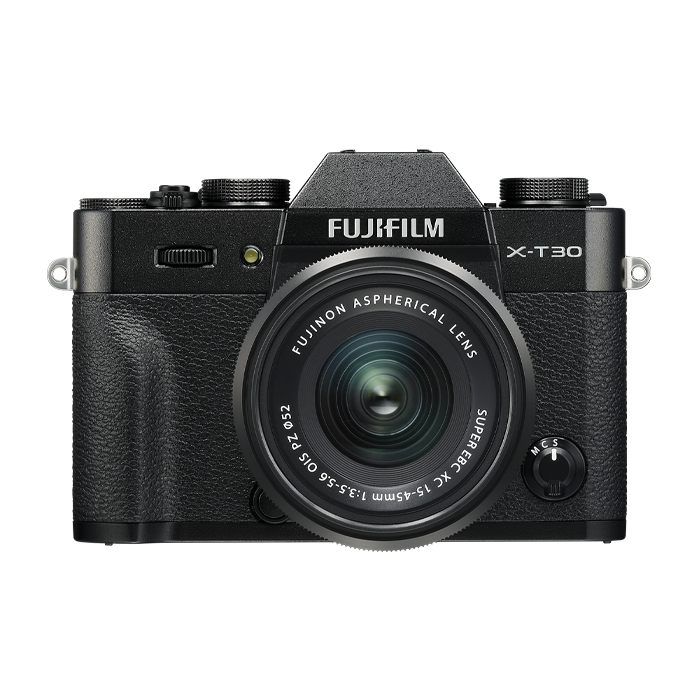
Fujifilm X-T30 II: Worth considering for photographers who prefer a more traditional Fujifilm control layout and a compact body.
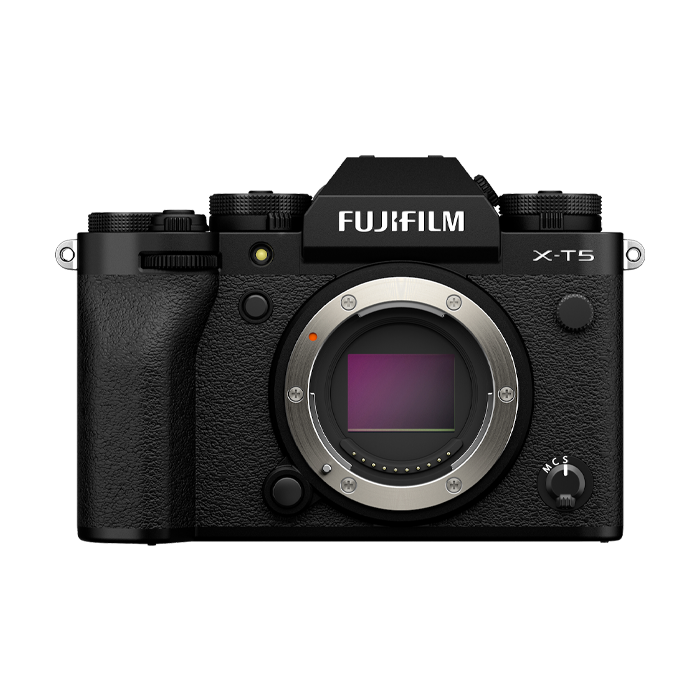
Fujifilm X-T20: A compact alternative for still photographers who want more traditional physical controls, although it lacks a fully articulating front-facing screen.
Fujifilm X-T3: Better suited to users who prioritize more advanced video recording, dual card slots, and a more professional-oriented control layout.
Final Verdict
The Fujifilm X-T200 is a lightweight and approachable mirrorless camera that combines a 24.2MP APS-C sensor, a large fully articulating touchscreen, accessible controls, and useful 4K video capabilities. Its combination of a front-facing screen and Fujifilm film simulations makes it especially attractive to beginners, casual travel photographers, and solo content creators.
Its main limitations are the absence of in-body image stabilization, lack of weather sealing, older autofocus tracking, and relatively basic control layout. The electronic Digital Gimbal feature can help with certain video situations, but it introduces a crop and cannot fully replace optical or mechanical stabilization.
For someone upgrading from a smartphone or purchasing a first interchangeable-lens camera, the X-T200 can be a practical and enjoyable choice. Buyers who need advanced wildlife autofocus, rugged construction, in-body stabilization, or more demanding video features should compare it with newer models before making a decision.
Overall recommendation: Choose the Fujifilm X-T200 if you want an affordable, lightweight camera with a large selfie-friendly touchscreen, attractive Fujifilm colors, and flexible everyday photography features. If stabilization, weather resistance, or fast-action tracking is a priority, consider a more advanced camera body instead.
Video Reviews

Video Comparisons
Sample Images