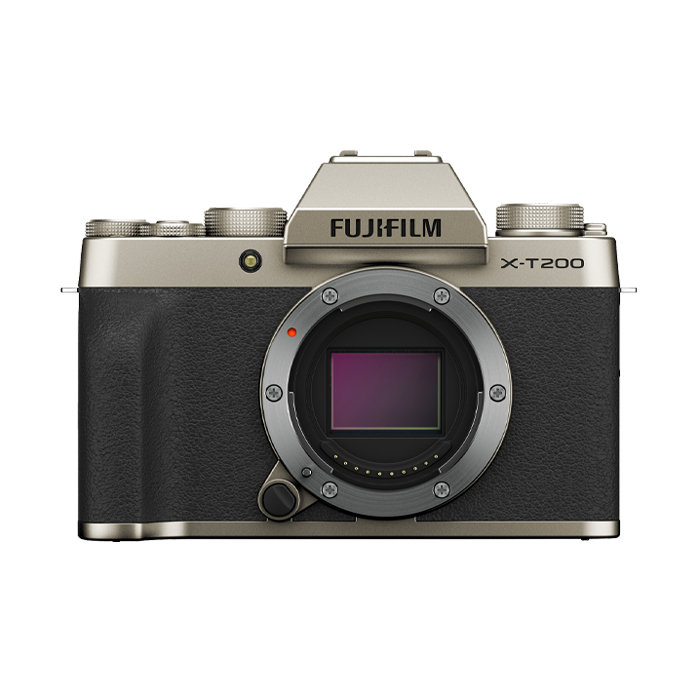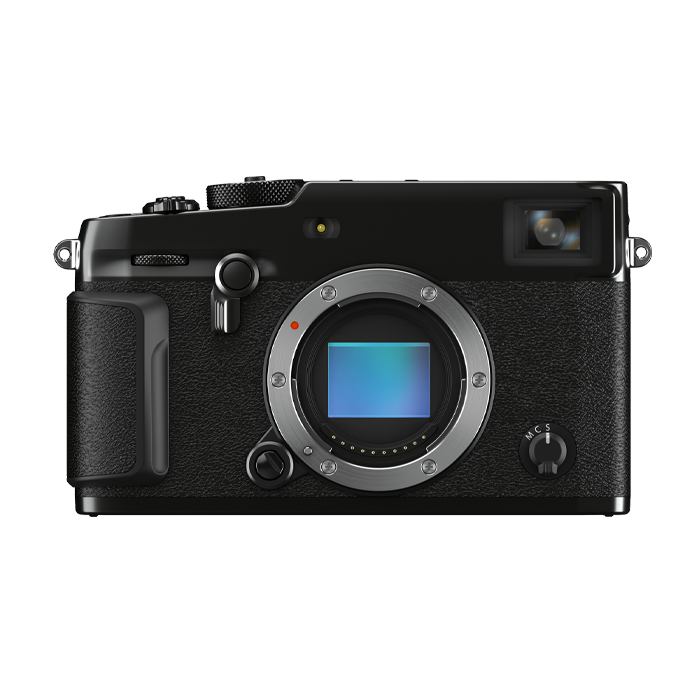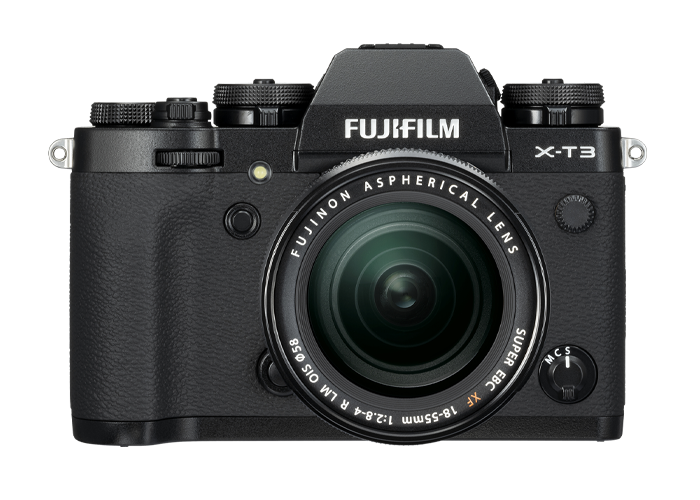
Overview
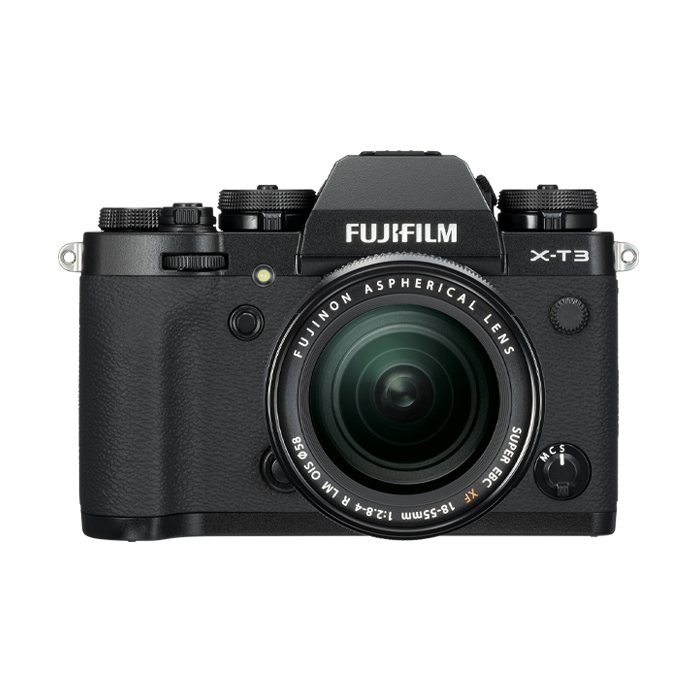
The Fujifilm X-T3 is a high-performance APS-C mirrorless camera that combines Fujifilm's classic retro design with modern imaging technology. Introduced in 2018, it brought significant improvements over the X-T2 through its 26.1MP X-Trans CMOS 4 sensor, X-Processor 4 image processor, faster autofocus, and advanced video recording capabilities.
Designed for photographers and videographers who want a versatile hybrid camera, the X-T3 delivers detailed photographs, responsive autofocus, and impressive continuous shooting performance. Its traditional top-plate dials provide direct control over shutter speed, ISO, and exposure compensation, making it appealing to photographers who prefer physical controls over menu-driven operation.
The X-T3 is also a capable video camera, supporting internal 4K recording at up to 60 frames per second and 10-bit 4:2:0 recording. Its HDMI output supports 10-bit 4:2:2 video, providing additional flexibility for external recording and professional post-production workflows. Dual UHS-II SD card slots make it useful for event photography and video projects where file redundancy is important.
However, the camera does not include in-body image stabilization (IBIS). Handheld video and low-light photography therefore benefit from optically stabilized lenses, careful shooting technique, or external stabilization equipment. Its rear screen also cannot flip forward for self-recording, and its NP-W126S battery may require frequent replacement during extended shoots.
For buyers considering a used camera, the Fujifilm X-T3 remains an attractive option for photography, event coverage, street photography, landscapes, and hybrid video production. Its combination of image quality, speed, and professional features offers considerable value when the used price and condition are right.
Key Specifications and Features
26.1MP X-Trans CMOS 4 Sensor
The X-T3 features a 26.1-megapixel back-illuminated APS-C X-Trans CMOS 4 sensor. Its design omits a conventional optical low-pass filter to help preserve fine detail, while Fujifilm's distinctive color-filter arrangement helps control moiré. The sensor provides excellent resolution for portraits, landscapes, street photography, events, and many wildlife applications.
The camera's standard sensitivity range starts at ISO 160, with additional extended settings available. Image quality remains competitive for many everyday photography needs, although results at high ISO settings depend on exposure, lighting, and the level of noise reduction applied.
X-Processor 4 Image Processing
The X-Processor 4 improves processing speed and supports the camera's advanced autofocus system, rapid continuous shooting, film simulations, and video functions. Together with the X-Trans CMOS 4 sensor, it gives the X-T3 a substantial performance advantage over earlier Fujifilm X-series models such as the X-T2.
Advanced Phase-Detection Autofocus
The X-T3 uses a hybrid autofocus system with up to 2.16 million phase-detection pixels distributed across the sensor's focus area. This enables fast focusing and improved subject tracking compared with previous-generation models. Face and eye detection are useful for portraits, events, and candid photography.
Although its autofocus remains capable, it does not offer the advanced AI-based animal, bird, and subject recognition found in many newer mirrorless cameras. Photographers who frequently track erratic wildlife or birds in flight should consider this limitation when comparing the X-T3 with more recent bodies.
High-Speed Continuous Shooting
The X-T3 can shoot at up to 11 frames per second with its mechanical shutter. With the electronic shutter, it can reach up to 20 frames per second at full resolution or up to 30 frames per second with a 1.25x crop, depending on the selected settings.
These high-speed options make the camera useful for sports, action, wildlife, and event photography. However, electronic shutter shooting can produce rolling-shutter distortion with fast-moving subjects, and burst duration depends on the file format, card speed, and camera settings.
4K Video and 10-Bit Recording
The X-T3 is a strong hybrid camera for its generation. It supports internal 4K video recording at up to 60p, including 10-bit 4:2:0 recording, while compatible HDMI output supports 10-bit 4:2:2 video to an external recorder. The camera also offers F-Log for filmmakers who want greater flexibility during color grading.
With compatible recording settings, the camera supports high-bitrate video up to 400Mbps. These capabilities make it suitable for interviews, documentaries, corporate productions, short films, and online video content. Recording options and maximum bitrates vary with resolution, frame rate, and other settings.
Classic Fujifilm Film Simulations
The X-T3 includes Fujifilm's film simulations, allowing photographers to choose different color and tonal treatments directly in the camera. Options include Provia, Velvia, Astia, Classic Chrome, and Eterna. These profiles can help produce attractive JPEG images and provide useful starting points for video workflows.
Three-Way Tilting LCD Screen
The rear LCD tilts upward and downward for low-angle and high-angle shooting. Its additional sideways articulation supports vertical compositions, making it useful for portrait photography and street work. Unlike a fully articulating screen, however, it cannot rotate forward to face the photographer, which limits its convenience for solo vlogging.
High-Resolution Electronic Viewfinder
The X-T3 features a 3.69-million-dot electronic viewfinder that provides a clear view of the scene. Its fast refresh options and responsive display make it useful for action photography, manual focusing, and composing in bright outdoor conditions.
Weather-Resistant Construction
The camera uses a magnesium-alloy body with weather-resistant sealing at numerous points. It is designed to operate in temperatures down to approximately -10°C (14°F) when used within its specified operating conditions. Weather resistance does not make the camera waterproof, and protection depends on the condition of the body and the lens or accessory attached.
Dual UHS-II SD Card Slots
Two SD card slots provide flexibility for professional photography and video work. Depending on the selected configuration, users can record backups to both cards, separate file types, or continue recording across cards. Using compatible UHS-II memory cards helps support faster writing and transferring of files.
No In-Body Image Stabilization
Unlike the Fujifilm X-H1 and X-T4, the X-T3 does not have sensor-shift image stabilization. For handheld still photography, optically stabilized lenses can help reduce camera shake at slower shutter speeds. For handheld video, an OIS-equipped lens, a tripod, or a gimbal may be useful depending on the type of movement being recorded.
Battery Life and Power Management
The X-T3 uses the NP-W126S rechargeable battery. Battery endurance depends on factors such as video recording, continuous autofocus, screen brightness, wireless connectivity, and temperature. Carrying spare batteries is advisable for all-day events, travel, and extended video sessions.
Key Specifications
Camera Type | Mirrorless interchangeable-lens camera |
Brand | Fujifilm |
Release Year | 2018 |
Sensor | 26.1MP APS-C X-Trans CMOS 4, back-illuminated |
Image Processor | X-Processor 4 |
Lens Mount | Fujifilm X mount |
Standard Base ISO | ISO 160 |
Autofocus System | Hybrid phase-detection and contrast-detection autofocus |
Mechanical Shutter Burst | Up to 11 fps |
Electronic Shutter Burst | Up to 20 fps at full resolution or 30 fps with a 1.25x crop, depending on settings |
Video Recording | Up to 4K/60p |
Internal Video Color | Up to 10-bit 4:2:0, depending on recording mode |
HDMI Output | Up to 10-bit 4:2:2 with compatible settings and equipment |
Maximum Video Bitrate | Up to 400Mbps with supported recording settings |
Image Stabilization | No in-body image stabilization |
Viewfinder | 3.69-million-dot electronic viewfinder |
Rear Display | Three-way tilting LCD touchscreen |
Memory Card Slots | Dual SD card slots with UHS-II support |
Battery | NP-W126S rechargeable lithium-ion battery |
Body Construction | Magnesium alloy with weather-resistant sealing |
Operating Temperature | Down to approximately -10°C (14°F) under specified conditions |
Body Weight | Approximately 539g with battery and memory card |
Best For | Hybrid photography and video, events, portraits, landscapes, and street photography |
Pros and Cons
Pros | Cons |
|---|---|
26.1MP sensor delivers detailed photographs with attractive Fujifilm color reproduction. | No in-body image stabilization for handheld stills or video. |
Fast hybrid autofocus offers improved face and eye detection over earlier X-T models. | Autofocus subject recognition is less sophisticated than that of newer mirrorless cameras. |
Mechanical shooting up to 11 fps and electronic shooting up to 30 fps with a crop. | Electronic shutter can produce rolling-shutter distortion with fast-moving subjects. |
4K/60p video and 10-bit recording provide strong video capabilities for its generation. | Video creators may need OIS lenses, a tripod, or a gimbal for smoother handheld footage. |
Dual UHS-II SD card slots support simultaneous backups and flexible recording options. | NP-W126S battery endurance may be limiting during long shoots. |
Physical exposure dials provide intuitive control without relying entirely on menus. | The rear LCD cannot flip forward for convenient self-recording. |
Weather-resistant magnesium-alloy body is suitable for demanding outdoor photography when properly maintained. | Older hardware lacks some modern connectivity and subject-tracking features. |
High-resolution electronic viewfinder supports detailed composition and focusing. | Used-camera condition and remaining battery health can vary significantly. |
Who Should Buy This Lens?
Although this section uses the requested heading, the Fujifilm X-T3 is a camera body rather than a lens.
1. Independent Filmmakers and Hybrid Content Creators
The X-T3 is a compelling choice for creators who need both high-quality still photographs and advanced video recording in one body. Its 4K/60p capability, 10-bit recording options, F-Log, and high-bitrate video support provide flexibility for documentaries, interviews, corporate videos, and online content.
Its dual SD card slots are especially useful for event and corporate work where recording duplicate files can reduce the risk of losing important footage. Creators should remember that the camera lacks IBIS, so handheld movement may require an optically stabilized lens or external stabilization equipment.
2. Event, Action, and Portrait Photographers
The X-T3's fast autofocus, face and eye detection, and high-speed continuous shooting make it suitable for weddings, parties, portraits, and many action scenarios. Its mechanical shutter reaches up to 11 fps, while the electronic shutter provides faster burst options when conditions are appropriate.
For fast action, the electronic shutter's potential rolling-shutter distortion should be considered. Photographers who frequently shoot unpredictable subjects may also benefit from the improved tracking and subject-recognition systems available in newer camera generations.
3. Landscape and Street Photography Enthusiasts
The 26.1MP sensor provides plenty of detail for landscape images, travel photography, and everyday street scenes. The three-way tilting screen helps compose images from low or high viewpoints, while the physical shutter-speed and ISO dials give photographers direct control over exposure.
The weather-resistant construction is useful for outdoor work, provided the camera and lens are in good condition and appropriate precautions are taken in wet or dusty environments. Landscape photographers who regularly work at slow shutter speeds should consider a tripod or an optically stabilized lens because the X-T3 does not have IBIS.
4. Fujifilm Users Upgrading from Older Bodies
Photographers moving from the Fujifilm X-T2, X-T20, or another earlier X-series body may appreciate the X-T3's higher-resolution sensor, faster processor, improved autofocus, and stronger video features. It preserves the traditional Fujifilm shooting experience while offering a substantial performance upgrade over several older models.
Existing Fujifilm X-mount lens owners can continue using compatible lenses, making the body an appealing upgrade without requiring a completely new lens collection.
5. Who Should Look Elsewhere?
Run-and-gun handheld videographers: Consider the Fujifilm X-T4 or X-S20 if in-body stabilization is important for handheld shooting.
Solo vloggers: A camera with a fully articulating front-facing screen may be more convenient for framing yourself while recording.
Bird and wildlife photographers who need advanced tracking: Newer bodies with more sophisticated animal and bird recognition may provide more consistent results with erratic subjects.
Minimalist travel photographers: Consider the smaller Fujifilm X-T20 or X-E3 if portability matters more than the X-T3's advanced video features and dual card slots.
Creators needing the latest video tools: Compare newer cameras if your workflow depends on more modern recording formats, autofocus behavior, or monitoring features.
Buying Recommendation
The Fujifilm X-T3 is worth considering on the used market if you want a capable APS-C camera with strong image quality, fast shooting, advanced video recording, and professional-oriented controls. Its value depends on the asking price, physical condition, shutter usage, included accessories, and the availability of a seller warranty.
Used Price and Value
The used price can vary considerably depending on condition, market demand, accessories, and retailer policies. A body-only price in the $750–$950 range should be treated as a market estimate rather than a guaranteed current value. Compare current listings from reputable used-camera retailers and private sellers before making a purchase.
When comparing prices, consider whether the camera includes the original battery, charger, body cap, and accessories. A retailer-tested body with a return period or warranty may be worth paying more for than a cheaper private sale with limited protection.
What to Check Before Buying
Sensor condition: Inspect images for unusual spots, lines, or other signs of sensor damage.
Autofocus performance: Test single-shot autofocus, continuous autofocus, face detection, and eye detection.
Shutter operation: Test both mechanical and electronic shutter modes and check for error messages or unusual behavior.
Memory card slots: Verify that both SD card slots can read and write compatible cards correctly.
Rear screen and EVF: Check the LCD articulation, touchscreen response, electronic viewfinder, and diopter adjustment.
Video recording: Record short clips at several settings to check for recording errors, overheating warnings, or connection problems.
Ports and controls: Inspect the HDMI, USB, microphone, and headphone connections, as well as all dials and buttons.
Weather-resistant body: Look for impact damage, corrosion, or evidence of moisture exposure. Do not assume a used camera retains its original weather resistance.
Battery condition: Test the included NP-W126S battery and budget for spares if you plan to shoot events or long videos.
Recommended Accessories
Spare NP-W126S batteries: Useful for extended shooting days and travel.
Fast UHS-II SD cards: Help support high-bitrate video recording and rapid file transfers.
Optically stabilized Fujifilm lenses: Provide additional help with camera shake because the X-T3 lacks IBIS.
Tripod or gimbal: Useful for stable interviews, landscape photography, and smoother moving video shots.
External recorder or monitor: May benefit video workflows that require compatible HDMI recording or a larger viewing screen.
Recommended Alternatives
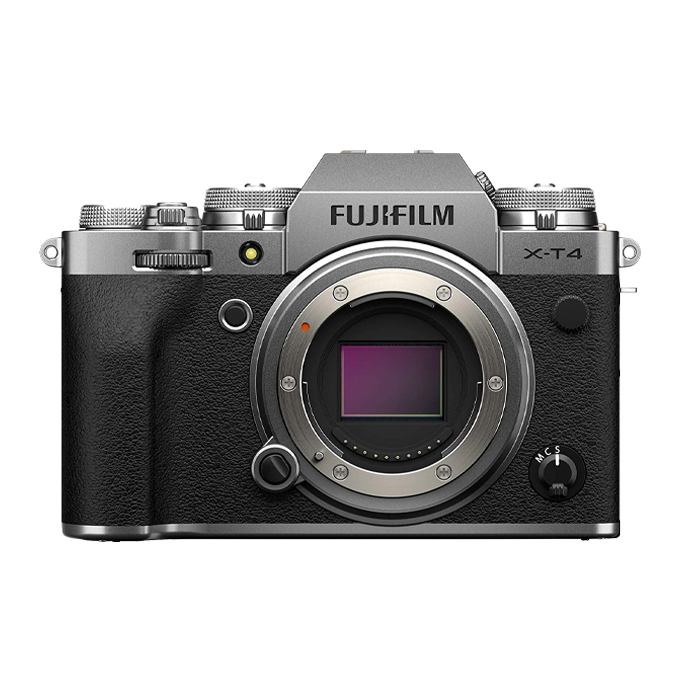
Fujifilm X-T4: A natural upgrade for users who want a similar shooting experience with the addition of in-body image stabilization and a fully articulating screen.
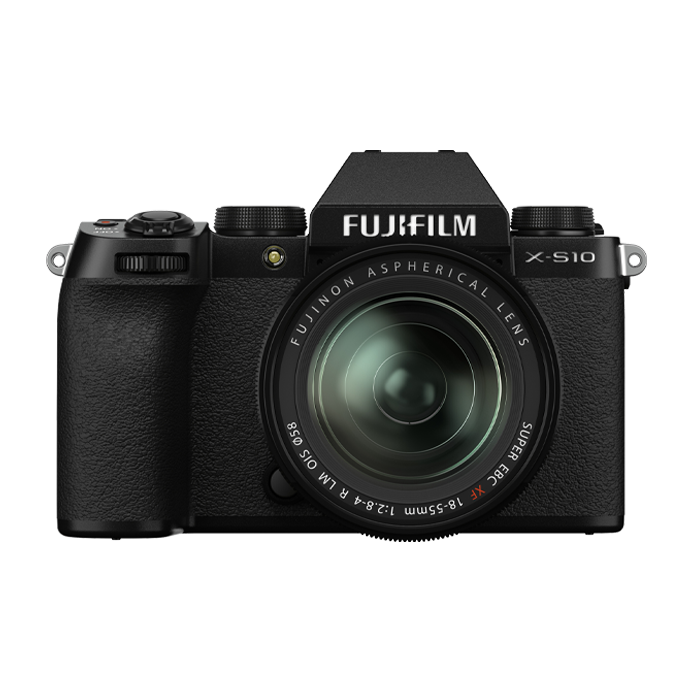
Fujifilm X-S20: Worth considering for hybrid creators who want IBIS, newer autofocus capabilities, and contemporary video features.
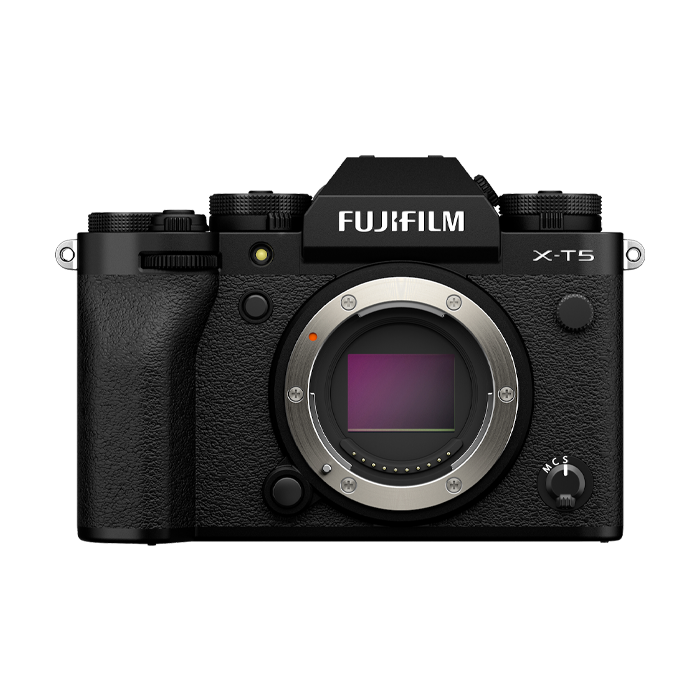
Fujifilm X-T5: A stronger option for photographers who want higher resolution, newer autofocus features, and a more recent generation of technology.
Fujifilm X-T20: A smaller, lighter, and generally simpler alternative for casual photography and travel.
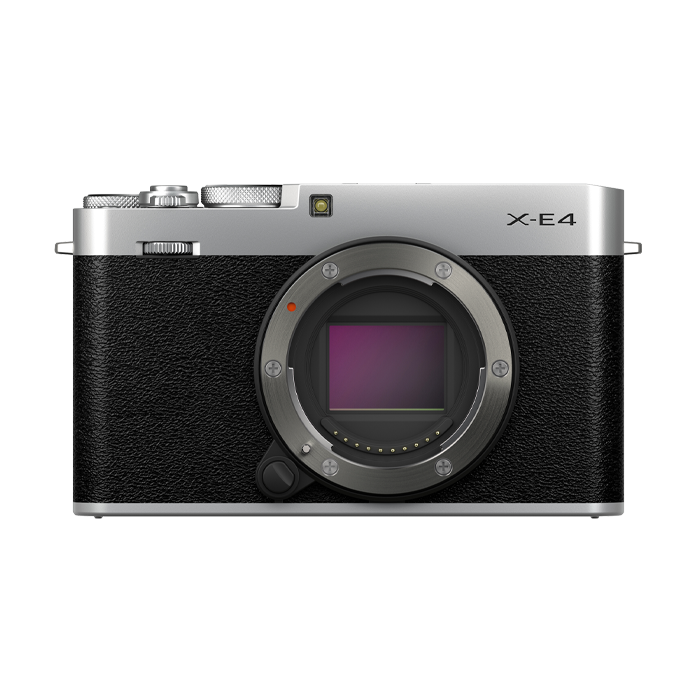
Fujifilm X-E3: An option for photographers who prefer a compact rangefinder-style body and traditional still-photography controls.
Final Verdict
The Fujifilm X-T3 remains a highly capable APS-C mirrorless camera that balances excellent image quality, fast autofocus, high-speed continuous shooting, and advanced video recording. Its 26.1MP sensor, 4K/60p video capabilities, dual UHS-II card slots, and tactile physical controls make it a versatile choice for photographers and filmmakers alike.
Its biggest limitations are the lack of in-body image stabilization, relatively modest battery endurance, and autofocus technology that predates the latest subject-recognition systems. The fixed three-way tilting screen is excellent for many still-photography compositions but less convenient for self-recording than a fully articulating display.
For event photographers, street photographers, landscape enthusiasts, and hybrid creators who already own Fujifilm X-mount lenses, the X-T3 can still deliver excellent results. A well-maintained used body may offer considerable value for buyers who do not need the newest autofocus or stabilization features.
Overall recommendation: Choose the Fujifilm X-T3 if you want a fast, versatile camera with strong still-image quality, professional video options, and traditional physical controls. If handheld video stabilization, front-facing screen articulation, or advanced wildlife tracking is essential, consider a newer model such as the Fujifilm X-T4, X-S20, or X-T5 instead.
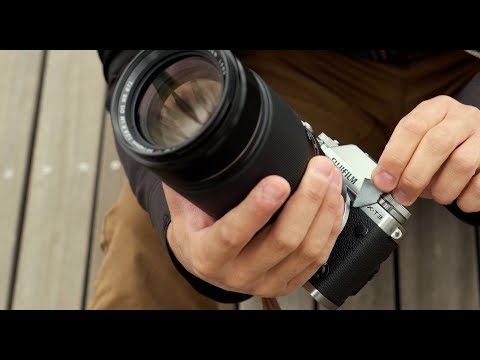
Video Reviews

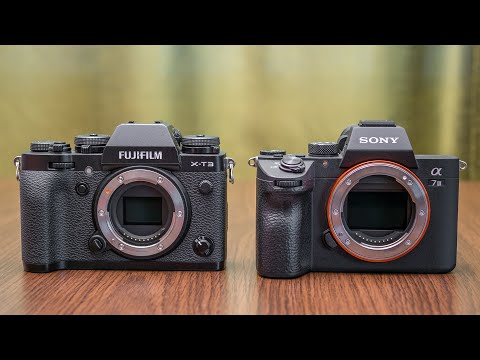
Video Comparisons
Sample Images