Overview
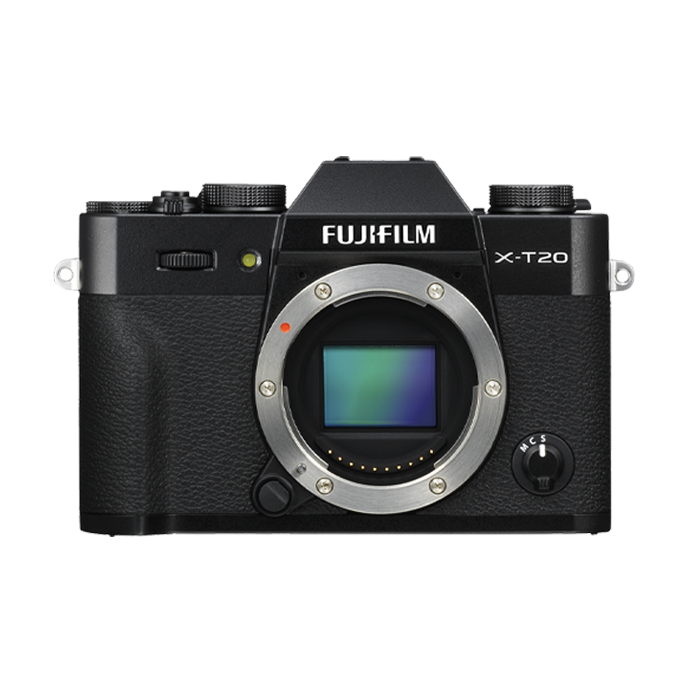
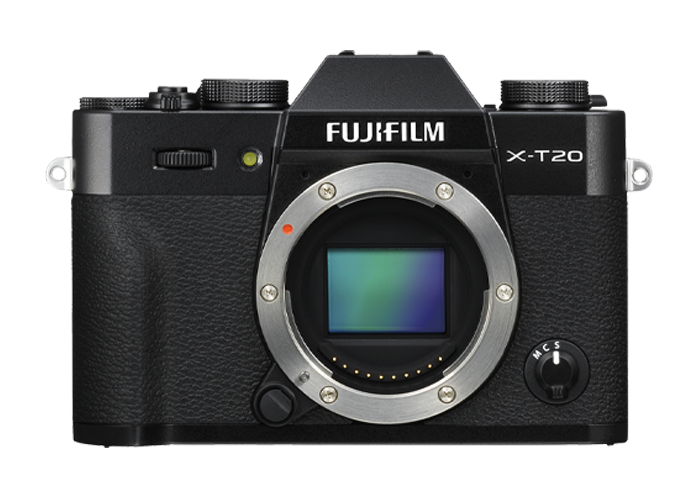
The Fujifilm X-T20 is a compact APS-C mirrorless camera introduced in 2017, designed for photography enthusiasts, travelers, students, and everyday photographers who want excellent image quality in a lightweight body. It features a 24.3-megapixel X-Trans CMOS III sensor and Fujifilm's X-Processor Pro image processor, the same sensor and processor generation used in the higher-end Fujifilm X-T2.
One of the X-T20's main attractions is its combination of traditional camera controls and modern conveniences. Dedicated shutter-speed and exposure-compensation dials provide a tactile shooting experience, while the 3-inch tilting touchscreen makes it easier to compose images from high or low angles. Its compact design and built-in electronic viewfinder also make it practical for travel, street photography, and everyday use.
Fujifilm's Film Simulation modes, including Provia, Velvia, and Classic Chrome, allow photographers to create distinctive JPEG images directly in camera. The X-T20 also supports 4K video recording at up to 30 frames per second, continuous shooting at up to 8 fps with the mechanical shutter, and up to 14 fps with the electronic shutter under supported conditions.
However, the X-T20 is an older camera with several limitations. It lacks weather sealing and in-body image stabilization, and its video recording options are more restricted than those of newer models. Its autofocus system also lacks modern AI-based subject recognition. Despite these compromises, the X-T20 remains an appealing option for photographers who prioritize portability, attractive color rendering, and hands-on controls over the latest technology.
Key Specifications and Features
24.3MP X-Trans CMOS III Sensor
The X-T20 features a 24.3-megapixel APS-C X-Trans CMOS III sensor paired with the X-Processor Pro. This combination delivers detailed images with attractive color reproduction and good overall image quality. Because the X-T20 and X-T2 share the same sensor and processor generation, their image quality can be similar under comparable conditions, although differences in autofocus performance, handling, and shooting settings can affect real-world results.
Fujifilm Film Simulation Modes
Fujifilm's Film Simulation modes are a major reason photographers choose the X-T20. Provia provides a balanced, natural-looking rendering, Velvia emphasizes vivid colors and contrast, and Classic Chrome offers a more subdued appearance suited to documentary and travel photography. These profiles help photographers produce attractive JPEG images with minimal editing, while RAW capture provides additional flexibility during post-processing.
Traditional Controls and Automatic Shooting
The X-T20 combines dedicated physical dials for shutter speed and exposure compensation with an intuitive menu system. Its Auto mode lever allows users to switch quickly to automatic shooting, making the camera approachable for beginners. More experienced photographers can gradually take control of ISO, shutter speed, aperture, and other exposure settings as their skills develop.
Tilting Touchscreen and Electronic Viewfinder
The 3-inch rear LCD tilts upward and downward, helping photographers compose images from low or high angles. Its touchscreen functionality supports convenient touch-based operation, including focus selection and other supported controls. The built-in 2.36-million-dot electronic viewfinder provides an alternative for eye-level composition and is particularly useful in bright outdoor conditions.
Continuous Shooting Performance
The X-T20 supports continuous shooting at up to 8 frames per second with the mechanical shutter and up to 14 frames per second with the electronic shutter in supported configurations. This provides useful flexibility for everyday action, family events, and occasional sports photography. However, burst speed alone does not determine how reliably a camera tracks a moving subject, and the X-T20's autofocus system is less sophisticated than those in newer mirrorless cameras.
4K Video Recording
The camera records 4K UHD video at up to 30 frames per second, providing detailed footage for personal projects, travel clips, and occasional video production. Its video capabilities are more limited than those of modern creator-focused cameras, and 4K recording is subject to a maximum clip duration of approximately 10 minutes per clip under the camera's specified conditions. The screen also cannot fully rotate forward for convenient self-recording.
Compact and Lightweight Body
Weighing approximately 383 grams with the battery and memory card, the X-T20 is easy to carry throughout the day when paired with a compact lens. Its retro styling and relatively small body make it suitable for travel, street photography, and casual outings. However, the camera is not weather-sealed, so extra protection is necessary in rain, dusty environments, and other challenging conditions.
Built-In Flash and Wireless Connectivity
The X-T20 includes a built-in pop-up flash that can provide fill light for portraits and nearby subjects. Built-in Wi-Fi supports compatible wireless image-transfer and remote-control workflows. These features add convenience for everyday photography and sharing images without requiring a separate flash or a wired connection for every transfer.
Lens Compatibility and Image Stabilization
The camera uses Fujifilm's X mount and is compatible with a wide selection of X-mount lenses. The body does not include in-body image stabilization (IBIS), so photographers who want optical stabilization should select a lens equipped with Fujifilm's Optical Image Stabilization (OIS), where available. A tripod or other support can also help when shooting static subjects at slower shutter speeds.
Connectivity and Audio Limitations
The X-T20 uses a Micro USB connection rather than USB-C and features a 2.5mm microphone input rather than the more common 3.5mm size. A suitable adapter may be needed for microphones with a 3.5mm plug. The camera does not provide a headphone output for monitoring audio, which limits its usefulness for more demanding video-production workflows.
Key Specifications
Specification | Fujifilm X-T20 |
|---|---|
Camera Type | Mirrorless digital camera |
Release Year | 2017 |
Sensor | 24.3MP APS-C X-Trans CMOS III |
Image Processor | Fujifilm X-Processor Pro |
Lens Mount | Fujifilm X mount |
Autofocus System | Hybrid phase-detection and contrast-detection autofocus |
Mechanical Shutter Burst Rate | Up to 8 fps |
Electronic Shutter Burst Rate | Up to 14 fps in supported configurations |
Maximum Video Resolution | 4K UHD |
Maximum 4K Frame Rate | Up to 30p |
4K Clip Duration | Approximately 10 minutes per clip under specified conditions |
Rear Display | 3-inch tilting touchscreen LCD |
Electronic Viewfinder | Built-in, approximately 2.36 million dots |
Film Simulation Modes | Includes Provia, Velvia, Classic Chrome, and other Fujifilm profiles |
Built-In Flash | Yes, pop-up flash |
Memory Card Slot | One SD card slot supporting UHS-I |
Image Stabilization | No in-body stabilization; compatible lenses may provide OIS |
Weather Sealing | Not weather-sealed |
Microphone Input | 2.5mm external microphone input |
Headphone Output | Not available |
USB Connection | Micro USB |
Wireless Connectivity | Wi-Fi |
Battery | Fujifilm NP-W126S rechargeable lithium-ion battery |
Weight | Approximately 383g with battery and memory card |
Best For | Travel, street, everyday, portrait, and enthusiast photography |
Pros and Cons
Pros | Cons |
|---|---|
24.3MP APS-C sensor delivers detailed images and attractive color reproduction. | No weather sealing, so the body needs protection in rain and dusty conditions. |
Shares its sensor and processor generation with the higher-end X-T2. | No in-body image stabilization. |
Fujifilm Film Simulation modes produce distinctive JPEG images straight out of the camera. | Older autofocus tracking is less capable than modern subject-recognition systems. |
Compact, lightweight body is convenient for travel and everyday photography. | Single SD card slot does not offer in-camera duplicate-card backup. |
Dedicated exposure dials provide a tactile shooting experience. | 4K recording is limited to approximately 10 minutes per clip under specified conditions. |
Tilting touchscreen and built-in electronic viewfinder support flexible composition. | The LCD cannot fully rotate forward for vlogging. |
Mechanical and electronic shutter options provide useful burst-shooting flexibility. | Electronic shutter use can introduce rolling-shutter distortion with fast movement. |
Built-in pop-up flash is useful for occasional fill light. | No headphone output, and the 2.5mm microphone input may require an adapter. |
Built-in Wi-Fi supports compatible wireless transfer and remote-control functions. | Micro USB is older than the USB-C connections found on many modern cameras. |
Who Should Buy This Lens?
Although this section is titled “Who Should Buy This Lens?”, the Fujifilm X-T20 is a camera body rather than a lens. It is best suited to photographers who want a lightweight camera with excellent still-image quality, distinctive color profiles, and intuitive physical controls without paying for a newer high-end model.
Travel and Everyday Photographers
The X-T20's compact body and relatively light weight make it convenient for vacations, city walks, family outings, and daily photography. When paired with a small prime lens or compact zoom, it can form a portable camera system that is easy to carry for extended periods. The electronic viewfinder is also useful when bright sunlight makes the rear display difficult to see.
Street and Candid Photographers
The retro design, direct exposure controls, and tilting screen make the X-T20 appealing for street photography. The screen can be tilted upward for waist-level compositions, while Film Simulation modes offer creative rendering without requiring extensive editing. As with any camera, considerate shooting practices and awareness of the surroundings remain important when photographing people in public.
Beginners and Photography Students
The dedicated Auto mode lever provides a straightforward starting point, while the physical dials help users learn how shutter speed and exposure compensation affect their photographs. Its 24.3MP sensor offers enough resolution for a wide range of personal projects, online publishing, and many print applications. A used X-T20 can be an attractive learning tool if the price and condition are right.
Landscape and Portrait Photographers
The sensor can capture detailed landscape and portrait images when combined with a suitable lens and good shooting technique. Film Simulation modes provide different starting points for color and contrast, and RAW files allow more extensive adjustments later. For landscape work in low light, a tripod can help compensate for the lack of in-body image stabilization.
Photographers Who Prefer Fujifilm Colors
Photographers who enjoy producing finished JPEG images in camera may appreciate the X-T20's Film Simulation modes. Provia, Velvia, and Classic Chrome offer different visual styles for travel, nature, street, and everyday subjects. This can reduce editing time for photographers who prefer a consistent look straight out of the camera.
Who Should Consider Another Camera?
Outdoor photographers who regularly work in rain, heavy dust, or demanding weather should consider a weather-sealed body such as the Fujifilm X-T2, paired with an appropriately weather-resistant lens. The X-T20 is not designed for the same level of environmental protection.
Vloggers and video creators may prefer a newer camera with a fully articulating screen, longer recording options, modern video features, and headphone monitoring. Wildlife and sports photographers who frequently track fast-moving subjects should also consider newer bodies with more advanced autofocus and subject recognition.
Buying Recommendation
The Fujifilm X-T20 is worth considering if still photography is your main priority and you want a compact camera with traditional controls and Fujifilm's distinctive color rendering. Since it is an older model, it is primarily a used-market purchase, so its value depends on current prices, condition, and the accessories included.
Before buying, consider the following factors:
Check the camera's condition: Inspect the sensor, touchscreen, electronic viewfinder, dials, buttons, card slot, battery compartment, and ports. Test autofocus and confirm that the camera records and plays back images correctly.
Evaluate battery health: The NP-W126S battery is an older design, so check its condition and budget for spare batteries if you plan to shoot all day.
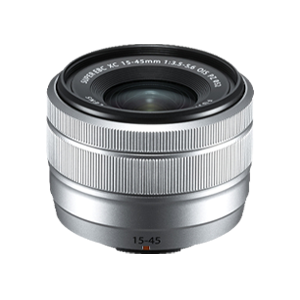
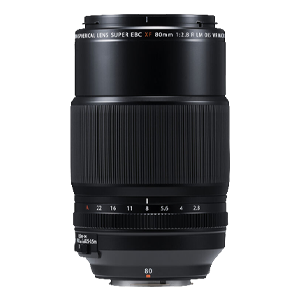
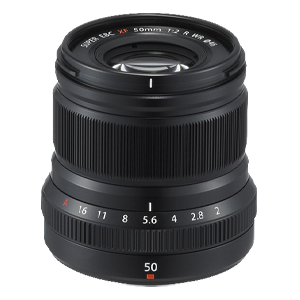
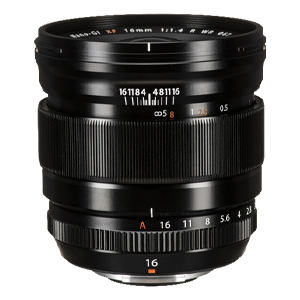
Choose an appropriate lens: A compact prime lens is useful for street and travel photography, while a stabilized zoom can provide greater flexibility for everyday shooting.
Understand the weather limitations: The body is not weather-sealed, so use suitable protection when photographing outdoors in uncertain conditions.
Consider video restrictions: If you need long uninterrupted 4K recordings, advanced audio monitoring, or convenient self-recording, compare the X-T20 with newer video-focused cameras.
Compare used prices carefully: The value of a pre-owned camera varies with condition, shutter count, included lens, accessories, and seller reputation. Do not assume an advertised price is representative of the current market.
Compare the total system cost: Include lenses, batteries, memory cards, and any microphone adapters you may need.
For someone who primarily photographs travel, street scenes, landscapes, portraits, and family events, the X-T20 can provide a rewarding experience without the size and expense of a professional camera system. However, photographers who need environmental protection, advanced autofocus tracking, or more capable video tools should weigh the benefits of a newer model against the savings of buying used.
Final Verdict
The Fujifilm X-T20 remains an appealing compact mirrorless camera for enthusiasts, students, and travelers who prioritize still-image quality, hands-on exposure controls, and attractive in-camera color. Its 24.3MP X-Trans CMOS III sensor, X-Processor Pro, tilting touchscreen, electronic viewfinder, and Film Simulation modes provide a capable foundation for everyday photography.
Its main compromises are the lack of weather sealing and in-body image stabilization, a single memory card slot, restricted 4K clip duration, and an older autofocus system. These limitations are manageable for many photography-focused users but matter more for challenging outdoor conditions, fast wildlife, and modern video-production workflows.
Final recommendation: Consider the Fujifilm X-T20 if you want a portable, photography-focused camera that delivers distinctive Fujifilm colors and traditional controls at a reasonable used-market price. If weather resistance, advanced subject tracking, or extended video recording is essential, compare it with newer Fujifilm models or the more rugged X-T2 before making your decision.
Video Reviews
Video Comparisons
Sample Images