Overview
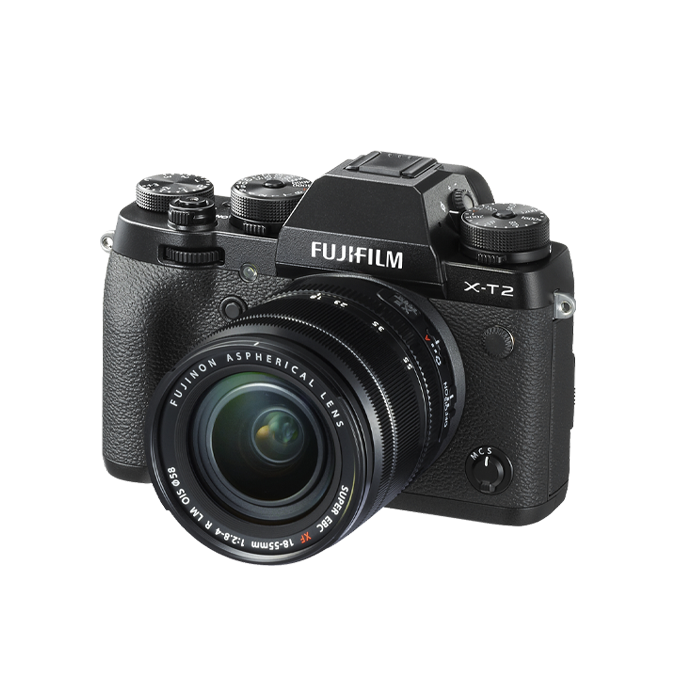
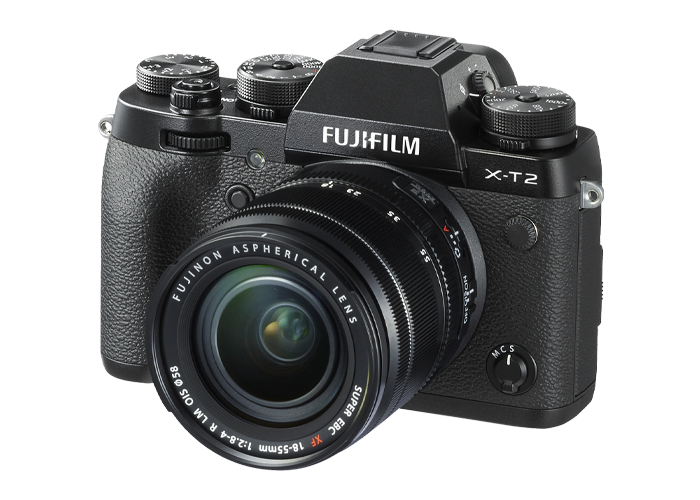
The Fujifilm X-T2 is a premium APS-C mirrorless camera introduced in 2016, designed for photographers who appreciate traditional camera controls, durable construction, and Fujifilm's distinctive color reproduction. With a 24.3-megapixel X-Trans CMOS III sensor and the X-Processor Pro image processor, it delivers detailed photographs, attractive color, and a satisfying hands-on shooting experience.
One of the X-T2's defining characteristics is its film-camera-inspired control layout. Dedicated physical dials for ISO, shutter speed, and exposure compensation make it easy to adjust exposure settings directly without navigating extensive menus. Fujifilm's Film Simulation modes, including Classic Chrome, ACROS, and Velvia, offer different color and monochrome styles directly in camera, making it possible to produce distinctive JPEG images with minimal post-processing.
The camera also features a weather-resistant magnesium-alloy body, dual SD card slots that support UHS-II cards, and a three-direction tilting LCD screen. These features make it a capable option for street, travel, landscape, portrait, and documentary photography. Its ability to record 4K video adds versatility, although its video features and autofocus tracking are less advanced than those found in newer mirrorless cameras.
The Fujifilm X-T2 does have some important limitations. It lacks in-body image stabilization, a touchscreen, and a fully front-facing display. Its battery life is modest by modern standards, and its autofocus system does not offer the sophisticated subject recognition available in recent cameras. Nevertheless, photographers who value tactile controls, dependable build quality, and creative image rendering may still find it an appealing used-camera purchase.
Key Specifications and Features
24.3MP X-Trans CMOS III Sensor
The X-T2 uses a 24.3-megapixel APS-C X-Trans CMOS III sensor paired with Fujifilm's X-Processor Pro. Its distinctive color-filter array is designed to reduce moiré without requiring a conventional optical low-pass filter. The result is detailed image capture when paired with a capable lens, making the camera suitable for landscapes, architecture, portraits, street photography, and everyday shooting.
Traditional Physical Exposure Controls
The camera's dedicated top dials provide direct control over shutter speed, ISO, and exposure compensation. This layout appeals to photographers who prefer to see their exposure settings at a glance and make adjustments without relying entirely on menus. Aperture can be controlled through compatible lenses with aperture rings or through the camera's available controls, depending on the lens and configuration.
Fujifilm Film Simulation Modes
Fujifilm's Film Simulation modes are a major attraction of the X-T2. Classic Chrome produces subdued colors and a distinctive documentary-style appearance, ACROS provides detailed black-and-white rendering, and Velvia emphasizes vivid color and contrast. These profiles give photographers creative options directly in camera, especially when shooting JPEGs. RAW files can also be processed later to provide greater flexibility over the final look.
Weather-Resistant Magnesium-Alloy Body
The X-T2 features a robust magnesium-alloy body with weather-resistant sealing designed to help protect against dust and moisture when used with appropriately weather-resistant lenses and accessories. It is also rated for operation in temperatures down to approximately -10°C (14°F). These characteristics make it suitable for outdoor photography, although weather sealing should not be treated as a guarantee against water damage or extreme conditions.
Dual UHS-II SD Card Slots
The camera includes two SD memory card slots, with support for UHS-II cards. Photographers can configure the slots for different workflows, such as recording RAW files to one card and JPEG files to the other, extending storage capacity, or writing duplicate files for backup. Simultaneous backup is particularly useful for events, travel, and assignments where losing images would be costly.
Three-Direction Tilting LCD Screen
The 3-inch rear LCD screen tilts upward and downward for low- and high-angle compositions and can also move sideways for portrait-orientation shooting. This design is useful for landscapes, street photography, and tripod work. However, the screen does not support touch controls and cannot fully rotate forward for convenient self-recording.
Electronic Viewfinder and Continuous Shooting
The X-T2 features a built-in electronic viewfinder that provides an eye-level composition option, which is particularly useful in bright sunlight. Its mechanical shutter supports continuous shooting at up to 8 frames per second under appropriate conditions, with higher burst rates available using compatible boost configurations. This provides useful performance for general action and event photography, although newer cameras offer more advanced tracking and subject recognition.
4K Video Recording
The X-T2 supports 4K video recording, offering a useful option for photographers who occasionally produce video content. Its footage can provide attractive detail and color, but the camera lacks many of the modern video conveniences available on newer models. It does not have in-body image stabilization, and its screen and autofocus capabilities make it less convenient for solo vlogging and demanding handheld video work.
Autofocus Performance
The X-T2 uses a hybrid autofocus system combining phase-detection and contrast-detection technologies. It can focus effectively for portraits, everyday subjects, and many moving subjects when configured appropriately. However, it lacks modern AI-based subject recognition and advanced animal-eye tracking found in newer mirrorless cameras. Photographers who regularly shoot birds in flight, unpredictable wildlife, or fast sports may benefit from a newer camera with more sophisticated tracking.
Battery Life and Stabilization
The X-T2 uses the Fujifilm NP-W126S rechargeable battery and is rated for approximately 340 frames per charge under standard CIPA testing conditions, depending on the selected operating mode. Actual results vary with temperature, autofocus use, display settings, and video recording. Carrying spare batteries is advisable for long outings. The camera has no in-body image stabilization, so stabilized lenses, a tripod, or other support may be necessary when shooting at slower shutter speeds or recording handheld video.
Key Specifications
Specification | Fujifilm X-T2 |
|---|---|
Camera Type | Mirrorless digital camera |
Release Year | 2016 |
Sensor | 24.3MP APS-C X-Trans CMOS III |
Image Processor | Fujifilm X-Processor Pro |
Lens Mount | Fujifilm X mount |
Image Stabilization | No in-body image stabilization; compatible lenses may provide optical stabilization |
Autofocus System | Hybrid phase-detection and contrast-detection autofocus |
Continuous Shooting | Up to 8 fps with the mechanical shutter; higher rates available in supported boost configurations |
Maximum Video Resolution | 4K UHD |
Electronic Viewfinder | Built-in electronic viewfinder |
Rear Display | 3-inch, three-direction tilting LCD |
Touchscreen | Not supported |
Film Simulation Modes | Includes Classic Chrome, ACROS, Velvia, and other Fujifilm profiles |
Memory Card Slots | Two SD card slots with UHS-II support |
Body Construction | Magnesium-alloy body with weather-resistant sealing |
Low-Temperature Rating | Approximately -10°C (14°F), under specified operating conditions |
Battery | Fujifilm NP-W126S rechargeable lithium-ion battery |
Rated Battery Life | Approximately 340 frames per charge under standard testing conditions |
Built-in Flash | No built-in flash; compatible external flash units can be used |
Best For | Street, travel, landscape, portrait, and documentary photography |
Pros and Cons
Pros | Cons |
|---|---|
Detailed 24.3MP APS-C sensor with attractive color reproduction. | Older autofocus tracking is less advanced than modern subject-recognition systems. |
Dedicated ISO, shutter-speed, and exposure-compensation dials provide intuitive manual control. | No touchscreen for tap-to-focus or touch-based menu operation. |
Fujifilm Film Simulation modes create distinctive JPEG images straight out of the camera. | No in-body image stabilization. |
Durable magnesium-alloy body with weather-resistant sealing. | Weather protection depends on conditions and the use of appropriately sealed lenses. |
Dual SD card slots support backup and flexible storage workflows. | Battery life is relatively modest, making spare batteries useful for extended outings. |
Three-direction tilting LCD helps with low-angle and portrait-orientation compositions. | The screen does not fully flip forward for vlogging. |
Built-in electronic viewfinder is useful in bright outdoor conditions. | Video features and recording conveniences are less modern than those of newer cameras. |
4K video recording adds versatility for occasional video projects. | No built-in flash and no modern AI-based animal-eye tracking. |
Who Should Buy This Lens?
Although this section is titled “Who Should Buy This Lens?”, the Fujifilm X-T2 is a camera body rather than a lens. It is particularly appealing to photographers who value direct manual controls, Fujifilm's color profiles, and a durable camera body more than the latest autofocus and video technology.
Street, Travel, and Documentary Photographers
The compact mirrorless design, built-in electronic viewfinder, and dedicated exposure dials make the X-T2 well suited to street and travel photography. Photographers can change settings quickly and choose Film Simulation profiles that suit the mood of a scene. Its relatively unobtrusive design can also be useful for candid documentary work, although the camera's appearance alone does not guarantee discreet shooting.
Students and Photography Enthusiasts
The X-T2 provides a practical way to learn exposure, focus, composition, and lens selection using physical controls. Its dual card slots, electronic viewfinder, and weather-resistant body offer useful features for serious learning and photography projects. Because it is an older model, used examples may be available at a lower cost than newer cameras, but condition, shutter count, included accessories, and battery health should be checked carefully.
Landscape and Architecture Photographers
The 24.3MP sensor can capture fine detail when paired with a sharp lens and appropriate technique. The tilting LCD helps with low-angle compositions and tripod-based work, while the weather-resistant body is useful for outdoor assignments. A tripod can compensate for the lack of in-body stabilization when photographing static scenes at slower shutter speeds.
Portrait Photographers and JPEG Shooters
Fujifilm's Film Simulation modes make it easy to develop a consistent visual style without extensive editing. Portrait photographers can use suitable X-mount lenses to control depth of field and rendering, while JPEG shooters can select a profile that matches their preferred color and contrast. RAW capture remains available for photographers who want more flexibility during post-processing.
Who Should Consider Another Camera?
Vloggers and solo video creators may find the X-T2 inconvenient because its screen does not face forward and it lacks touchscreen operation and in-body image stabilization. Those who frequently record handheld video may need an optically stabilized lens or external support to reduce camera shake.
Wildlife, bird-in-flight, and sports photographers who depend on reliable tracking of fast or erratic subjects should also compare the X-T2 with newer cameras. Although it remains capable for many types of action photography, its autofocus system lacks the advanced subject recognition and tracking performance offered by newer models.
Buying Recommendation
The Fujifilm X-T2 is worth considering for photographers who want a well-built APS-C camera with traditional controls and distinctive in-camera color rendering. It can be particularly appealing on the used market, where its value depends on the camera's condition, included accessories, and the current prices of competing models.
Before purchasing, consider the following points:
Choose the X-T2 for hands-on photography: Its dedicated physical dials make it enjoyable for photographers who prefer direct control over exposure settings.
Evaluate the camera's condition: Check the sensor, electronic viewfinder, LCD hinge, dials, card slots, battery compartment, ports, and weather seals. Ask about the shutter count and any history of impact or moisture exposure.
Budget for extra batteries: The NP-W126S battery's rated life is modest, especially for long days of photography or video work.
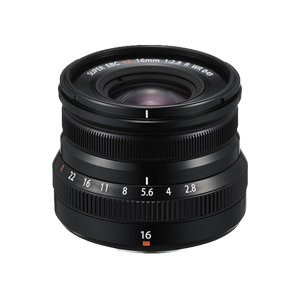
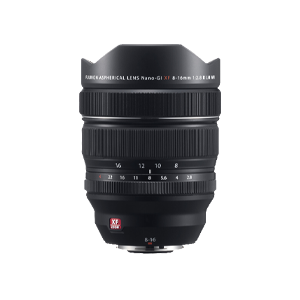
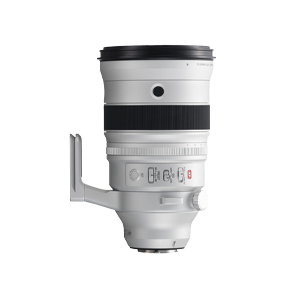
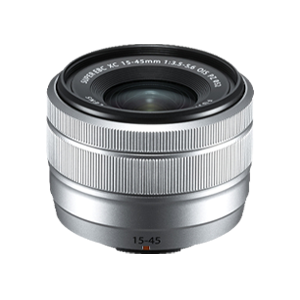
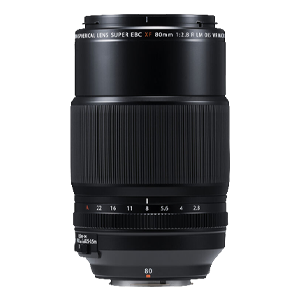
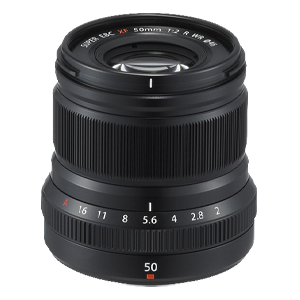
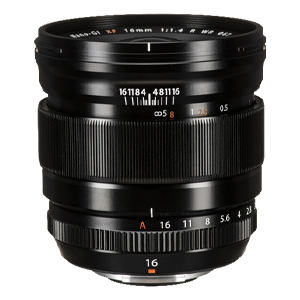
Select the right lens: Fujifilm X-mount lenses cover a wide range of uses, from compact street primes to wide-angle landscape lenses and telephoto options for wildlife.
Consider your stabilization needs: The X-T2 has no IBIS, so optical stabilization in the lens or external support can be important for slower shutter speeds and handheld video.
Compare newer alternatives: If you need advanced subject tracking, a touchscreen, improved video tools, or a more modern autofocus system, a newer Fujifilm body may better suit your workflow.
Compare the total system cost: Include the lens, batteries, memory cards, and any accessories you need rather than comparing body prices alone.
For street, travel, portrait, and landscape photography, the X-T2 can still be a rewarding camera if its physical controls and image rendering match your preferences. For fast-moving wildlife, advanced video production, or frequent self-recording, newer camera designs may provide meaningful advantages.
Final Verdict
The Fujifilm X-T2 remains a capable APS-C mirrorless camera for photographers who value tactile controls, dependable construction, and Fujifilm's Film Simulation modes. Its 24.3MP X-Trans CMOS III sensor, built-in electronic viewfinder, dual UHS-II SD card slots, and three-direction tilting screen provide a useful combination for still photography.
Its age is most apparent in autofocus tracking, battery endurance, video convenience, and the absence of a touchscreen and in-body image stabilization. These limitations are manageable for many photography-focused users but may be more significant for wildlife action, handheld video, and vlogging.
Final recommendation: Consider the Fujifilm X-T2 if you want a durable, photography-oriented camera with traditional exposure controls and attractive out-of-camera color, especially if you find a well-maintained used example at a reasonable price. If modern autofocus tracking, stabilization, and video features are priorities, compare it with newer Fujifilm cameras before buying.
Video Reviews
Video Comparisons
Sample Images