Fujifilm X-T10: Product Overview
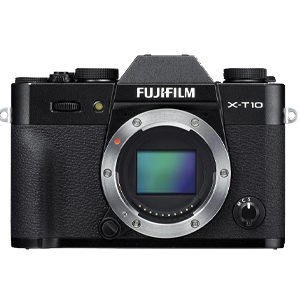
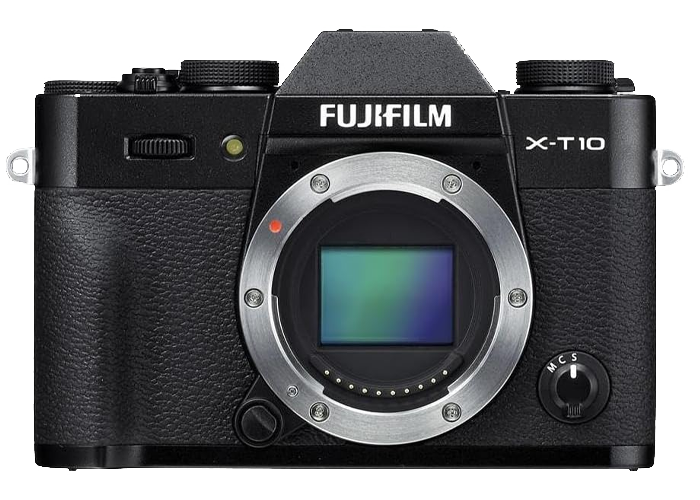
The Fujifilm X-T10 is a compact APS-C mirrorless camera introduced in 2015 as a smaller, more affordable alternative to the Fujifilm X-T1. It combines a retro SLR-inspired design with physical exposure controls, an electronic viewfinder, and Fujifilm's interchangeable X-mount lens system.
Despite its age, the X-T10 remains appealing to photographers who enjoy hands-on camera controls and distinctive JPEG color rendering. Its 16.3-megapixel sensor provides enough resolution for everyday photography, travel, portraits, and landscapes. As a discontinued model, it is available primarily on the used market, where condition, included accessories, and lens choice affect the overall value.
Real-World Performance
16.3MP X-Trans CMOS II Sensor
The X-T10 features a 16.3-megapixel APS-C X-Trans CMOS II sensor. Its distinctive color-filter array is designed to reduce moiré and false color without requiring a conventional optical low-pass filter. The result is detailed imagery suitable for a wide range of everyday photography, although final image quality also depends on the lens, exposure, and processing.
Tactile Retro Controls
One of the X-T10's strongest features is its traditional control layout. Dedicated top-plate dials provide direct access to shutter speed and exposure compensation, while other physical controls make frequently used settings easy to reach. This design encourages photographers to learn exposure fundamentals and adjust settings without relying entirely on menus.
Built-In Electronic Viewfinder
Unlike Fujifilm's more basic X-A series cameras, the X-T10 includes a built-in electronic viewfinder. The EVF is useful when composing images in bright sunlight and provides a more traditional shooting experience for photographers who prefer holding a camera to their eye.
Fujifilm Film Simulations
The camera includes Fujifilm's popular film simulations, including Classic Chrome, PROVIA, and Velvia. These profiles offer different color and contrast treatments, making it possible to create attractive JPEG images directly in camera. Photographers who enjoy experimenting with color can achieve distinctive results without extensive post-processing.
Tilting LCD and Built-In Wi-Fi
The 3-inch LCD tilts upward and downward, making it useful for waist-level photography and shooting from high or low angles. The screen is not touch-sensitive, so focus-point selection and menu navigation rely on physical controls. Built-in Wi-Fi supports compatible wireless image-transfer and remote-shooting functions.
Continuous Shooting
The X-T10 can shoot at up to approximately 8 frames per second under supported conditions. This is useful for capturing brief moments in everyday scenes, children playing, or casual sports. However, burst speed alone does not guarantee reliable action photography; the older autofocus and subject-tracking capabilities are less effective than those of modern mirrorless cameras.
Key Limitations
Older Autofocus Performance
The X-T10 uses an early hybrid autofocus system that combines phase-detection and contrast-detection technology. It can focus well on stationary subjects and predictable movement, but tracking erratic subjects is more challenging than with newer cameras. Wildlife, birds in flight, and fast sports can be particularly demanding.
No In-Body Image Stabilization
The X-T10 does not include in-body image stabilization. When shooting handheld in low light, photographers may need to increase the shutter speed, raise the ISO, or use a lens with optical image stabilization. A stabilized lens can help reduce camera shake, but it cannot freeze a moving subject.
Limited Video Capabilities
Video recording is limited to Full HD, with frame-rate options depending on the selected recording mode. The camera lacks modern 4K recording and advanced video features, and its video quality is less competitive with current cameras. Although it has an external microphone connection, the small 2.5mm jack may require a compatible microphone or adapter.
No Touchscreen or Selfie Screen
The tilting LCD is helpful for composing photographs from unusual angles, but it does not flip forward for convenient self-recording and has no touch functionality. This makes the X-T10 less convenient for vloggers and creators who need to monitor themselves while recording.
No Weather Sealing
Unlike the Fujifilm X-T1, the X-T10 does not have the same weather-resistant construction. It should be protected from rain, dust, and moisture, particularly when used outdoors.
Who Should Buy the Fujifilm X-T10?
The Fujifilm X-T10 is best suited to street photographers, travel enthusiasts, beginners, and hobbyists who value physical controls and attractive JPEG colors more than advanced autofocus or modern video features.
Beginners Learning Manual Photography
The dedicated shutter-speed and exposure-compensation dials make the X-T10 an effective learning tool. Beginners can explore the relationship between shutter speed, aperture, and ISO while developing a more intuitive understanding of exposure.
Street and Travel Photographers
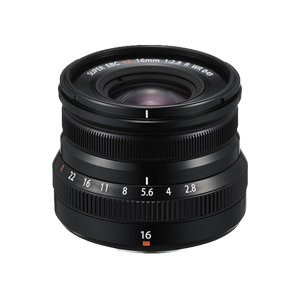
Its compact body and relatively light weight make it comfortable to carry throughout the day. Paired with a small prime or pancake lens, the X-T10 is well suited to street scenes, architecture, landscapes, and everyday travel photography.
JPEG-Focused Photographers
Photographers who enjoy Fujifilm's film simulations can create attractive images straight out of the camera. Classic Chrome and other built-in profiles are especially useful for those who prefer a distinctive look without spending hours editing RAW files.
Portrait and Landscape Hobbyists
The 16.3-megapixel sensor provides sufficient detail for many portraits, landscapes, and general-purpose photographs. The X-mount system also offers a variety of compatible lenses, allowing users to expand their equipment as their interests develop.
Who Should Consider Another Camera?
Wildlife, Birds, and Sports Photographers
Although the X-T10 offers a respectable burst rate for its generation, its autofocus tracking is less dependable for fast, unpredictable subjects. Photographers who regularly shoot birds in flight, wildlife, or competitive sports would benefit from a newer body with improved subject detection and tracking.
Vloggers and Video Creators
The lack of 4K recording, a forward-facing screen, in-body stabilization, and modern video tools makes the X-T10 a limited choice for contemporary video production. A newer camera designed for hybrid photography and video would be a more versatile option.
Photographers Working in Harsh Weather
The absence of weather sealing means the X-T10 requires additional care in challenging outdoor conditions. Photographers who frequently work in rain, dust, or unpredictable weather should consider a weather-resistant body and a compatible weather-resistant lens.
Final Verdict
The Fujifilm X-T10 remains an appealing used mirrorless camera for photographers who enjoy traditional controls, compact equipment, and Fujifilm's distinctive JPEG color. Its electronic viewfinder, tilting LCD, X-Trans sensor, and interchangeable-lens design make it a capable option for everyday photography, travel, street scenes, and portraits.
However, its older autofocus system, lack of in-body stabilization, limited video features, and non-weather-sealed construction reflect its age. Before buying a used body, check the sensor, viewfinder, LCD hinge, dials, buttons, card slot, battery condition, and autofocus operation. Confirm which accessories and lenses are included, and compare the total cost with newer used Fujifilm cameras before making a decision.