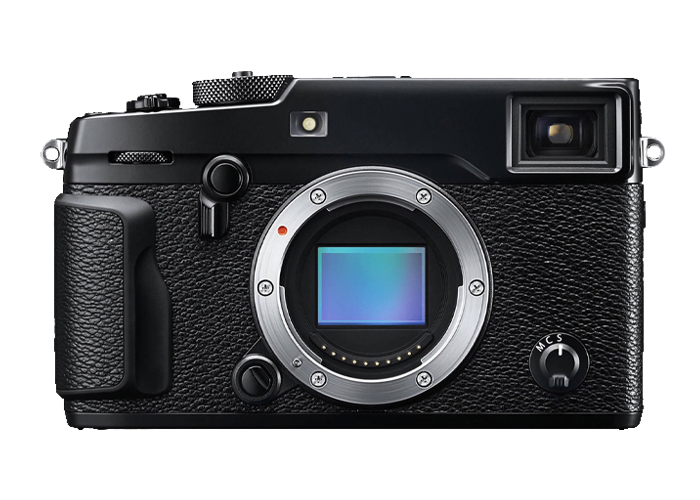
Fujifilm X-Pro2: Product Overview
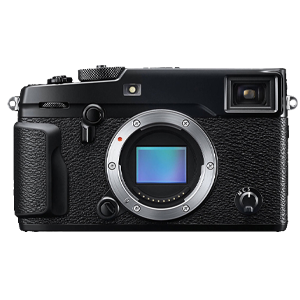
The Fujifilm X-Pro2 is a premium rangefinder-style mirrorless camera introduced in 2016. Designed for photographers who appreciate traditional camera handling, it combines a distinctive retro body with a 24.3-megapixel APS-C sensor, physical exposure controls, and Fujifilm's interchangeable X-mount lens system.
Its standout feature is the hybrid viewfinder, which lets photographers switch between an optical viewfinder and an electronic viewfinder. This unusual design, combined with dual SD card slots and weather-resistant construction, makes the X-Pro2 appealing to street photographers, documentary shooters, and experienced enthusiasts who prefer a deliberate, hands-on shooting experience.
Although newer cameras offer faster autofocus, improved video capabilities, and more modern conveniences, the X-Pro2 remains a distinctive option on the used market. Its value depends on condition, accessories, and local demand, so buyers should compare current listings before purchasing.
Real-World Performance
Hybrid Optical and Electronic Viewfinder
The X-Pro2's defining feature is its advanced hybrid viewfinder. A selector on the front of the camera allows photographers to switch between an optical viewfinder (OVF) and a 2.36-million-dot electronic viewfinder (EVF).
The optical viewfinder provides a direct view of the scene with electronic framing lines, helping photographers observe activity beyond the frame while composing street photographs. The EVF previews exposure, color, and other image characteristics before the photograph is taken. An electronic rangefinder mode can also display a small electronic image within the optical view, assisting with manual focus.
This flexibility gives the X-Pro2 a shooting experience that differs substantially from conventional mirrorless cameras.
24.3MP X-Trans CMOS III Sensor
The camera features a 24.3-megapixel APS-C X-Trans CMOS III sensor without a conventional optical low-pass filter. It captures detailed images with attractive color reproduction and provides enough resolution for street photography, portraits, travel, and many professional applications.
Its RAW files offer room for exposure and color adjustments during editing, while Fujifilm's in-camera processing makes it possible to create polished JPEGs directly from the camera.
Fujifilm Film Simulations
The X-Pro2 includes Fujifilm's popular film simulations, including Classic Chrome, PROVIA, and Velvia. These profiles offer different approaches to color, contrast, and saturation, allowing photographers to create a distinctive look without extensive post-processing.
For JPEG-focused photographers, the ability to customize image settings and apply film simulations is an important part of the X-Pro2's appeal.
Dual SD Card Slots
Unlike many enthusiast cameras of its generation, the X-Pro2 includes two SD card slots. Depending on the selected recording configuration, photographers can record images sequentially, separate RAW and JPEG files, or create a second copy of images for additional protection.
This flexibility is valuable for documentary work, travel, and paid photography where managing image files carefully matters.
Weather-Resistant Magnesium Alloy Body
The X-Pro2 features a durable magnesium alloy body with weather-resistant construction when used with appropriately protected equipment. Its physical dials and compact rangefinder-style layout provide direct access to important settings, helping photographers make adjustments without repeatedly navigating menus.
Although it is built for demanding photography, weather resistance should not be confused with complete waterproofing. Care is still necessary around heavy rain, dust, and moisture.
Continuous Shooting and Autofocus
The X-Pro2 offers continuous shooting at up to approximately 8 frames per second and uses a hybrid autofocus system combining phase-detection and contrast-detection technology. It performs well for everyday subjects, street scenes, portraits, and moderate action.
However, its tracking performance is less advanced than that of modern cameras with sophisticated subject recognition and eye detection. Fast, unpredictable movement can be challenging, particularly when consistently tracking birds or other wildlife.
Key Limitations
Fixed Rear LCD
The 3-inch rear LCD is fixed and cannot tilt or flip forward. This can make low-angle compositions, waist-level photography, and shooting from above less convenient. Photographers who frequently work from unusual angles may prefer a camera with an articulating screen.
No Touchscreen
The X-Pro2 does not offer touchscreen operation. Focus-point selection, menu navigation, and other adjustments must be performed using its physical controls and joystick. Some photographers will appreciate this traditional approach, while others may find it slower than modern touch-enabled interfaces.
No In-Body Image Stabilization
The camera does not include in-body image stabilization (IBIS). When shooting handheld in low light, photographers may need to use a faster shutter speed, raise the ISO, or choose a lens with optical image stabilization.
Optical stabilization can reduce camera shake, but it cannot freeze moving subjects.
Limited Video Features
The X-Pro2 supports 4K video recording at up to 30 frames per second, but its video capabilities are limited compared with modern hybrid cameras. It lacks many of the advanced recording options, stabilization features, and creator-focused conveniences available on newer models.
Its fixed screen also makes self-recording difficult, and its 2.5mm external microphone input may require a compatible microphone or adapter.
Older Wireless Connectivity
The X-Pro2 includes Wi-Fi connectivity for supported wireless functions, but compatibility with newer smartphone operating systems and applications can change over time. Buyers who depend on wireless transfers should check current app compatibility and be prepared to use a computer, card reader, or another transfer method if necessary.
Who Should Buy the Fujifilm X-Pro2?
The Fujifilm X-Pro2 is best suited to street photographers, documentary shooters, travel photographers, and enthusiasts who value a traditional shooting experience and high-quality still images. Its hybrid viewfinder and physical controls are its greatest strengths.
Street and Documentary Photographers
The rangefinder-style design is particularly appealing for photographing everyday life, public spaces, and candid moments. The optical viewfinder allows photographers to observe the scene directly while the electronic framing lines help with composition.
Its relatively understated appearance and tactile controls make it a compelling choice for photographers who prefer working discreetly and deliberately.
Film-Era Enthusiasts
Photographers who enjoy traditional camera controls will appreciate the dedicated dials and the ability to adjust settings directly on the camera and compatible lenses. The combination of an optical viewfinder and Fujifilm's film simulations creates a shooting experience that feels different from a screen-centered modern camera.
JPEG-Focused Photographers
The X-Pro2 is well suited to photographers who enjoy creating customized JPEG looks with Fujifilm's film simulations. Classic Chrome and other profiles can produce distinctive results straight out of the camera, making the system attractive to photographers who want to spend less time editing.
Travel and Portrait Photographers
Its 24.3-megapixel sensor, interchangeable lenses, and dual card slots make the X-Pro2 capable of handling a broad range of still-photography tasks. It can be a good fit for travel, environmental portraits, architecture, and everyday documentary work.
Who Should Consider Another Camera?
Vloggers and Video Creators
The fixed LCD, lack of in-body stabilization, and limited video feature set make the X-Pro2 a poor fit for creators who regularly record themselves or need advanced video workflows. A newer hybrid camera would provide a more practical combination of screen flexibility, stabilization, autofocus, and recording options.
Wildlife and High-Speed Sports Photographers
Although the X-Pro2 offers a respectable burst rate, its autofocus tracking cannot match modern systems designed to recognize and follow animals, eyes, and rapidly moving subjects. Photographers who regularly shoot birds in flight, wildlife, or competitive sports should consider a newer camera with more sophisticated tracking.
Photographers Who Need Modern Convenience Features
The absence of a touchscreen, articulating LCD, and in-body stabilization may frustrate photographers who prioritize convenience and adaptability. Buyers who frequently shoot in low light or work from unusual angles may find a newer body more suitable.
Final Verdict
The Fujifilm X-Pro2 remains a distinctive premium APS-C camera for photographers who prioritize the experience of taking photographs as much as the final image. Its hybrid optical and electronic viewfinder, 24.3-megapixel X-Trans sensor, tactile controls, weather-resistant construction, and dual SD card slots make it a capable tool for serious still photography.
Its appeal is strongest for street, documentary, travel, and JPEG-focused photography. However, the fixed screen, lack of in-body stabilization, older autofocus tracking, and limited video features are important compromises.
Before buying a used X-Pro2, inspect the viewfinder selector, optical and electronic displays, sensor, joystick, dials, card slots, ports, and battery condition. Test autofocus and verify that the weather-resistant seals and body are in good condition. Finally, compare current used prices with newer Fujifilm models to determine whether the X-Pro2's distinctive handling and hybrid viewfinder justify the additional cost.
Sample Images