Overview
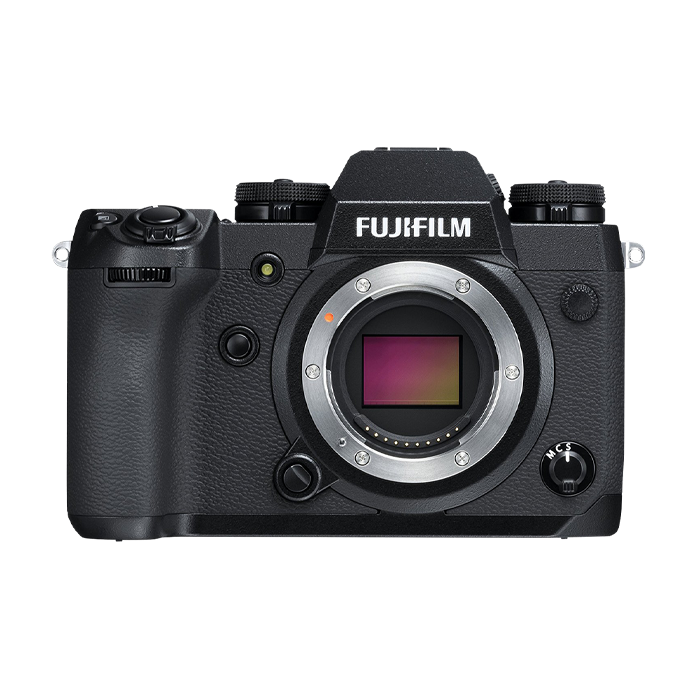
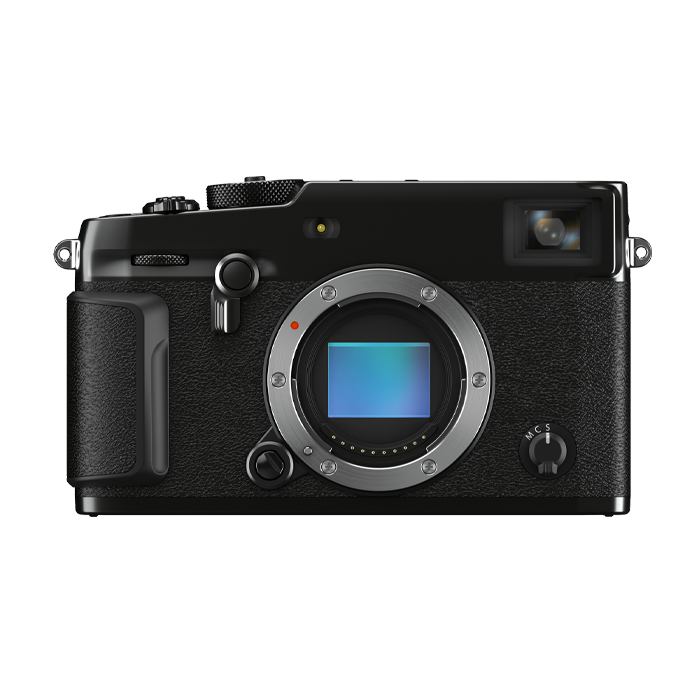
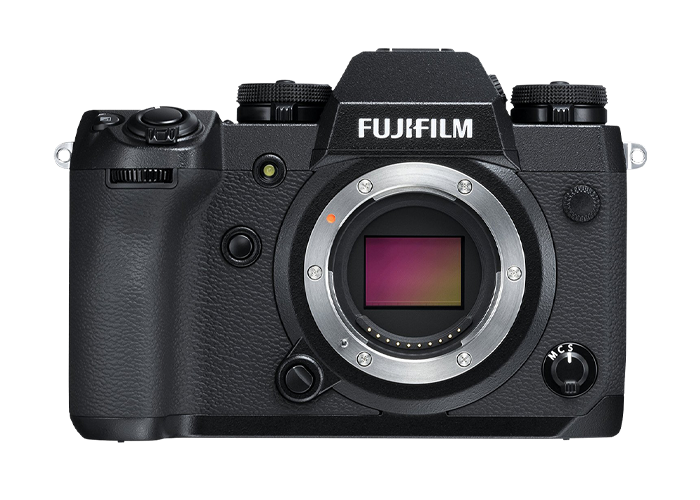
The Fujifilm X-H1 is a rugged APS-C mirrorless camera designed for photographers and videographers who value in-body image stabilization, professional ergonomics, and a durable build. Introduced in 2018, it was Fujifilm's first camera to feature five-axis in-body image stabilization (IBIS), making it particularly appealing to handheld shooters and photographers using lenses without optical stabilization.
Built around a 24.3-megapixel X-Trans CMOS III sensor and the X-Processor Pro image processor, the X-H1 delivers detailed images, Fujifilm's distinctive color reproduction, and a range of film simulations. Its Eterna film simulation provides a subdued, cinematic look that is especially useful for video production and post-processing workflows.
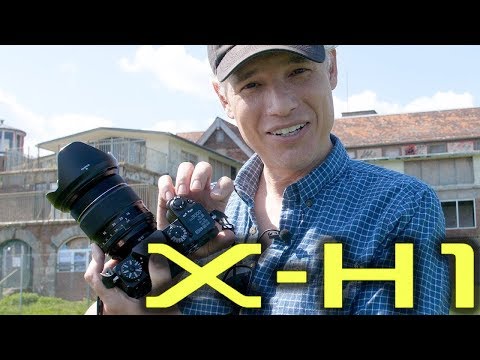
Compared with the smaller Fujifilm X-T2 and X-T20, the X-H1 features a deeper grip, a larger body, and a top-panel status display. These design choices make it comfortable to handle with larger lenses, although its size and weight reduce its appeal for photographers who prioritize a compact travel setup.
Despite its professional-oriented construction, the X-H1 is an older camera. Its autofocus and subject tracking cannot match the advanced animal-eye detection and tracking performance of many modern mirrorless cameras. Its battery life is also relatively limited, making spare batteries or the optional VPB-XH1 Vertical Power Booster Grip worthwhile considerations.
For photographers shopping on the used market, the Fujifilm X-H1 remains an interesting option for stabilized photography, cinematic video, and traditional manual-focus lens use at a comparatively affordable price.
Key Specifications and Features
24.3MP APS-C X-Trans CMOS III Sensor
The X-H1 uses a 24.3-megapixel APS-C X-Trans CMOS III sensor paired with the X-Processor Pro. This combination produces detailed photographs with attractive color rendition and good image quality across a range of lighting conditions. Its resolution is sufficient for everyday photography, portraits, landscapes, events, and many wildlife applications.
Five-Axis In-Body Image Stabilization
One of the camera's most important features is its five-axis IBIS system, rated for up to 5.5 stops of stabilization under specified testing conditions. Stabilization helps reduce camera shake when shooting handheld, particularly at slower shutter speeds. It also benefits compatible adapted manual-focus lenses that do not have optical stabilization, provided the camera is configured appropriately for the lens in use.
IBIS can improve the stability of handheld video as well, although it does not eliminate all camera movement. Walking footage, fast pans, and movements caused by changing perspective may still require careful technique or additional stabilization equipment.
Fujifilm Eterna Film Simulation
The X-H1 introduced Fujifilm's Eterna film simulation, which produces relatively soft contrast, restrained color, and a cinematic appearance. It can be useful for filmmakers who want attractive footage straight out of the camera or a flexible starting point for color grading. The resulting image still depends on exposure, lighting, white balance, and the chosen recording settings.
Professional Ergonomics and Durable Construction
The X-H1 has a substantial handgrip that provides a secure hold, especially when paired with larger zoom lenses. Its top-panel monochrome status display makes key shooting information easy to check, while its weather-resistant construction is designed for demanding shooting environments when paired with appropriately protected lenses and accessories.
Mechanical and Electronic Shutter Options
The camera offers a mechanical shutter and an electronic shutter option. Its mechanical shutter incorporates a shock-reduction design intended to minimize shutter vibration. This can be helpful when photographing at shutter speeds where mechanical movement might affect sharpness. However, the mechanical shutter is not completely silent, and electronic shutter use may introduce rolling-shutter distortion with fast-moving subjects.
Dual SD Card Slots
Two SD card slots provide additional flexibility for photographers working on location. Depending on the selected configuration, users can record files across both cards, create backups, or separate file types. The slots support UHS-II cards, helping improve transfer and write performance with compatible media.
Autofocus and Continuous Shooting
The X-H1 combines phase-detection and contrast-detection autofocus. It can focus effectively in many everyday situations, but its tracking algorithms are from an earlier generation and lack the advanced AI-based subject recognition found in newer cameras. Photographers shooting unpredictable action, fast-moving birds, or animals partially obscured by foliage may find its tracking less dependable than that of more recent mirrorless bodies.
Battery Life and Optional Power Booster Grip
The camera uses the NP-W126S battery, and its power consumption can make carrying spare batteries important for extended photography or video sessions. The optional VPB-XH1 Vertical Power Booster Grip accommodates additional batteries and improves handling for vertical shooting. With compatible settings, the grip can also enable enhanced performance modes, including faster continuous shooting in supported configurations.
Key Specifications
Camera Type | Mirrorless interchangeable-lens camera |
Brand | Fujifilm |
Sensor | 24.3MP APS-C X-Trans CMOS III |
Image Processor | X-Processor Pro |
Lens Mount | Fujifilm X mount |
Image Stabilization | Five-axis in-body image stabilization, rated up to 5.5 stops |
Autofocus | Hybrid phase-detection and contrast-detection autofocus |
Film Simulations | Includes Eterna, Provia, Velvia, Astia, Classic Chrome, and other Fujifilm profiles |
Viewfinder | Electronic viewfinder |
Rear Display | Tilting LCD touchscreen |
Memory Card Slots | Dual SD card slots with UHS-II support |
Shutter | Mechanical and electronic shutter options |
Video | 4K video recording, with supported frame rates and formats depending on recording settings |
Battery | NP-W126S rechargeable lithium-ion battery |
Optional Grip | VPB-XH1 Vertical Power Booster Grip |
Body Weight | Approximately 673g with battery and memory card |
Best For | Handheld photography, video production, portraits, landscapes, and general wildlife photography |
Pros and Cons
Pros | Cons |
|---|---|
Five-axis IBIS helps reduce camera shake with stabilized and compatible unstabilized lenses. | The body is relatively large and heavy compared with compact Fujifilm X-series cameras. |
24.3MP APS-C sensor delivers detailed images and appealing Fujifilm color reproduction. | Autofocus tracking and subject recognition are less advanced than those of newer mirrorless cameras. |
Eterna film simulation offers a useful cinematic look for video production. | Battery life can be limiting during extended shooting sessions. |
Deep handgrip provides comfortable handling with larger lenses. | Spare batteries or the optional power booster grip may add to the overall cost. |
Dual UHS-II SD card slots support backup and flexible file management. | Its video features and recording options are less advanced than those of current video-oriented cameras. |
In-body stabilization benefits handheld shooting and compatible adapted manual-focus lenses. | IBIS cannot eliminate all movement in walking footage or compensate for subject motion. |
Weather-resistant construction and a substantial grip suit demanding shooting conditions. | Its weight makes it less convenient for lightweight travel and all-day carrying. |
Who Should Buy This Lens?
Although this section uses the requested heading, the Fujifilm X-H1 is a camera body rather than a lens.
1. Budget-Minded Videographers and Independent Filmmakers
The X-H1 is worth considering for filmmakers who want in-body stabilization, 4K recording, and Fujifilm's Eterna film simulation without purchasing a newer, more expensive camera. These features make it useful for interviews, controlled handheld shots, B-roll, short films, and online video production.
However, buyers should review the camera's specific recording limitations and external-monitoring requirements before choosing it for professional production. Its IBIS helps reduce shake, but it is not a complete substitute for a tripod, gimbal, or other stabilization equipment in every situation.
2. Vintage and Manual-Focus Lens Enthusiasts
Photographers who enjoy adapting older lenses may appreciate the X-H1's stabilization system. With a suitable mount adapter and the correct camera settings, compatible manual-focus lenses can benefit from IBIS even when they lack optical stabilization. The deep grip also makes the body comfortable to hold with some larger adapted lenses.
Because adapted lenses vary in size, balance, and compatibility, users should check the adapter and lens requirements before purchasing equipment.
3. Portrait, Landscape, and General Photographers
The 24.3MP sensor provides sufficient resolution for portraits, landscapes, street photography, travel images, and many other everyday applications. In-body stabilization can be particularly helpful for photographing static subjects in low light, allowing slower shutter speeds when the subject itself is not moving.
For landscape photographers who primarily use a tripod, IBIS may be less important. The X-H1's image quality, controls, and weather-resistant construction may still make it a useful option, especially when found in good used condition.
4. Wildlife and Telephoto Photographers Who Value Handling
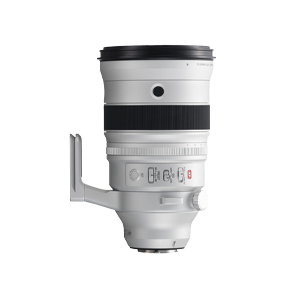
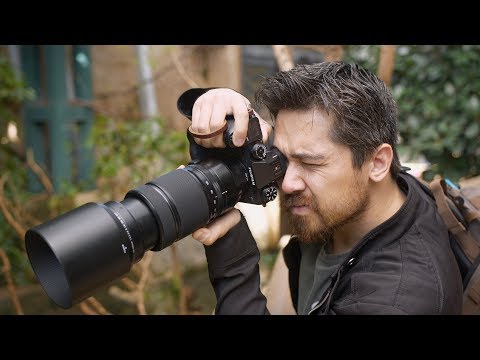
The X-H1's deep grip and substantial body can feel well balanced with larger Fujifilm telephoto lenses, including the XF 50-140mm and XF 100-400mm. Stabilization can also help reduce camera shake when tracking relatively stationary or slowly moving subjects.
Nevertheless, photographers specializing in birds in flight, fast-moving wildlife, or sports should carefully consider its older autofocus tracking. A newer camera with more sophisticated subject detection is generally a better choice when reliable eye detection and tracking are top priorities.
5. Who Should Look Elsewhere?
Travel photographers who prioritize low weight: Consider a smaller body such as the Fujifilm X-T20 or X-E3 if portability matters more than in-body stabilization and a deep grip.
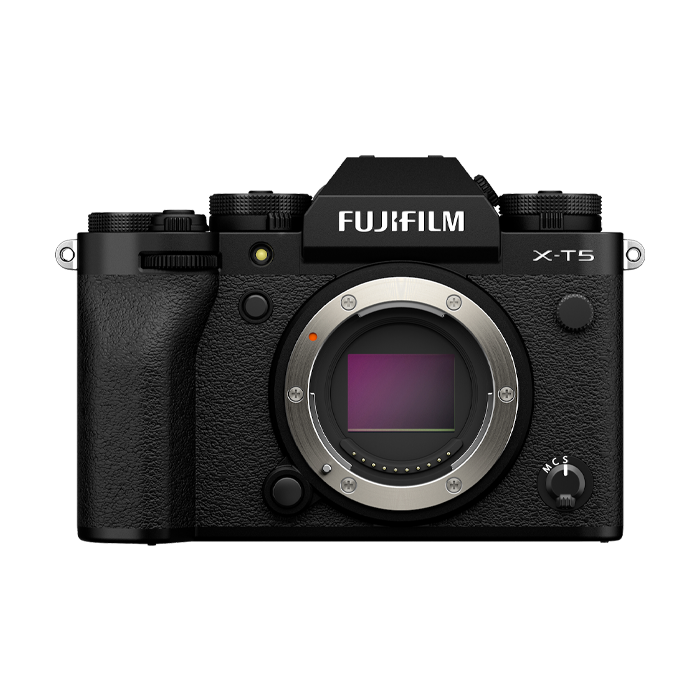
Bird and sports photographers: Newer cameras such as the Fujifilm X-S20 or X-T5 offer more modern autofocus capabilities, although the best choice depends on budget and lens requirements.
Video creators needing modern production features: Compare the X-H1 with newer bodies if you need more advanced autofocus, recording options, or workflow features.
Photographers who want to carry only one battery: Be prepared to monitor battery consumption and consider carrying spares for longer sessions.
Buying Recommendation
The Fujifilm X-H1 can be an attractive used-camera purchase for photographers who specifically want in-body stabilization, a comfortable grip, dual card slots, and Fujifilm's film simulations. Its value depends heavily on the camera's condition, shutter usage, included accessories, and the current asking price.
Buying Used: What to Check
IBIS operation: Test stabilization with a suitable lens and check for unusual noises, warnings, or inconsistent performance.
Autofocus: Test single-shot focus and continuous tracking with a moving subject.
Sensor and shutter: Inspect for dust, damage, and signs of mechanical wear.
Card slots: Confirm that both SD slots read and write cards correctly.
Battery condition: Check battery health where possible and include spare batteries in your budget.
Ports and display: Inspect the USB, HDMI, microphone, and headphone connections, along with the rear LCD and electronic viewfinder.
Weather sealing: Examine the body for impact damage, corrosion, or signs of water exposure. Weather resistance should not be assumed if the camera has been damaged or poorly maintained.
Optional grip: If buying a VPB-XH1 bundle, verify that the grip, battery compartments, controls, and charging functions work properly.
Used Price and Value
Used prices vary according to condition, accessories, seller reputation, and market availability. A price around $500 may be worth investigating, but it should not be treated as a guaranteed current market value. Check current listings from established used-camera retailers such as MPB and compare them with other reputable sellers before buying.
A bundle with the VPB-XH1 Vertical Power Booster Grip may be worthwhile if you regularly shoot vertically, need additional battery capacity, or want the grip's supported performance modes. Compare the total bundle price with the cost of buying a body and spare batteries separately.
Recommended Alternatives
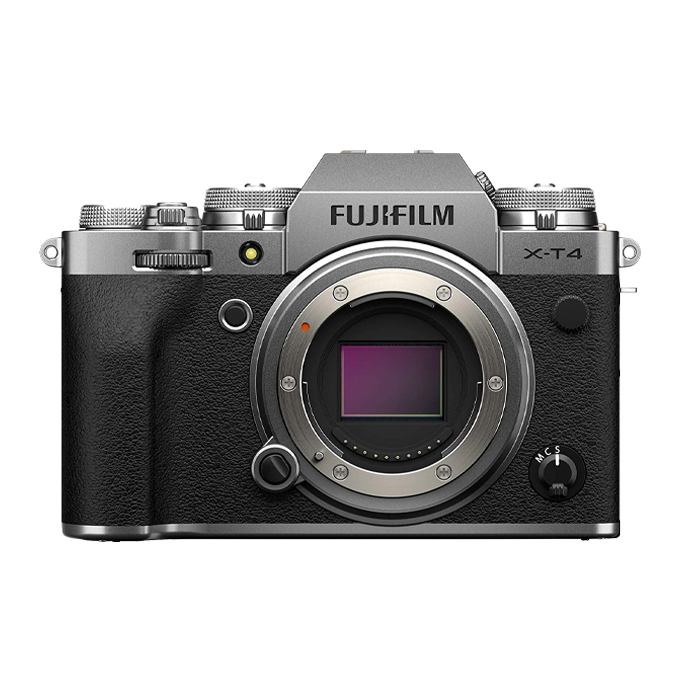
Fujifilm X-T5: A stronger all-around option for buyers who want higher resolution, more modern autofocus, and newer-generation features.
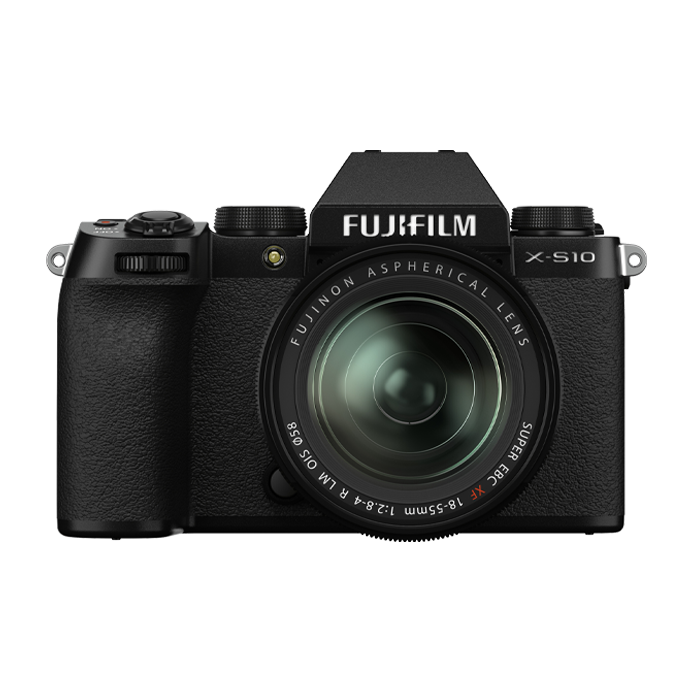
Fujifilm X-S20: Worth considering for hybrid creators who want a more modern autofocus system and contemporary video features in a relatively compact body.
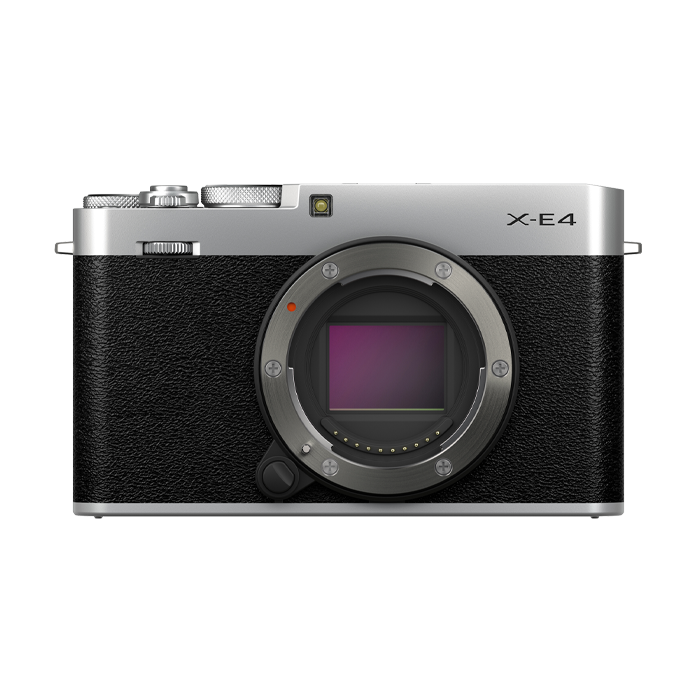
Fujifilm X-T20: A smaller, lighter alternative for casual photography and travel, although it does not offer the X-H1's in-body stabilization.
Fujifilm X-E3: An option for photographers who prefer a compact rangefinder-style body and do not require IBIS.
Final Verdict
The Fujifilm X-H1 remains a capable and distinctive APS-C mirrorless camera for photographers who value in-body image stabilization, strong ergonomics, and Fujifilm's color profiles. Its 24.3MP sensor continues to deliver useful image quality, while the Eterna film simulation and dual card slots add appeal for video creators and photographers working on location.
Its age is the main consideration. Autofocus tracking, battery endurance, and video capabilities do not match the full feature set of many modern mirrorless cameras. Its relatively heavy body also makes it less suitable for photographers who prioritize a lightweight travel kit.
For vintage-lens enthusiasts, portrait photographers, landscape shooters, and filmmakers working within a budget, a well-maintained used X-H1 can still be a sensible purchase. Wildlife and sports photographers who depend on fast, reliable subject tracking should compare it carefully with newer alternatives before committing.
Overall recommendation: Buy the Fujifilm X-H1 if stabilization, handling, and used-market value matter more to you than having the latest autofocus and video technology. Choose a newer Fujifilm body if fast-action tracking or advanced hybrid-video performance is your primary requirement.
Video Reviews

Video Comparisons

Sample Images