Overview
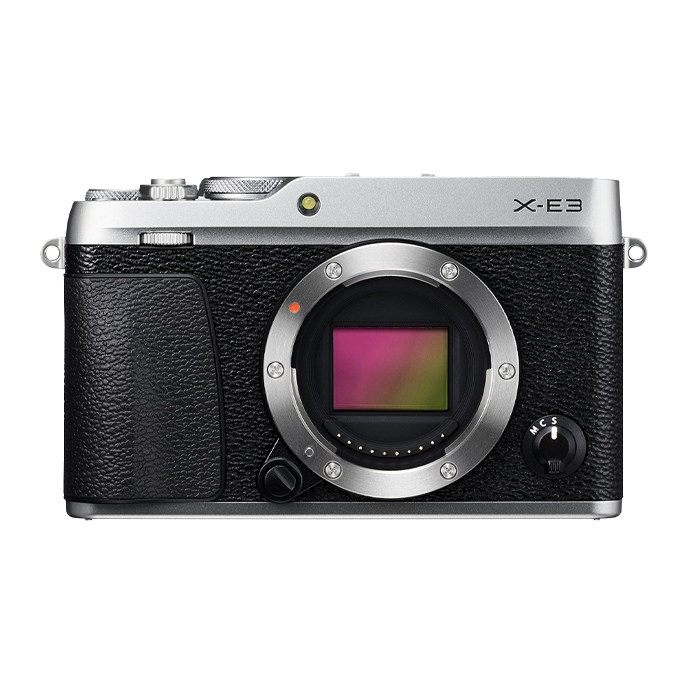
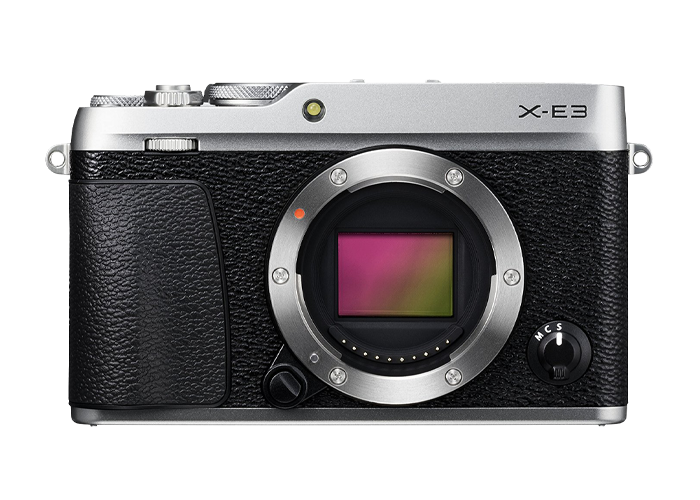
The Fujifilm X-E3 is a compact APS-C mirrorless camera introduced in 2017, designed for photographers who prefer a minimalist rangefinder-style body, traditional exposure controls, and Fujifilm's distinctive color reproduction. Featuring a 24.3-megapixel X-Trans CMOS III sensor and the X-Processor Pro image processor, it delivers detailed photographs in a lightweight body that is easy to carry throughout the day.
Unlike Fujifilm's DSLR-styled X-T series, the X-E3 places its electronic viewfinder on the upper-left side of the camera. This rangefinder-inspired design allows photographers to maintain a better view of their surroundings while composing images. Its compact dimensions and understated appearance make it particularly appealing for street photography, travel, documentary work, and everyday shooting.
The X-E3 combines dedicated shutter-speed and exposure-compensation controls with an autofocus joystick and touchscreen operation. Fujifilm's Film Simulation modes, including Classic Chrome and ACROS, allow users to create distinctive JPEG images directly in camera. Built-in Wi-Fi and Bluetooth also support wireless communication with compatible smartphones for image transfers and remote camera operation.
However, the camera makes several compromises to achieve its compact design. Its rear screen is fixed rather than tilting, the grip is relatively shallow, and the body lacks both in-body image stabilization and weather sealing. Its autofocus capabilities are also less advanced than those of newer mirrorless cameras. For photographers who prioritize portability and still-image quality over modern convenience features, the Fujifilm X-E3 remains an attractive interchangeable-lens option on the used market.
Key Specifications and Features
24.3MP X-Trans CMOS III Sensor
The X-E3 uses a 24.3-megapixel APS-C X-Trans CMOS III sensor paired with Fujifilm's X-Processor Pro. This combination produces detailed images with pleasing color reproduction and good overall image quality. The sensor and processor generation are shared with the higher-end Fujifilm X-T2, making the X-E3 a capable option for photographers who want high-quality still images in a smaller body.
Rangefinder-Style Design
The camera's flat-top design places the electronic viewfinder toward the upper-left corner when viewed from behind. This arrangement provides a different shooting experience from a centrally positioned viewfinder and can help photographers keep more of their surroundings in view. The compact body is particularly convenient for street photography, travel, and everyday use.
Traditional Exposure Controls
The X-E3 retains dedicated physical shutter-speed and exposure-compensation dials, allowing photographers to adjust important settings without navigating through menus. These controls provide a tactile shooting experience that appeals to users who enjoy manually managing exposure. The camera also offers automatic shooting options for beginners who prefer to let the camera select settings in suitable situations.
Autofocus Joystick and Touchscreen
Instead of the traditional four-way directional pad found on many cameras, the X-E3 features an eight-direction autofocus joystick for moving the focus point and navigating selected controls. Its 3-inch touchscreen supports touch-based focus selection, menu functions, and customizable swipe gestures. This streamlined interface helps maintain the camera's clean design while providing convenient ways to control autofocus and playback.
Fujifilm Film Simulation Modes
Fujifilm's Film Simulation modes are a major attraction of the X-E3. Classic Chrome provides subdued colors and a documentary-inspired appearance, while ACROS offers detailed monochrome rendering. Other options, including Provia and Velvia, provide different color and contrast characteristics. These profiles make it possible to produce attractive JPEG images directly in camera, while RAW files offer greater flexibility for later editing.
Continuous Shooting and Electronic Shutter
The X-E3 supports continuous shooting at up to 8 frames per second with the mechanical shutter and up to 14 frames per second with the electronic shutter under supported conditions. Its electronic shutter also offers shutter speeds up to 1/32,000 second, which can be useful when photographing in bright light with wide apertures. However, electronic shutters can produce rolling-shutter distortion with fast-moving subjects, and artificial lighting may introduce banding in some situations.
Compact and Lightweight Body
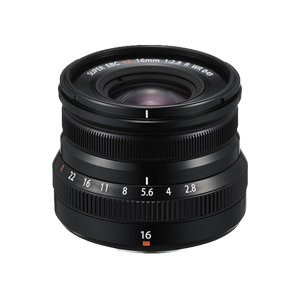
Weighing approximately 337 grams with the battery and memory card, the X-E3 is easy to carry when paired with a compact lens. A small prime lens, such as a compatible 27mm pancake lens, creates a particularly portable setup for everyday photography. The relatively shallow grip helps keep the camera slim, although users mounting larger lenses may prefer an additional grip or hand-support accessory.
Wi-Fi and Bluetooth Connectivity
The camera includes Wi-Fi and Bluetooth connectivity for communication with compatible smartphones and supported Fujifilm applications. Bluetooth can help simplify pairing, while Wi-Fi can be used for compatible image-transfer and remote-control functions. Wireless behavior and transfer speed depend on the connected device, application, and selected settings.
Fixed Rear LCD Screen
The 3-inch touchscreen is fixed against the back of the camera and does not tilt or rotate. Its compact design suits eye-level photography and straightforward operation, but it is less convenient for shooting close to the ground, photographing overhead, or filming yourself. Photographers who frequently use unusual shooting angles may prefer a camera with a tilting or fully articulating screen.
No In-Body Image Stabilization or Weather Sealing
The X-E3 does not include in-body image stabilization (IBIS). Photographers who frequently shoot handheld in low light may benefit from using compatible lenses equipped with Optical Image Stabilization (OIS), increasing shutter speed, or using a tripod. The body is also not weather-sealed, so it should be protected from rain, dust, and other challenging environmental conditions.
Video Recording
The X-E3 supports 4K video recording at up to 30 frames per second, making it suitable for occasional video projects and short clips. However, it lacks in-body stabilization, a forward-facing display, and many of the advanced video features available in newer cameras. These limitations make it less suitable for creators who regularly record handheld video or need a camera specifically designed for vlogging.
Key Specifications
Specification | Fujifilm X-E3 |
|---|---|
Camera Type | Mirrorless digital camera |
Release Year | 2017 |
Sensor | 24.3MP APS-C X-Trans CMOS III |
Image Processor | Fujifilm X-Processor Pro |
Lens Mount | Fujifilm X mount |
Autofocus System | Hybrid phase-detection and contrast-detection autofocus |
Mechanical Shutter Burst Rate | Up to 8 fps |
Electronic Shutter Burst Rate | Up to 14 fps under supported conditions |
Maximum Electronic Shutter Speed | Up to 1/32,000 second |
Maximum Video Resolution | 4K UHD |
Maximum 4K Frame Rate | Up to 30p |
Rear Display | 3-inch fixed touchscreen LCD |
Electronic Viewfinder | Built-in, approximately 2.36 million dots |
Film Simulation Modes | Includes Classic Chrome, ACROS, Provia, Velvia, and other Fujifilm profiles |
Memory Card Slot | One SD card slot supporting UHS-I |
Image Stabilization | No in-body stabilization; compatible lenses may provide OIS |
Weather Sealing | Not weather-sealed |
Built-In Flash | No built-in pop-up flash |
Wireless Connectivity | Wi-Fi and Bluetooth |
Battery | Fujifilm NP-W126S rechargeable lithium-ion battery |
Weight | Approximately 337g with battery and memory card |
Best For | Street, travel, everyday, and documentary photography |
Pros and Cons
Pros | Cons |
|---|---|
24.3MP APS-C sensor delivers detailed images and attractive color reproduction. | No in-body image stabilization. |
Compact, lightweight rangefinder-style body is convenient for travel and street photography. | Fixed rear screen is less convenient for low-angle and overhead compositions. |
Dedicated shutter-speed and exposure-compensation dials provide direct manual control. | No weather sealing, so the body needs protection in rain and dusty environments. |
Fujifilm Film Simulation modes produce distinctive JPEG images straight out of the camera. | Shallow grip may feel less secure with large or heavy lenses. |
Autofocus joystick and touchscreen offer convenient focus-point selection. | Older autofocus tracking is less advanced than modern subject-recognition systems. |
Electronic shutter supports silent shooting and speeds up to 1/32,000 second. | Electronic shutter can cause rolling-shutter distortion or banding in some conditions. |
Wi-Fi and Bluetooth provide convenient wireless connectivity with compatible devices. | Single SD card slot does not provide in-camera duplicate-card backup. |
4K video recording adds flexibility for occasional video projects. | No forward-facing screen or in-body stabilization for convenient handheld vlogging. |
Who Should Buy This Lens?
Although this section is titled “Who Should Buy This Lens?”, the Fujifilm X-E3 is a camera body rather than a lens. It is best suited to photographers who want a small interchangeable-lens camera with a rangefinder-inspired design, straightforward physical controls, and Fujifilm's distinctive color rendering.
Street and Candid Photographers
The X-E3's compact dimensions and offset electronic viewfinder make it a compelling option for street photography. The viewfinder placement allows photographers to maintain awareness of their surroundings while composing, and the small body is easy to carry through busy streets. Film Simulation modes such as Classic Chrome and ACROS also provide useful creative options for documentary-style images.
Travel and Everyday Photographers
When paired with a compact prime lens, the X-E3 offers a lightweight alternative to larger camera systems. Its physical exposure controls provide quick access to important settings, while the electronic viewfinder helps with composition in bright sunlight. The camera is suitable for travel diaries, city walks, family outings, and everyday photography where portability matters.
Everyday Carry Enthusiasts
Photographers who want a camera they can bring along regularly may appreciate the X-E3's understated design and low weight. A small X-mount lens can keep the entire setup compact enough for a small bag or some jacket pockets, depending on the lens and clothing. Unlike a fixed-lens camera, the X-E3 also allows users to choose different focal lengths for different subjects.
Photographers Who Enjoy Fujifilm Color
The X-E3 is appealing to photographers who prefer creating a consistent look in camera rather than spending extensive time editing every image. Its Film Simulation modes offer different color and monochrome styles, while RAW capture provides flexibility for more detailed adjustments later. This combination works well for both casual photographers and enthusiasts developing a personal style.
Budget-Conscious Buyers Considering an X100-Style Camera
The X-E3 can be an alternative for people attracted to the compact, retro appearance of Fujifilm's fixed-lens X100 series but who want interchangeable lenses. However, the shooting experience is not identical: the X-E3 uses a conventional electronic viewfinder rather than the X100 series' hybrid viewfinder, and the final size and handling depend on the lens selected. The cost of a suitable lens should be included when comparing used-camera prices.
Who Should Consider Another Camera?
Photographers who frequently shoot from ground level or above their heads may prefer a camera with a tilting screen, such as the Fujifilm X-T20 or X-T2. Vloggers may also find the fixed display and lack of in-body image stabilization limiting when recording themselves or walking with the camera.
Photographers who use large telephoto lenses regularly should consider the shallow grip and overall balance before purchasing. A grip extension may improve handling, but it adds cost and bulk. Wildlife and sports photographers who need reliable tracking of fast-moving birds, animals, or athletes may benefit from a newer camera with more advanced autofocus capabilities.
Buying Recommendation
The Fujifilm X-E3 is worth considering if you want a compact, photography-focused mirrorless camera and value portability, physical controls, and Fujifilm's Film Simulation modes. Because it is an older model, it is mainly a used-market purchase, and the best value depends on the camera's condition, included accessories, and the price of the lens you intend to use.
Before purchasing, consider the following points:
Check the camera's condition: Inspect the sensor, electronic viewfinder, touchscreen, joystick, dials, buttons, card slot, battery compartment, and ports. Test autofocus, image playback, and wireless connectivity if possible.
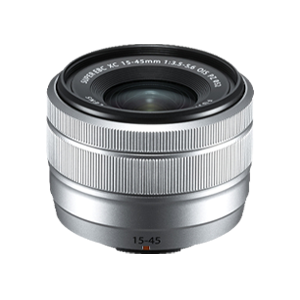
Choose a lens that suits the camera: A compact prime lens can preserve the X-E3's lightweight design, while larger zooms may make the setup feel front-heavy.
Consider stabilization requirements: The body has no IBIS. If you frequently photograph in low light or record handheld video, consider a compatible OIS lens or external support.
Plan for outdoor protection: Since the body is not weather-sealed, use suitable protection when shooting in rain, dust, or other challenging conditions.
Test the fixed screen: Make sure the lack of a tilting display will not interfere with the low-angle, overhead, or self-recording situations you expect to encounter.
Evaluate your autofocus needs: For portraits, street scenes, travel, and everyday subjects, the X-E3 can still be capable. For demanding wildlife and sports tracking, compare it with newer models.
Compare total system costs: Include the camera, lens, batteries, memory card, and any grip accessories you may want. Check current used prices rather than relying on historical launch prices or asking prices alone.
For photographers who mainly shoot street, travel, and everyday still images, the X-E3 offers a distinctive blend of compact design and hands-on operation. However, photographers who need a tilting screen, environmental sealing, stabilization, or advanced autofocus tracking should compare it with newer models before committing to the system.
Final Verdict
The Fujifilm X-E3 remains an appealing compact mirrorless camera for photographers who value a rangefinder-style design, lightweight handling, direct exposure controls, and attractive out-of-camera color. Its 24.3MP X-Trans CMOS III sensor, X-Processor Pro, electronic viewfinder, touchscreen, and Film Simulation modes provide a capable foundation for travel, street, and everyday photography.
Its main compromises are the fixed rear display, shallow grip, lack of in-body image stabilization, absence of weather sealing, and older autofocus tracking. These limitations matter most for demanding outdoor work, heavy-lens use, modern vlogging, and fast-moving wildlife or sports.
Final recommendation: Consider the Fujifilm X-E3 if you want a lightweight interchangeable-lens camera that emphasizes still photography, compact handling, and Fujifilm's distinctive image rendering. If you need a tilting screen, better support for handheld video, weather protection, or more advanced autofocus, compare it with other Fujifilm X-series bodies before buying.
Video Reviews
Video Comparisons
Sample Images