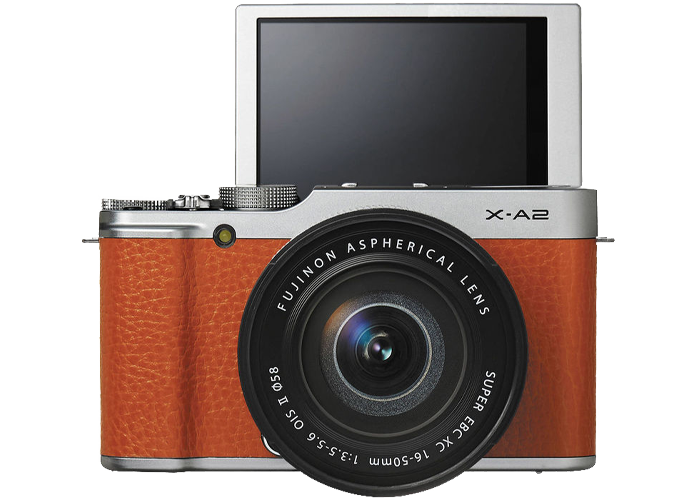
Fujifilm X-A2: Product Overview
The Fujifilm X-A2 is a compact, entry-level mirrorless camera introduced in 2015. Designed for everyday photography, travel, and self-portraits, it combines a lightweight body with a 16.3-megapixel APS-C sensor and access to Fujifilm's interchangeable X-mount lens system. Its 175-degree upward-tilting LCD makes it especially convenient for selfies and casual portraits.
Although it lacks many features found in newer mirrorless cameras, the X-A2 remains an affordable option for photographers who want a simple camera with attractive JPEG colors and a portable design. As a discontinued model, it is primarily available through the used-camera market, where condition, included accessories, and lens choice can significantly affect the price.
Real-World Performance
16.3MP APS-C Bayer Sensor
The X-A2 uses a 16.3-megapixel APS-C CMOS sensor with a conventional Bayer color filter array, rather than the X-Trans design found in many other Fujifilm X-series cameras. It delivers sufficient resolution for everyday photography, travel images, portraits, and online sharing. Its RAW files are also compatible with widely used photo-editing applications.
Fujifilm Film Simulations
Fujifilm's film simulations are a major attraction for photographers who prefer attractive images straight out of the camera. The X-A2 includes Classic Chrome, which produces subdued colors and a documentary-inspired look, along with other film simulation options. These JPEG profiles can reduce the need for extensive editing.
Selfie-Friendly Tilting LCD
The 3-inch LCD tilts upward by up to 175 degrees, making it easy to compose self-portraits and group photos from in front of the camera. Face Detection helps the camera focus on people, making casual portrait photography more convenient.
Simple Close-Up Photography
The X-A2 offers autofocus modes and close-up shooting assistance for everyday subjects, such as food, flowers, and small objects. However, it does not provide the specialized focusing performance or dedicated macro capabilities found in more advanced cameras and lenses.
Built-In Wi-Fi
Built-in Wi-Fi allows compatible smartphones and other devices to connect for supported image-transfer and remote-shooting functions. This can be useful for sharing travel photos and casual portraits without first transferring files through a computer.
Key Limitations
Older Contrast-Detection Autofocus
The X-A2 relies on contrast-detection autofocus, which is considerably less sophisticated than the hybrid autofocus systems found in newer mirrorless cameras. It can handle stationary subjects and relaxed everyday photography, but focusing may be slower in difficult lighting or when subjects move unpredictably.
No Electronic Viewfinder
The camera has no built-in electronic viewfinder, so composition must be done through the rear LCD. This works well for casual photography and selfies, but can be inconvenient in bright sunlight or for photographers who prefer holding a camera to their eye.
Limited Video Capabilities
Video recording is limited to Full HD at up to 30 frames per second. The camera also lacks a dedicated external microphone input and modern video features, making it a poor choice for creators who need high-quality audio, advanced stabilization, or 4K recording.
Modest Continuous-Shooting Performance
With a maximum continuous shooting rate of approximately 5.6 frames per second under supported conditions, the X-A2 is suitable for casual snapshots but less dependable for fast action. Its older autofocus system also makes it difficult to consistently capture sharp images of rapidly moving subjects.
No In-Body Image Stabilization
The X-A2 does not have in-body image stabilization. When shooting handheld in low light, photographers may need to use a faster shutter speed, raise the ISO, or choose a lens with optical stabilization.
Who Should Buy the Fujifilm X-A2?
The Fujifilm X-A2 is best suited to budget-conscious beginners, casual photographers, and JPEG shooters who value a small body, a tilting screen, and Fujifilm's color profiles more than advanced autofocus or video features.
Budget-Conscious Beginners
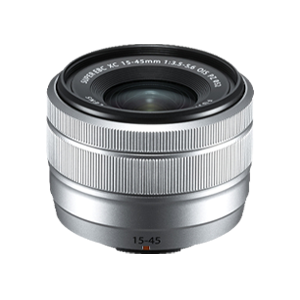
Students, families, and first-time camera owners may appreciate the X-A2 as an introduction to interchangeable-lens photography. Buying a used body with a compatible kit lens can provide an affordable starting point, provided the total cost compares favorably with newer alternatives.
Casual Travel and Lifestyle Photographers
Its compact design makes it convenient for travel, everyday outings, food photography, and informal portraits. The tilting LCD is particularly helpful for selfies and group shots.
JPEG-Focused Street Photographers
Photographers who enjoy Fujifilm's film simulations can use the X-A2 to create distinctive JPEG images without spending much time editing. Its small size can also make it less obtrusive than larger camera systems.
Who Should Consider Another Camera?
Wildlife, Sports, and Action Photographers
The older autofocus system and modest burst rate make the X-A2 a poor choice for reliably tracking birds, wildlife, sports, or energetic pets. A newer camera with subject tracking and faster autofocus would be a better investment.
YouTubers and Video Creators
Full HD recording, the absence of an external microphone input, and limited video features make the X-A2 unsuitable for most modern video-production needs. Creators should look for a camera with better video specifications and dedicated audio support.
Photographers Who Prefer an Electronic Viewfinder
Because the X-A2 requires composition through its rear LCD, it may frustrate photographers who prefer a viewfinder, dedicated physical controls, and quick adjustments while shooting manually.
Final Verdict
The Fujifilm X-A2 remains a simple, compact option for casual photography and Fujifilm JPEG colors, particularly for buyers who find a clean used kit at an attractive price. Its tilting screen and interchangeable-lens design make it useful for everyday snapshots, travel, and self-portraits.
However, its older autofocus, lack of an electronic viewfinder, absence of in-body stabilization, and limited video capabilities are significant compromises. Before purchasing, check the sensor, LCD hinge, buttons, dials, battery, charger, card slot, and autofocus operation. Confirm that the included lens is compatible and compare the total price with newer used Fujifilm models that may offer better performance and handling.