Nikon NIKKOR Z 14-30mm f/4 S Lens Review
Overview
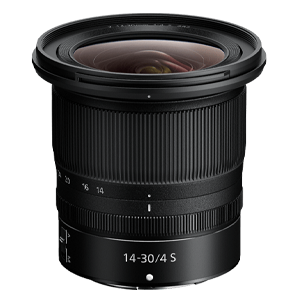
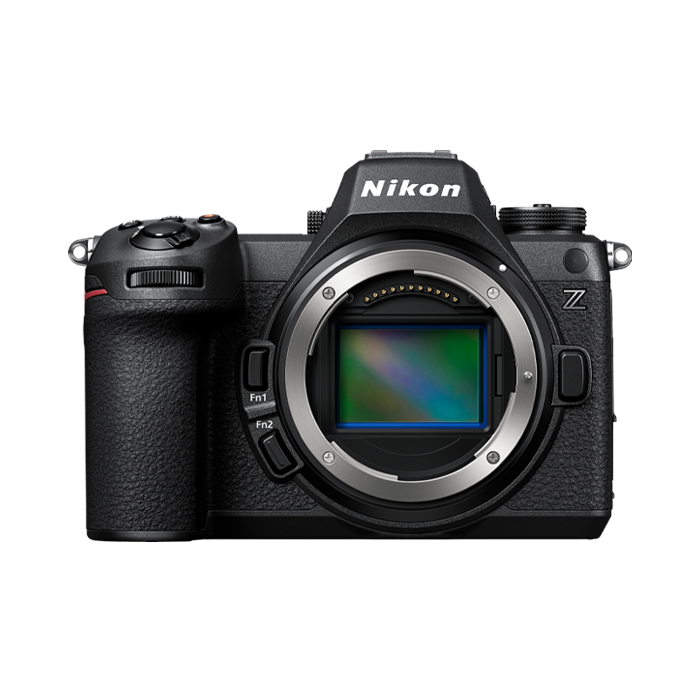
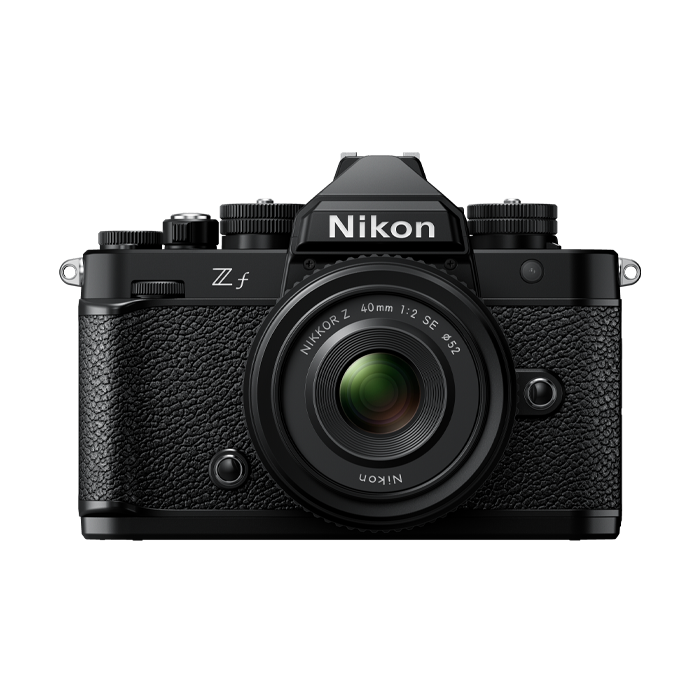
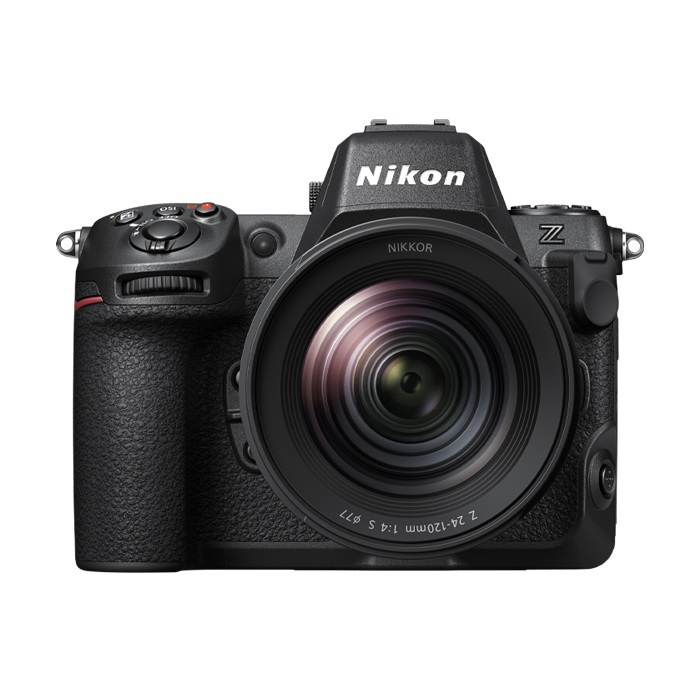
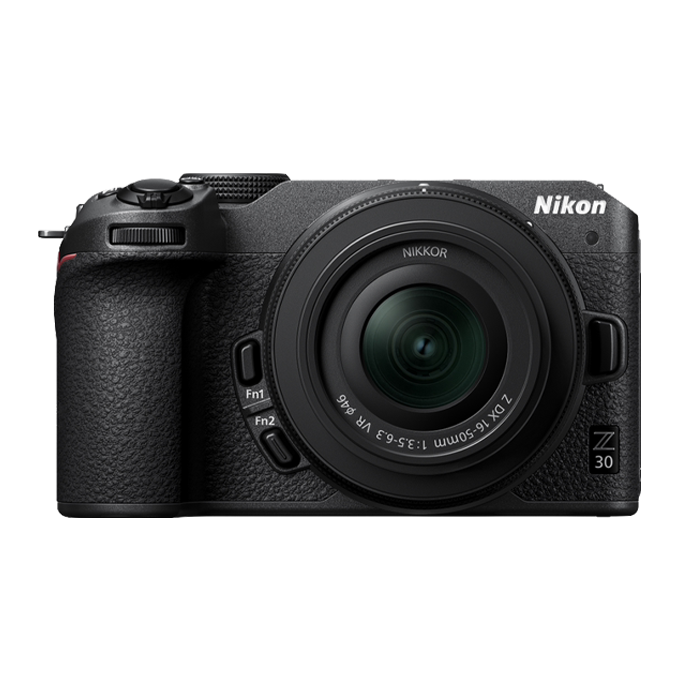
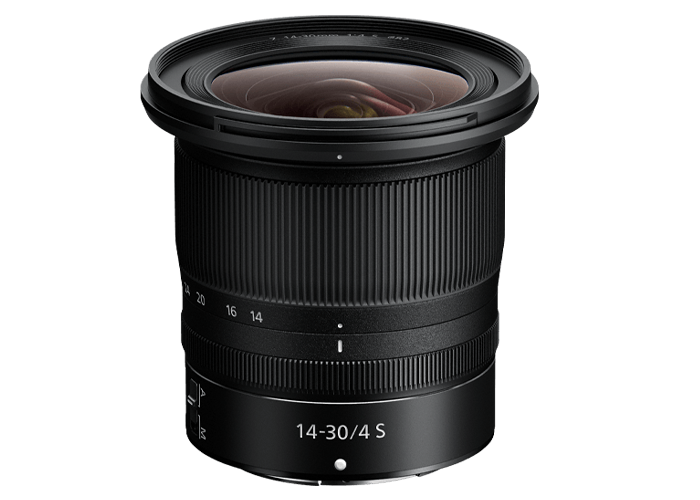
The NIKKOR Z 14-30mm f/4 S is a premium ultra-wide-angle zoom lens designed for Nikon's full-frame Z-series mirrorless cameras. As part of Nikon's S-Line, it combines a constant f/4 maximum aperture, a versatile 14-30mm focal range, and a compact retractable design. It is particularly appealing to landscape, architectural, interior, and travel photographers who want dramatic wide-angle perspectives without carrying a large, heavy lens.
One of its most distinctive features is its flat front element and standard 82mm filter thread. This design allows photographers to attach compatible screw-on circular polarizing and neutral density filters directly to the lens, avoiding the bulky filter-holder systems often associated with ultra-wide-angle optics.
The lens also features weather-resistant construction, advanced optical coatings, and a stepping autofocus motor designed for smooth, quiet operation. Its main trade-offs are the f/4 maximum aperture for low-light photography and its reliance on in-camera or software corrections to manage distortion at the widest focal lengths.
Key Specifications and Features
Ultra-Wide 14-30mm Zoom Range
The 14-30mm focal range offers an expansive field of view for capturing sweeping landscapes, dramatic skies, city architecture, and interior spaces. At 14mm, photographers can fit more of a scene into the frame, while zooming toward 30mm provides a more controlled composition with less extreme wide-angle perspective.
This flexibility makes the lens useful for travel and outdoor photography, where changing lenses may be inconvenient. It is also well suited to real estate and architectural work in locations where space is limited.
Flat Front Element and 82mm Filter Thread
A major advantage of the NIKKOR Z 14-30mm f/4 S is its flat front element, which supports a conventional 82mm screw-on filter. Photographers can use compatible neutral density filters for long exposures and video, or circular polarizers to help manage reflections and enhance contrast in suitable scenes.
This practical design reduces the need for specialized filter holders commonly used with ultra-wide lenses featuring bulbous front elements. It can make a travel kit simpler, lighter, and easier to manage.
Constant f/4 Maximum Aperture
The lens maintains a constant maximum aperture of f/4 throughout its zoom range. This provides consistent exposure flexibility when zooming and is useful for landscape photography, architecture, travel, and daytime video recording.
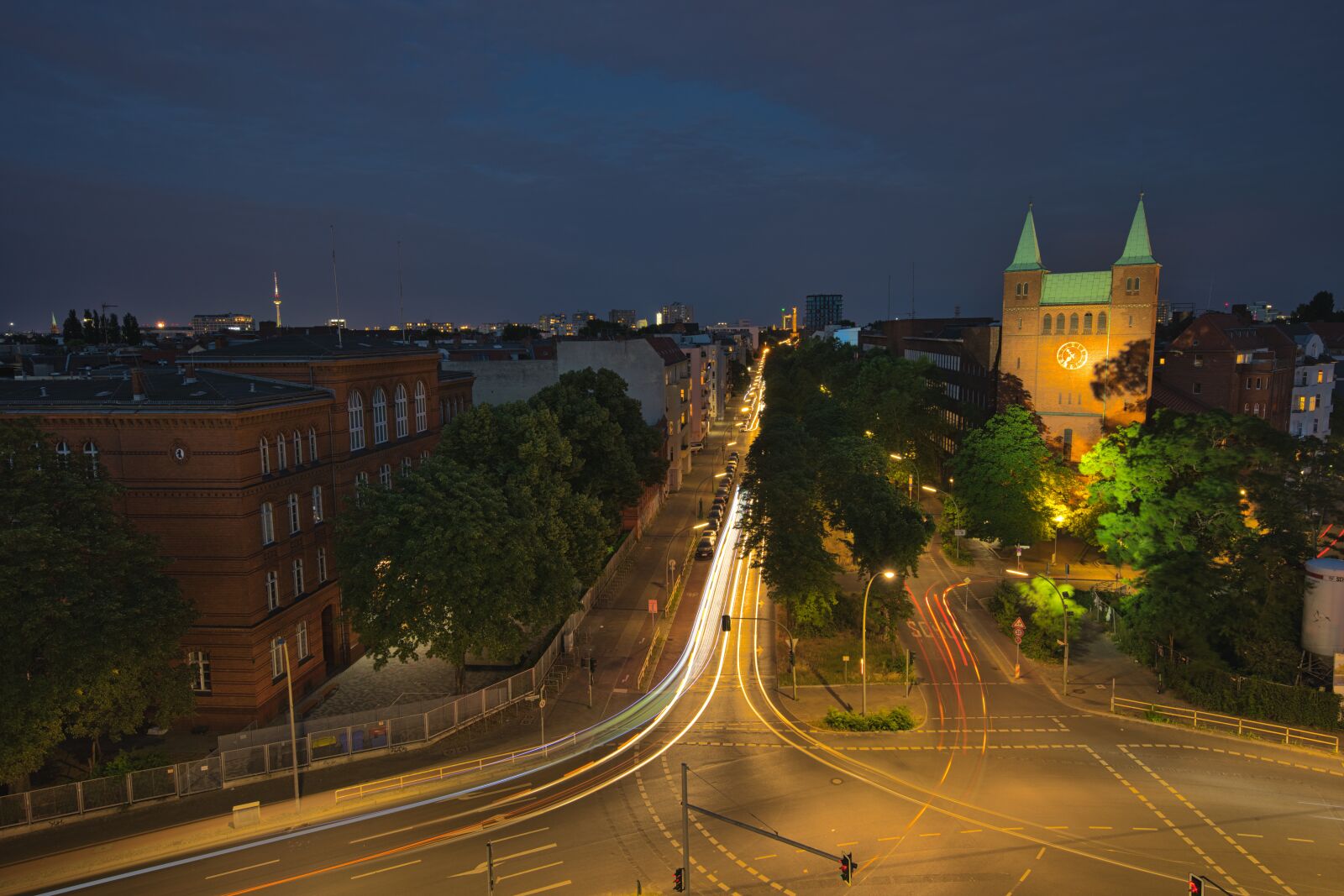
However, f/4 is less suitable than f/2.8 or wider apertures for very dark environments or astrophotography. Photographers who frequently photograph the night sky may prefer a faster ultra-wide lens that can gather more light and support lower ISO settings or shorter exposure times.
Optical Construction and Image Quality
The optical design consists of 14 elements in 12 groups, including four ED (Extra-low Dispersion) elements and four aspherical elements. These specialized elements help control chromatic aberration and other optical imperfections across the wide zoom range.
Reviews have praised the lens for its sharpness, including corner detail at wide apertures. However, distortion is pronounced in uncorrected images at the 14mm end, making electronic lens-profile corrections important to the final image. Photographers who work with RAW files should understand how their editing software handles the lens's correction profile.
Autofocus and Video Performance
The lens uses a pulse stepping motor designed to deliver smooth, quiet autofocus. This makes it suitable for still photography and video applications where distracting focus noise should be minimized.
Its wide field of view is useful for handheld video, vlogging, and gimbal work because it can capture both the subject and a substantial amount of the surrounding environment. Its relatively compact body also helps keep camera rigs manageable.
Retractable Design and Weather Resistance
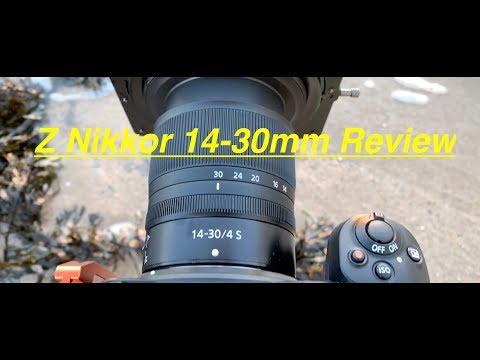
The retractable barrel design allows the lens to collapse into a compact position for storage and transportation. Before shooting, the zoom ring is turned to extend the barrel into its operating position.
The lens also features dust- and moisture-resistant construction with sealing around vulnerable areas. This provides added confidence for outdoor photography in challenging conditions, although it should not be treated as waterproof and still requires reasonable protection from severe weather.
Key Specifications
Specification | Detail |
|---|---|
Lens Mount | Nikon Z |
Format Compatibility | Full-frame Nikon Z-series mirrorless cameras |
Focal Length Range | 14–30mm |
Maximum Aperture | Constant f/4 |
Minimum Aperture | f/22 |
Optical Construction | 14 elements in 12 groups, including 4 ED and 4 aspherical elements |
Minimum Focus Distance | 11 in / 0.28 m |
Autofocus Motor | Pulse stepping motor |
Lens Coatings | Nano Crystal Coat and fluorine coating |
Filter Thread | 82mm |
Barrel Design | Retractable |
Weather Resistance | Dust- and moisture-resistant construction |
Dimensions | Approximately 3.5 × 3.3 in in the retracted position |
Weight | 485g / 17.1 oz |
Pros and Cons
Pros | Cons |
|---|---|
Ultra-wide 14-30mm focal range for expansive compositions | Constant f/4 aperture is less suitable for very low-light photography |
Standard 82mm filter thread simplifies filter use | Pronounced distortion at 14mm requires profile correction for many workflows |
Compact retractable design for travel and backpacking | Barrel must be extended from its retracted position before shooting |
Constant f/4 maximum aperture throughout the zoom range | Less light-gathering capability than an f/2.8 ultra-wide lens |
Strong sharpness, including useful corner detail | Corrected RAW output depends on lens-profile support in the editing workflow |
Dust- and moisture-resistant construction | Weather resistance does not make the lens waterproof |
Quiet stepping autofocus suitable for photo and video use | Ultra-wide perspective can exaggerate foreground objects and perspective distortion |
Who Should Buy This Lens?
Landscape and Nature Photographers
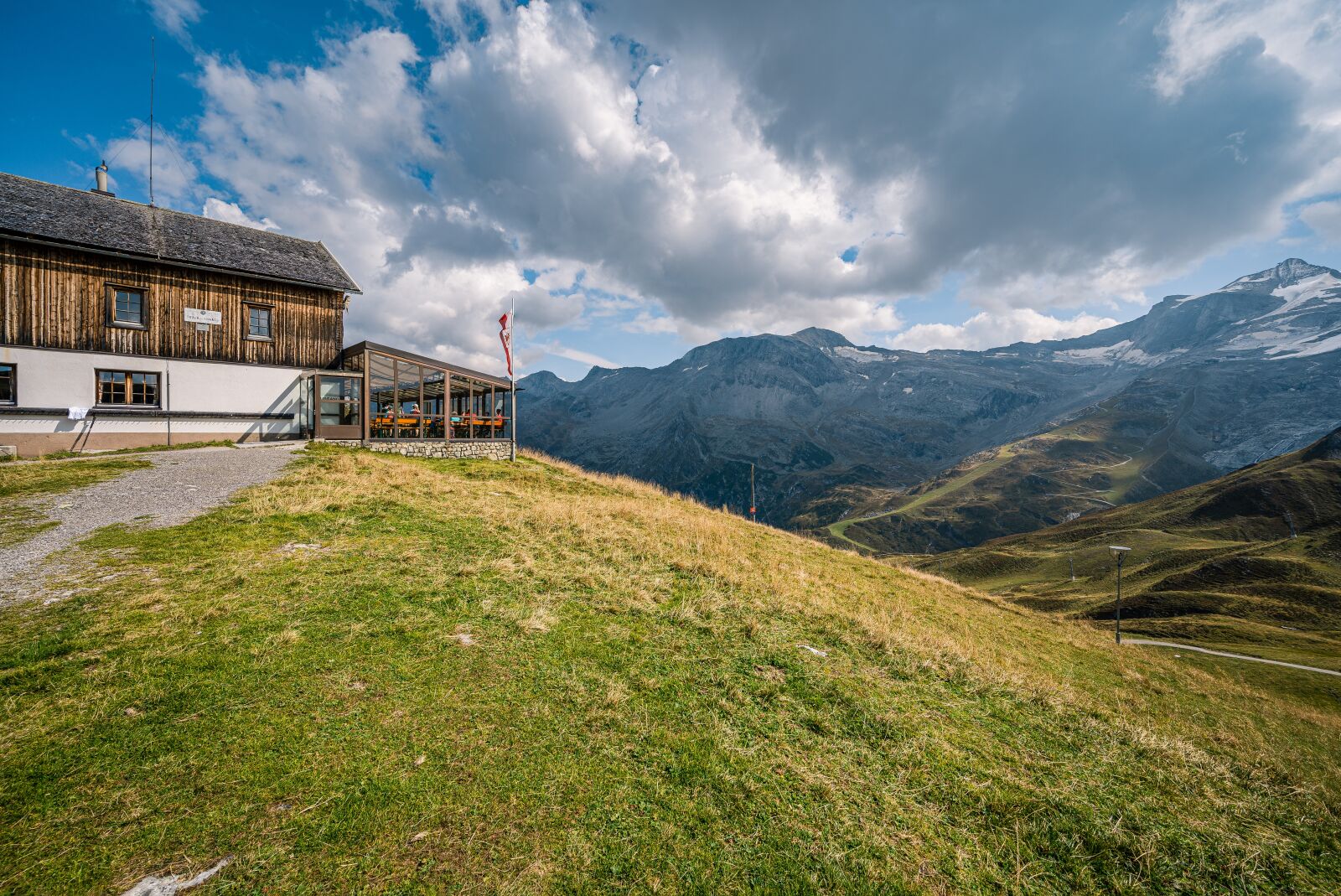
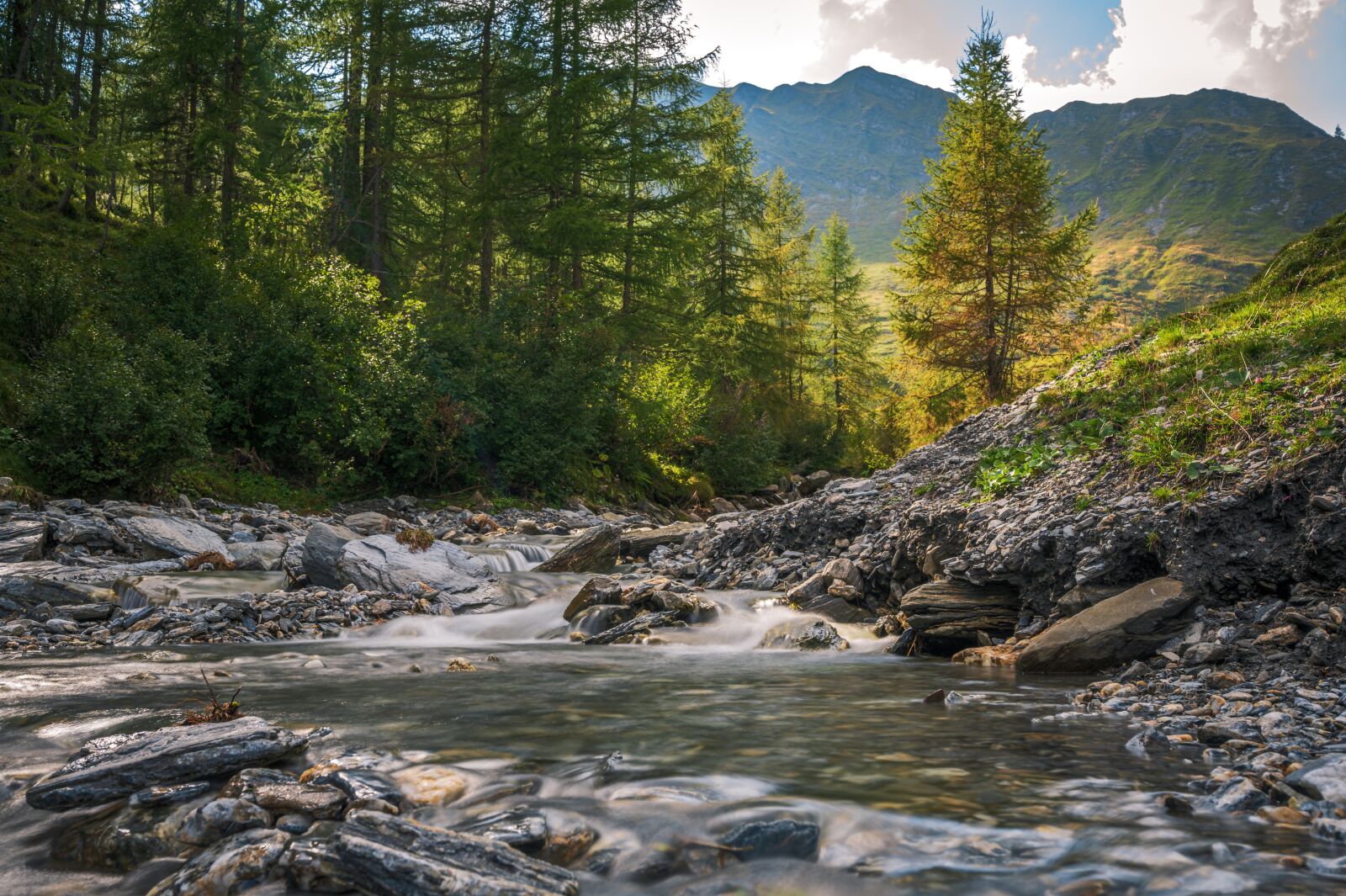
The 14mm wide end is ideal for sweeping vistas, dramatic foregrounds, mountains, coastlines, and expansive skies. The 82mm filter thread is particularly useful for photographers who regularly use ND or polarizing filters to control reflections, manage bright scenes, or create long exposures.
Architectural and Interior Photographers
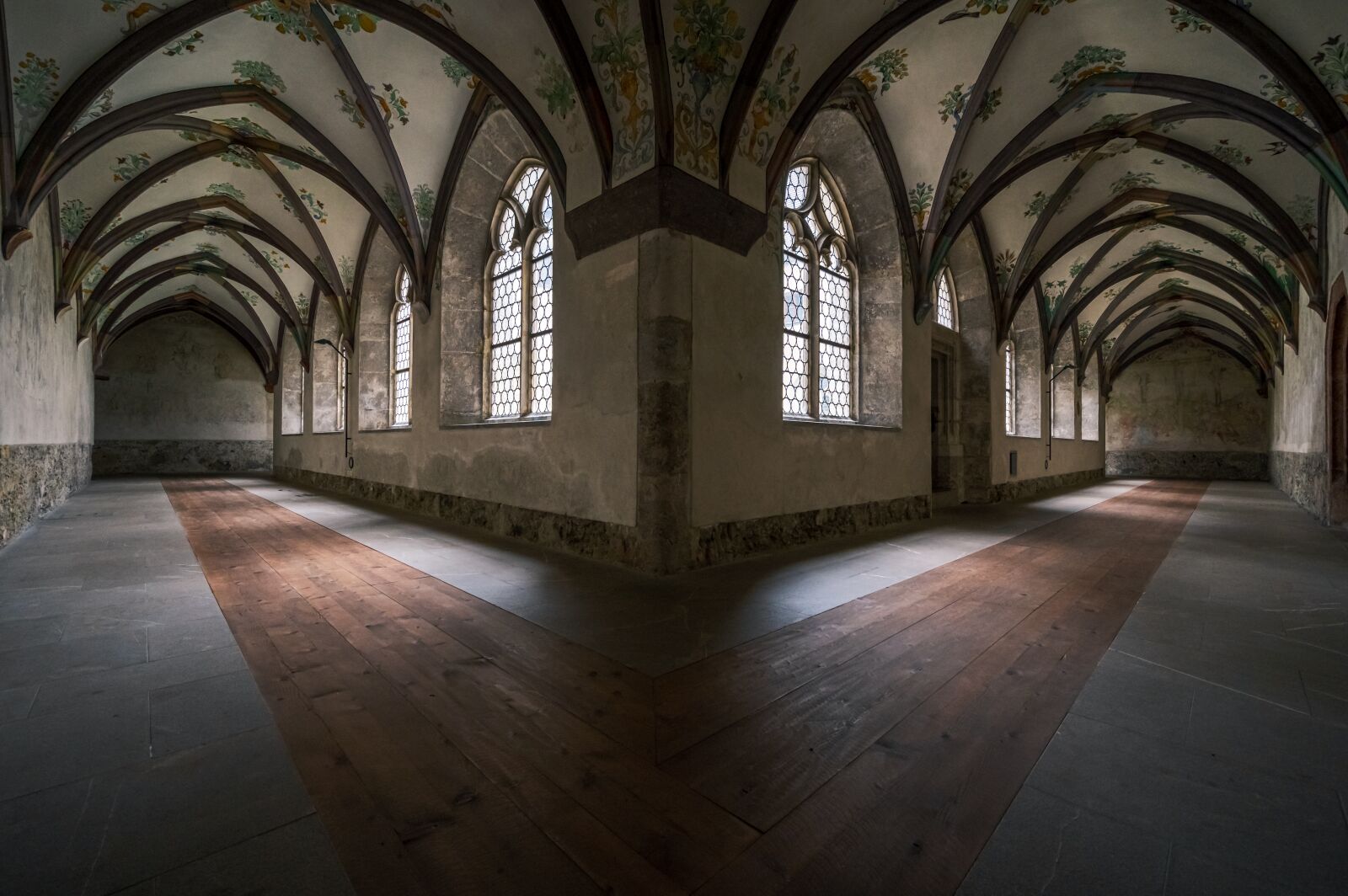
Photographers working in small rooms, real estate interiors, museums, or urban environments can benefit from the lens's wide field of view. It helps capture more of a room or building when moving farther away is not possible. Careful camera positioning and appropriate distortion correction remain important for maintaining natural-looking architectural lines.
Travelers and Backpackers
The lightweight 485g body and retractable design make this lens a practical companion for trips and hikes. It provides a dramatic wide-angle view without requiring the bulk of many professional ultra-wide zooms, while the weather-resistant construction adds reassurance during outdoor excursions.
Vloggers and Gimbal Videographers
The wide perspective can help vloggers keep themselves and their surroundings in the frame. The quiet autofocus motor and compact design also make the lens useful for handheld video and compatible gimbal setups.
Nikon Z-System Photographers
Photographers building a Nikon Z lens kit who want premium ultra-wide performance should consider this S-Line zoom. It offers a useful balance of image quality, portability, filter compatibility, and outdoor durability.
Buying Recommendation
The NIKKOR Z 14-30mm f/4 S is a strong choice if you prioritize ultra-wide versatility, compact handling, and convenient filter compatibility. It is particularly well suited to landscape, architecture, interior, and travel photography, where its broad field of view and relatively light construction offer practical advantages.
Before purchasing, consider how often you shoot in low light. The constant f/4 aperture is adequate for many daylight and tripod-based situations, but astrophotographers and photographers working in dark environments may benefit from a faster f/2.8 lens. Also, if your workflow involves RAW processing, check that your preferred software supports the lens's distortion corrections.
For photographers who need a compact ultra-wide zoom that accepts standard screw-on filters, this lens is an especially appealing option. Those who prioritize maximum light gathering over weight and convenience should compare it with faster alternatives before making a final decision.
Final Verdict
The NIKKOR Z 14-30mm f/4 S is a premium ultra-wide zoom that combines a useful 14-30mm range with impressive portability, a retractable barrel, and a convenient 82mm filter thread. Its optical design, quiet autofocus, and weather-resistant construction make it a compelling lens for landscape, architecture, travel, and video creators using Nikon Z-series cameras.
Its main compromises are the f/4 maximum aperture and the need for distortion correction at the widest focal length. These limitations are manageable for many daylight and general ultra-wide applications but may matter to photographers who frequently shoot the night sky or require maximum low-light performance.
Overall, the NIKKOR Z 14-30mm f/4 S is an excellent choice for photographers who want premium ultra-wide capability in a compact, travel-friendly lens. Its combination of image quality, standard filter compatibility, and convenient handling makes it a particularly practical option for outdoor and travel photography.
Video Reviews
Video Comparisons
Sample Images