Overview
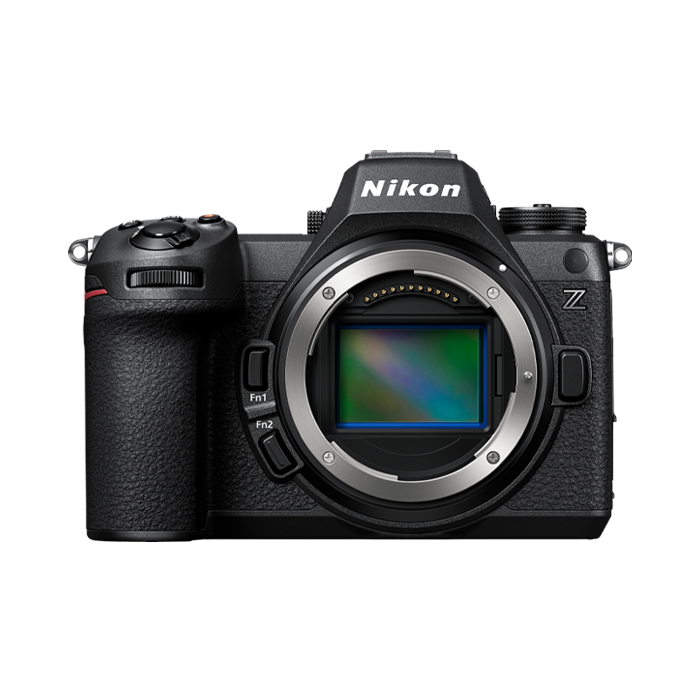
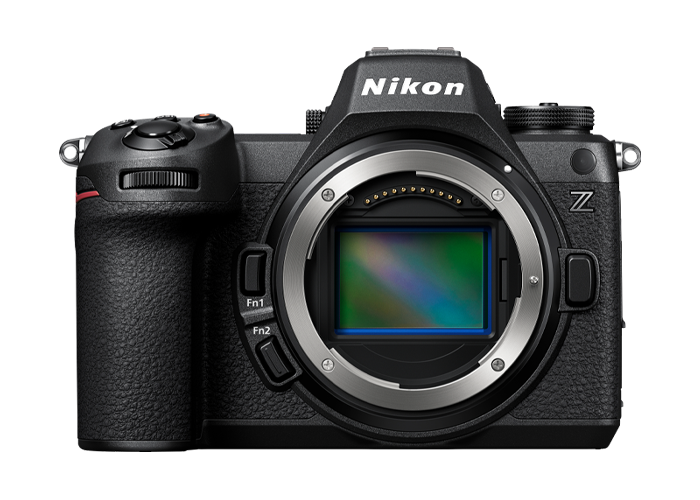
The Nikon Z6 III is a versatile full-frame mirrorless camera designed for photographers and filmmakers who need a strong balance of image quality, autofocus performance, high-speed shooting, and professional video capabilities. It features a 24.5-megapixel partially stacked CMOS sensor paired with Nikon's EXPEED 7 image processor. This sensor architecture delivers faster readout speeds than conventional sensors, helping reduce rolling-shutter distortion and enabling responsive continuous shooting.
With continuous shooting at up to 20 frames per second in RAW, advanced subject detection, and a high-resolution electronic viewfinder, the Z6 III is well suited to weddings, sports, wildlife, events, and everyday photography. Its autofocus system recognizes subjects such as people, animals, birds, and vehicles, helping photographers maintain focus as subjects move through the frame.
The Z6 III is also a capable hybrid production camera. It supports internal 6K/60p N-RAW recording, 6K/30p ProRes RAW, oversampled 4K video, and high-frame-rate Full HD recording. Its five-axis in-body image stabilization helps reduce camera shake, while the fully articulating touchscreen provides flexibility for low-angle shooting, vertical compositions, and self-recording.
Although the Z6 III delivers many professional features in a relatively compact body, it has a few trade-offs. Its 24.5MP resolution provides less cropping flexibility than the 45.7MP Nikon Z8, and its dual memory card slots use different formats: CFexpress Type B and UHS-II SD. Photographers who frequently record demanding video or shoot long bursts should also budget for fast, high-capacity memory cards.
Key Specifications and Features
24.5MP Partially Stacked Full-Frame Sensor
The Nikon Z6 III features a 24.5MP partially stacked CMOS sensor that provides a useful balance between image resolution and readout speed. Compared with the conventional sensor in the Z6 II, its faster readout supports improved action photography, reduced rolling-shutter effects, and advanced video recording options. It does not eliminate rolling shutter entirely, but it helps reduce distortion compared with slower-reading sensors.
EXPEED 7 Image Processor
The EXPEED 7 processor powers the Z6 III's autofocus, subject recognition, image processing, and continuous shooting. It enables sophisticated tracking features and responsive operation across photography and video modes. Although the camera shares its processor family and many autofocus technologies with the Nikon Z8 and Z9, its overall performance differs from those flagship models because of its sensor design and other hardware characteristics.
High-Speed Continuous Shooting
The Z6 III can capture full-resolution RAW images at up to 20 frames per second using the electronic shutter. It also supports faster shooting modes of up to 60 fps for full-frame JPEG images and up to 120 fps in DX crop mode, depending on the selected settings. These high-speed modes are particularly useful for wildlife, birds in flight, and sports, although resolution, image format, autofocus behavior, and other settings vary by mode.
Advanced Autofocus and Subject Detection
The camera's autofocus system supports subject detection for people, animals, birds, and selected vehicle types. Eye detection and subject tracking help maintain focus on moving subjects, making the Z6 III suitable for portraits, weddings, sports, and wildlife photography. Autofocus sensitivity can reach approximately -10 EV under specified conditions with suitable lenses and settings. Actual results depend on subject contrast, lighting, and the lens being used.
High-Resolution Electronic Viewfinder
The Z6 III features a 5.76-million-dot OLED electronic viewfinder with a high refresh rate and a bright display designed to remain easy to use in challenging lighting. The viewfinder supports smooth viewing during action photography and provides detailed previews of exposure and image composition. Its high brightness is useful outdoors, although real-world visibility also depends on display settings and ambient conditions.
Internal 6K RAW Video Recording
The Z6 III supports internal 6K/60p N-RAW recording and 6K/30p ProRes RAW, giving filmmakers flexibility for professional post-production workflows. It also supports oversampled 4K video up to 60p and Full HD recording at high frame rates, including up to 240p in supported modes. Recording options depend on the selected format and settings, and demanding modes require compatible, sufficiently fast memory cards and substantial storage capacity.
Five-Axis In-Body Image Stabilization
The camera incorporates five-axis in-body image stabilization, rated by Nikon at up to eight stops under specified conditions. Focus Point VR is also available with compatible settings to help optimize stabilization around the selected focus point. These features can improve handheld photography and video recording, but actual results depend on the lens, focal length, shooting technique, and subject movement. Stabilization cannot freeze moving subjects.
Fully Articulating Touchscreen
The vari-angle touchscreen swings out to the side and rotates, making it convenient for low-angle photography, overhead compositions, vertical video, and self-recording. Touch controls provide flexible access to focusing and camera functions. This design is especially useful for hybrid creators who regularly switch between still photography and video.
Dynamic Range and Image Quality
The 24.5MP sensor delivers detailed images suitable for a wide range of professional and enthusiast applications. As with other partially stacked sensor designs, the sensor's readout architecture can involve trade-offs in image characteristics compared with conventional sensors. However, dynamic range and shadow recovery depend on ISO, exposure, processing, and shooting conditions. Landscape photographers should compare real-world RAW files if maximum shadow recovery is a priority rather than assuming the camera is unsuitable for landscape work.
Dual Memory Card Slots
The Z6 III has one CFexpress Type B slot and one UHS-II SD card slot. This combination allows photographers to use a high-speed primary card while retaining compatibility with widely available SD media. The slots can support backup and other recording configurations, depending on the selected settings. When recording duplicate files to both cards, the slower card may limit sustained write performance in demanding workflows.
Professional Hybrid Camera Design
The Z6 III combines a relatively compact full-frame body with weather sealing, advanced photography controls, and professional video features. It is well suited to creators who need one camera for stills and motion rather than carrying separate systems. Its versatility makes it a practical option for weddings, events, commercial work, and wildlife photography.
Key Specifications
Specification | Nikon Z6 III |
|---|---|
Camera Type | Full-frame mirrorless camera |
Sensor | 24.5MP partially stacked CMOS |
Image Processor | EXPEED 7 |
Lens Mount | Nikon Z mount |
Autofocus | Hybrid AF with subject detection and tracking |
Subject Recognition | People, animals, birds, and selected vehicle types |
Low-Light AF Sensitivity | Down to approximately -10 EV under specified conditions |
Maximum RAW Burst Rate | Up to 20 fps |
Maximum High-Speed Shooting | Up to 60 fps full-frame JPEG and 120 fps in DX crop mode, depending on settings |
Electronic Viewfinder | 5.76-million-dot OLED EVF with high refresh rate |
LCD Screen | Fully articulating vari-angle touchscreen |
Video Recording | Internal 6K/60p N-RAW and 6K/30p ProRes RAW |
Other Video Options | Oversampled 4K up to 60p and Full HD up to 240p in supported modes |
Image Stabilization | Five-axis in-body image stabilization, rated up to 8 stops under specified conditions |
Special Stabilization Feature | Focus Point VR with compatible settings |
Memory Card Slots | One CFexpress Type B slot and one UHS-II SD slot |
Best For | Weddings, events, sports, wildlife, portraits, and hybrid video production |
Pros and Cons
Pros | Cons |
|---|---|
Partially stacked sensor offers faster readout than the Z6 II | Electronic shutter can still produce rolling-shutter distortion in challenging situations |
24.5MP full-frame sensor provides a useful balance of image quality and file size | Less cropping flexibility than higher-resolution cameras such as the Nikon Z8 |
Up to 20 fps RAW shooting for sports and wildlife | Faster shooting modes may involve JPEG capture, crop modes, or other setting restrictions |
Advanced subject recognition and tracking autofocus | Autofocus performance varies with lighting, subject movement, and lens choice |
High-resolution electronic viewfinder with a bright display | Viewfinder visibility and battery consumption depend on brightness settings and usage |
Internal 6K RAW video recording for professional workflows | RAW video requires fast memory cards, substantial storage, and powerful editing hardware |
Five-axis image stabilization helps with handheld shooting | Stabilization cannot prevent blur caused by moving subjects |
Fully articulating touchscreen supports flexible framing and video production | Side-hinged screen positioning may not suit every photographer's preferred shooting style |
Dual card slots support backup recording configurations | SD card performance may limit sustained writes when recording to both cards |
Versatile enough for both still photography and video | Costs more than entry-level cameras designed for casual photography and basic video |
Who Should Buy This Lens?
The Nikon Z6 III is a camera body rather than a lens. It is designed for photographers and filmmakers who want a versatile full-frame system with advanced autofocus, fast shooting, effective image stabilization, and professional video capabilities.
Wedding and Event Photographers
The Z6 III is well suited to weddings, receptions, conferences, and other events where lighting conditions can change quickly. Its subject detection, eye autofocus, fast continuous shooting, and in-body image stabilization help photographers capture candid moments and portraits. The dual card slots also support backup workflows, although photographers should configure and test their recording settings before important assignments.
Independent Filmmakers and Hybrid Creators
Creators who alternate between photography and video can benefit from the camera's internal 6K RAW recording, oversampled 4K options, high-frame-rate Full HD, and articulating touchscreen. It can support interviews, promotional videos, documentaries, and commercial productions without requiring a separate stills camera. Users should account for storage requirements and the workflow demands of RAW video.
Sports and Action Photographers
The partially stacked sensor, fast RAW shooting, and subject-tracking autofocus make the Z6 III a capable choice for sports and action photography. Its high-speed JPEG modes can also help capture brief moments, although photographers should check the resolution and capture restrictions of each mode. For the most demanding action work, sensor readout behavior and rolling-shutter effects remain important considerations.
Wildlife and Bird Photographers
The Z6 III offers a useful combination of subject detection, fast bursts, and full-frame image quality for wildlife photography. It can capture birds in flight and unpredictable animal behavior, especially when paired with a suitable telephoto lens. Its 24.5MP resolution provides less cropping room than the Nikon Z8, so photographers who frequently photograph distant birds may prefer the Z8's higher resolution.
Portrait and General Photography Enthusiasts
The camera's full-frame sensor, autofocus tracking, and image stabilization make it suitable for portraits, family photography, travel, and everyday creative work. Its resolution is sufficient for many prints and professional applications while keeping files relatively manageable. The articulating screen also makes it useful for self-portraits and casual video recording.
Who Should Consider Another Camera?
Landscape photographers who prioritize maximum resolution and extensive cropping may prefer the Nikon Z8 or another higher-resolution camera. Photographers who need a simpler and less expensive system for family pictures and casual vlogging may find an entry-level body more economical. Those who regularly shoot distant birds or wildlife should compare the Z6 III's 24.5MP files with higher-resolution alternatives before deciding.
Buying Recommendation
The Nikon Z6 III is a strong option for photographers and filmmakers who want one camera for demanding still photography and professional video. Its partially stacked sensor, EXPEED 7 processor, subject-detection autofocus, high-speed shooting, and internal RAW video capabilities make it a versatile choice for events, weddings, action, and hybrid production.
For wedding and event photographers, its autofocus and stabilization features are particularly useful in changing light and fast-moving situations. For filmmakers, the internal 6K RAW options provide flexibility for post-production, although they require suitable media, storage, and editing hardware.
Before buying, consider the cost of CFexpress Type B cards and whether you need a second card for backup recording. If you regularly shoot high-speed bursts or record high-bitrate video, choose cards that meet the camera's requirements. You should also test your preferred shooting modes to understand their frame-rate, resolution, and recording limitations.
If you primarily photograph birds and distant wildlife and often crop heavily, compare the Z6 III with the 45.7MP Nikon Z8. If you need a balanced full-frame camera for both photography and video, the Z6 III offers a compelling combination of speed, versatility, and professional features.
Final Verdict
The Nikon Z6 III is a highly versatile full-frame mirrorless camera that combines a fast partially stacked sensor with advanced autofocus, high-speed shooting, in-body image stabilization, and professional internal video recording. Its 24.5MP resolution provides a practical balance for photographers who value speed and manageable file sizes, while its video features make it attractive to hybrid creators.
Its main compromises include lower resolution than high-megapixel alternatives, the mixed CFexpress and SD card configuration, and the fact that electronic-shutter rolling distortion is reduced rather than eliminated. Photographers working with RAW video must also plan for the additional demands on memory cards and editing storage.
For weddings, events, sports, wildlife, and independent video production, the Nikon Z6 III offers a strong combination of performance and versatility. It is especially appealing to creators who need a single camera for both fast-moving photography and high-quality video without moving to a larger, more expensive flagship body.
Video Reviews
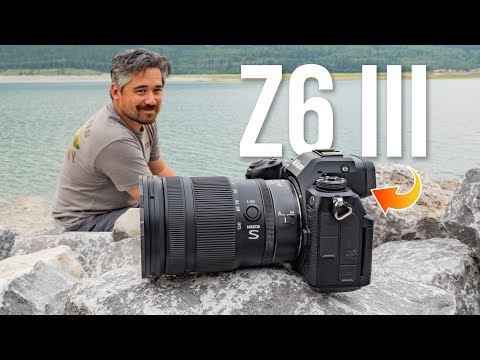


Video Comparisons
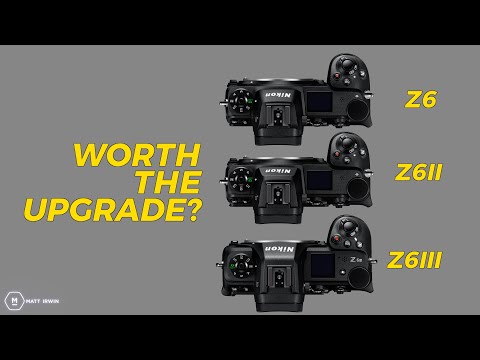
Sample Images