Overview
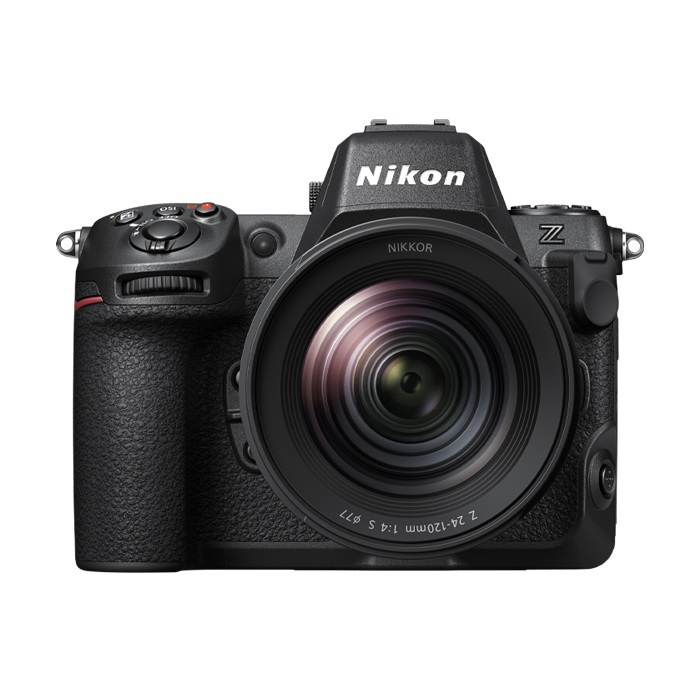
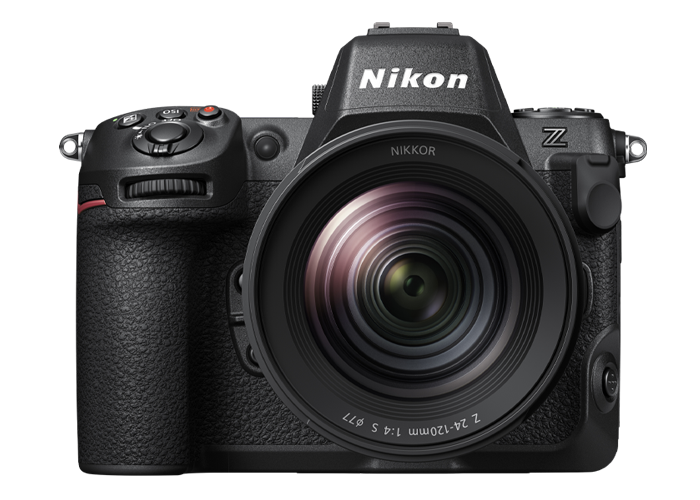
The Nikon Z8 is a high-performance full-frame mirrorless camera often described as the “Baby Z9” because it delivers many of the flagship capabilities of the Nikon Z9 in a smaller, lighter body. Combining a 45.7-megapixel stacked CMOS sensor with Nikon’s EXPEED 7 image processor, the Z8 offers exceptional image detail, fast continuous shooting, advanced subject detection, and professional video recording capabilities.
Designed for demanding photography and videography, the Z8 features a fully electronic shutter, advanced autofocus with subject recognition, blackout-free electronic viewfinder operation, and high-speed burst shooting. It can capture RAW images at up to 20 frames per second, full-resolution JPEG images at up to 30 fps, and lower-resolution images at up to 120 fps. Its Pre-Release Capture feature can record moments before the shutter is fully pressed, making it especially useful for photographing unpredictable wildlife and fast-moving sports.
For video creators, the Z8 supports internal 8.3K/60p recording in Nikon’s N-RAW format, along with 10-bit ProRes 422 HQ recording and 4K/120p video. In-body image stabilization helps reduce camera shake during handheld photography and video recording.
Although it shares many capabilities with the flagship Z9, the Z8 uses a smaller EN-EL15-series battery and combines one CFexpress Type B/XQD-compatible slot with one UHS-II SD card slot. These differences are important considerations for professionals who shoot long events or rely on sustained high-speed bursts.
Key Specifications and Features
45.7MP Full-Frame Stacked CMOS Sensor
The Z8’s 45.7MP stacked sensor delivers detailed images with excellent resolution for wildlife, sports, portraits, weddings, landscapes, and commercial photography. Its fast sensor readout supports high-speed electronic-shutter shooting while helping reduce rolling-shutter distortion. Like other electronic-shutter cameras, however, it does not eliminate rolling-shutter effects in every situation.
Electronic Shutter and Blackout-Free Viewfinder
The Nikon Z8 does not have a mechanical shutter. Its electronic shutter enables silent shooting and eliminates mechanical-shutter wear. The electronic viewfinder provides a smooth, blackout-free experience during supported continuous shooting, helping photographers maintain visual contact with fast-moving subjects.
High-Speed Continuous Shooting
The camera supports full-resolution RAW shooting at up to 20 fps, full-resolution JPEG shooting at up to 30 fps, and 11MP JPEG capture at up to 120 fps. Actual shooting duration depends on image settings, card performance, and buffer conditions. These capabilities make the Z8 particularly attractive to sports photographers and wildlife photographers who need to capture brief, unpredictable moments.
Pre-Release Capture
Pre-Release Capture can record images before the shutter-release button is fully pressed, with the available capture interval depending on the selected settings. This feature is especially valuable for photographing birds taking flight, sudden animal behavior, or decisive moments in sports.
Advanced Autofocus and Subject Detection
The 493-point autofocus system combines subject detection with Nikon’s 3D-tracking capabilities. It can recognize a range of subjects, including people, animals, birds, and vehicles such as airplanes and trains. Eye detection and subject tracking help maintain focus as subjects move through the frame, although performance can vary with lighting, subject size, background complexity, and obstructions.
Professional Internal Video Recording
The Z8 supports internal 8.3K/60p recording in Nikon’s N-RAW format, internal 10-bit ProRes 422 HQ recording, and 4K/120p video. These options provide flexibility for high-resolution production, professional editing workflows, and slow-motion footage. Available recording formats and frame rates depend on the selected settings, and demanding recording modes require suitable memory cards and careful thermal management.
Five-Axis In-Body Image Stabilization
The five-axis in-body image stabilization system helps compensate for camera movement during handheld photography and video recording. Nikon rates the system at up to approximately six stops under specified conditions. Actual results vary with the lens, focal length, shooting technique, and subject movement. Image stabilization cannot freeze a moving subject.
Compact Professional Body
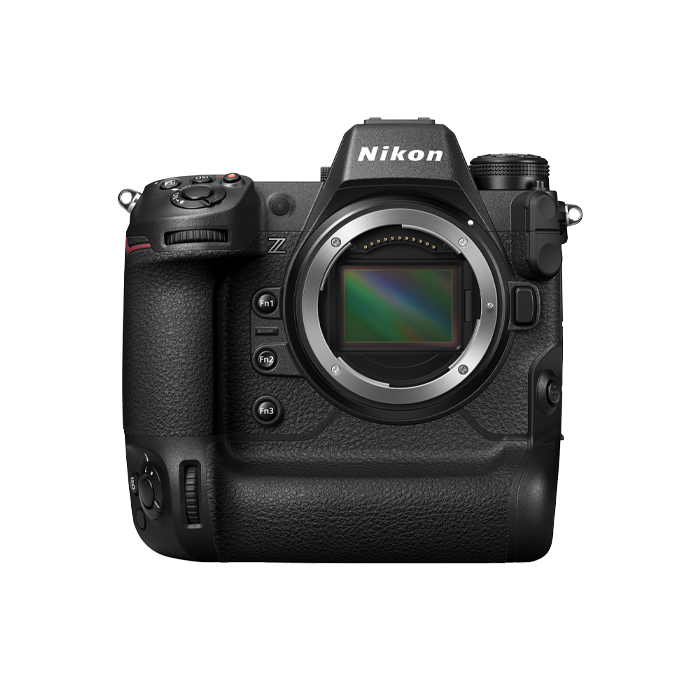
Compared with the Nikon Z9, the Z8 has a smaller body without an integrated vertical grip. Its reduced size and weight make it easier to carry on hikes, travel assignments, and extended wildlife outings. It remains a substantial professional camera, however, particularly when paired with large telephoto lenses.
Dual Memory Card Slots
The camera features one CFexpress Type B/XQD-compatible slot and one UHS-II SD card slot. Photographers can configure supported recording options for backup, overflow, or other workflows. When recording duplicate files to both cards, the SD card may limit sustained write performance, depending on the file format, card speed, and shooting conditions.
Battery Life and Thermal Considerations
The Z8 uses an EN-EL15-series battery, including the EN-EL15c, rather than the larger battery used by the Z9. Battery life depends on viewfinder use, image review, wireless functions, temperature, and recording settings. Carrying spare batteries is advisable for long wildlife outings, weddings, and professional assignments. High-resolution video recording can also generate heat, so users planning extended recording sessions should check the operating limits for their chosen recording mode.
Key Specifications
Specification | Nikon Z8 |
|---|---|
Camera Type | Full-frame mirrorless camera |
Sensor | 45.7MP stacked CMOS |
Image Processor | EXPEED 7 |
Lens Mount | Nikon Z mount |
Autofocus | Hybrid AF with 493 focus points and subject detection |
Subject Recognition | People, animals, birds, and selected vehicle types |
Maximum RAW Burst Rate | Up to 20 fps |
Maximum Full-Resolution JPEG Burst Rate | Up to 30 fps |
Maximum High-Speed Capture | Up to 120 fps at approximately 11MP |
Shutter | Electronic shutter only |
Viewfinder | Electronic viewfinder with blackout-free shooting support |
Pre-Release Capture | Supported with compatible settings |
Maximum Video Resolution | 8.3K/60p in N-RAW, subject to recording settings |
Other Video Options | Internal 10-bit ProRes 422 HQ and 4K/120p |
Image Stabilization | Five-axis in-body image stabilization |
Memory Card Slots | One CFexpress Type B/XQD slot and one UHS-II SD slot |
Battery | EN-EL15-series battery, including EN-EL15c |
Body Design | Weather-sealed professional body without an integrated vertical grip |
Best For | Wildlife, birds, sports, weddings, commercial photography, and hybrid video production |
Pros and Cons
Pros | Cons |
|---|---|
45.7MP stacked sensor delivers detailed, high-resolution images | Battery capacity is more limited than the Nikon Z9’s integrated-grip battery system |
Fast electronic shutter supports silent shooting and reduces mechanical wear | Electronic shutter can still produce rolling-shutter distortion in challenging situations |
Up to 20 fps RAW shooting for fast action | Sustained burst performance depends on card speed, file format, and buffer conditions |
Pre-Release Capture helps record unpredictable moments | Some high-speed modes use reduced image resolution or specific file settings |
Advanced subject detection and 3D tracking | Autofocus reliability can decrease with poor lighting, obstructions, or difficult backgrounds |
Internal 8.3K N-RAW, ProRes 422 HQ, and 4K/120p video options | High-resolution video requires fast cards, substantial storage, and capable editing hardware |
Blackout-free electronic viewfinder experience during supported shooting | Some photographers may prefer the larger grip and integrated battery capacity of the Z9 |
In-body image stabilization helps with handheld shooting | Stabilization cannot prevent motion blur from moving subjects |
Smaller and lighter than the Nikon Z9 | Still relatively large and heavy compared with many travel-oriented mirrorless cameras |
Dual card slots support backup recording workflows | The SD card slot may limit sustained write speed when recording to both cards |
Who Should Buy This Lens?
The Nikon Z8 is a camera body rather than a lens. It is designed for photographers and filmmakers who want high resolution, fast action performance, advanced autofocus, and professional video capabilities in a body smaller than the Nikon Z9.
Wildlife and Bird Photography
The Z8 is an excellent choice for wildlife photographers who need to capture birds in flight, animals moving through difficult environments, and fleeting behavioral moments. Its 45.7MP sensor provides room for cropping, while subject detection, 3D tracking, fast bursts, and Pre-Release Capture help improve the chances of recording decisive action. For bird photography, pairing it with a suitable Nikon Z telephoto lens can make the system particularly capable.
Sports and Action Photography
Sports photographers can benefit from the camera’s fast burst rates, responsive autofocus, blackout-free viewfinder operation, and high-resolution files. It is well suited to capturing athletes, motorsports, and other fast-moving subjects. Photographers covering especially rapid lateral movement should still consider the potential effects of electronic-shutter readout and rolling shutter.
Wedding and Event Professionals
The Z8 offers silent shooting, high-resolution files, sophisticated subject detection, and dual-card recording options that suit weddings and other important events. Its electronic shutter avoids mechanical-shutter wear and can reduce disruption in quiet settings. Professionals should test their lighting environment for potential banding or flicker and carry spare batteries for long assignments.
Commercial and Hybrid Filmmakers
For creators who need both still photography and advanced video, the Z8 offers a broad range of internal recording formats, high-resolution capture, slow-motion options, and in-body stabilization. It can serve as a powerful hybrid production camera, although demanding video workflows require fast media, large storage capacity, and careful management of recording time and temperature.
Landscape, Portrait, and Commercial Photographers
The 45.7MP sensor is well suited to detailed landscapes, portraits, architecture, and product photography. Its resolution allows substantial cropping and supports output for large prints. The Z8 is also versatile enough for studio work and location assignments where image quality and reliable performance are priorities.
Who Should Consider Another Camera?
Photographers who regularly record hours of uninterrupted video may prefer a camera designed around longer recording sessions, such as the Nikon Z9, depending on the video mode and operating conditions. Travelers and casual photographers who rarely need high-speed bursts or advanced video may find a smaller, less expensive body more practical. Those who prioritize an integrated vertical grip and longer battery endurance should also consider the Z9.
Buying Recommendation
The Nikon Z8 is a strong recommendation for photographers who want flagship-level performance without carrying the larger Nikon Z9 body. Its combination of 45.7MP resolution, rapid continuous shooting, sophisticated autofocus, Pre-Release Capture, and professional internal video recording makes it one of the most versatile options in Nikon’s mirrorless lineup.
For wildlife and bird photographers, the Z8 is especially appealing because it combines high resolution with fast shooting and advanced subject tracking. The ability to crop images while retaining substantial detail is valuable when photographing distant subjects. However, autofocus performance and image sharpness will also depend on the lens, shutter speed, lighting, and shooting technique.
Before buying, budget for additional EN-EL15-series batteries and fast, reliable memory cards. If you plan to record high-bitrate N-RAW or ProRes video, consider the cost of larger-capacity cards and storage for editing and archiving. For critical assignments, configure and test the dual-card recording setup before the job.
If you need an integrated vertical grip, greater battery capacity, or a body designed for demanding extended operation, compare the Z8 with the Nikon Z9. If portability and price matter more than maximum resolution, high-speed bursts, or advanced video features, consider a less expensive Nikon Z-series body instead.
Final Verdict
The Nikon Z8 is a highly capable professional mirrorless camera that brings much of the Nikon Z9’s performance into a more compact body. Its 45.7MP stacked sensor, advanced autofocus, high-speed shooting, Pre-Release Capture, blackout-free viewfinder operation, and powerful video options make it an outstanding all-around tool for demanding photographers and hybrid creators.
Its main compromises are battery endurance, the mixed CFexpress/XQD and SD card configuration, and the limitations inherent to electronic-shutter readout and extended high-resolution video recording. These factors are manageable for many professionals but deserve careful consideration when planning long assignments.
For wildlife, birds in flight, sports, weddings, commercial photography, and hybrid video production, the Nikon Z8 offers an impressive balance of resolution, speed, and versatility. For photographers who want high-end performance without the size of an integrated-grip flagship body, it remains a compelling camera to consider.
Video Reviews


Video Comparisons

Sample Images