Overview
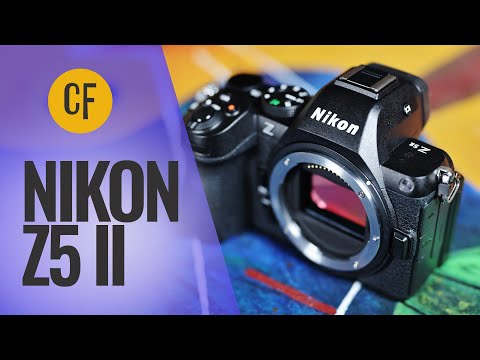
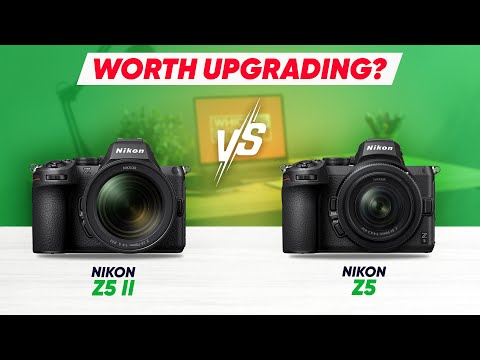
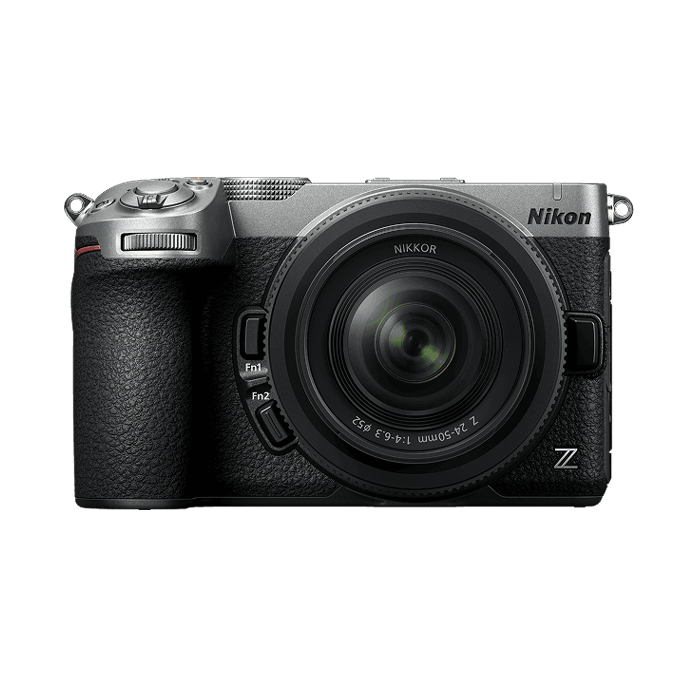
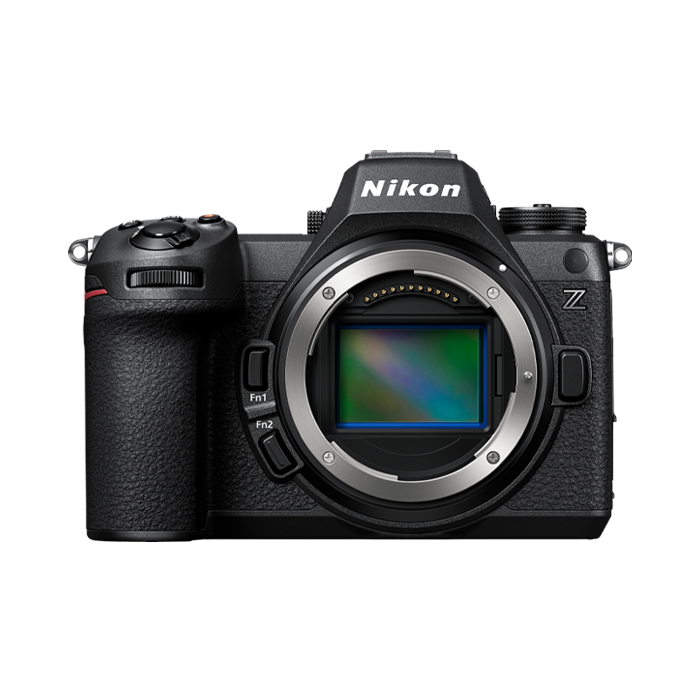
The Nikon Z5 II is a full-frame mirrorless camera designed for photographers and hybrid creators who want advanced autofocus, strong low-light performance, and versatile video capabilities without paying flagship-camera prices. Featuring a 24.5MP full-frame BSI-CMOS sensor and Nikon's powerful EXPEED 7 image processor, it delivers a substantial performance upgrade over its predecessor, the original Nikon Z5.
Powered by the same generation of processing technology used in Nikon's higher-end Z-series cameras, the Z5 II offers advanced subject recognition, 3D-tracking autofocus, improved burst shooting, and enhanced image stabilization. Its autofocus system recognizes nine subject categories, including people, birds, animals, and vehicles, making it suitable for portraits, wildlife, travel, and everyday photography.
The camera also offers impressive low-light autofocus capabilities, with a rated sensitivity down to -10 EV under specified conditions, along with Starlight View to assist composition in very dark environments. Its 5-axis in-body image stabilization provides up to 7.5 stops of compensation under compatible conditions, helping photographers capture sharper handheld images at slower shutter speeds.
For video creators, the Nikon Z5 II supports oversampled 4K recording at up to 30p using the full-frame sensor width, as well as 4K/60p with a DX crop. Internal 12-bit N-RAW recording and 10-bit N-Log provide additional flexibility for color grading and post-production. A fully articulating touchscreen, a 3.69-million-dot electronic viewfinder, and access to Nikon Imaging Cloud color profiles further expand its appeal.
Although the Z5 II offers impressive features for its price, it has some limitations. Electronic-shutter burst rates depend on the selected file format, 4K/60p video introduces a substantial crop, and the camera lacks a top-plate status LCD. Nevertheless, it is a compelling option for enthusiasts seeking a capable full-frame camera for photography and video.
Key Specifications and Features
24.5MP Full-Frame BSI-CMOS Sensor
The 24.5MP sensor delivers detailed images, attractive background separation, and strong low-light performance. Its resolution is well suited to portraits, landscapes, travel photography, and general-purpose shooting. Photographers can also benefit from the flexibility of full-frame image quality when editing exposure and recovering shadow detail, although results depend on lighting, exposure, and processing.
EXPEED 7 Image Processor
The EXPEED 7 processor powers the camera's advanced autofocus algorithms, subject detection, continuous shooting, and video functions. Its processing capabilities bring features associated with Nikon's higher-end mirrorless models into a more affordable camera body.
Advanced Autofocus with 3D Tracking
The autofocus system uses subject detection and deep-learning technology to recognize nine subject categories, including people, birds, animals, and vehicles. Eye detection and 3D tracking help maintain focus on moving subjects, making the camera useful for portraits, family photography, wildlife, and everyday action.
Low-Light Autofocus and Starlight View
With autofocus sensitivity rated down to -10 EV under specified conditions, the Z5 II can focus in very dark environments when suitable lenses and settings are used. Starlight View helps photographers compose scenes in extremely dim conditions, making the camera useful for night photography and low-light creative work.
High-Speed Continuous Shooting
The Nikon Z5 II supports continuous shooting at up to 14 frames per second with the mechanical shutter and up to 30 frames per second with the electronic shutter in JPEG mode. A Pre-Release Capture feature can record images from before the shutter is fully pressed, helping photographers capture fleeting moments. Electronic-shutter performance varies with file format and settings, so photographers who primarily shoot RAW should check the supported frame rates for their preferred configuration.
5-Axis In-Body Image Stabilization
The in-body image stabilization system provides up to 7.5 stops of shake reduction under compatible conditions, with performance varying according to the lens, focal length, and shooting technique. Focus-point VR helps optimize stabilization around the selected focus area. This can be particularly helpful for handheld portraits, landscapes, and twilight photography, although stabilization cannot freeze subject movement.
Advanced Video Recording
The Z5 II supports 4K video recording at up to 30p using the full sensor width, with oversampling for detailed footage. Recording at 4K/60p introduces a 1.5x DX crop, narrowing the field of view. Internal 12-bit N-RAW and 10-bit N-Log recording provide greater flexibility for filmmakers who want more control over color grading and highlight recovery in post-production.
Electronic Viewfinder and Fully Articulating Touchscreen
The camera features a 3.69-million-dot electronic viewfinder and a fully articulating touchscreen that can flip out and rotate for low-angle shots, overhead compositions, and video recording. The viewfinder's high brightness helps with outdoor composition, while the flexible screen is useful for travel photography, self-recording, and creative framing.
Picture Controls and Nikon Imaging Cloud
A dedicated Picture Control button makes it easier to access creative color profiles directly from the camera. Compatibility with Nikon Imaging Cloud enables supported color profiles and imaging recipes to be downloaded, giving photographers additional ways to customize JPEG output and streamline their workflow.
Key Specifications
Specification | Nikon Z5 II |
|---|---|
Camera Type | Full-frame mirrorless camera |
Sensor | 24.5MP full-frame BSI-CMOS |
Image Processor | EXPEED 7 |
Autofocus | Hybrid AF with subject detection and 3D tracking |
Recognized Subject Categories | 9 categories, including people, animals, birds, and vehicles |
Low-Light AF Sensitivity | Down to -10 EV under specified conditions |
Maximum Mechanical-Shutter Burst | Up to 14 fps |
Maximum Electronic-Shutter Burst | Up to 30 fps in JPEG mode |
Pre-Release Capture | Supported; timing and performance depend on settings |
In-Body Image Stabilization | 5-axis, up to 7.5 stops under compatible conditions |
Maximum Standard 4K Frame Rate | Up to 4K/30p using the full sensor width |
4K/60p Recording | Available with a 1.5x DX crop |
Internal RAW Video | 12-bit N-RAW |
Log and HDR Video | 10-bit N-Log and HLG supported |
Electronic Viewfinder | 3.69-million-dot EVF |
Rear Monitor | Fully articulating touchscreen |
Creative Color Profiles | Picture Controls and supported Nikon Imaging Cloud profiles |
Top-Plate Status LCD | Not included |
Lens Mount | Nikon Z mount |
Typical Intended Users | Enthusiasts, portrait photographers, travel photographers, and hybrid creators |
Pros and Cons
Pros | Cons |
|---|---|
24.5MP full-frame sensor delivers versatile image quality and strong low-light potential. | Resolution is lower than that of high-megapixel cameras designed for extensive cropping or large prints. |
EXPEED 7 processor enables advanced autofocus and subject recognition. | Electronic-shutter RAW burst rates can be substantially lower than the headline 30 fps JPEG rate. |
Recognizes nine subject categories and supports 3D tracking. | Fast action photographers may prefer a higher-performance body with more specialized burst and readout capabilities. |
Low-light autofocus and Starlight View are useful for night and dimly lit scenes. | Low-light autofocus performance depends on the lens, subject contrast, and shooting conditions. |
Up to 7.5 stops of in-body image stabilization under compatible conditions. | IBIS cannot prevent motion blur caused by moving subjects. |
Internal 12-bit N-RAW and 10-bit N-Log provide advanced video workflows. | 4K/60p uses a 1.5x DX crop, which limits wide-angle framing. |
Fully articulating touchscreen supports flexible composition and self-recording. | No top-plate LCD for quickly checking shooting information. |
Compact full-frame system with access to Nikon Z-mount lenses. | Power users recording long video sessions may want spare batteries and additional storage. |
Picture Controls and supported cloud-based color profiles offer creative flexibility. | Some connected features require compatible services, setup, and an internet connection. |
Who Should Buy This Lens?
Despite the requested heading, the Nikon Z5 II is a camera body, not a lens. It is designed for photographers and video creators who want full-frame image quality and modern autofocus features in a relatively affordable camera.
1. Enthusiasts Upgrading to Full Frame
Photographers moving from entry-level APS-C cameras can benefit from the Z5 II's full-frame sensor, improved subject tracking, and in-body image stabilization. Its 24.5MP resolution provides enough detail for everyday photography, portraits, travel, and many landscape applications without creating excessively large files.
2. Portrait and Low-Light Photographers
The full-frame sensor, eye-detection autofocus, and advanced subject recognition make the Z5 II a strong option for portraits, family gatherings, indoor events, and evening street photography. Its stabilization can also help when shooting stationary subjects in dim light, especially when paired with a suitable lens.
3. Travel and Landscape Photographers
The Z5 II offers a useful combination of resolution, stabilization, and a flexible articulating screen. Landscape photographers can capture detailed scenes and adjust exposure during editing, while travel photographers can benefit from the full-frame system's image quality and access to a wide range of Nikon Z lenses. A tripod may still be preferable for long exposures or maximum landscape sharpness.
4. Wildlife and Casual Action Photographers
The subject-recognition autofocus system and high-speed JPEG shooting make the Z5 II suitable for many wildlife encounters, pets, children, and casual sports. However, photographers who regularly capture fast birds in flight or demanding sports sequences should consider the RAW burst rate, electronic-shutter behavior, buffer performance, and rolling-shutter characteristics before choosing it as their primary action camera.
5. Independent Videographers and Hybrid Creators
Internal N-RAW, 10-bit N-Log, and 4K recording options give the Z5 II considerable flexibility for independent filmmaking, interviews, travel videos, and online content. The fully articulating screen is useful for recording from different angles. Creators who frequently shoot wide-angle 4K/60p should account for the 1.5x crop when choosing lenses and planning compositions.
Who Should Consider Another Camera?
Professional sports photographers, demanding wildlife specialists, and users who routinely shoot high-speed RAW sequences may be better served by a camera designed around faster sensor readout and more sustained action performance, such as the Nikon Z6 III or Z8. Likewise, videographers who need uncropped 4K/60p should compare cameras that provide that recording mode without a substantial crop.
Buying Recommendation
The Nikon Z5 II is worth considering if you want a versatile full-frame camera with advanced autofocus, in-body image stabilization, and serious video features without moving into Nikon's more expensive professional bodies. Its EXPEED 7 processor brings modern subject recognition and tracking to a camera that can serve as a capable everyday photography tool.
For portrait, travel, landscape, family, and general-purpose photography, the 24.5MP sensor offers a practical balance between image detail, file size, and low-light performance. The camera's stabilization and autofocus features can also help photographers capture more usable images in challenging situations.
Before buying, consider three important trade-offs:
RAW action photography: Do not base your decision solely on the 30 fps headline figure. That rate applies to JPEG shooting, while electronic-shutter RAW performance depends on the selected format and settings.
Video framing: The 1.5x crop in 4K/60p can make wide-angle shooting more difficult. Choose an appropriate lens and check the crop before committing to a video workflow.
System cost: Budget for lenses, memory cards, spare batteries, and other accessories. These can have a significant impact on the total cost of moving to full frame.
If your priority is an affordable, well-rounded full-frame camera for still photography and occasional or semi-professional video, the Z5 II offers a compelling feature set. If you frequently shoot fast-moving wildlife in RAW or need more advanced video recording flexibility, compare it carefully with the Nikon Z6 III and Z8 before making your final decision.
Final Verdict
The Nikon Z5 II is a capable full-frame mirrorless camera that combines a 24.5MP sensor with the EXPEED 7 processor, sophisticated autofocus, in-body image stabilization, and advanced video recording options. These features make it a versatile choice for enthusiasts who want to photograph a wide range of subjects without paying flagship-camera prices.
Its greatest strengths are its autofocus capabilities, low-light potential, stabilization, and hybrid photo-video functionality. The main compromises are its more limited high-speed RAW shooting performance, the crop applied to 4K/60p video, and the absence of a top-plate status display.
Overall, the Nikon Z5 II is best suited to photographers who value versatility, image quality, and modern autofocus over maximum action-shooting speed. For portraits, travel, landscapes, everyday photography, and independent video production, it offers a well-balanced entry into Nikon's full-frame mirrorless system.