Overview
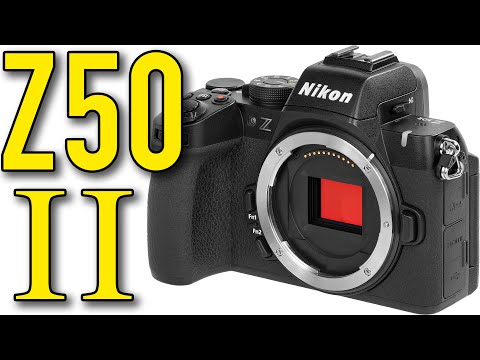
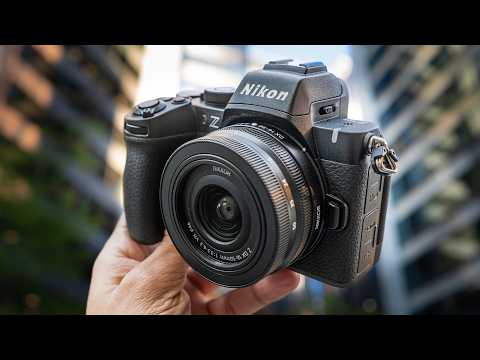
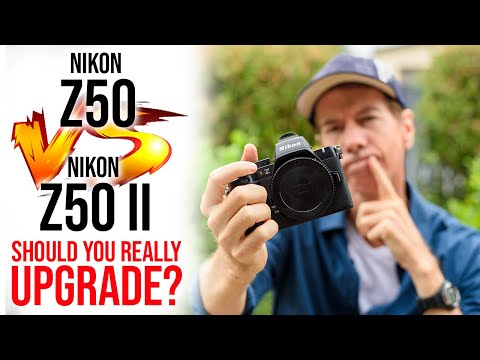
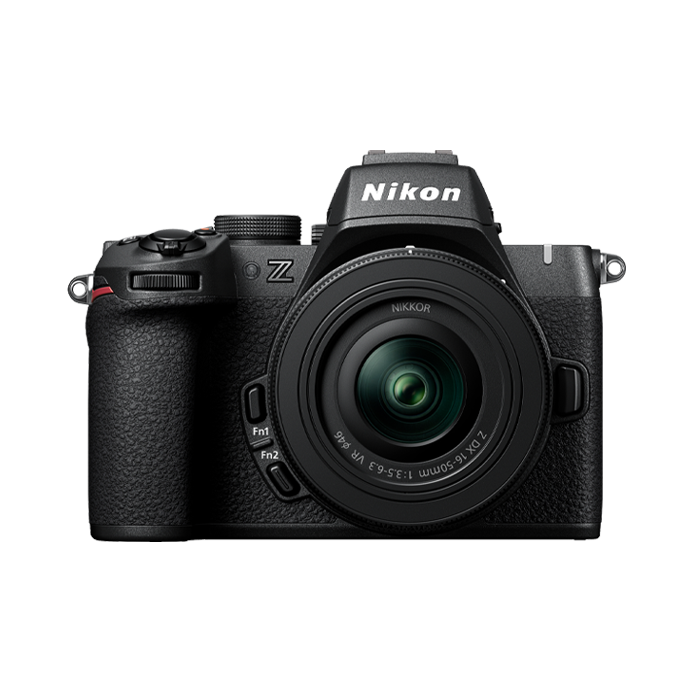
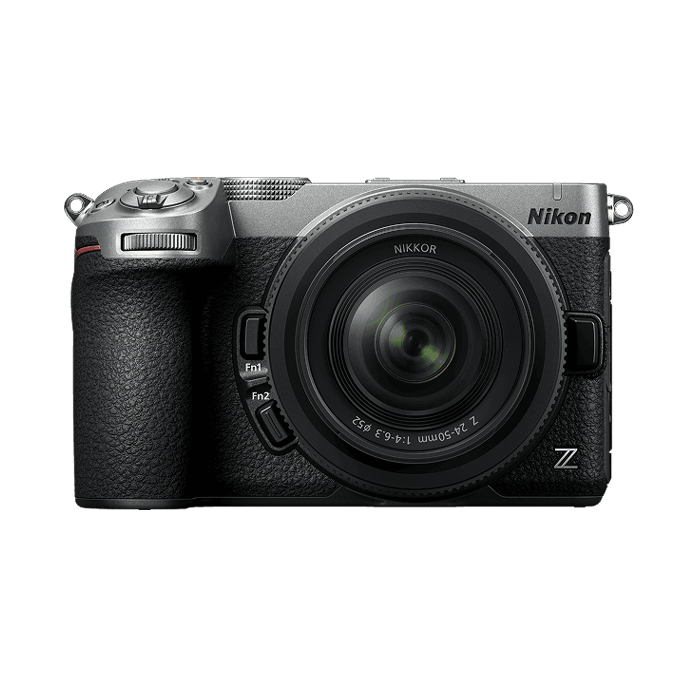
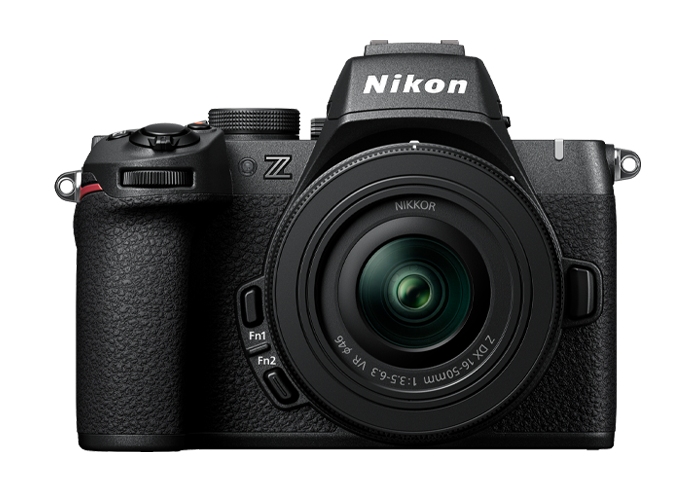
The Nikon Z50 II is an APS-C (DX-format) mirrorless camera designed for beginners, enthusiasts, wildlife photographers, and content creators who want advanced autofocus and modern video capabilities at a more accessible price than full-frame cameras. It combines a 20.9-megapixel CMOS sensor with Nikon's EXPEED 7 image processor, bringing sophisticated subject detection, improved tracking, and high-speed shooting features to a compact camera body.
One of the Z50 II's biggest advantages is its autofocus system, which can recognize and track subjects such as people, animals, birds, and vehicles. It supports continuous shooting at up to 11 frames per second using the mechanical shutter and up to 30 fps in a high-speed electronic-shutter mode. Pre-Release Capture can also record images before the shutter button is fully pressed, helping photographers capture unpredictable moments in wildlife and sports photography.
The Z50 II also offers substantial video improvements over its predecessor. It supports internal 10-bit N-Log and HLG recording, oversampled 4K/30p video, and 4K/60p recording with a crop. Its fully articulating touchscreen is useful for vlogging, product demonstrations, and vertical video, while USB streaming support makes it convenient for online presentations and live content creation.
Despite these improvements, the Z50 II has several limitations. It does not include in-body image stabilization (IBIS), has only one memory card slot, and relies on a relatively small battery. Photographers who shoot handheld video, work long events, or need immediate backup recording should consider these compromises before buying.
Key Specifications and Features
20.9MP DX-Format CMOS Sensor
The Nikon Z50 II uses a 20.9-megapixel APS-C sensor that delivers detailed images while keeping file sizes manageable. The DX-format sensor provides a 1.5x crop factor compared with full-frame cameras, giving lenses a narrower field of view that can be useful for photographing distant wildlife and sports. For example, a 200mm lens provides a field of view equivalent to a 300mm lens on a full-frame camera, although its actual focal length remains 200mm.
EXPEED 7 Image Processor
The EXPEED 7 processor powers the camera's advanced autofocus, subject recognition, image processing, and high-speed shooting features. It brings technologies associated with Nikon's higher-end mirrorless cameras into a more affordable DX-format body. Although the Z50 II shares the processor family with the Nikon Z8 and Z9, it does not match those cameras in every aspect of autofocus performance, sensor readout, resolution, or professional functionality.
Advanced Autofocus and Subject Detection
The autofocus system can detect and track a variety of subjects, including people, animals, birds, and selected vehicle types. Eye detection and subject tracking help maintain focus as subjects move, making the camera useful for portraits, pets, wildlife, and sports. Performance still depends on lighting, subject contrast, movement, and the lens being used.
High-Speed Continuous Shooting
The Z50 II supports continuous shooting at up to 11 fps using its mechanical shutter and up to 30 fps in a high-speed electronic-shutter mode. The faster electronic mode has specific image-format and shooting restrictions. These burst rates are useful for capturing birds in flight, sports, and other fast-moving subjects, although rolling-shutter distortion can still occur with rapid movement.
Pre-Release Capture
Pre-Release Capture can save images from before the shutter-release button is fully pressed, helping photographers record decisive moments that might otherwise be missed. This is especially useful when waiting for a bird to take flight, an animal to move, or an athlete to perform a quick action. The available capture interval and behavior depend on the selected settings.
Internal 10-Bit N-Log and HLG Video
The camera supports internal 10-bit N-Log and HLG recording, giving video creators more flexibility for color grading and highlight management than standard 8-bit recording. N-Log is intended for post-production grading, while HLG is designed for compatible high-dynamic-range workflows. These formats are particularly useful for creators producing promotional videos, interviews, tutorials, and online content.
4K Video and Slow Motion
The Z50 II records oversampled 4K video at up to 30p using the full sensor width and supports 4K/60p with a crop. It also offers high-frame-rate Full HD recording at up to 120p for slow-motion effects. Available frame rates and recording options depend on the selected video settings, so creators should check the mode specifications before planning a production.
Fully Articulating Touchscreen
The 3.2-inch vari-angle touchscreen swings out to the side and rotates, making it convenient for vlogging, self-recording, low-angle compositions, and vertical content. Touch controls help users select focus points and navigate camera functions. This design is particularly valuable for solo creators who need to monitor framing while appearing in front of the camera.
Electronic Viewfinder
The Z50 II features an electronic viewfinder with approximately 2.36 million dots and increased brightness compared with the original Z50. The brighter display improves usability in outdoor conditions and allows photographers to compose images while holding the camera close to the eye. The actual visibility depends on the ambient light and display settings.
Picture Control and Nikon Imaging Cloud
A dedicated Picture Control button makes it easier to access Nikon's built-in image styles and creative color profiles. Compatible workflows also allow users to connect with Nikon Imaging Cloud to obtain supported imaging recipes and Picture Controls. These options are useful for photographers who want distinctive colors or a finished look straight out of the camera with less editing.
Product Review Mode and USB Streaming
Product Review Mode is designed for creators who demonstrate objects to the camera. It helps shift focus from the presenter to an item held in front of the lens, making it useful for product reviews, unboxing videos, cooking tutorials, and beauty content. USB streaming support also allows the camera to function as a webcam with compatible software and equipment.
No In-Body Image Stabilization
The Nikon Z50 II does not have sensor-based image stabilization. For handheld photography and video, lenses with Nikon's Vibration Reduction (VR) can help reduce camera shake. However, optical stabilization is not available on every lens and cannot completely replace the benefits of IBIS, especially when walking or moving while recording video. A gimbal or other stabilization support may be helpful for smoother motion footage.
Battery Life and Memory Card Storage
The camera uses an EN-EL25-series battery and has a single UHS-II SD card slot. Battery endurance varies with temperature, viewfinder use, image review, video recording, and other settings, so carrying a spare battery is advisable for long outings. The single card slot also means there is no in-camera second-card backup option for important assignments.
Key Specifications
Specification | Nikon Z50 II |
|---|---|
Camera Type | APS-C (DX-format) mirrorless camera |
Sensor | 20.9MP CMOS |
Image Processor | EXPEED 7 |
Lens Mount | Nikon Z mount |
Crop Factor | Approximately 1.5x |
Autofocus | Hybrid AF with subject detection and tracking |
Subject Recognition | People, animals, birds, and selected vehicle types |
Mechanical-Shutter Burst Rate | Up to 11 fps |
High-Speed Electronic Burst Rate | Up to 30 fps, depending on mode and settings |
Pre-Release Capture | Supported with compatible settings |
Electronic Viewfinder | Approximately 2.36-million-dot EVF |
LCD Screen | 3.2-inch vari-angle touchscreen |
Video Recording | 4K/30p oversampled and 4K/60p with a crop |
Video Color Formats | Internal 10-bit N-Log and HLG recording |
Slow-Motion Video | Full HD up to 120p |
Image Stabilization | No in-body image stabilization; compatible VR lenses can provide optical stabilization |
Memory Card Slot | One UHS-II SD card slot |
Battery | EN-EL25-series |
Best For | Beginners, wildlife and sports enthusiasts, travel photographers, vloggers, and content creators |
Pros and Cons
Pros | Cons |
|---|---|
EXPEED 7 processor brings advanced autofocus and subject recognition to an affordable DX body | Does not match the Nikon Z8 or Z9 in overall professional performance |
20.9MP sensor delivers detailed images with manageable file sizes | Lower resolution than many full-frame and high-resolution APS-C alternatives |
Up to 11 fps mechanical shooting and 30 fps electronic shooting | High-speed electronic shooting can introduce rolling-shutter distortion |
Pre-Release Capture helps record unpredictable action | Fast shooting modes have specific format and setting limitations |
Internal 10-bit N-Log and HLG video recording | Advanced video formats require more storage and post-production work |
Oversampled 4K/30p and 4K/60p recording options | 4K/60p uses a crop, reducing the field of view |
Fully articulating touchscreen is ideal for vlogging and solo recording | No in-body image stabilization for handheld video |
Dedicated Picture Control button and creative color profiles | Some advanced color workflows still require editing and compatible software |
Compact DX-format body with access to Nikon Z-mount lenses | Battery endurance may be limiting during long shooting sessions |
Single UHS-II SD card slot keeps storage simple | No second card slot for simultaneous in-camera backup |
Who Should Buy This Lens?
The Nikon Z50 II is a camera body rather than a lens. It is designed for photographers and content creators who want modern autofocus, fast shooting, and capable video features without the cost and size of a full-frame system.
Wildlife, Birding, and Sports Enthusiasts
The Z50 II is a capable option for hobbyists photographing birds, animals, and sports. Subject recognition, tracking autofocus, high-speed shooting, and Pre-Release Capture help capture brief moments of action. The DX-format sensor also gives compatible lenses a narrower field of view than they provide on full-frame cameras, which can be useful when photographing distant subjects. However, the 20.9MP resolution and lack of IBIS should be considered when choosing lenses and shooting in difficult conditions.
Beginning Photographers and Enthusiasts
For photographers moving beyond a smartphone or basic camera, the Z50 II provides a useful mix of automatic assistance and advanced manual controls. Its subject detection helps with focusing, while its compact body and manageable image files make it suitable for travel, family photography, and learning more advanced photographic techniques.
Solo Vloggers and Content Creators
The articulating touchscreen, Product Review Mode, USB streaming support, and 10-bit video recording make the Z50 II attractive to creators producing tutorials, product reviews, cooking videos, and online content. It can deliver strong image quality while providing flexible framing for a solo operator. Creators who record while walking should consider a stabilized lens, a gimbal, or another support system because the camera lacks IBIS.
Travel and Everyday Photography
The Z50 II's compact DX-format body is convenient for travel, sightseeing, and everyday photography. Its autofocus system and creative Picture Control options make it easy to capture people, landscapes, street scenes, and family occasions. The relatively small image files are also practical for photographers who want to store and edit large numbers of pictures.
Photographers Interested in Color Profiles
The dedicated Picture Control button and supported Nikon Imaging Cloud features provide quick access to creative looks and compatible custom color profiles. These tools are useful for photographers who want consistent colors straight out of the camera or who prefer to minimize editing time.
Who Should Consider Another Camera?
Photographers who need sensor-based stabilization for handheld video may prefer a camera with IBIS. Professionals photographing weddings or other high-stakes events may want dual card slots for in-camera backup. Photographers who regularly crop distant wildlife images heavily may also prefer a higher-resolution camera or a longer telephoto lens. Those needs should be weighed against the Z50 II's compact size and lower system cost.
Buying Recommendation
The Nikon Z50 II is a strong choice for beginners and enthusiasts who want advanced autofocus and versatile video features in a compact, relatively affordable camera. The EXPEED 7 processor, subject recognition, high-speed shooting, and Pre-Release Capture make it more capable for action photography than its entry-level positioning might suggest.
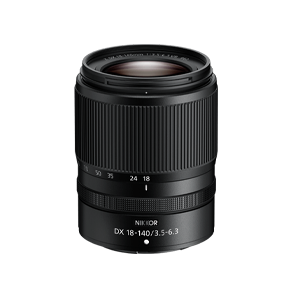
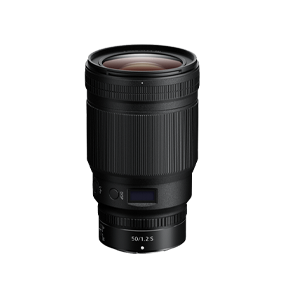
For wildlife and bird photography, consider pairing the camera with a compatible telephoto lens that offers optical Vibration Reduction (VR). This combination can provide useful reach while helping reduce camera shake. If you frequently photograph fast-moving subjects, test the high-speed electronic-shutter modes to understand their image-format restrictions and potential rolling-shutter effects.
For vloggers and video creators, the fully articulating screen, internal 10-bit recording, and Product Review Mode are valuable features. However, if you regularly record while walking, plan for stabilization through a suitable lens, a gimbal, or another support system. Carrying a spare battery is also advisable for longer sessions.
Before purchasing, consider the single SD card slot. It is convenient for everyday photography, but it does not provide a second in-camera card for simultaneous backup. If you photograph weddings or other irreplaceable client events, a dual-slot camera may be a more appropriate choice.
Final Verdict
The Nikon Z50 II is a capable DX-format mirrorless camera that combines a 20.9MP sensor with the EXPEED 7 processor, advanced subject detection, high-speed shooting, and improved video capabilities. Its compact body and accessible system make it appealing to developing photographers, wildlife enthusiasts, travel shooters, and content creators.
Its strongest features are the autofocus system, Pre-Release Capture, 10-bit video options, and fully articulating touchscreen. Its main compromises are the lack of in-body image stabilization, single memory card slot, relatively modest battery endurance, and lower resolution compared with more expensive cameras.
For photographers who want a versatile APS-C camera for wildlife, sports, everyday photography, and online video content, the Nikon Z50 II offers a compelling combination of features and portability. Buyers who need sensor stabilization, dual-card backup, or greater cropping flexibility should compare alternatives before making their decision.