Overview
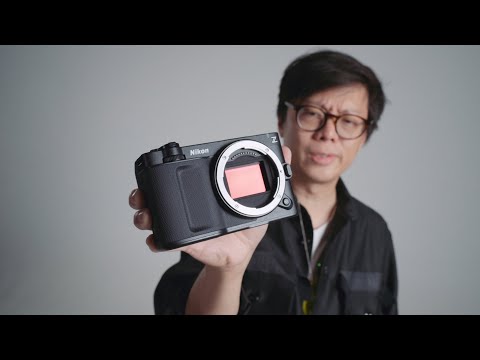
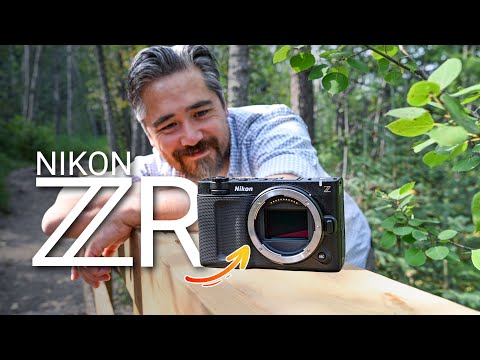
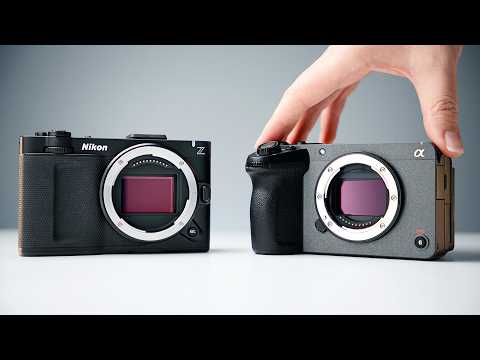
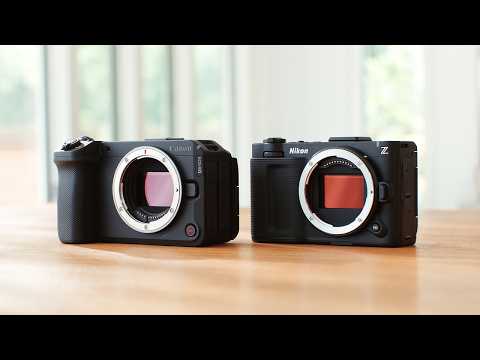
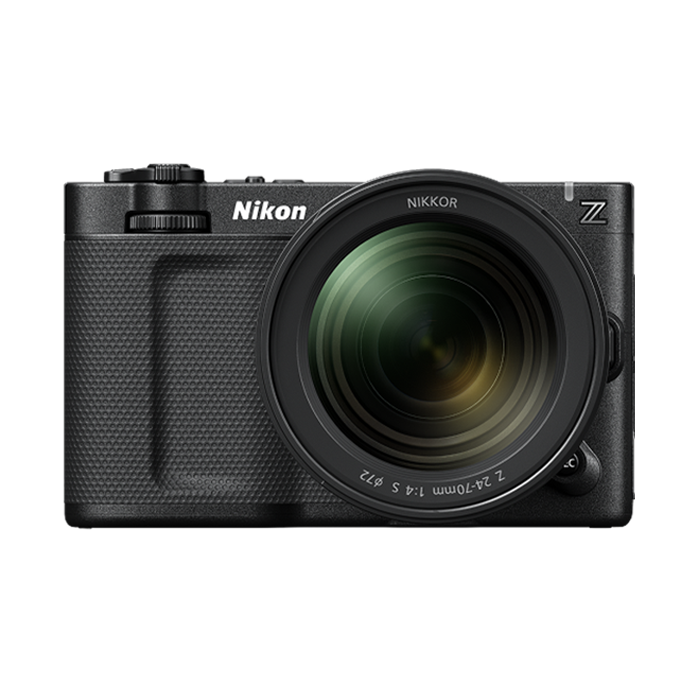
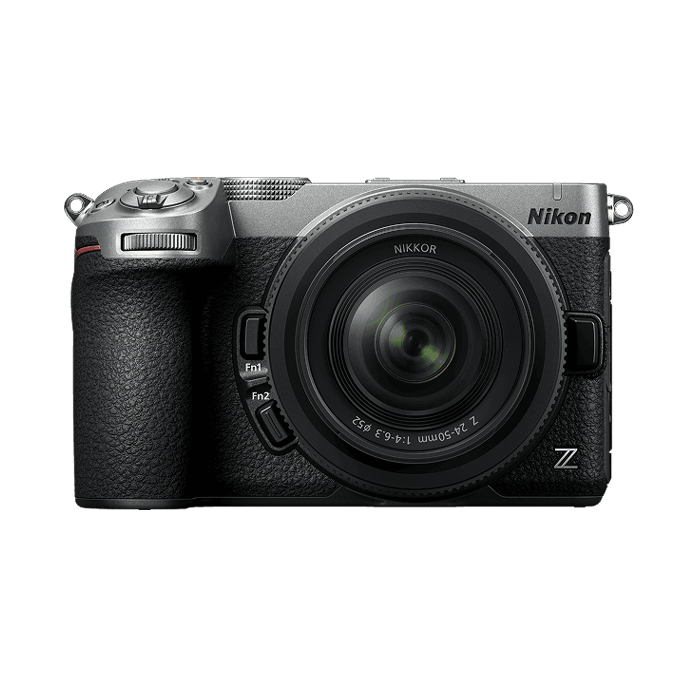
The Nikon ZR, developed following Nikon's acquisition of RED Digital Cinema, is a compact full-frame cinema camera designed for filmmakers who want professional video capabilities in a portable body. Combining Nikon's Z-mount system with RED's cinematic color science and RAW recording technology, the ZR offers an alternative to larger, more expensive cinema camera systems for independent filmmakers, documentary crews, and commercial video producers.
At the heart of the Nikon ZR is a 24.5MP full-frame BSI sensor paired with the EXPEED 7 image processor. Its standout feature is internal 12-bit REDCODE RAW (R3D NE) recording, which provides extensive flexibility for color grading, exposure adjustments, and post-production. Support for RED's Log3G10 transfer curve and REDWideGamutRGB color space also helps filmmakers integrate ZR footage into workflows that include compatible RED cinema cameras.
The camera offers a broad selection of recording formats, including Nikon N-RAW, Apple ProRes RAW HQ, ProRes 422 HQ, and H.265/H.264 options. It supports full-width 6K recording at up to 60p, along with high-frame-rate options for slow-motion footage. These capabilities make it suitable for narrative films, interviews, documentaries, commercial productions, and online video content.
Another notable feature is its internal 32-bit float audio recording capability. When used with compatible recording inputs and supported configurations, 32-bit float provides substantial flexibility when adjusting audio levels in post-production and helps reduce the risk of unusable recordings caused by unexpected changes in sound intensity. Its built-in microphone system, featuring Nokia OZO Audio technology, adds convenience for location recording.
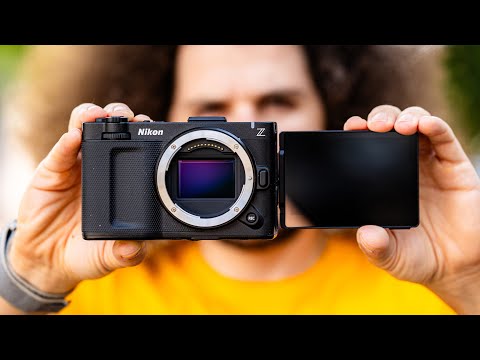
Unlike conventional hybrid mirrorless cameras, the Nikon ZR prioritizes video production rather than traditional still photography. It replaces an electronic viewfinder with a large 4-inch articulating touchscreen, provides in-body image stabilization, and uses a compact body intended for mobile production setups. However, its unusual combination of CFexpress Type B and microSD card slots, Micro HDMI output, and limited built-in mounting points means that some filmmakers may want a camera cage and additional accessories.
Key Specifications and Features
Full-Frame 24.5MP Sensor and EXPEED 7 Processor
The Nikon ZR combines a 24.5MP full-frame BSI sensor with the EXPEED 7 processor to support high-resolution video capture, advanced autofocus, and demanding recording formats. The full-frame sensor provides creative control over depth of field and perspective, while the processing system enables the camera's advanced video and subject-tracking features.
Internal 12-Bit REDCODE RAW Recording
One of the ZR's most distinctive capabilities is its support for internal 12-bit REDCODE RAW (R3D NE) recording. RAW video preserves substantial image information for post-production, allowing filmmakers to adjust exposure, white balance, and color more flexibly than with many highly compressed delivery formats. Support for RED Log3G10 and REDWideGamutRGB also makes it easier to incorporate footage into compatible RED-based color-grading workflows, although matching cameras still requires careful exposure, white balance, and grading.
Multiple Professional Recording Formats
In addition to REDCODE RAW, the camera supports other professional formats, including Nikon N-RAW, Apple ProRes RAW HQ, ProRes 422 HQ, and H.265/H.264. This range allows filmmakers to balance image quality, editing performance, storage requirements, and delivery needs. High-quality RAW formats are particularly useful for productions that require extensive grading or visual effects, while more compressed formats can simplify everyday recording and editing.
6K Video and High-Frame-Rate Recording
The Nikon ZR supports full-width 6K video recording at up to 60p, providing detailed footage with flexibility for reframing and downsampling. It also offers high-frame-rate recording options, including 4K at up to 120p with a 1.5x DX crop and Full HD at up to 240p, depending on the selected recording mode. These options are useful for slow-motion sequences, action shots, product demonstrations, and cinematic B-roll.
32-Bit Float Audio Recording
The ZR's 32-bit float audio capability is designed to provide greater flexibility when adjusting recording levels during post-production. This is particularly helpful for documentary crews, interviews, and unpredictable location environments where sound levels can change suddenly. However, 32-bit float does not eliminate every audio limitation: microphone overload, excessive acoustic distortion, poor microphone placement, and other recording problems may still affect the final result.
Four-Inch Articulating Touchscreen
Instead of a traditional electronic viewfinder, the Nikon ZR features a large 4-inch fully articulating touchscreen with a stated peak brightness of up to 1,000 nits and wide DCI-P3 color support. The display provides a useful viewing area for framing, reviewing footage, and adjusting camera settings. Its articulating design is especially helpful for low-angle shots, overhead compositions, gimbal work, and self-recording.
Dual Base ISO and Dynamic Range
The camera is designed to provide flexible exposure performance in different lighting conditions, with reported base ISO settings of ISO 800 and ISO 6400 for supported video configurations. These settings can help filmmakers choose an appropriate exposure strategy for bright scenes and low-light environments. The available dynamic range and noise performance depend on the recording mode, exposure, and post-production workflow, so users should evaluate results using their intended settings.
In-Body Image Stabilization and Autofocus
The Nikon ZR incorporates 5-axis in-body image stabilization, with compensation rated up to 7.5 stops under compatible conditions. It also uses Nikon's subject-detection autofocus technology to recognize and track supported subjects. Stabilization can help reduce camera shake during handheld filming, while autofocus is useful for solo operators and documentary crews who cannot always adjust focus manually. Neither feature replaces a dedicated stabilizer or carefully controlled focus pulling in every shooting situation.
Compact Cinema-Camera Design
The ZR's compact body is intended for mobile production, gimbal operation, and lightweight filming setups. Its relatively small size can make it easier to transport than many traditional cinema cameras. However, the limited built-in grip and mounting options may make a compatible camera cage or rig useful for attaching accessories, improving handling, and securing external cables.
CFexpress Type B and microSD Storage
The camera uses an unusual combination of a CFexpress Type B card slot and a microSD card slot, positioned within the battery-compartment area. CFexpress Type B is intended for demanding high-data-rate recording modes, while the smaller microSD slot offers a different storage option for compatible workflows. Filmmakers should verify which formats and recording modes are supported on each card and whether simultaneous recording is available for their intended setup. The two card types should not be assumed to provide interchangeable performance or full-resolution backup recording.
Micro HDMI Connectivity
The Nikon ZR uses a Micro HDMI output for connecting compatible external monitors and other video equipment. Because Micro HDMI connectors are physically smaller than full-size HDMI connectors, a cage with appropriate cable support can help reduce strain during production. Filmmakers who regularly use external monitors, recorders, or other accessories should account for this connection when planning their rig.
Key Specifications
Specification | Nikon ZR |
|---|---|
Camera Type | Full-frame cinema camera |
Sensor | 24.5MP full-frame BSI sensor |
Image Processor | EXPEED 7 |
Lens Mount | Nikon Z mount |
Internal RAW Recording | 12-bit REDCODE RAW (R3D NE), plus supported Nikon N-RAW and Apple ProRes RAW formats |
Other Recording Formats | ProRes 422 HQ, H.265/H.264, and other supported modes |
Maximum 6K Recording | Up to 6K/60p using the full sensor width |
High-Frame-Rate Recording | Up to 4K/120p with a 1.5x DX crop and Full HD/240p in supported modes |
Audio | Internal 32-bit float recording capability and built-in Nokia OZO Audio technology |
Base ISO | Reported ISO 800 and ISO 6400 base settings in supported video configurations |
Dynamic Range | Reported at over 14 stops; actual results depend on recording mode and testing methodology |
In-Body Image Stabilization | 5-axis, rated up to 7.5 stops under compatible conditions |
Autofocus | Subject detection and tracking using Nikon autofocus technology |
Rear Display | 4-inch fully articulating touchscreen |
Display Brightness | Rated peak brightness up to 1,000 nits |
Electronic Viewfinder | Not included |
Memory Card Slots | One CFexpress Type B slot and one microSD slot |
HDMI Output | Micro HDMI |
Camera Stabilization | In-body image stabilization for compatible lenses and configurations |
Typical Intended Users | Independent filmmakers, documentary crews, commercial videographers, and cinema productions |
Launch Price Mentioned | $2,199.95 USD, body only; verify current pricing and availability |
Pros and Cons
Pros | Cons |
|---|---|
Internal 12-bit REDCODE RAW recording offers substantial grading flexibility. | RAW footage can require significant storage capacity and a powerful editing workstation. |
RED Log3G10 and REDWideGamutRGB support can help integrate footage into compatible RED workflows. | Matching footage across different cameras still requires careful exposure, white balance, and color grading. |
Multiple recording formats support professional and more storage-efficient workflows. | Different formats have different compatibility, data-rate, and post-production requirements. |
Full-width 6K recording at up to 60p provides detailed footage and reframing flexibility. | High-resolution RAW recording can generate large files and increase storage costs. |
High-frame-rate modes provide options for slow-motion footage. | 4K/120p uses a 1.5x DX crop, reducing the available wide-angle field of view. |
32-bit float audio offers considerable flexibility when adjusting recorded sound levels. | It cannot eliminate microphone overload, acoustic distortion, or every audio-recording problem. |
Large 4-inch articulating touchscreen is useful for framing and on-camera monitoring. | No built-in electronic viewfinder for eye-level shooting. |
In-body image stabilization can help reduce shake during handheld filming. | IBIS does not replace a gimbal or eliminate all movement in walking shots. |
Compact design suits mobile production and lightweight camera rigs. | Limited grip and mounting points may make an additional cage or rig desirable. |
CFexpress Type B supports demanding high-data-rate recording modes. | The combination of CFexpress Type B and microSD complicates media planning and may limit backup options. |
Nikon Z-mount compatibility provides access to a broad range of lenses. | Micro HDMI is less robust than a full-size HDMI connector and requires careful cable management. |
Designed primarily around professional video production rather than hybrid shooting. | No traditional electronic viewfinder and a video-focused interface make it less suitable for photographers who regularly shoot stills. |
Who Should Buy This Lens?
Despite the requested heading, the Nikon ZR is a cinema camera body, not a lens. It is designed primarily for video production and is especially appealing to filmmakers who want advanced recording formats and RED color-science tools in a compact camera system.
1. Independent Filmmakers and Narrative Directors
The ZR's internal REDCODE RAW recording is a major attraction for independent productions that need flexibility in color grading without relying on an external RAW recorder. Support for RED Log3G10 and REDWideGamutRGB can also help integrate its footage into compatible RED-based workflows. For short films, music videos, narrative projects, and independent productions, these capabilities can provide a useful balance of image control and portability.
2. Documentary Filmmakers and Solo Operators
Documentary work often involves unpredictable lighting, changing subjects, and limited crew support. The ZR combines autofocus, in-body stabilization, a large articulating screen, and 32-bit float audio capability to help simplify many field-production tasks. Its compact form factor can also make it easier to carry on location. For demanding shoots, operators should still plan for audio monitoring, stable camera support, adequate batteries, and reliable media management.
3. Commercial Videographers and Content Creators
The 6K recording capability provides flexibility when producing high-resolution masters for different delivery formats. Editors may be able to reframe footage for horizontal and vertical platforms when the chosen recording mode provides sufficient image area. The available recording formats also allow creators to choose between editing-friendly files and RAW workflows when more extensive color grading is required.
4. Gimbal Operators and Run-and-Gun Crews
The camera's compact body makes it worth considering for lightweight rigs and compatible gimbal setups. In-body stabilization can help with handheld B-roll, while autofocus can reduce the need for constant manual focus adjustments. Before using it on a gimbal, however, operators should account for the complete rig weight, lens balance, cables, cage, microphone, and any external monitor or power accessories.
5. Production Teams Seeking a Compact B-Camera
For productions already using compatible RED cinema cameras, the ZR may serve as a compact secondary camera for tight spaces, mobile shots, or locations where a larger cinema rig is inconvenient. Its RED-oriented recording and color workflow can help with integration, but matching footage is not automatic. Differences in sensors, exposure, lenses, and recording settings still need to be addressed during production and grading.
Who Should Consider Another Camera?
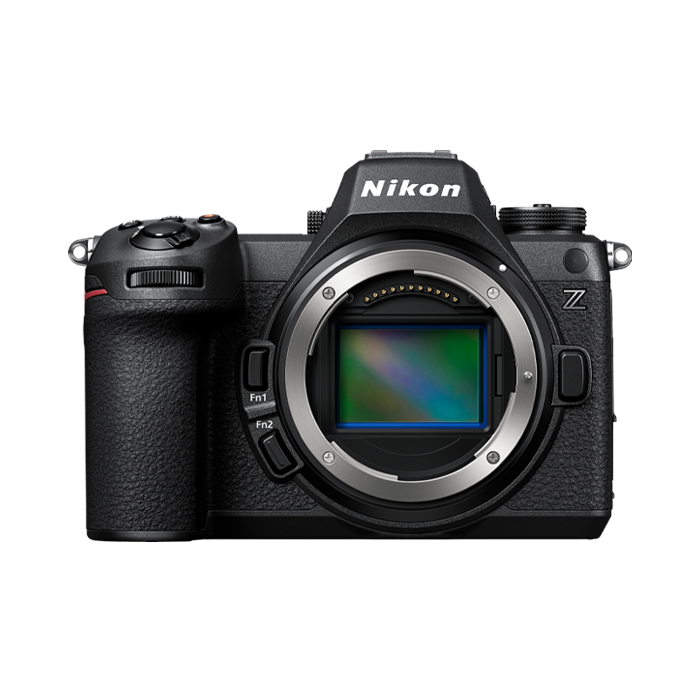
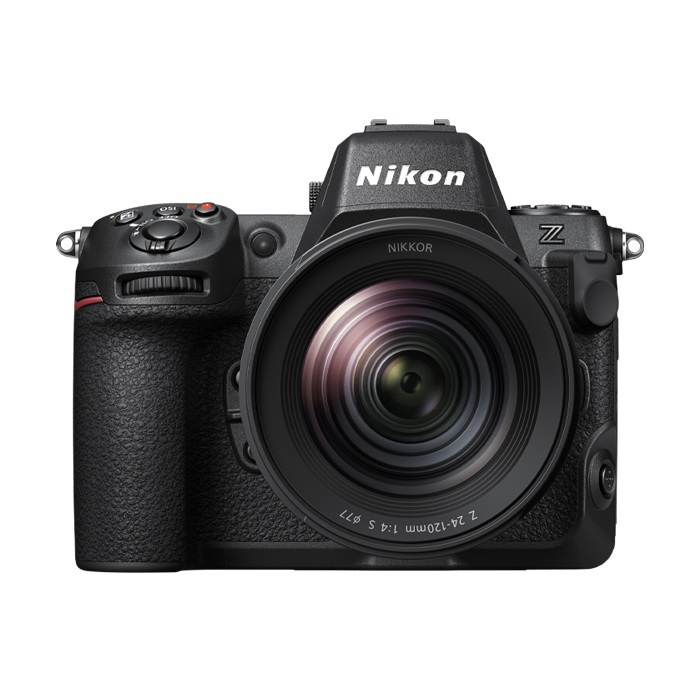
Photographers who regularly shoot still images alongside video may prefer a more traditional hybrid mirrorless camera, such as the Nikon Z6 III or Z8, which offers an electronic viewfinder and a more conventional still-photography experience. Filmmakers who require two high-performance cards for simultaneous backup recording should carefully review the ZR's supported media configurations before buying. Users who need full-size HDMI connectivity or extensive built-in mounting points may also prefer a different body or should budget for a suitable cage and cable protection.
Buying Recommendation
The Nikon ZR is worth considering if your priority is professional video production rather than conventional photography. Its internal REDCODE RAW recording, support for additional high-quality codecs, 6K capture, 32-bit float audio capability, and large articulating display make it an interesting option for independent filmmakers and small production teams.
Before purchasing, consider the following practical factors:
Media and storage costs: High-quality RAW formats can consume substantial card space and require fast storage, backups, and a capable editing system. Confirm the supported card types and recording modes for your intended workflow.
Backup recording: The CFexpress Type B and microSD combination is unusual for a cinema-focused camera. Check whether your preferred recording format supports simultaneous recording to both cards and whether the microSD slot meets your reliability and performance needs.
Rigging and connectivity: A compatible cage may improve handling, add mounting points, and help secure the Micro HDMI cable. Include these accessories in your total system budget.
Audio workflow: The 32-bit float capability is useful, but professional productions should still use appropriate microphones, monitor audio when practical, and maintain reliable recording practices.
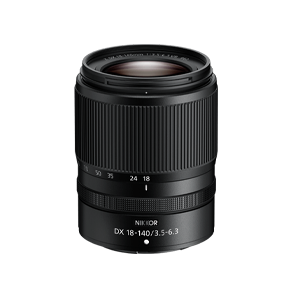
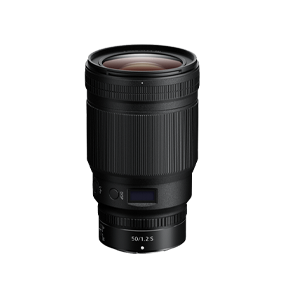
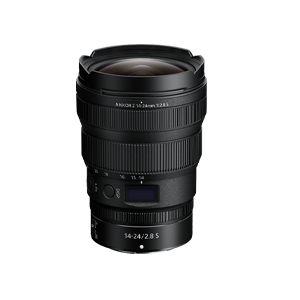
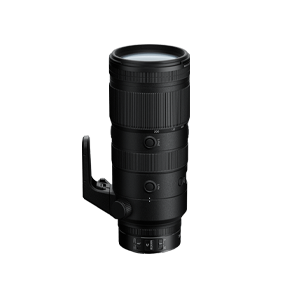
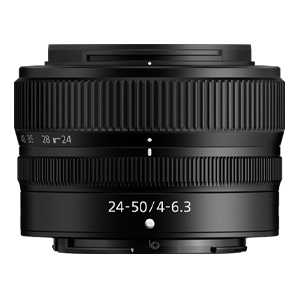
Lens selection: The Nikon Z mount gives you access to compatible lenses, but lens choice affects autofocus behavior, stabilization, field of view, and the overall weight and balance of your rig.
Photography needs: If you frequently shoot stills, need an eye-level viewfinder, or prefer conventional hybrid controls, compare the ZR with the Nikon Z6 III and Z8 before making a decision.
At the stated launch price of $2,199.95 for the body, the Nikon ZR may offer an appealing entry into a RED-oriented RAW video workflow. However, the overall investment should include suitable lenses, media, storage, batteries, audio equipment, and rigging accessories. Verify current pricing, availability, and supported recording specifications before buying.
Final Verdict
The Nikon ZR is a video-focused full-frame cinema camera built around compact operation, high-quality recording formats, and RED's color-science ecosystem. Its internal REDCODE RAW capability, 6K video, broad codec selection, 32-bit float audio, and large articulating display make it a distinctive option for independent filmmakers, documentary crews, and commercial video creators.
Its greatest strengths are its RAW recording flexibility, compact design, and production-oriented features. The main compromises are its lack of an electronic viewfinder, limited built-in mounting options, Micro HDMI connection, and unusual combination of CFexpress Type B and microSD storage. These considerations are especially important for crews that require robust cable connections or dependable redundant recording.
Overall, the Nikon ZR is best suited to filmmakers who want a compact camera centered on advanced video production and are prepared to build an appropriate rig around it. It is less suitable for photographers seeking a traditional hybrid camera or production teams that require a specific dual-card backup workflow. For the right video-focused user, it offers an intriguing combination of Nikon engineering and RED-inspired cinema capabilities.