Overview
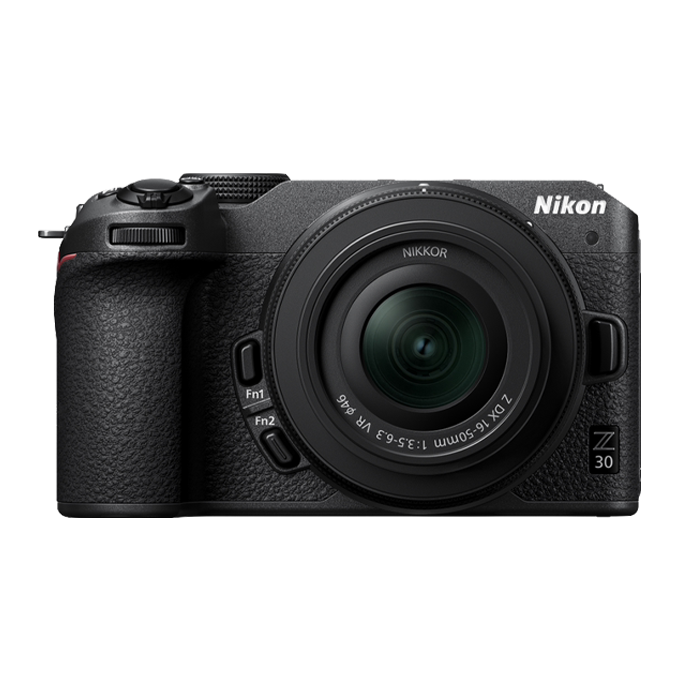
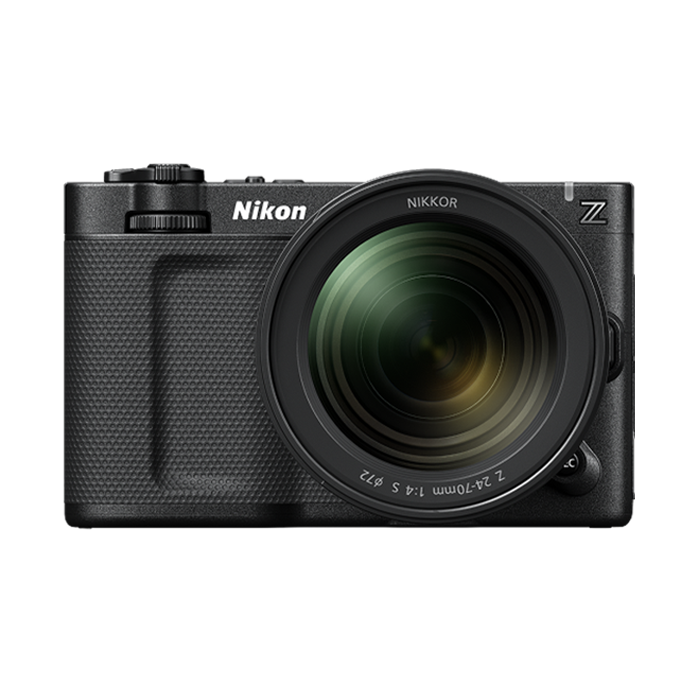
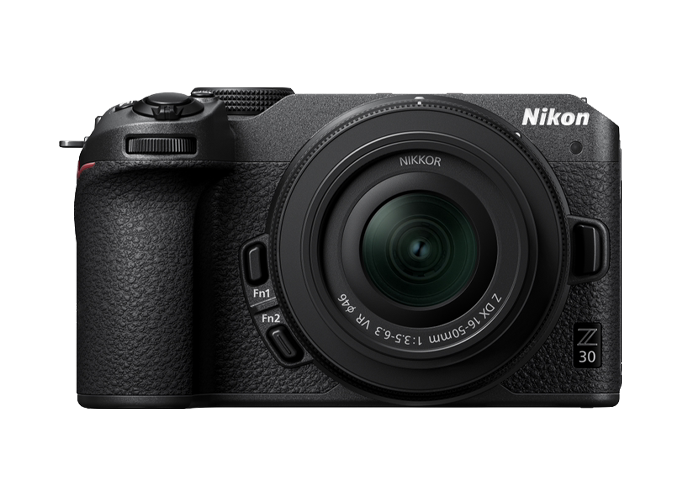
The Nikon Z30 is a compact DX-format (APS-C) mirrorless camera designed primarily for vloggers, YouTube creators, livestreamers, and everyday content creators. It combines a 20.9-megapixel CMOS sensor with Nikon's EXPEED 6 image processor, offering detailed still images, uncropped 4K video recording, and reliable face- and eye-detection autofocus in a lightweight body.
Unlike traditional cameras designed around photography, the Nikon Z30 eliminates the electronic viewfinder to prioritize portability and video recording. Its fully articulating touchscreen flips forward for self-recording, while a front-facing tally lamp lets creators confirm when the camera is recording. The camera also features a built-in stereo microphone and a 3.5mm external microphone input.
The Z30 supports 4K UHD video at up to 30p and Full HD recording at up to 120p for slow-motion footage. USB power options and USB webcam functionality make it suitable for desktop streaming, online meetings, and home studios. Its compatibility with Nikon Z-mount lenses also gives users room to expand their equipment as their skills develop.
However, the camera has several limitations. It lacks an electronic viewfinder, built-in flash, and in-body image stabilization (IBIS). It also has no headphone jack for direct audio monitoring. These compromises make the Z30 particularly appealing to video-first creators, while photographers who prefer composing through a viewfinder may be better served by another Nikon mirrorless model.
Key Specifications and Features
20.9MP DX-Format CMOS Sensor
The Nikon Z30 features a 20.9-megapixel APS-C sensor paired with the EXPEED 6 image processor. This combination produces detailed photographs with good image quality for everyday photography, travel, portraits, and online content.
The DX-format sensor is larger than the sensors found in most smartphones, giving creators greater flexibility over depth of field and image rendering when paired with suitable lenses. Its resolution is sufficient for social media, websites, and many general photography applications.
4K UHD Video Recording
The Z30 records 4K UHD video at up to 30 frames per second using the full sensor width without an additional 4K recording crop. This is useful for vloggers and travel creators who want to preserve a wide field of view when using compatible lenses.
The camera also supports Full HD recording at up to 120p, allowing creators to produce slow-motion footage during editing. These video options make the Z30 suitable for YouTube videos, product demonstrations, travel footage, interviews, and everyday content creation.
Fully Articulating Touchscreen
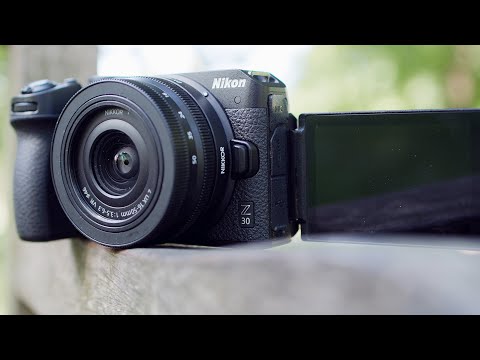
The 3.0-inch vari-angle touchscreen rotates outward and can face forward, allowing users to monitor their framing while recording themselves. This is particularly useful for solo vloggers, livestreamers, and creators who work without a dedicated camera operator.
The touchscreen also provides access to camera settings, focus selection, and playback. Since the Z30 has no electronic viewfinder, the rear LCD is the primary method for composing photographs and video.
Face and Eye-Detection Autofocus
The Nikon Z30 uses a 209-point hybrid autofocus system with subject detection and face- and eye-detection capabilities. These features help maintain focus on people during interviews, video presentations, portraits, and self-recording.
The camera can also detect and track animal eyes in supported shooting modes, making it useful for casual pet photography. Autofocus performance depends on lighting, subject movement, lens capabilities, and the selected settings.
Front Recording Indicator
A red recording indicator on the front of the camera provides a visible signal when video recording is active. This simple feature is especially helpful for solo creators who cannot easily see the rear screen while standing in front of the camera.
Built-In Stereo Microphone and External Audio Input
The Z30 includes a built-in stereo microphone for convenient audio capture and a 3.5mm microphone input for connecting an external microphone. An external microphone can improve voice clarity and reduce unwanted background noise compared with relying on the built-in microphone alone.
However, the camera does not include a dedicated headphone jack. Users who need to monitor audio in real time may need an external recording or monitoring arrangement.
USB Power and Extended Recording
The Z30 supports USB power delivery under compatible conditions, making it convenient for desktop streaming and longer recording sessions. Its maximum recording duration can reach approximately 125 minutes per clip under supported settings, although actual recording time depends on video mode, temperature, battery or power supply, and other operating conditions.
External USB power does not guarantee uninterrupted recording in every environment. Creators should test their intended settings and setup before important shoots or extended livestreams.
USB Webcam Functionality
The Z30 can be connected to a compatible computer for webcam and streaming workflows. Nikon's Webcam Utility provides one option for using the camera with supported applications, while USB video functionality and supported resolutions depend on the connection method, software version, and computer configuration.
This makes the camera useful for online presentations, remote meetings, livestreaming, and desktop content production.
Compact Body and Comfortable Grip
The camera body weighs approximately 350g with battery and memory card, making it easy to carry for everyday recording and travel. Its deep handgrip provides a secure hold when filming handheld or operating the camera at arm's length.
When paired with a compact lens such as the NIKKOR Z DX 16-50mm f/3.5-6.3 VR, the Z30 becomes a lightweight setup for travel, family videos, and casual photography.
Lens-Based Optical Stabilization
The Nikon Z30 does not have in-body image stabilization. Instead, users can rely on compatible lenses with Nikon's Vibration Reduction (VR) technology to reduce camera shake in still photography and certain video situations.
Optical stabilization can help with handheld footage, but it does not fully compensate for the vertical and horizontal movement caused by walking. For smoother moving shots, creators may benefit from electronic stabilization where available, careful shooting technique, or a compatible gimbal.
Nikon Z-Mount Lens Compatibility
The Z30 uses Nikon's Z mount and accepts compatible NIKKOR Z lenses, including DX-format and full-frame Z-mount lenses. DX lenses are often the most practical choice for maintaining a compact and affordable setup, while compatible full-frame lenses offer additional options for users who may eventually upgrade to a full-frame Nikon camera.
Key Specifications
Specification | Nikon Z30 |
|---|---|
Camera Type | APS-C / DX-format mirrorless camera |
Sensor | 20.9MP CMOS sensor |
Image Processor | EXPEED 6 |
Lens Mount | Nikon Z mount |
Maximum Image Resolution | Approximately 5568 × 3712 pixels |
Autofocus | 209-point hybrid AF with face and eye detection |
Maximum Continuous Shooting | Up to 11 fps with supported settings |
Maximum Video Resolution | 4K UHD at up to 30p |
Full HD Slow Motion | Up to 120p |
4K Crop | Uses the full sensor width for 4K recording |
Rear LCD | 3.0-inch, approximately 1.04-million-dot vari-angle touchscreen |
Electronic Viewfinder | None |
Built-In Flash | None |
Image Stabilization | No in-body stabilization; compatible lenses may provide optical VR |
Built-In Microphone | Stereo microphone |
External Microphone Input | 3.5mm microphone jack |
Headphone Output | None |
Memory Card Slot | One UHS-I SD card slot |
Connectivity | USB-C, HDMI Type D, Wi-Fi, and Bluetooth |
Body Weight | Approximately 350g with battery and memory card |
Battery | EN-EL25 rechargeable lithium-ion battery |
Body-Only Launch Price | Approximately US$709.95 |
Pros and Cons
Pros | Cons |
|---|---|
Compact and lightweight body for travel and everyday content creation | No electronic viewfinder for traditional eye-level photography |
4K UHD recording at up to 30p without an additional 4K crop | No in-body image stabilization |
Full HD recording at up to 120p for slow-motion footage | Walking footage can look shaky without additional stabilization |
Fully articulating touchscreen for self-recording | Rear screen can be difficult to see in strong direct sunlight |
Face and eye detection for people and supported animal subjects | Autofocus performance depends on subject and lighting conditions |
Front recording indicator helps confirm that video is running | No built-in flash for low-light photography |
Built-in stereo microphone and external microphone input | No headphone jack for direct audio monitoring |
USB webcam functionality and USB power options | Extended recording depends on temperature, settings, and power conditions |
Compatible with a wide selection of Nikon Z-mount lenses | Some full-frame lenses can make the compact body less balanced |
Accessible entry point into Nikon's mirrorless system | Single UHS-I SD card slot and no backup card slot |
Who Should Buy This Lens?
The Nikon Z30 is a camera body rather than a lens. It is designed for creators who want an approachable mirrorless camera with strong video features, a forward-facing screen, and a lightweight design.
1. Solo Vloggers and YouTube Creators
The Z30 is well suited to creators who record themselves while traveling, demonstrating products, sharing tutorials, or producing lifestyle videos. Its fully articulating touchscreen allows users to check framing, while the front recording indicator helps confirm that the camera is recording.
Its uncropped 4K/30p video provides a wide field of view with compatible lenses, which is helpful for handheld vlogging and recording in smaller spaces. For better voice quality, consider an external microphone connected to the 3.5mm input.
2. Livestreamers and Desktop Content Creators
The Z30 can serve as a dedicated camera for streaming, online meetings, tutorials, and other desktop video applications. USB connectivity and Nikon's webcam software options make it useful for creators who want a camera-based image instead of relying on a standard computer webcam.
For long sessions, plan for a suitable USB power source and test the camera with your intended software, recording resolution, and lighting setup. If monitoring audio levels is essential, an external audio interface or separate monitoring arrangement may be useful.
3. Travel and Lifestyle Creators
The lightweight body makes the Z30 convenient for trips, family activities, casual photography, and everyday video. Paired with a compact DX lens, it can provide better creative control than many smartphones while remaining easy to carry.
The deep grip helps with handheld operation, and the articulating touchscreen supports both conventional photography and self-recording. However, the lack of IBIS means users should pay attention to stabilization when filming while walking.
4. Smartphone Users Moving to a Dedicated Camera
The Z30 is an approachable option for smartphone users who want interchangeable lenses, more manual control, and a larger sensor. Its touchscreen controls and straightforward video features help beginners learn camera settings while gradually expanding their equipment.
The Nikon Z-mount system provides room to add lenses, microphones, tripods, and other accessories as creative needs grow.
Who Should Consider Another Camera?
Traditional photographers: The absence of an electronic viewfinder can make photography less comfortable in bright outdoor conditions. Consider the Nikon Z50 or another Nikon Z-series body with an EVF if you prefer composing through a viewfinder.
Photographers who need in-body stabilization: The Z30 relies on lens-based VR and other stabilization methods. If you frequently shoot handheld with non-stabilized lenses or want additional stabilization for still photography, consider a body with IBIS.
Filmmakers who need headphone monitoring: The Z30 has a microphone input but no dedicated headphone output. Creators who must monitor incoming sound directly from the camera should consider an alternative camera or an external audio-monitoring setup.
Professional photographers who need redundant storage: The single SD card slot does not provide in-camera dual-card backup. Professionals who require simultaneous recording to two cards should consider a camera with dual card slots.
Buying Recommendation
The Nikon Z30 is a practical choice for beginner and intermediate content creators who prioritize video, portability, and easy self-recording. Its 20.9MP sensor, uncropped 4K video, vari-angle touchscreen, subject-detection autofocus, and external microphone input cover many of the needs of vloggers and online creators.
For a compact travel setup, consider pairing it with the NIKKOR Z DX 16-50mm f/3.5-6.3 VR lens. This lens offers a useful everyday focal range and optical stabilization, making it a convenient option for travel, family videos, and general photography.
If you intend to record yourself regularly, add a small tripod or grip, an external microphone, and a suitable USB power solution. For moving footage, remember that lens VR helps reduce camera shake but cannot completely eliminate walking motion. A gimbal or careful shooting technique may be necessary for smoother results.
Before purchasing, compare current body-only and lens-kit prices. A kit may offer better value than buying the camera and lens separately. Also consider the cost of memory cards, spare batteries, audio accessories, and any lighting needed for your content.
Final Verdict
The Nikon Z30 is a compact, video-focused APS-C mirrorless camera aimed at vloggers, livestreamers, travel creators, and people upgrading from smartphones. Its 4K/30p recording, fully articulating touchscreen, face- and eye-detection autofocus, front recording indicator, and external microphone input make it well suited to everyday content production.
Its main compromises are the lack of an electronic viewfinder, in-body image stabilization, built-in flash, headphone output, and a second memory card slot. These limitations matter most to traditional photographers, users who film while walking, and professionals who need advanced audio monitoring or redundant storage.
Final recommendation: Choose the Nikon Z30 if you want an affordable, lightweight camera for YouTube videos, livestreaming, self-recording, and everyday content creation. If you prioritize traditional photography, consider the Nikon Z50; if you need in-body stabilization or more advanced hybrid features, compare other Nikon Z-series models before making your decision.
Video Reviews

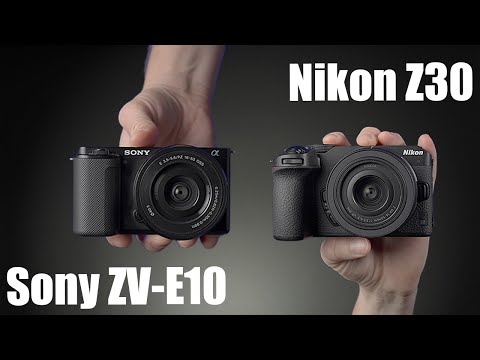
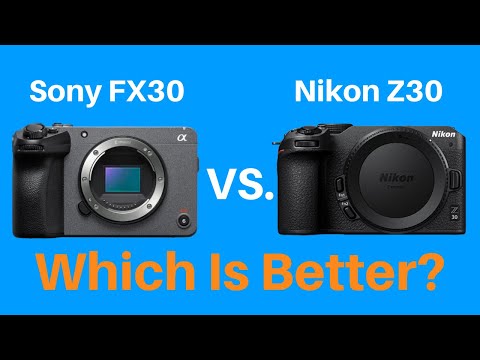
Video Comparisons
Sample Images