Nikon Z7: Product Overview
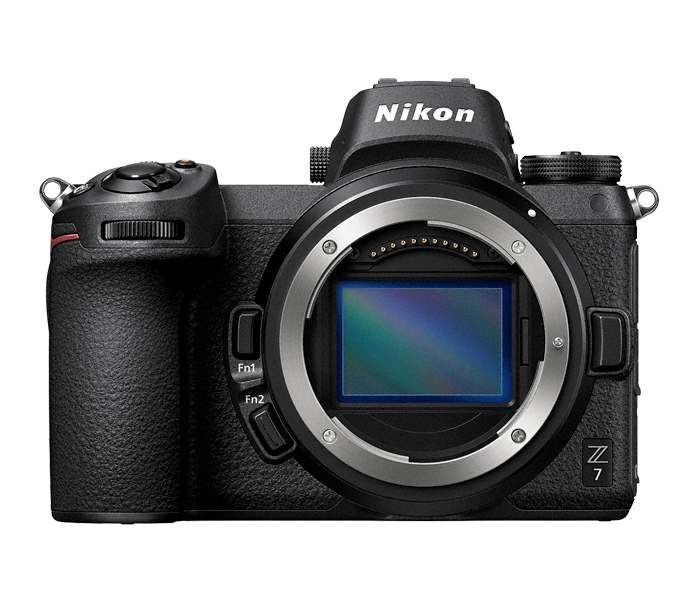
The Nikon Z7 is a full-frame mirrorless camera introduced in 2018 as Nikon's first-generation entry into the full-frame mirrorless market. Designed for photographers who prioritize image quality and resolution, it combines a 45.7-megapixel sensor with a compact body, an electronic viewfinder, and Nikon's Z-mount lens system.
The Z7 is particularly well suited to landscape, architecture, studio portraiture, and fine-art photography. Its high-resolution sensor captures extensive detail, while its native ISO 64 setting provides excellent image-quality potential in controlled lighting and bright outdoor conditions. For existing Nikon DSLR owners, the optional FTZ adapter also makes it possible to use many compatible F-mount lenses.
Although newer cameras offer more advanced autofocus tracking and faster performance, the original Z7 remains a capable option for photographers seeking high-resolution full-frame images on the used market.
Real-World Performance
45.7MP Full-Frame BSI CMOS Sensor
The Z7 features a 45.7-megapixel full-frame back-illuminated CMOS sensor without an optical low-pass filter. This design captures fine textures and intricate details, making the camera suitable for large prints, detailed landscapes, architecture, and carefully composed portraits.
Its native base ISO of 64 helps preserve image quality in bright conditions and provides substantial dynamic-range potential. Photographers can recover useful shadow detail from well-exposed RAW files, although results depend on the lighting, exposure, and processing workflow.
Nikon Z-Mount Lens System
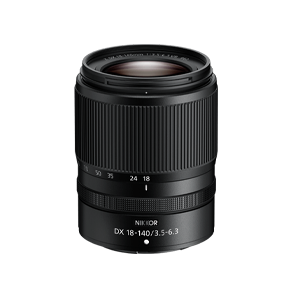
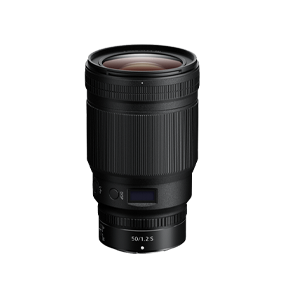
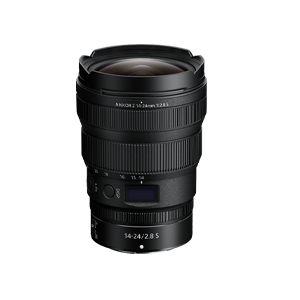
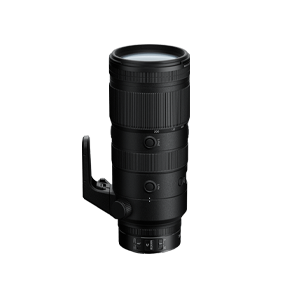
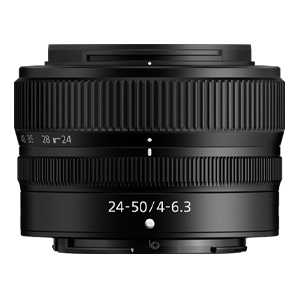
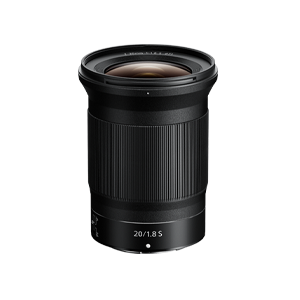
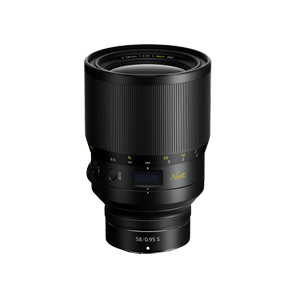
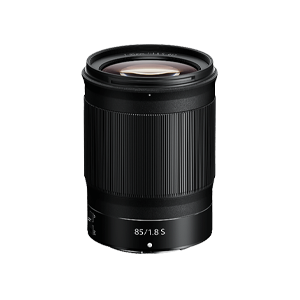
The Z7 uses Nikon's Z mount, which supports a growing range of native mirrorless lenses. These lenses include wide-angle options for landscapes, standard zooms for general photography, and specialized lenses for portraits and other subjects.
With Nikon's FTZ or compatible FTZ II adapter, photographers can also use many Nikon F-mount DSLR lenses. Autofocus and other functions depend on the specific lens, so compatibility should be checked before purchasing an adapter.
Five-Axis In-Body Image Stabilization
The Z7 introduced in-body image stabilization to Nikon's full-frame mirrorless system. Its sensor-shift stabilization helps reduce camera shake when photographing handheld, including when using compatible lenses without built-in optical stabilization.
Nikon rated the system at up to five stops of shake reduction under specified testing conditions. Actual results vary depending on the lens, shooting technique, and exposure settings. Stabilization can help with stationary subjects in low light, but it cannot freeze subject movement.
Comfortable Ergonomics and Weather Resistance
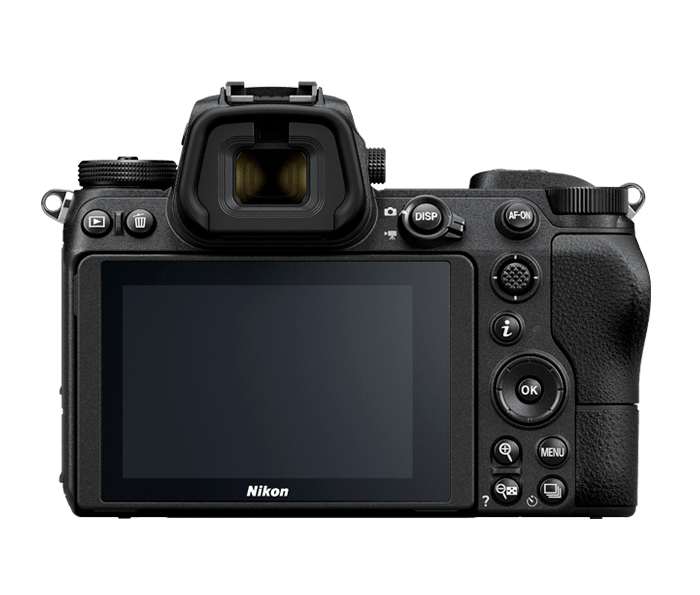
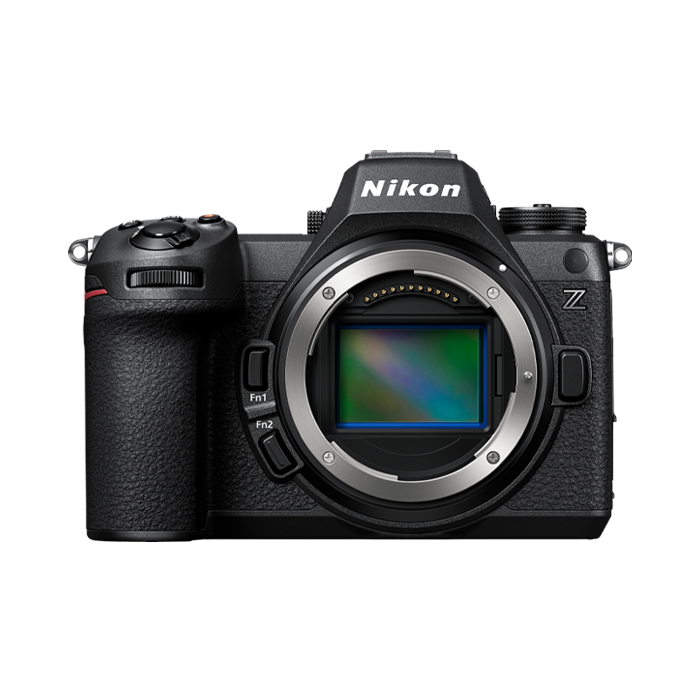
Despite its smaller size compared with many professional DSLRs, the Z7 retains a deep handgrip and a familiar Nikon control layout. The electronic viewfinder offers a clear view for composing photographs, while the rear touchscreen provides access to settings and image playback.
Its weather-resistant construction helps protect the camera in challenging outdoor conditions when used appropriately, but it should not be considered waterproof. Extra care is still necessary in heavy rain, dust, and moisture.
Detailed RAW Files and Cropping Flexibility
The high-resolution sensor provides considerable flexibility when cropping images during editing. This can be especially useful for landscapes, wildlife photographed at a distance, and architectural subjects where precise composition is important.
The large files also work well for fine-art prints and professional retouching. However, they require more storage space and processing power than files from lower-resolution cameras.
Continuous Shooting and Autofocus
The Z7 uses a 493-point hybrid autofocus system combining phase-detection and contrast-detection technology. It can focus accurately on stationary subjects and handle many everyday photographic situations, including portraits and landscapes.
Continuous shooting reaches approximately 9 frames per second under supported settings, with certain exposure and autofocus limitations depending on the selected mode. The camera's buffer and autofocus tracking are less capable than those of newer action-oriented bodies, making it less suitable for sustained bursts of unpredictable movement.
Key Limitations
Single Memory Card Slot
One of the Z7's most significant compromises is its single XQD/CFexpress Type B memory card slot. It cannot create an in-camera backup on a second card while shooting.
This is an important consideration for wedding, event, and commercial photographers who require immediate redundant recording to reduce the risk of losing client images. A careful backup workflow can help protect files, but it does not replace the convenience of dual card slots.
Older Subject-Tracking Autofocus
Although the Z7's autofocus system performs well with many stationary and moderately moving subjects, its tracking capabilities are less advanced than those of newer mirrorless cameras. Fast, erratic movement can make it harder to maintain focus, particularly when photographing birds in flight, wildlife, or competitive sports.
For deliberate photography, this limitation may be manageable. For action-focused work, a newer body with improved subject recognition and tracking is worth considering.
Limited Buffer for Sustained Bursts
The Z7's high-resolution files place substantial demands on its buffer and memory card. During extended continuous shooting, the buffer can fill and temporarily reduce the shooting rate while images are written to the card.
Using a fast, compatible memory card and selecting appropriate image-quality settings can help, but the camera is better suited to controlled bursts than prolonged action sequences.
Tilting Screen Without Front-Facing Articulation
The rear screen tilts for shooting from high or low angles, but it does not flip forward for convenient self-recording. This is less of a concern for landscape and studio photographers, but it makes solo vlogging and front-facing video work more difficult.
Large File Sizes and Storage Requirements
The 45.7-megapixel RAW files provide impressive detail but require substantial storage space. Photographers working with large batches of images may need faster storage, more backup capacity, and a computer capable of handling high-resolution editing efficiently.
Who Should Buy the Nikon Z7?
The Nikon Z7 is best suited to landscape, architectural, studio, portrait, and fine-art photographers who prioritize high resolution and image quality over advanced action tracking.
Landscape and Nature Photographers
The 45.7-megapixel sensor and ISO 64 base setting make the Z7 an excellent option for detailed landscapes, dramatic skies, and textured natural scenes. Its dynamic-range potential and cropping flexibility are valuable for photographers who want to produce large prints or fine-art images.
Nikon DSLR Owners
Photographers upgrading from Nikon DSLR bodies such as the D750, D810, or D850 may appreciate the Z7's smaller mirrorless design and electronic viewfinder. With the appropriate FTZ adapter, many existing F-mount lenses can continue to be used, depending on lens compatibility.
This can make the transition to Nikon's mirrorless system more affordable without requiring an immediate replacement of an entire lens collection.
Studio and Portrait Photographers
In controlled lighting, the Z7's high-resolution files provide excellent detail for portraits, product photography, and commercial work. Its RAW files allow substantial flexibility for retouching, while compatible Z-mount lenses can deliver excellent sharpness and rendering.
However, professionals who photograph weddings or events should carefully consider the absence of a second card slot.
Architecture and Fine-Art Photographers
The detailed sensor is well suited to architecture, interiors, still life, and other subjects where precise composition and fine textures matter. Its ability to crop images while retaining useful resolution also provides additional compositional flexibility.
Who Should Consider Another Camera?
Wildlife, Birds, and Sports Photographers
The Z7 can photograph wildlife and action, but its tracking autofocus and sustained burst performance are less advanced than those of newer cameras designed for fast-moving subjects. Photographers who frequently track birds in flight or shoot high-speed sports may benefit from a body with more sophisticated subject recognition and a larger buffer.
Wedding and Event Professionals Requiring Redundant Recording
The single memory card slot is a major consideration for photographers whose work demands immediate in-camera backups. If redundant recording is a firm professional requirement, a camera with dual card slots is a more appropriate choice.
Vloggers and Solo Video Creators
The tilting screen does not face forward, and the Z7 lacks some of the modern video-oriented features found in newer hybrid cameras. Creators who frequently film themselves should consider a camera with a fully articulating screen and more advanced video tools.
Photographers Who Prefer Lightweight Files and Fast Workflows
Although the Z7's resolution is a major strength, the resulting RAW files require more storage and processing resources. Photographers who prioritize speed, compact file sizes, or high-volume action shooting may find a lower-resolution or more performance-focused camera better suited to their needs.
Final Verdict
The Nikon Z7 remains a compelling high-resolution full-frame camera for photographers who value detail, dynamic range, and deliberate still photography. Its 45.7-megapixel sensor, ISO 64 base setting, in-body image stabilization, comfortable grip, and compatibility with many Nikon F-mount lenses make it a versatile tool for landscapes, portraits, architecture, and fine-art work.
Its principal drawbacks are the single memory card slot, older autofocus tracking, limited sustained burst performance, and screen that cannot face forward. These compromises matter more for action photography, demanding event work, and modern video production than they do for carefully composed still images.
Before buying a used Z7, inspect the sensor, electronic viewfinder, rear screen, controls, card slot, ports, and battery condition. Confirm that the camera recognizes and writes to compatible memory cards, test autofocus, and check the compatibility of any F-mount lenses you intend to use. Compare the total cost with newer Nikon mirrorless models to determine whether the original Z7 offers the right balance of resolution, performance, and value for your photography.
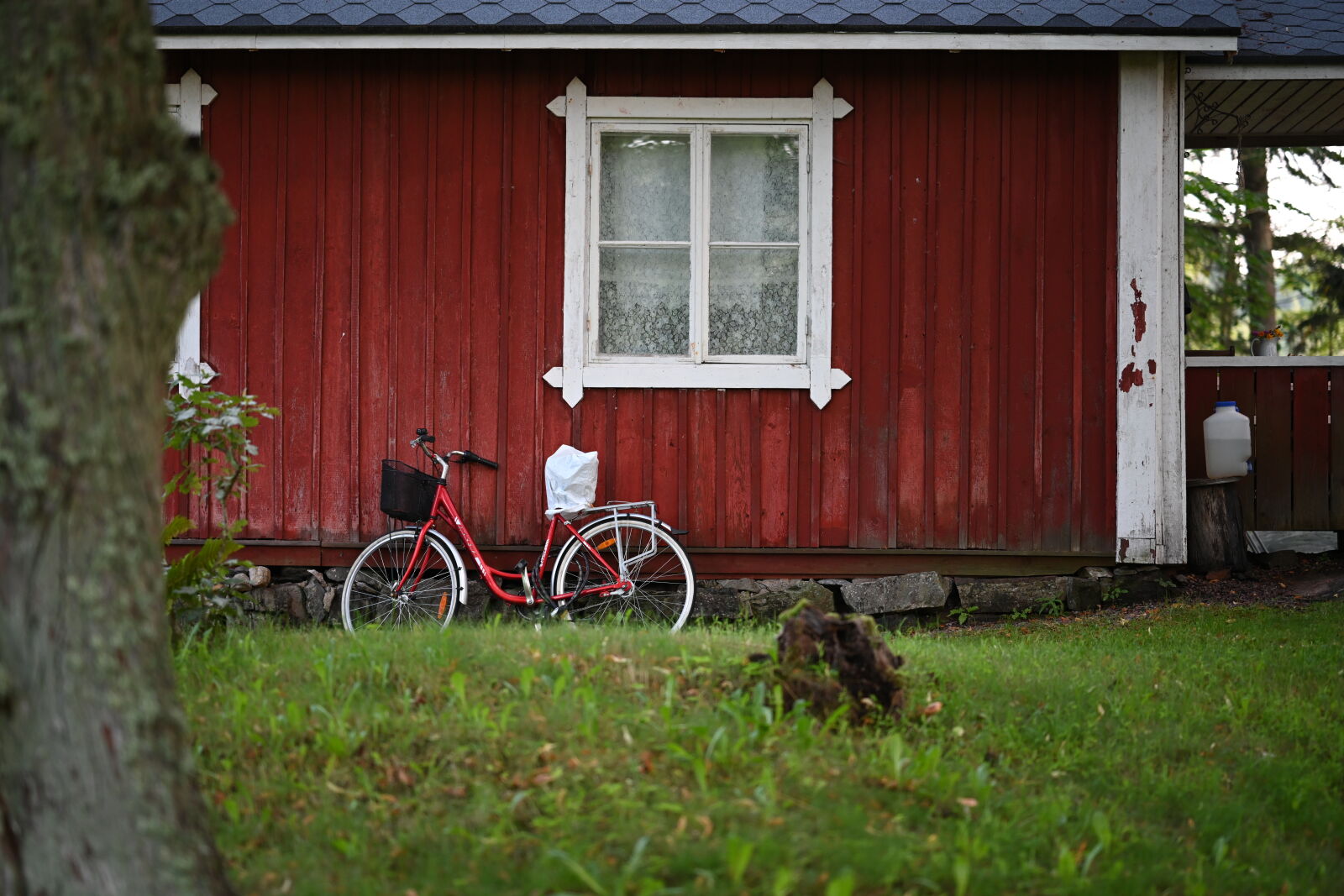
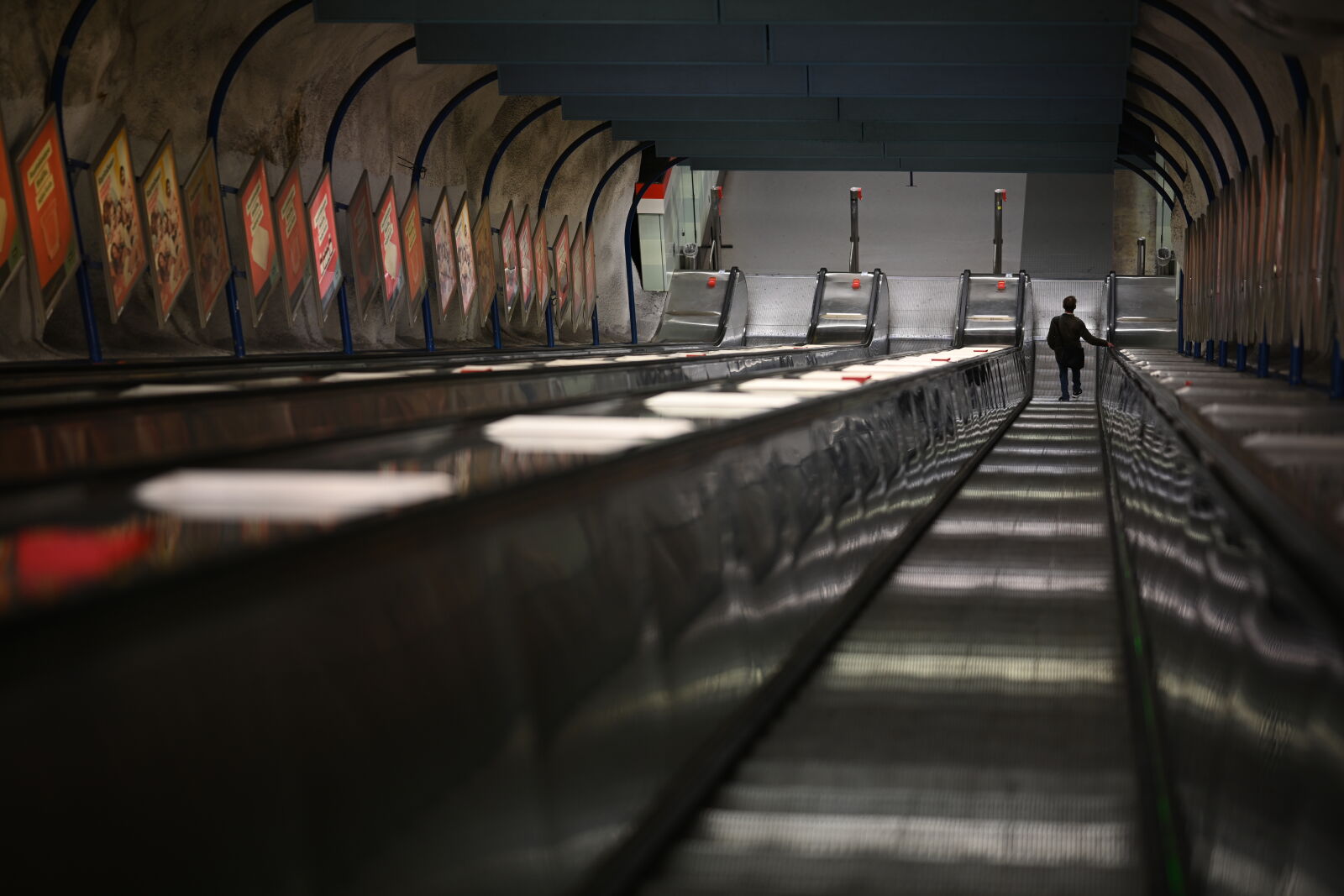
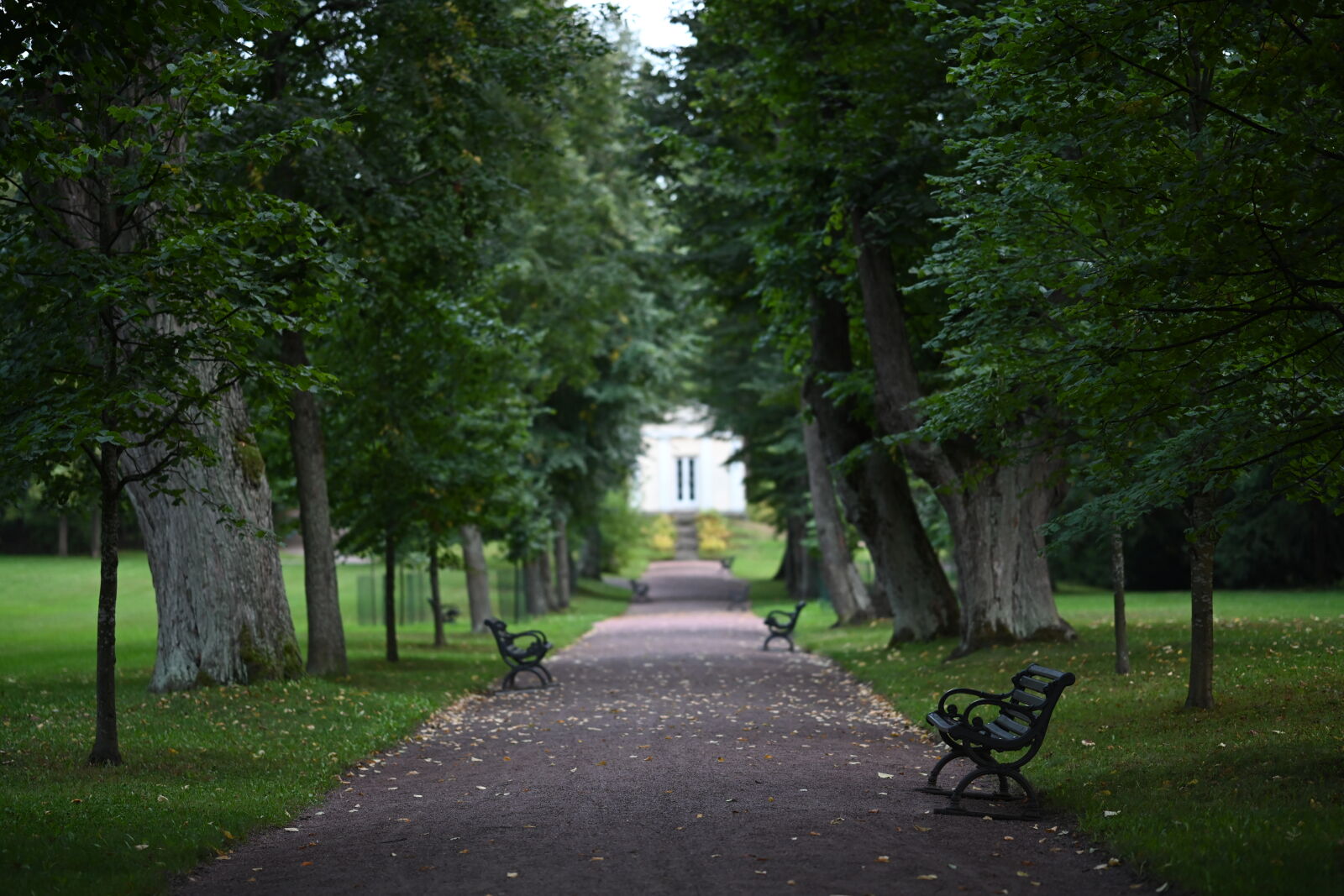
Sample Images