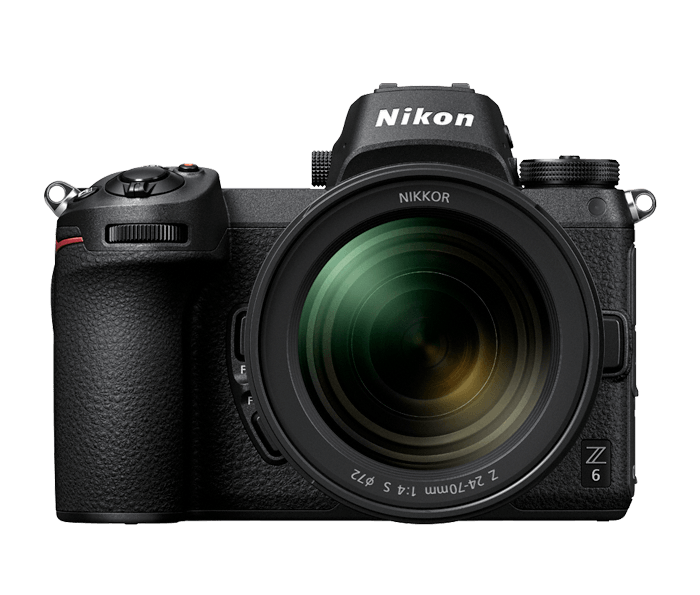
Nikon Z6: Product Overview
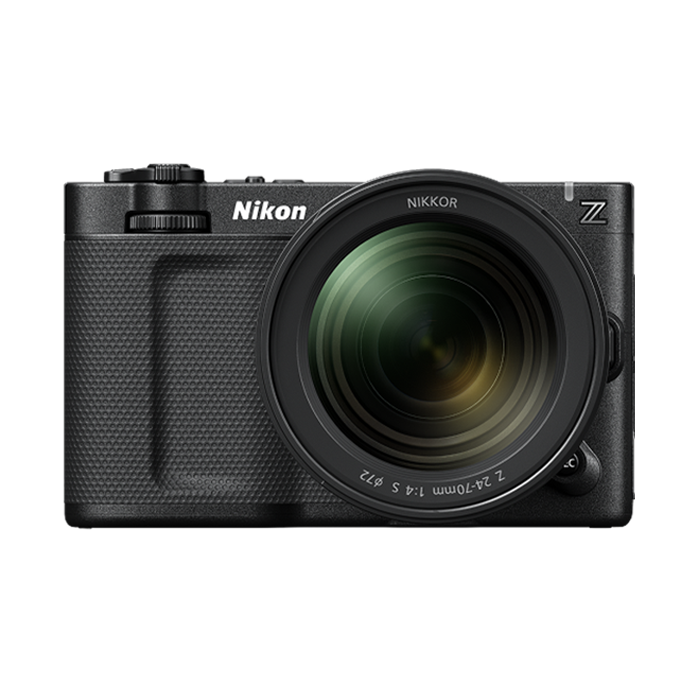
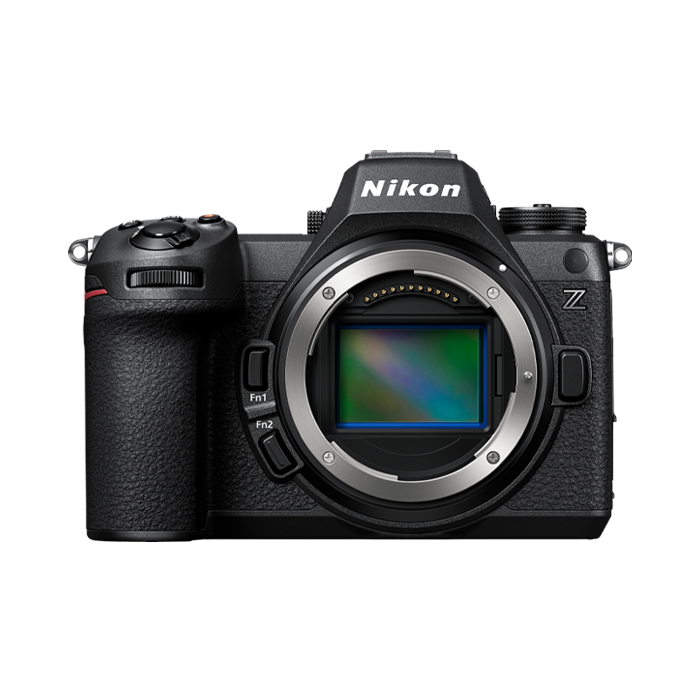
The Nikon Z6 is a full-frame mirrorless camera introduced in 2018 alongside the higher-resolution Nikon Z7. While the Z7 was designed for photographers who need maximum detail, the Z6 offers a balanced combination of image quality, low-light performance, continuous shooting, and video capabilities.
Its 24.5-megapixel back-illuminated CMOS sensor delivers detailed photographs while keeping file sizes manageable. Combined with Nikon's Z-mount lens system, in-body image stabilization, and 4K video recording, the Z6 remains a versatile option for travel, portraits, events, street photography, and hybrid photo-and-video work.
For photographers upgrading from a Nikon DSLR, the optional FTZ adapter also allows the use of many compatible F-mount lenses. Although newer models offer more advanced autofocus and video features, the original Z6 remains worth considering on the used market.
Real-World Performance
24.5MP Full-Frame BSI CMOS Sensor
The Z6 features a 24.5-megapixel full-frame back-illuminated CMOS sensor designed to balance resolution, sensitivity, and overall image quality. Its relatively moderate pixel count keeps file sizes manageable while providing sufficient detail for portraits, travel photographs, landscapes, and many professional applications.
The sensor performs particularly well in challenging lighting. Photographers can raise the ISO to maintain faster shutter speeds in dim environments, although image noise and detail loss increase at higher sensitivities. Results depend on exposure, lighting conditions, and RAW processing.
Strong Low-Light Performance
The Z6 is well suited to indoor events, evening street photography, concerts, and other situations where available light is limited. Its full-frame sensor provides useful flexibility when balancing shutter speed, aperture, and ISO.
Rather than relying on a fixed ISO threshold, photographers should choose sensitivity according to the scene and the amount of noise acceptable in the final image. Proper exposure and suitable lenses remain important for obtaining clean results in low light.
Detailed 4K Video Recording
The Nikon Z6 records 4K UHD video at up to 30 frames per second using a full-frame-width sensor readout. This produces detailed footage without an additional crop in the standard full-frame 4K mode.
For advanced video workflows, the camera supports 10-bit N-Log output over HDMI to a compatible external recorder, providing greater flexibility for color grading than standard internal recording. Microphone and headphone connections also help users capture and monitor audio.
Some advanced recording options depend on firmware and configuration, and external recording equipment adds cost and complexity.
Continuous Shooting Performance
The Z6 can shoot at up to approximately 12 frames per second in its fastest continuous-shooting mode, depending on the selected settings. This makes it useful for capturing children, pets, everyday action, and brief moments during events.
The maximum frame rate does not guarantee continuous autofocus performance at that speed. Autofocus behavior, exposure options, and buffer capacity vary by shooting mode, and extended bursts may slow as the buffer fills.
Five-Axis In-Body Image Stabilization
The Z6 includes five-axis sensor-shift image stabilization, helping reduce camera shake when shooting handheld. This is especially useful for evening photography, indoor scenes, and lenses that do not have built-in optical stabilization.
Stabilization can help photographers use slower shutter speeds with stationary subjects, but it cannot freeze moving people or animals. A sufficiently fast shutter speed is still necessary for action photography.
Comfortable Handling and Weather Resistance
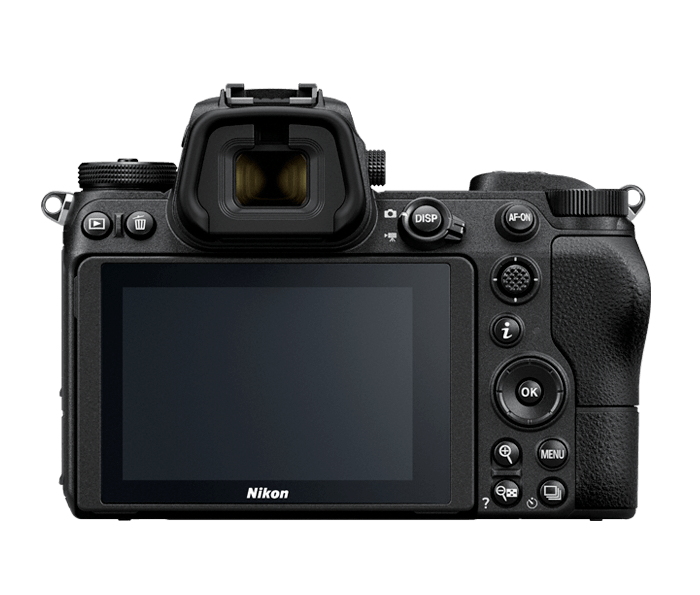
The Z6 features a deep grip, an electronic viewfinder, and weather-resistant construction. Its familiar Nikon control layout makes important settings accessible, while the electronic viewfinder provides a clear view for composing photographs.
Weather resistance helps protect the camera during outdoor photography, but it is not waterproof. Care is still necessary in heavy rain, dust, and moisture.
Compatibility With Nikon F-Mount Lenses
With the optional Nikon FTZ or FTZ II adapter, the Z6 can use many Nikon F-mount DSLR lenses. Autofocus and other functions depend on the particular lens, so compatibility should be confirmed before purchasing an adapter.
This can make the Z6 a practical upgrade for photographers who already own Nikon DSLR equipment and want to move to a mirrorless system gradually.
Key Limitations
Single Memory Card Slot
One of the Z6's most important limitations is its single XQD/CFexpress Type B memory card slot. It cannot record a simultaneous in-camera backup to a second card.
This may be acceptable for hobbyists and personal photography, but it is an important consideration for wedding, event, and commercial photographers who require redundant image recording to reduce the risk of losing client files.
Older Autofocus Tracking
The Z6 uses a hybrid autofocus system that performs well for portraits, landscapes, street photography, and many everyday subjects. However, its subject tracking and eye-detection capabilities are less sophisticated than those of newer mirrorless cameras.
Fast, unpredictable subjects—particularly birds in flight and athletes moving rapidly toward or across the frame—can be challenging. Photographers who specialize in action or wildlife may benefit from a newer camera with improved subject recognition and tracking.
Specialized Memory Cards
The original Z6 does not accept standard SD cards. It uses compatible XQD or CFexpress Type B memory cards, depending on card and firmware compatibility.
These cards and their readers can cost more than common SD-card equipment, so buyers should include the cost of suitable media and a card reader in their budget. A fast, compatible card is especially useful when recording high-bitrate video or shooting extended bursts.
Limited Buffer for Extended Bursts
Although the Z6 offers a high maximum frame rate, its buffer can fill during sustained shooting, particularly when recording RAW files. Once the buffer is full, the camera may slow down while images are written to the memory card.
This makes it more suitable for short bursts than for prolonged sequences of fast action.
Rear Screen Does Not Face Forward
The rear LCD tilts for shooting from high or low angles, but it does not flip forward for self-recording. This can make it difficult for solo vloggers and video creators to monitor their framing while appearing in front of the camera.
Who Should Buy the Nikon Z6?
The Nikon Z6 is best suited to hybrid photographers, low-light shooters, travel enthusiasts, portrait photographers, and budget-conscious video creators who want full-frame image quality without the file sizes of a high-resolution body.
Nikon DSLR Owners Upgrading to Mirrorless
Photographers moving from Nikon DSLR bodies such as the D750 or D7200 may appreciate the Z6's compact design, electronic viewfinder, and in-body stabilization. With a compatible FTZ adapter, many existing F-mount lenses can continue to be used.
This allows photographers to transition to the Z system without immediately replacing every lens in their collection.
Travel and Street Photographers
The Z6 combines full-frame image quality with a relatively compact body compared with many traditional professional DSLRs. Its 24.5-megapixel resolution is sufficient for most travel and street photography, while manageable file sizes help streamline storage and editing.
Low-Light and Event Photographers
The camera's full-frame sensor and strong high-ISO performance make it a useful option for indoor gatherings, evening cityscapes, environmental portraits, and available-light photography.
However, professionals covering weddings or important events should carefully consider the single memory card slot before relying on the Z6 for paid work.
Budget-Conscious Videographers
The Z6 offers detailed 4K recording, external microphone and headphone connections, and HDMI output for compatible external recording equipment. These features make it useful for short films, interviews, cinematic B-roll, and YouTube videos when its screen and autofocus limitations are manageable.
Who Should Consider Another Camera?
Wedding and Commercial Professionals Requiring Redundant Recording
The absence of dual card slots is a major drawback for photographers who need immediate in-camera backups. If simultaneous recording to two cards is a firm requirement, a camera with dual memory card slots is a better choice.
Dedicated Wildlife and Sports Photographers
The Z6 can capture action, but its autofocus tracking and buffer performance are less advanced than those of newer action-oriented cameras. Photographers who regularly shoot birds in flight, wildlife, or high-speed sports may prefer a newer body with more sophisticated subject tracking and greater sustained shooting performance.
Vloggers and Solo Video Creators
The rear screen cannot face forward, making it harder to monitor framing while recording yourself. Creators who frequently film themselves may find a camera with a fully articulating display and more advanced video-oriented autofocus more practical.
Photographers Who Prefer Standard SD Cards
The specialized XQD and CFexpress Type B media requirements may be inconvenient for photographers who already own a large collection of SD cards. Before purchasing a used Z6, confirm which compatible cards are included and budget for any additional media or readers.
Final Verdict
The Nikon Z6 remains a versatile full-frame mirrorless camera for photographers who want a strong balance of image quality, low-light performance, continuous shooting, and 4K video. Its 24.5-megapixel sensor, in-body image stabilization, comfortable ergonomics, and compatibility with many Nikon F-mount lenses make it a practical option for travel, portraits, events, and hybrid photography.
Its main compromises are the single memory card slot, older autofocus tracking, specialized memory-card requirements, and lack of a forward-facing screen. These limitations matter most for professionals who require redundant recording, photographers who specialize in fast action, and creators who frequently film themselves.
Before purchasing a used Z6, inspect the sensor, electronic viewfinder, rear screen, controls, card slot, ports, and battery condition. Test autofocus and video recording, verify memory card compatibility, and confirm that any intended F-mount lenses work correctly with the FTZ adapter. Finally, compare the total cost with newer Nikon Z-series bodies to determine whether the original Z6 offers the best balance of performance and value for your needs.
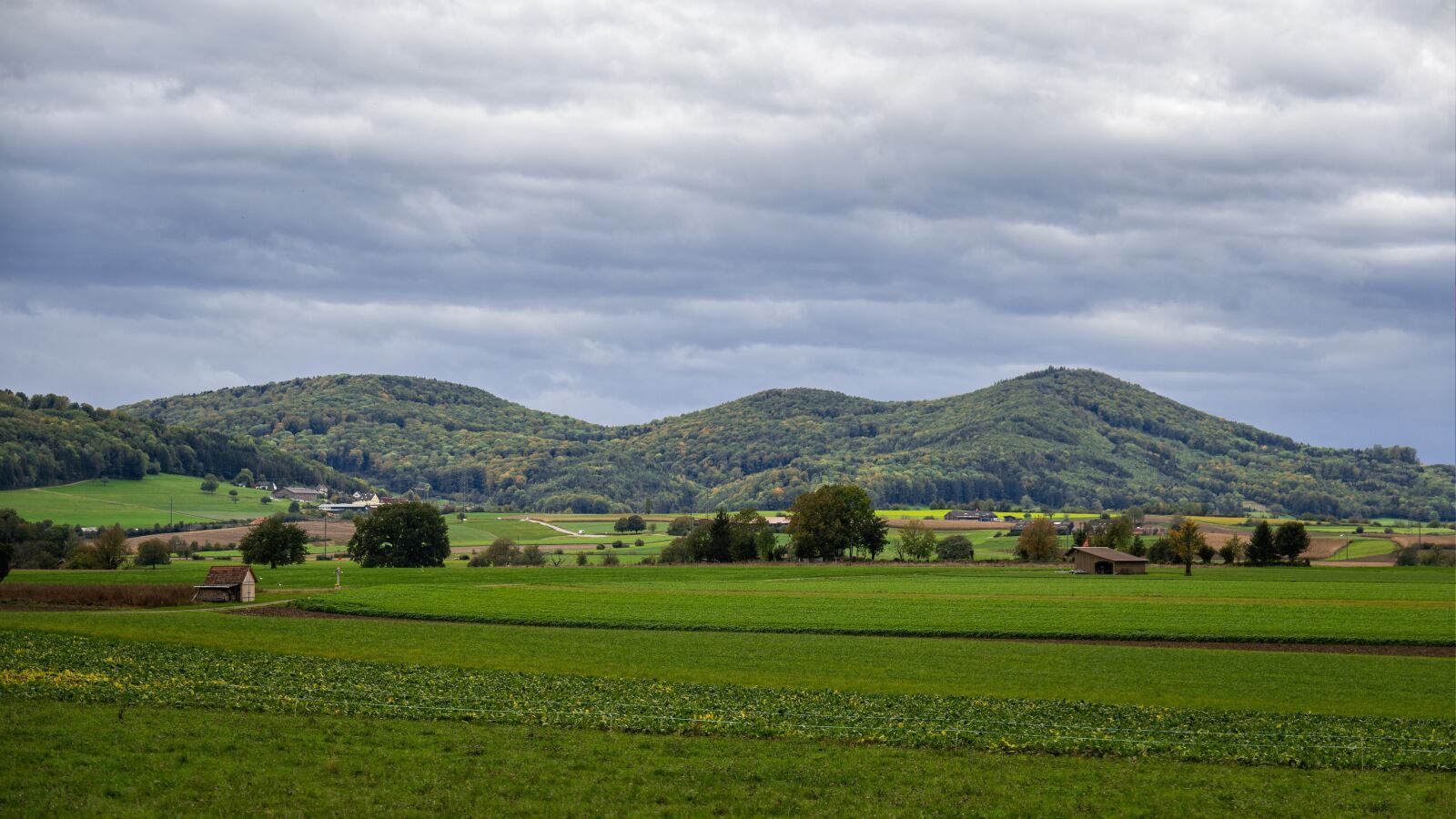
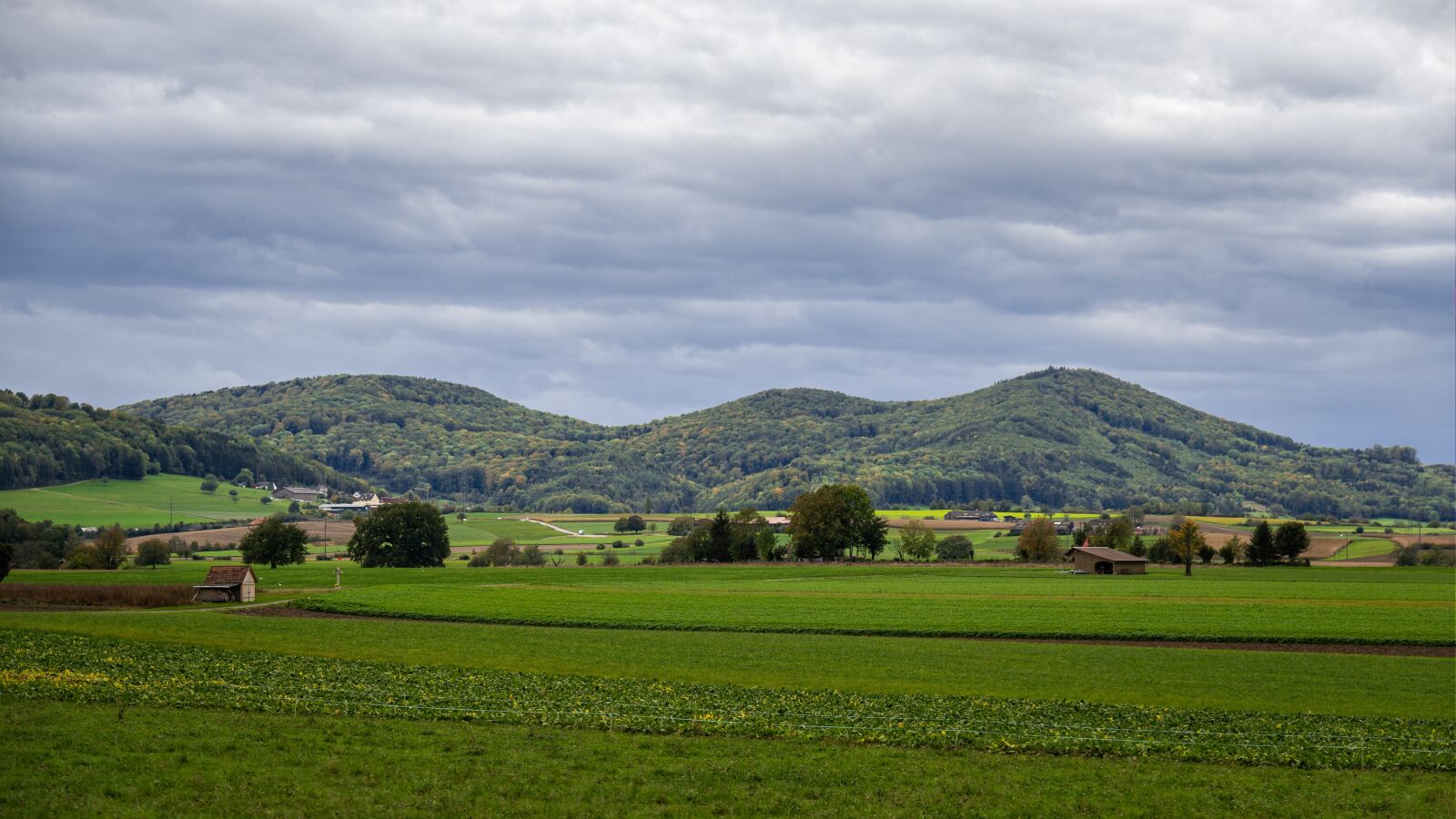
Sample Images