Overview
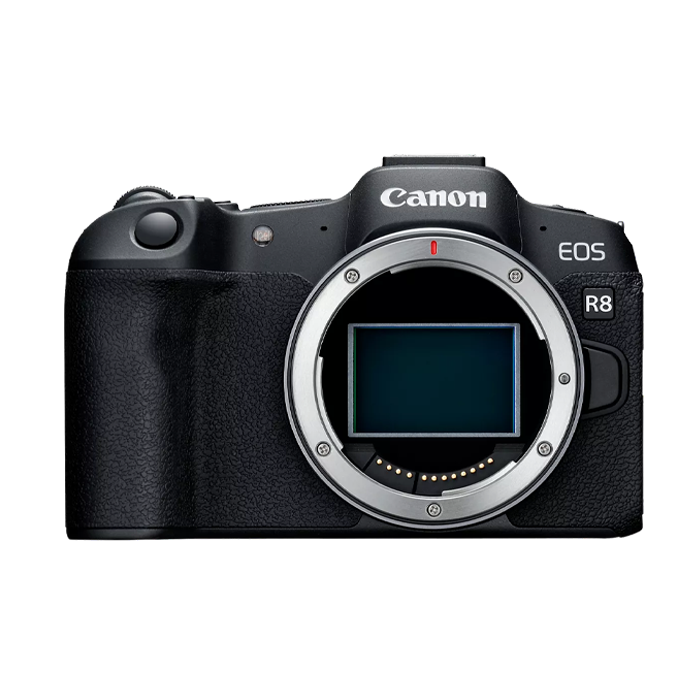
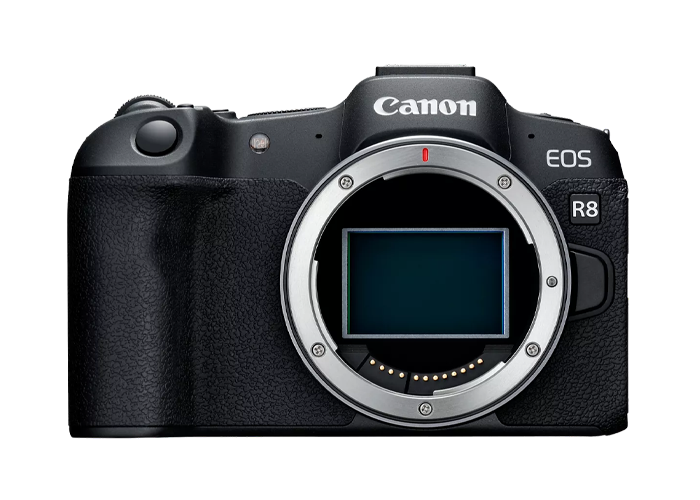
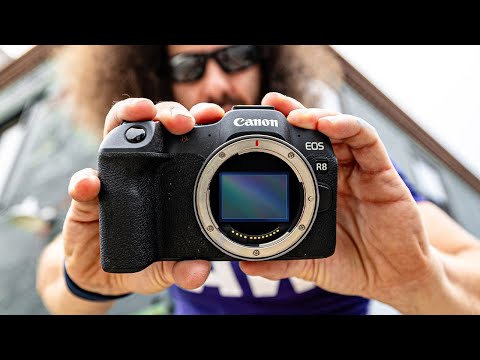
The Canon EOS R8 is a lightweight, entry-level full-frame mirrorless camera designed for photography enthusiasts, travelers, and content creators who want excellent image quality without the cost or bulk of a professional camera body. It combines a 24.2MP full-frame CMOS sensor, the DIGIC X image processor, and Canon's advanced Dual Pixel CMOS AF II autofocus system in a compact body weighing approximately 461g (16.3 oz), including the battery and memory card.
Sharing its sensor and image processor with the Canon EOS R6 Mark II, the EOS R8 delivers strong low-light performance, detailed images, and impressive subject tracking. Its autofocus system can recognize and track people, animals, birds, and vehicles, making it suitable for portraits, travel photography, casual wildlife shooting, and everyday action.
The EOS R8 also offers impressive continuous shooting speeds of up to 40 frames per second (fps) with its electronic shutter. For video creators, it records uncropped 4K video at up to 60p, oversampled from approximately 6K sensor data, and supports Canon Log 3 with 10-bit recording options for flexible color grading.
To keep the camera compact and relatively affordable, Canon omitted several features found in higher-end models. The EOS R8 has no in-body image stabilization (IBIS), uses the smaller LP-E17 battery, and provides only one SD card slot. These compromises make it less suitable for some professional event assignments and handheld video applications, but they may be acceptable for photographers who prioritize full-frame image quality, portability, and value.
Key Specifications and Features
24.2MP Full-Frame CMOS Sensor
The EOS R8 features a 24.2MP full-frame CMOS sensor paired with the DIGIC X image processor. The sensor delivers detailed images, good dynamic range, and strong high-ISO performance, making it suitable for indoor photography, evening street scenes, portraits, and other situations with limited light.
The full-frame sensor also provides greater control over depth of field than many APS-C cameras when using comparable framing and aperture settings. This is particularly useful for portraits and creative photography where a soft, blurred background helps separate the subject from its surroundings.
Advanced Dual Pixel CMOS AF II
The EOS R8 uses Canon's Dual Pixel CMOS AF II autofocus system with deep-learning subject detection. It can recognize and track people, animals, birds, and vehicles, helping maintain focus as subjects move through the frame. This makes the camera useful for photographing people, pets, travel scenes, and casual wildlife action.
Its autofocus capabilities are inherited from Canon's more advanced mirrorless technology, so users can benefit from sophisticated subject tracking without purchasing a higher-priced professional body. Actual performance depends on lighting, subject visibility, lens characteristics, and autofocus settings.
High-Speed Electronic Shutter
The EOS R8 supports continuous shooting at up to 40 fps using its electronic shutter. This rapid shooting rate helps capture brief expressions, fast-moving pets, and other fleeting moments. The camera also offers RAW Burst Mode with a pre-shooting function, helping record action that occurs shortly before the shutter is fully pressed.
However, the electronic shutter can produce rolling-shutter distortion when photographing very fast movement or panning quickly. Photographers should choose the shutter mode according to the subject and shooting conditions.
Uncropped 4K60 Video
The EOS R8 records uncropped 4K video at up to 60p, oversampled from approximately 6K sensor data to produce detailed footage. Retaining the full sensor width helps preserve the intended angle of view of wide-angle lenses, which is particularly useful for travel videos, vlogging, interviews, and landscape footage.
The camera also supports Canon Log 3 and 10-bit recording options in supported modes, giving videographers greater flexibility when adjusting contrast, color, and highlights during post-production. Recording options and output specifications vary by selected mode, so creators should confirm the requirements of their intended workflow.
Compact and Lightweight Full-Frame Body
Weighing approximately 461g (16.3 oz) with the battery and memory card, the EOS R8 is one of Canon's lightest full-frame mirrorless cameras. Its compact size makes it convenient for travel, hiking, street photography, and everyday carry.
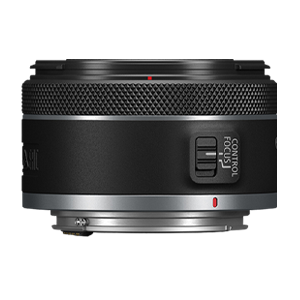
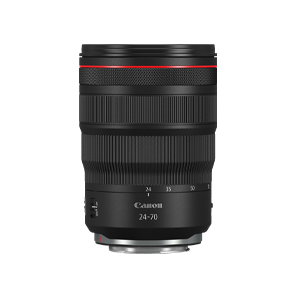
When paired with a compact RF prime lens, such as the Canon RF50mm F1.8 STM, it creates a portable full-frame setup that offers excellent image quality without the weight of a larger professional camera and lens combination.
No In-Body Image Stabilization
Unlike the EOS R6 Mark II, the EOS R8 does not include sensor-shift in-body image stabilization. Photographers who shoot handheld should consider lenses with built-in optical image stabilization (IS), while video creators may benefit from a tripod, monopod, or gimbal for additional stability.
Optical stabilization can reduce camera shake, but it cannot eliminate every type of movement or freeze moving subjects. Digital video stabilization, where available, may also affect the field of view or image quality depending on the selected mode.
Single SD Card Slot
The EOS R8 has one SD card slot that supports UHS-II-compatible cards. This is adequate for many enthusiasts and content creators, but it does not provide simultaneous in-camera backup to a second card. Professionals photographing weddings, once-in-a-lifetime events, or important commercial assignments should carefully consider this limitation.
LP-E17 Battery
The camera uses Canon's compact LP-E17 battery, helping reduce body size and weight. Battery life can be limited during extensive burst shooting, video recording, or long outdoor sessions. Actual shot counts depend on shooting conditions and settings, so carrying spare batteries is recommended for travel and all-day photography.
Full-Frame RF Lens Compatibility
The EOS R8 uses Canon's RF lens mount, providing access to a range of RF lenses for portraits, landscapes, travel, sports, and wildlife photography. Compatible Canon EF and EF-S DSLR lenses can also be used with an appropriate EF-EOS R adapter, although EF-S lenses use a cropped recording area when mounted on the full-frame camera.
Key Specifications
Specification | Canon EOS R8 |
|---|---|
Camera Type | Full-frame mirrorless camera |
Sensor Resolution | 24.2MP full-frame CMOS |
Image Processor | DIGIC X |
Lens Mount | Canon RF mount |
Electronic Shutter | Up to 40 fps |
Mechanical Shutter | No mechanical shutter; electronic first-curtain shutter available |
Autofocus | Dual Pixel CMOS AF II with subject detection and tracking |
In-Body Image Stabilization | Not available |
4K Video | Uncropped 4K up to 60p, oversampled from approximately 6K |
Log Recording | Canon Log 3 with supported 10-bit recording modes |
Memory Card Slot | One SD card slot supporting UHS-II |
Battery | Canon LP-E17 |
Weight | Approximately 461g (16.3 oz), including battery and memory card |
Body Design | Compact and lightweight |
Best Uses | Travel, portraits, everyday photography, content creation, and casual wildlife |
Pros and Cons
Pros | Cons |
|---|---|
24.2MP full-frame sensor provides detailed images and strong low-light performance. | Resolution is insufficient for some photographers who need extensive cropping or very large prints. |
Advanced autofocus tracks people, animals, birds, and vehicles. | Autofocus performance can vary with difficult lighting, subject visibility, and lens choice. |
Electronic shutter supports continuous shooting at up to 40 fps. | Rolling-shutter distortion can occur with fast movement or rapid panning. |
Uncropped 4K60 video oversampled from approximately 6K. | No in-body image stabilization for sensor-based shake correction. |
Canon Log 3 and supported 10-bit recording provide color-grading flexibility. | Advanced video workflows require additional storage and post-production processing. |
Lightweight body is convenient for travel and everyday photography. | Small grip and battery may be less comfortable for some users during long sessions or with large lenses. |
RF lens mount provides access to Canon's full-frame mirrorless lens lineup. | Professional RF lenses can significantly increase the total system cost. |
Compatible optical image stabilization lenses can help reduce camera shake. | Requires stabilized lenses or external support for demanding handheld video work. |
Single SD card slot keeps the camera design simple and compact. | No second card for simultaneous in-camera backup. |
Compact LP-E17 battery contributes to the camera's low weight. | Battery life can be limiting during long shoots, requiring spare batteries. |
Who Should Buy This Camera?
1. Travel and Everyday Photographers
The Canon EOS R8 is well suited to travelers who want full-frame image quality without carrying a heavy camera body. Its low weight makes it convenient for city walks, vacations, hiking, and everyday photography. Pairing it with a compact RF prime lens can create a portable setup for landscapes, street photography, and environmental portraits.
The full-frame sensor also provides flexibility when shooting in changing light, from bright outdoor scenes to dim restaurants and evening streets. For photographers upgrading from a smartphone or an entry-level APS-C camera, the EOS R8 offers access to interchangeable lenses and greater creative control over depth of field.
2. Portrait Photographers and Hobbyists
Portrait photographers can benefit from the EOS R8's full-frame sensor, eye detection, and shallow-depth-of-field potential with fast lenses. Its 24.2MP resolution is sufficient for many portraits, family photographs, social media content, and moderate-size prints.
Hobbyists who want modern autofocus and strong image quality without the additional cost of a professional body may find the EOS R8 an attractive entry into Canon's full-frame RF system.
3. Vloggers and Independent Video Creators
The EOS R8 offers detailed uncropped 4K60 recording and supported 10-bit Canon Log 3 options, making it suitable for travel videos, interviews, product content, and online video production. Its lightweight body is easy to carry on location, while the full-frame sensor supports a range of creative looks.
However, creators who regularly film while walking should plan for stabilization. A compatible IS lens can help, but a gimbal or other support may be preferable for smoother movement. Spare batteries are also important for longer recording sessions.
4. Wildlife and Casual Action Photographers
The EOS R8's autofocus tracking and 40 fps electronic shutter make it capable of photographing pets, birds, and other moving subjects. Its full-frame sensor can be helpful when shooting in low light, particularly with fast telephoto lenses.
Nevertheless, photographers who regularly photograph small, distant birds may prefer a camera with a higher-resolution sensor or an APS-C sensor that provides a tighter angle of view with the same lens. The EOS R8's electronic shutter also requires care when photographing very fast movement because rolling-shutter distortion may occur.
5. Who Should Consider Another Camera?
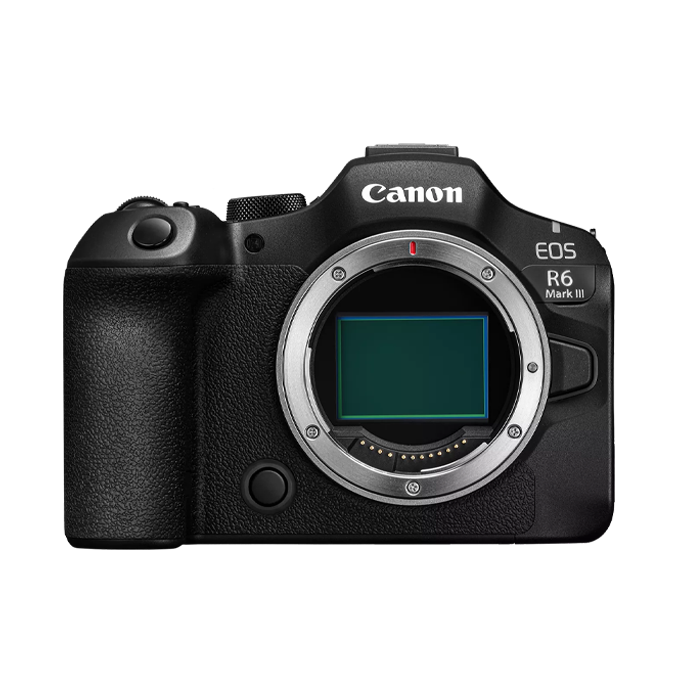
Professional wedding and event photographers should carefully evaluate the single SD card slot because it does not offer simultaneous in-camera backup. The EOS R6 Mark II, with its dual card slots and IBIS, may be more appropriate for demanding professional assignments.
Creators who need smooth handheld video without additional equipment should consider a camera with in-body image stabilization. Photographers who need maximum resolution for extensive cropping, detailed commercial work, or very large prints may prefer a higher-resolution full-frame model. Those who routinely shoot all day should also account for the EOS R8's smaller battery.
Buying Recommendation
The Canon EOS R8 is worth considering if your priorities are full-frame image quality, advanced autofocus, lightweight portability, and capable 4K video at a relatively accessible price. It is especially appealing to travel photographers, portrait enthusiasts, hobbyists, and creators who want a compact camera for both stills and video.
When selecting lenses, consider how you intend to use the camera. A compact prime lens is useful for everyday carry and portraits, while a stabilized zoom can provide greater flexibility for travel and outdoor photography. For wildlife, choose a telephoto lens with sufficient reach and consider whether the camera's resolution will provide enough cropping flexibility for your subjects.
If you record handheld video, prioritize lenses with optical image stabilization or budget for a gimbal. For long outings, bring spare LP-E17 batteries and suitable memory cards. If you are planning professional events where image backup is essential, consider a model with dual card slots instead.
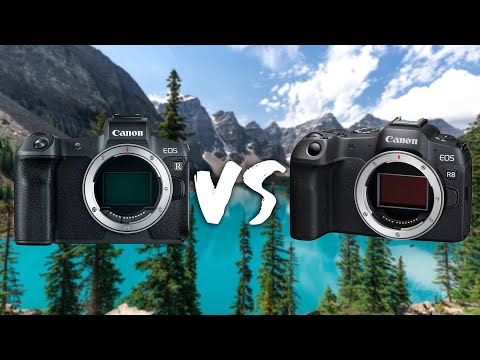
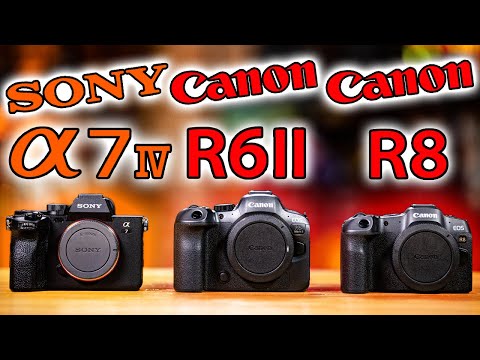
Before purchasing, compare the EOS R8 with the Canon EOS R6 Mark II. The R8 is smaller and lighter, while the R6 Mark II adds in-body image stabilization, dual SD card slots, and a larger battery. If portability and price are more important than those features, the EOS R8 may be the better fit for your needs.
Final Verdict
The Canon EOS R8 brings full-frame image quality, intelligent autofocus, fast electronic shooting, and detailed 4K60 video into a lightweight and relatively accessible camera body. Its 24.2MP sensor offers a strong balance of detail and low-light capability, while its compact design makes it attractive for travel, portraits, everyday photography, and content creation.
Its main compromises are the absence of in-body image stabilization, the single SD card slot, and the smaller LP-E17 battery. These limitations matter for professional event photography, extended shooting sessions, and handheld video, but they may be acceptable for photographers who value portability and image quality over professional redundancy.
For enthusiasts and creators seeking an affordable entry into full-frame mirrorless photography, the Canon EOS R8 offers a compelling combination of performance, versatility, and portability. Those who need dual-card backup, IBIS, or greater endurance should consider stepping up to the Canon EOS R6 Mark II.
Video Reviews


Video Comparisons

Sample Images