Overview
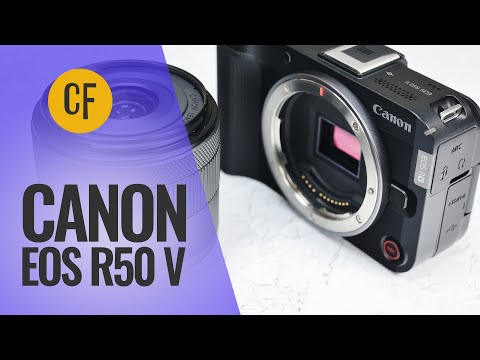
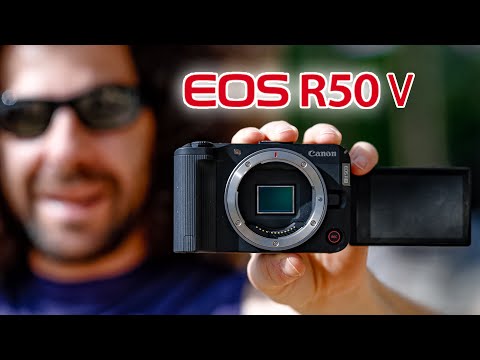
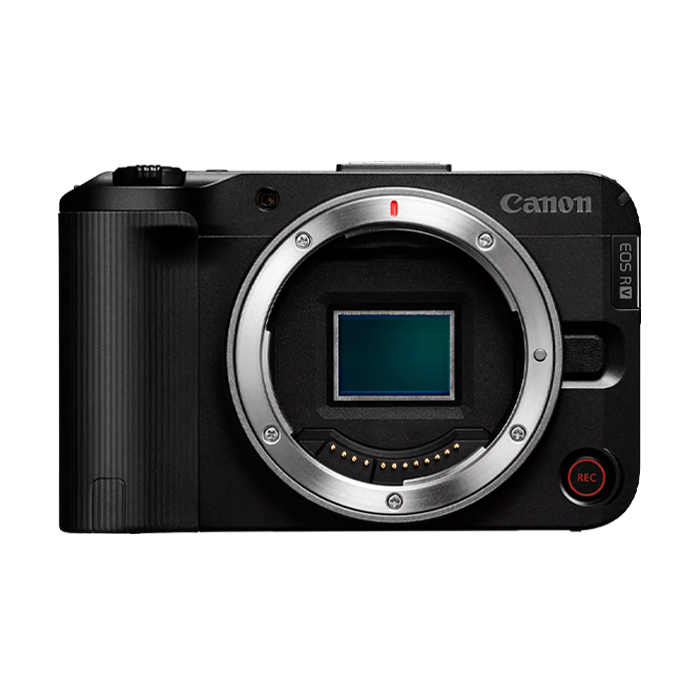
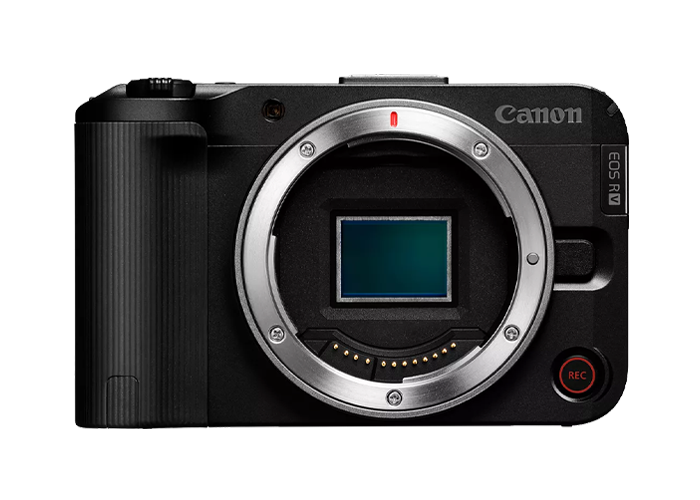
The Canon EOS R50 V is a video-focused APS-C mirrorless camera designed for vloggers, YouTubers, social media creators, and independent filmmakers. Built around a 24.2-megapixel APS-C CMOS sensor and Canon's RF mount, it combines accessible operation with advanced video features, including 10-bit 4:2:2 recording, Canon Log 3, and professional exposure-assistance tools.
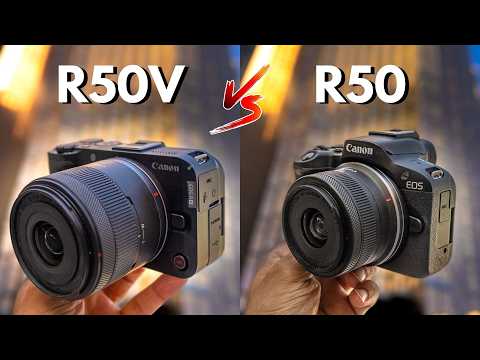
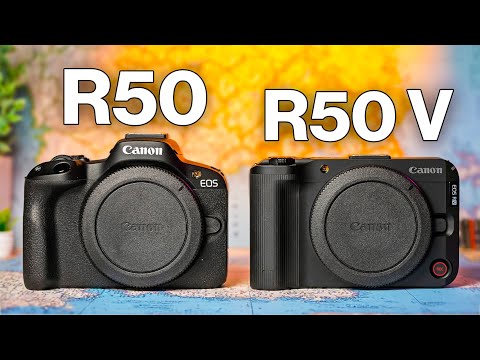
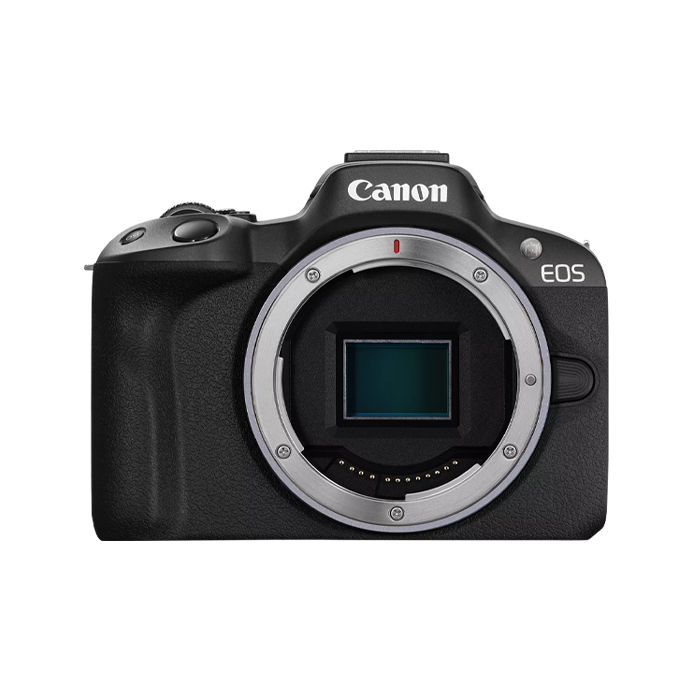
Unlike the standard Canon EOS R50, the R50 V omits the electronic viewfinder and built-in flash in favor of a body design optimized for video production. It includes a fully articulating touchscreen, a front-facing recording indicator, dedicated video controls, and a second tripod socket for convenient vertical mounting. These features make it particularly useful for creators who frequently switch between landscape and portrait video formats.
The camera records detailed 4K video, with 4K at 24p and 30p oversampled from a higher-resolution sensor readout for improved detail. It also supports 4K at 60p with an additional crop, making it suitable for smoother motion and moderate slow-motion effects. However, the absence of in-body image stabilization means handheld filmmakers may need stabilized lenses, electronic stabilization, or a gimbal for smoother footage.
Overall, the Canon EOS R50 V prioritizes video production over traditional photography convenience, offering a compact and relatively affordable option for creators who want more advanced recording and color-grading capabilities.
Key Specifications and Features
24.2MP APS-C CMOS Sensor
The EOS R50 V features a 24.2-megapixel APS-C sensor that captures detailed still images and video. Its sensor size provides a balance between image quality, low-light performance, and a compact camera system. The RF mount also gives users access to Canon RF and compatible RF-S lenses, allowing the system to grow alongside their creative needs.
Advanced 4K Video Recording
The camera supports 4K recording at up to 60 frames per second. Its 4K 24p and 30p modes use oversampling from a higher-resolution sensor readout to produce detailed footage. The 4K 60p mode introduces a crop, which narrows the field of view but can be useful for capturing smoother motion or creating slow-motion sequences when editing on a lower frame-rate timeline.
10-Bit 4:2:2 Recording and Canon Log 3
For creators who want greater control over their footage, the EOS R50 V supports 10-bit 4:2:2 recording in compatible video modes and offers Canon Log 3 and HDR recording options. These capabilities provide more flexibility for color correction, grading, and matching footage from other Canon cameras. The final image quality and available recording options depend on the selected video settings and recording format.
Dual Pixel CMOS AF II
Canon's Dual Pixel CMOS AF II system provides subject detection and tracking for people, animals, and vehicles. This helps the camera maintain focus while subjects move through the frame. The Register People Priority feature can give a registered person priority in supported shooting situations, which is particularly helpful for presenters recording themselves or filming in busy environments.
Creator-Focused Physical Controls
The R50 V includes a front recording indicator, conveniently placed recording controls, and a power zoom control for compatible powered zoom lenses. These features simplify solo recording by making it easier to confirm recording status and control video capture without reaching for every setting on the touchscreen.
Vertical Video Support
A second tripod socket on the side of the camera supports vertical mounting without requiring a separate L-bracket or cage in many setups. This is especially useful for TikTok, Instagram Reels, YouTube Shorts, and other portrait-oriented content. Creators can switch between vertical and horizontal recording setups more conveniently.
Audio Monitoring and Connectivity
The camera provides a microphone input and a 3.5mm headphone output, allowing creators to connect an external microphone and monitor recorded audio while filming. USB-C connectivity supports data transfer and compatible power or accessory workflows. These connections make the R50 V more adaptable for interviews, product demonstrations, and location-based content production.
Compact Design Without an Electronic Viewfinder
To prioritize video operation, the EOS R50 V does not include an electronic viewfinder or built-in flash. Composition relies on its fully articulating LCD touchscreen, which is convenient for filming yourself and checking framing from different angles. However, the screen can be difficult to see in strong sunlight, and photographers who prefer composing through a viewfinder may find this design limiting.
Stabilization and Battery Considerations
The camera does not include in-body image stabilization (IBIS). Users should consider RF or RF-S lenses with optical image stabilization when available, or use electronic stabilization with the understanding that it may crop the image. Battery life also varies with recording resolution, frame rate, screen use, connectivity, and ambient temperature, so carrying spare batteries is advisable for extended recording sessions.
Key Specifications
Specification | Canon EOS R50 V |
|---|---|
Camera Type | Video-focused mirrorless camera |
Sensor | 24.2MP APS-C CMOS |
Lens Mount | Canon RF mount |
Image Processor | Canon DIGIC X |
Autofocus | Dual Pixel CMOS AF II with subject detection and tracking |
Supported Subjects | People, animals, and vehicles, depending on shooting mode |
Maximum Video Resolution | 4K UHD |
4K Frame Rates | Up to 60p, with a crop at 60p |
Oversampled 4K | Available at selected lower frame rates, including 24p and 30p |
Video Color Options | 10-bit 4:2:2 recording in supported modes, Canon Log 3, and HDR options |
Exposure Assistance | Zebra display and false-color tools |
Display | Fully articulating LCD touchscreen, approximately 3 inches |
Electronic Viewfinder | Not included |
Built-in Flash | Not included |
Image Stabilization | No in-body image stabilization; compatible lenses may provide optical stabilization |
Audio Connections | Microphone input and 3.5mm headphone output |
Storage | Single SD card slot supporting UHS-II cards |
USB Connection | USB-C |
Battery | Canon LP-E17 |
Tripod Mounting | Standard bottom socket plus a side socket for vertical mounting |
Best For | Vlogging, YouTube videos, social media content, interviews, and independent filmmaking |
Pros and Cons
Pros | Cons |
|---|---|
Advanced video features, including 10-bit 4:2:2 recording and Canon Log 3 in supported modes. | No electronic viewfinder, which may inconvenience traditional photographers and outdoor users. |
Detailed oversampled 4K video at selected frame rates. | 4K 60p uses a crop, reducing the field of view. |
Dual Pixel CMOS AF II with subject tracking for people, animals, and vehicles. | No in-body image stabilization. |
Fully articulating touchscreen makes self-recording and unusual camera angles easier. | The LCD can be difficult to see under intense direct sunlight. |
Front recording indicator and dedicated video controls support solo creators. | No built-in flash for occasional still photography. |
Side tripod socket simplifies vertical video setups. | Electronic stabilization may introduce an additional crop. |
Microphone input and headphone output enable external audio recording and monitoring. | Battery life can be limiting during long recording sessions, so spare batteries may be necessary. |
UHS-II SD card support offers faster compatible card performance. | Photography-focused controls and the lack of an EVF make it less suitable as an all-purpose hybrid camera for some users. |
Who Should Buy This Lens?
Although this section is titled “Who Should Buy This Lens?”, the Canon EOS R50 V is a camera body rather than a lens. It is best suited to creators who prioritize video recording and want a compact camera with more advanced production tools than a typical entry-level photography-oriented model.
Solo Vloggers and Social Media Creators
The fully articulating screen, front recording indicator, subject-tracking autofocus, and vertical mounting option make the R50 V a practical choice for people who regularly film themselves. It works well for YouTube videos, travel diaries, product demonstrations, TikTok clips, Instagram Reels, and YouTube Shorts.
Beginning and Budget-Conscious Filmmakers
Creators who want to learn color grading can benefit from Canon Log 3 and 10-bit 4:2:2 recording in supported modes. The inclusion of false color and zebra displays also helps with exposure assessment before recording. These tools are valuable for filmmakers who want greater control over the finished image without immediately investing in a larger cinema camera.
Reviewers, Educators, and Product Demonstrators
Autofocus that can recognize and track subjects, along with the ability to connect an external microphone and monitor audio through headphones, makes the camera useful for tutorials, equipment reviews, online lessons, and talking-head videos. Its compact size is also convenient for a small desk or home studio.
Creators Who Record on Location
The headphone output helps users monitor sound while recording interviews or outdoor content. However, wind protection, microphone placement, and ambient noise still matter. For moving shots, a stabilized lens, electronic stabilization, tripod, or gimbal may be needed to obtain smooth results.
Who Should Consider Another Camera?
Traditional photographers and hybrid shooters who frequently compose through an electronic viewfinder may prefer the Canon EOS R50 or EOS R10. The R50 V's lack of a viewfinder and built-in flash makes it less convenient for some still-photography situations.
Likewise, filmmakers who frequently walk while recording handheld should account for the absence of IBIS. A stabilized lens or gimbal can help, but electronic stabilization may crop the image. Anyone who needs long uninterrupted recording sessions should also plan for battery management, power options, and the camera's operating limits.
Buying Recommendation
The Canon EOS R50 V is worth considering if video is your primary goal and you want features that support a more deliberate production workflow. Its combination of oversampled 4K at selected frame rates, Canon Log 3, 10-bit 4:2:2 recording in supported modes, exposure-assistance tools, and headphone monitoring gives creators useful options for producing and editing higher-quality content.
Before purchasing, consider these factors:
Choose the R50 V for video-first work: It is designed around recording controls, creator-friendly handling, and vertical video production.
Consider the standard EOS R50 for photography: Its electronic viewfinder and built-in flash can be more useful for everyday still photography.
Budget for accessories: A suitable lens, external microphone, spare batteries, and a tripod can make a significant difference to the recording experience. A gimbal may be useful for frequent handheld movement.
Check your lens requirements: The RF mount offers access to Canon RF and RF-S lenses, but the lens's field of view, stabilization, autofocus performance, and zoom capability should match your intended work.
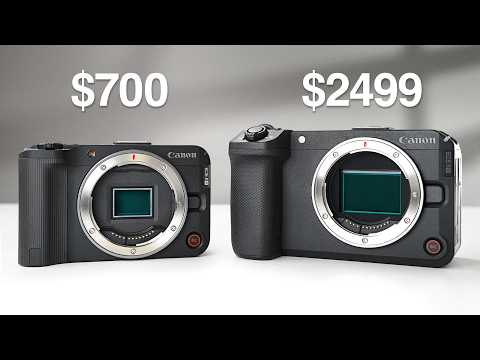
Compare current prices: Body-only and kit prices vary by retailer and promotion. Compare the complete setup you need rather than judging the camera by its body price alone.
For creators who mainly film stationary presentations, tutorials, interviews, and carefully composed videos, the R50 V's feature set may be more valuable than a traditional viewfinder. For photographers who frequently switch between stills and video, the standard R50 or another hybrid-oriented camera may offer a more balanced experience.
Final Verdict
The Canon EOS R50 V is a compact, video-first mirrorless camera aimed at vloggers, YouTubers, social media creators, and aspiring filmmakers. Its 24.2MP APS-C sensor, capable autofocus, detailed 4K recording, Canon Log 3, supported 10-bit 4:2:2 options, and creator-focused controls provide a useful foundation for video production and post-processing.
Its main compromises are equally clear: there is no electronic viewfinder, built-in flash, or in-body image stabilization. Battery management and visibility of the LCD in bright sunlight also deserve consideration. These limitations are less important for creators who primarily record from a tripod or controlled setup, but they can matter for photography-heavy use and handheld filming.
Final recommendation: Choose the Canon EOS R50 V if you want a compact camera built primarily for video and value its recording tools, audio monitoring, autofocus, and vertical-content features. If you need a camera that balances photography and video more evenly, compare it with the standard Canon EOS R50 or EOS R10 before making your decision.