Overview
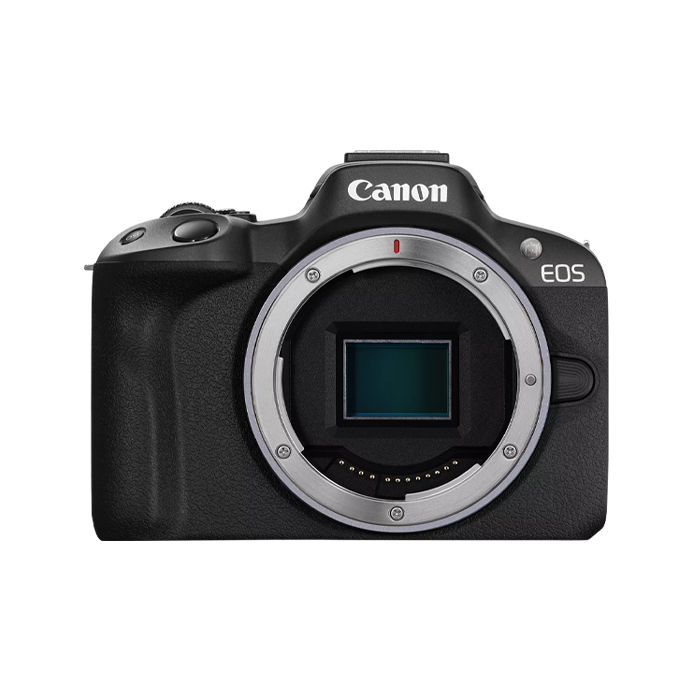
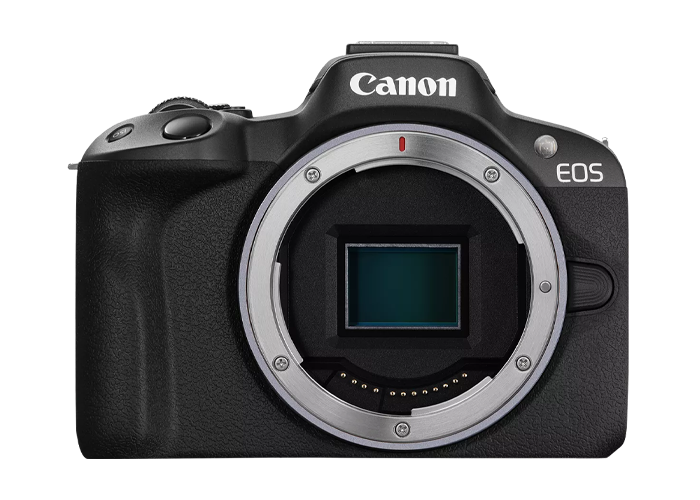
The Canon EOS R50 is an entry-level APS-C mirrorless camera designed for smartphone users, beginner photographers, vloggers, and travel enthusiasts who want higher image quality without the complexity or bulk of a professional camera. As a compact member of Canon's EOS R system, it combines a 24.2MP sensor, the DIGIC X image processor, and advanced subject-tracking autofocus in a lightweight body.
One of the EOS R50's biggest strengths is its Dual Pixel CMOS AF II system, which can recognize and track people, animals, birds, and vehicles. It also records oversampled 4K video at up to 30p and Full HD video at up to 120p, making it suitable for everyday photography, social media content, and slow-motion clips.
The camera features a fully articulating touchscreen, a beginner-friendly guided interface, and USB webcam functionality. However, its simplified physical controls, lack of in-body image stabilization (IBIS), and limited RAW burst buffer make it less suitable for photographers who frequently shoot fast action or require extensive manual control.
Key Specifications and Features
24.2MP APS-C CMOS Sensor and DIGIC X Processor
The EOS R50 features a 24.2MP APS-C CMOS sensor paired with Canon's DIGIC X image processor. This combination delivers detailed photographs, pleasing color reproduction, and flexibility for cropping and editing. Its larger sensor compared with most smartphones also makes it easier to achieve a shallow depth of field when using suitable lenses.
Dual Pixel CMOS AF II with Subject Tracking
The camera uses Dual Pixel CMOS AF II with deep-learning subject recognition. It can detect and track people, animals, birds, and vehicles, helping keep moving subjects in focus across much of the frame. This makes the EOS R50 useful for family photography, pets, casual wildlife photography, and everyday action.
Oversampled 4K Video and Full HD Slow Motion
The EOS R50 records 4K video at up to 30p using oversampling from approximately 6K sensor data, providing detailed footage. It also supports Full HD recording at up to 120p for slow-motion effects. These capabilities make it a practical option for vlogging, product demonstrations, travel videos, and social media content.
Compact and Lightweight Design
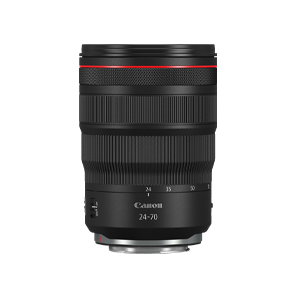
Weighing approximately 375g (including battery and memory card), the EOS R50 is easy to carry throughout the day. When paired with a compact lens, such as the RF-S 18-45mm F4.5-6.3 IS STM, it makes a convenient travel and everyday photography kit.
Fully Articulating Touchscreen and Vlogging Features
The side-hinged, fully articulating touchscreen makes it easy to frame shots from different angles, including when recording yourself. The camera also includes a Close-up Demo Mode that helps shift focus between the presenter and objects held close to the lens, a useful feature for product reviews, unboxing videos, and tutorials.
USB Webcam and Smartphone Connectivity
With compatible USB connections and UVC/UAC support, the EOS R50 can function as a webcam without requiring dedicated webcam software. Canon Camera Connect also provides a convenient way to connect the camera to a compatible smartphone for transferring images and sharing content online.
Electronic Shutter and Continuous Shooting
The EOS R50 supports continuous shooting at up to 15 frames per second with its electronic first-curtain shutter and up to 15 frames per second with the electronic shutter under applicable conditions. However, sustained RAW shooting is limited by buffer capacity, card performance, and shooting settings. Photographers who regularly capture long bursts of fast-moving subjects should consider a camera with a larger buffer.
No In-Body Image Stabilization
The EOS R50 does not have sensor-shift in-body image stabilization. For handheld photography and video, lenses with optical image stabilization can help reduce camera shake. Walking shots and moving video may still require a gimbal, additional stabilization, or careful shooting technique.
Key Specifications
Camera Type | APS-C mirrorless camera |
Sensor Resolution | 24.2MP APS-C CMOS |
Image Processor | Canon DIGIC X |
Lens Mount | Canon RF mount |
Autofocus System | Dual Pixel CMOS AF II |
Subject Detection | People, animals, birds, and vehicles |
Maximum Continuous Shooting | Up to 15 fps, depending on shutter mode and settings |
Maximum Video Resolution | 4K UHD up to 30p |
Slow-Motion Video | Full HD up to 120p |
Image Stabilization | No in-body image stabilization; compatible lenses may provide optical IS |
LCD Screen | Fully articulating touchscreen |
Webcam Support | USB UVC/UAC support |
Weight | Approximately 375g, including battery and memory card |
Best For | Beginners, travel, family photography, vlogging, and everyday content creation |
Pros and Cons
Pros | Cons |
|---|---|
24.2MP APS-C sensor delivers detailed images and good creative flexibility. | No in-body image stabilization for handheld shooting. |
Advanced autofocus tracks people, animals, birds, and vehicles. | Limited physical controls may frustrate photographers who frequently change manual settings. |
Oversampled 4K video up to 30p and Full HD video up to 120p. | Limited buffer capacity can restrict sustained RAW burst shooting. |
Compact, lightweight body is convenient for travel and everyday use. | Handheld walking video may require a stabilized lens or gimbal. |
Fully articulating touchscreen is useful for vlogging and creative angles. | Small body and simplified controls may be less comfortable for extended manual operation. |
Close-up Demo Mode is useful for product reviews and demonstrations. | Advanced users may prefer a camera with more direct controls and expanded customization. |
USB webcam support simplifies compatible streaming and video-call setups. | It is less suited to demanding action photography requiring long, uninterrupted bursts. |
Who Should Buy This Lens?
Although this section is titled “Who Should Buy This Lens?”, the Canon EOS R50 is a camera body. It is best suited to photographers and content creators who want a lightweight, easy-to-use mirrorless camera with capable autofocus and modern video features.
1. Smartphone Users and Beginner Photographers
The EOS R50 is a practical step up from smartphone photography for people who want more control over image quality, interchangeable lenses, and background blur.
Beginner-friendly operation: Guided menus and automatic shooting modes help new photographers learn camera settings.
Improved creative flexibility: The APS-C sensor and interchangeable RF lenses offer more options for portraits, landscapes, and everyday photography.
Easy sharing: Smartphone connectivity helps users transfer images and share them through compatible apps.
2. Vloggers, Product Reviewers, and Streamers
The articulating screen, detailed 4K video, and Close-up Demo Mode make the EOS R50 appealing to creators who film themselves or demonstrate products.
Self-recording: The flip-out screen makes it easier to monitor framing while facing the camera.
Product demonstrations: Close-up Demo Mode helps the camera transition focus between the presenter and nearby objects.
Computer connectivity: USB webcam support provides a straightforward option for compatible video calls and streaming setups.
Social media content: Its compact size and flexible video features work well for travel clips, tutorials, and short-form videos.
3. Travel Photographers and Everyday Hobbyists
For people who want to carry a camera without bringing a heavy kit, the EOS R50 offers a useful balance of image quality and portability.
Lightweight setup: The body is easy to carry with a compact lens for sightseeing, vacations, and daily photography.
Reliable subject tracking: Autofocus recognition can help capture family members, pets, and birds in suitable shooting conditions.
Interchangeable lenses: Users can choose lenses for wide-angle landscapes, portraits, or longer-distance subjects as their skills develop.
4. Who Should Consider Another Camera?
Bird and action photographers: The autofocus is capable, but the limited buffer can be a constraint for long RAW bursts. Consider the Canon EOS R10 or EOS R7 if sustained action shooting is a priority.
Photographers who prefer direct manual controls: The simplified control layout may slow down frequent changes to shutter speed, aperture, and ISO.
Handheld video creators: The lack of IBIS means that walking footage can look shaky. A stabilized lens, gimbal, or post-production stabilization may be necessary.
Advanced video users: Those who need more advanced recording options, extensive controls, or a production-focused body should compare higher-tier cameras before buying.
Buying Recommendation
The Canon EOS R50 is worth considering if you want an affordable, lightweight mirrorless camera for everyday photography, travel, family memories, vlogging, and online content creation. Its 24.2MP APS-C sensor, intelligent subject tracking, oversampled 4K video, and articulating touchscreen provide a versatile set of features for beginners and casual creators.
For the most portable setup, pair it with the RF-S 18-45mm F4.5-6.3 IS STM kit lens. The lens's optical image stabilization can help reduce camera shake in stills and video, although it cannot fully replace in-body stabilization or a gimbal for walking footage.
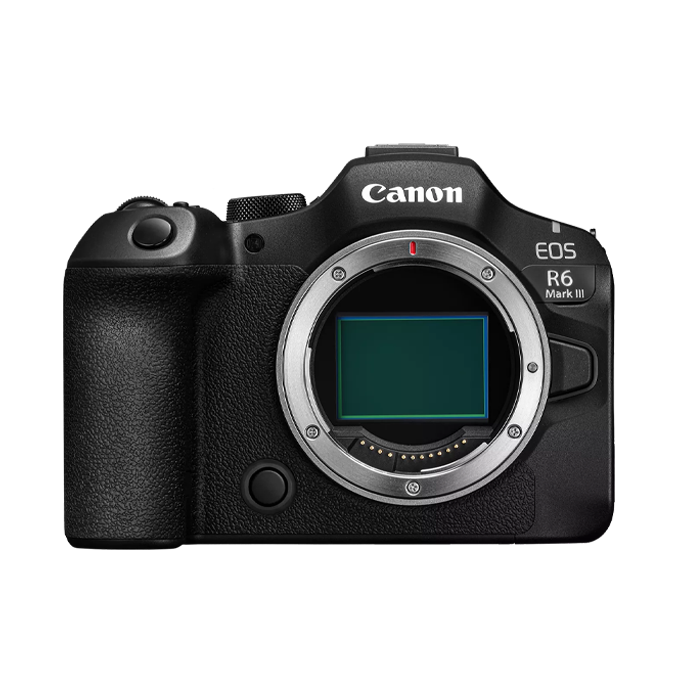
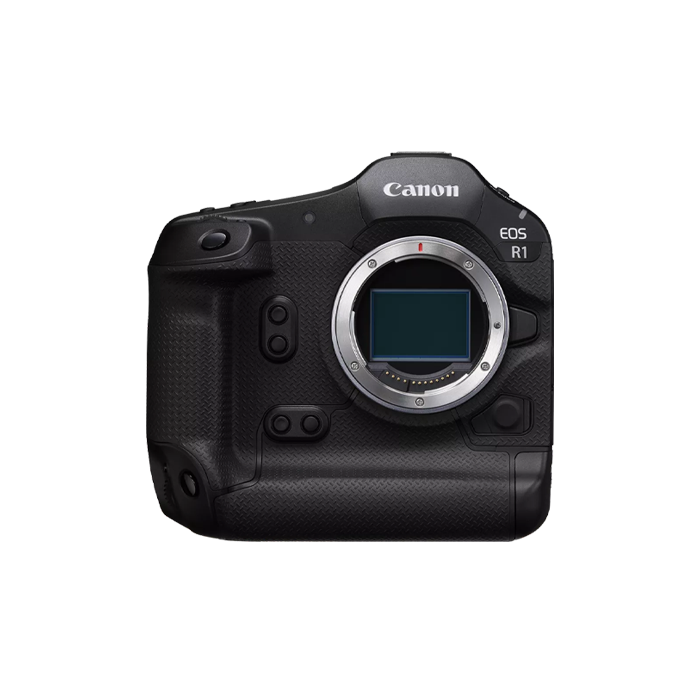
If you frequently photograph birds in flight, sports, or other fast-moving subjects, compare the EOS R50 with the Canon EOS R10 and EOS R7. Their different control layouts and action-shooting capabilities may better suit photographers who need more sustained burst shooting or more advanced operation.
Before purchasing, also consider the cost of additional lenses, memory cards, and accessories. The camera body is only part of the overall system, and lens choice has a significant effect on the results you can achieve.
Final Verdict
The Canon EOS R50 is a compact and approachable mirrorless camera that combines good image quality, capable subject-detection autofocus, detailed 4K video, and beginner-friendly features. Its lightweight design makes it particularly convenient for travel, family photography, and creators who want a camera that is easy to carry and operate.
Its main compromises are the lack of in-body image stabilization, simplified physical controls, and limited capacity for sustained RAW bursts. These limitations matter more to advanced photographers and action shooters than to beginners or casual users.
For smartphone upgraders, travel enthusiasts, vloggers, and everyday hobbyists, the EOS R50 offers a compelling combination of portability and capability. Photographers who prioritize extensive manual control or demanding action performance should compare it with higher-tier models in Canon's EOS R lineup before making a final decision.
Video Reviews

Video Comparisons

Sample Images