Overview
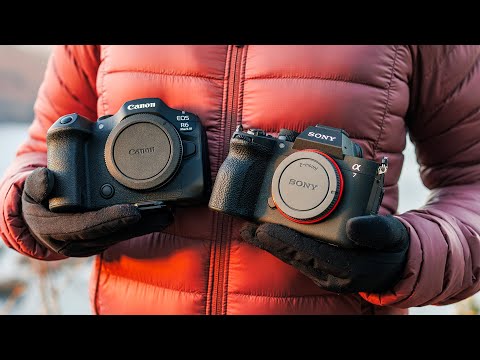
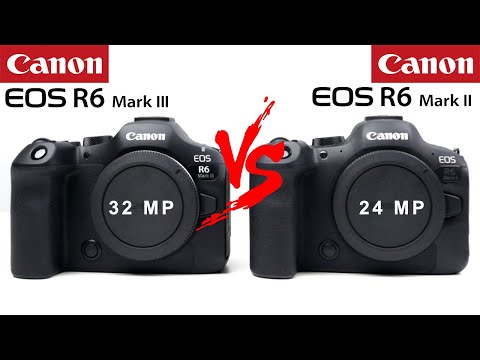
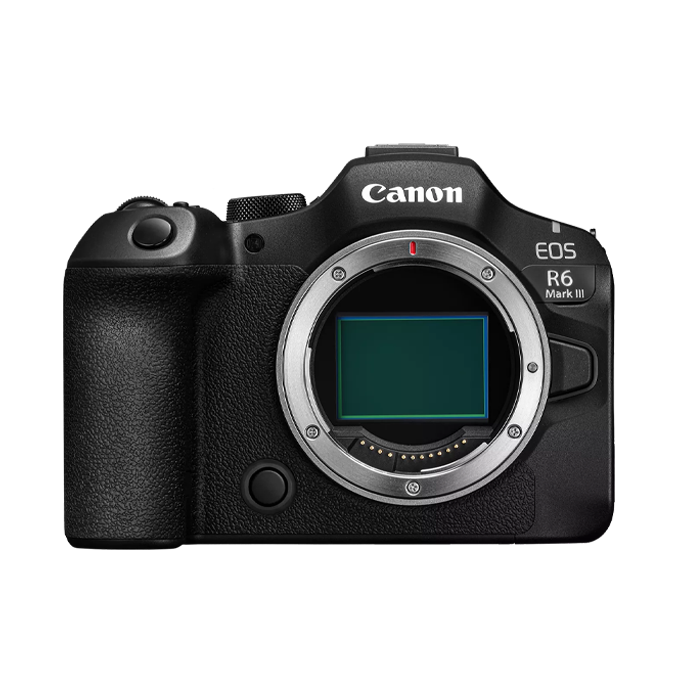
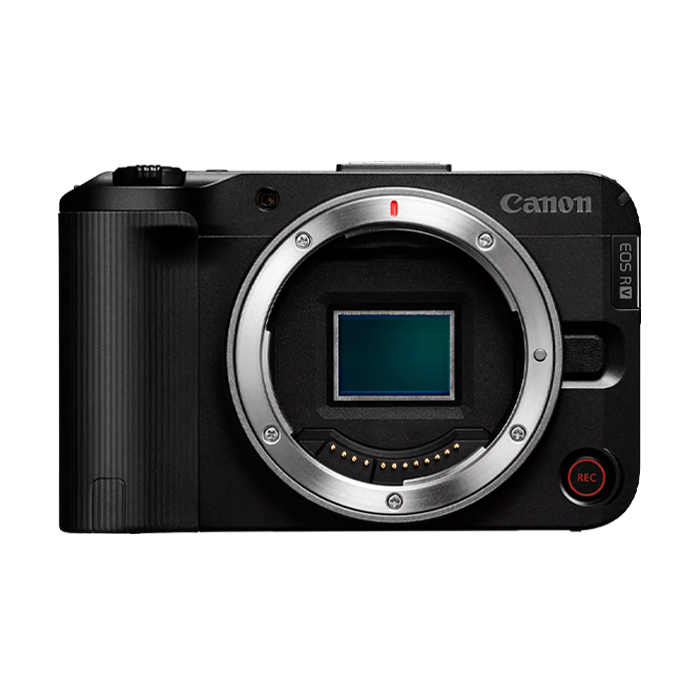
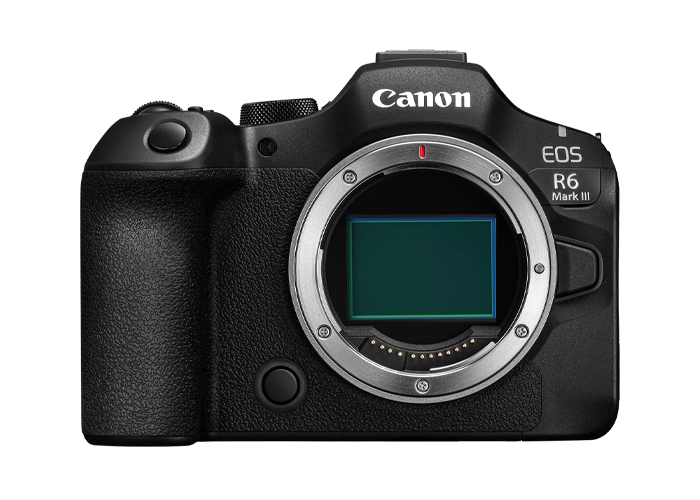
The Canon EOS R6 Mark III is a full-frame hybrid mirrorless camera designed for photographers and videographers who need high-speed performance, advanced autofocus, and professional video capabilities in one body. Featuring a 32.5-megapixel sensor, fast continuous shooting, and enhanced in-body image stabilization, it is designed to handle demanding photography and video production workflows.
For action and wildlife photographers, the camera offers high-speed electronic shooting and pre-continuous shooting to help capture fleeting moments. For filmmakers, its advanced video recording options, Canon Log 2 support, and flexible recording formats provide greater control over image quality and post-production.
With a combination of still-image performance, professional video features, and a versatile full-frame sensor, the EOS R6 Mark III is intended for creators who want a capable all-around camera without moving to a dedicated cinema camera.
Key Specifications and Features
32.5MP Full-Frame Sensor
The 32.5-megapixel full-frame CMOS sensor provides detailed images suitable for wildlife photography, portraits, events, and commercial work. The resolution also offers flexibility for cropping while maintaining useful image detail.
High-Speed Continuous Shooting
With electronic shutter shooting at up to 40 frames per second and mechanical shutter shooting at up to 12 frames per second, the camera is designed for sports, wildlife, and other fast-moving subjects. Pre-continuous shooting can help record moments immediately before the shutter is fully pressed.
Advanced In-Body Image Stabilization
The in-body image stabilization system offers up to 8.5 stops of shake correction under compatible conditions. This can help photographers capture sharper handheld images at slower shutter speeds and produce steadier footage when shooting without a tripod.
Intelligent Autofocus and Subject Tracking
Canon's Dual Pixel CMOS autofocus technology provides subject detection and tracking for a range of shooting situations. Register People Priority can help photographers prioritize a previously registered person when working in crowded environments, such as sports events and weddings.
Flexible Memory Card Options
The combination of a CFexpress Type B card slot and a UHS-II SD card slot supports demanding shooting workflows. CFexpress provides high-speed data handling for compatible recording modes and image bursts, while the SD slot offers compatibility with widely available memory cards.
Advanced Video Recording
The camera's video capabilities include high-resolution recording options, slow-motion recording, and Canon Log support. Canon Log 2 is designed to preserve substantial tonal information for color grading, while supported high-frame-rate modes allow creators to produce slow-motion footage.
High-Quality Oversampled 4K
Oversampling from higher-resolution source footage can produce detailed 4K video with reduced aliasing and a cleaner image. This is useful for commercial productions, interviews, product videos, and content intended for online platforms.
Professional Design and Connectivity
The camera combines Canon's familiar ergonomic grip with a high-resolution electronic viewfinder, a full-size HDMI connection, and a weather-resistant body design. These features support extended shooting sessions and external monitoring in suitable production environments.
Battery Compatibility
The camera is designed around Canon's LP-E6P battery. Photographers upgrading from an older Canon body should verify battery compatibility and the restrictions that may apply to older battery versions when using demanding recording modes.
Key Specifications
Specification | Canon EOS R6 Mark III |
|---|---|
Camera Type | Full-frame mirrorless hybrid camera |
Sensor Resolution | 32.5 megapixels |
Image Processor | DIGIC X |
Electronic Shutter Burst | Up to 40 fps |
Mechanical Shutter Burst | Up to 12 fps |
Pre-Continuous Shooting | Up to 20 frames, depending on mode and settings |
In-Body Image Stabilization | Up to 8.5 stops, under specified conditions |
Autofocus | Dual Pixel CMOS AF II with subject tracking |
Memory Card Slots | One CFexpress Type B and one UHS-II SD |
High-Resolution Video | Up to 7K RAW Light, subject to supported recording modes |
Open Gate Recording | Up to 7K at 30p, as specified |
4K High-Frame-Rate Video | Up to 120p in supported modes |
Color Profiles | Canon Log 2 and supported in-camera LUT functions |
Viewfinder | 3.69-million-dot electronic viewfinder |
HDMI Output | Full-size HDMI connection |
Battery | LP-E6P |
Note: Maximum burst rates, video resolutions, recording formats, stabilization ratings, and battery compatibility depend on camera settings and operating conditions. Verify the final specifications in Canon's official documentation before purchasing.
Pros and Cons
Pros | Cons |
|---|---|
32.5MP full-frame sensor balances image detail and high-speed shooting. | Higher resolution increases storage requirements compared with lower-resolution cameras. |
Up to 40 fps electronic shooting is useful for wildlife and sports. | Fast bursts generate large files and require suitable memory cards and storage. |
Pre-continuous shooting helps capture unpredictable action. | Electronic shutter performance can be affected by rolling shutter with fast-moving subjects. |
Advanced subject detection and tracking support demanding autofocus tasks. | Autofocus results still depend on subject conditions, lens performance, and configuration. |
In-body stabilization supports handheld photography and video. | Stabilization cannot freeze subject movement or replace a tripod in every situation. |
High-resolution video, Log recording, and high-frame-rate options offer production flexibility. | High-quality video modes can consume substantial card space and require powerful editing hardware. |
CFexpress Type B and UHS-II SD slots provide flexible media options. | CFexpress cards and compatible readers add to the overall cost. |
Full-size HDMI supports convenient external monitoring. | A full-size HDMI connector does not by itself guarantee every external recording format or feature. |
A versatile body can serve both photography and video production. | Existing Canon users should evaluate the cost of upgrading lenses, batteries, cards, and accessories where needed. |
Who Should Buy This Camera?
Wildlife Photographers
Wildlife photographers who capture birds in flight, animal behavior, or unpredictable action can benefit from the fast burst rates, subject tracking, and pre-continuous shooting. The 32.5MP sensor also provides some flexibility for cropping distant subjects.
However, photographers who regularly use super-telephoto lenses should consider the complete system, including lens autofocus performance, tracking reliability, image quality at high ISO settings, and the practical value of the camera's resolution for their subjects.
Sports and Action Photographers
The high electronic shutter frame rate and advanced subject tracking make this camera worth considering for sports, motorsports, and other fast-paced photography. The mechanical shutter option also provides an alternative when electronic shutter artifacts may be a concern.
Wedding and Event Photographers
Event professionals can benefit from the full-frame sensor, stabilization, autofocus features, and dual-card-slot configuration. The two card formats can support different recording workflows, although photographers who require simultaneous backup should verify which recording and backup configurations are supported.
Videographers and Independent Filmmakers
Creators who need high-resolution recording, slow motion, Log profiles, and flexible framing options may find the camera useful for commercial projects, interviews, documentaries, and online video production. Its hybrid design can reduce the need to carry a separate stills camera for many assignments.
Canon DSLR and Mirrorless Upgraders
Owners of older Canon DSLR or mirrorless cameras may appreciate the newer autofocus technology, faster shooting, and expanded video capabilities. Whether upgrading is worthwhile depends on the existing camera, the lenses already owned, and how often the new features would be used.
Existing EOS R6 Mark II Owners
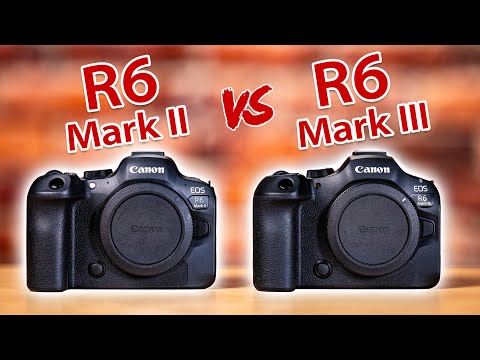
For EOS R6 Mark II owners, the decision should focus on whether the additional resolution, recording options, card format, and workflow improvements address a real limitation. If most work consists of standard-resolution still photography, portraits, or conventional 4K video, the current camera may remain sufficient.
Buying Recommendation
The Canon EOS R6 Mark III is worth considering if you need a camera that combines high-speed still photography with advanced video production. Its strongest potential advantages are its 32.5MP resolution, fast electronic burst shooting, autofocus capabilities, and flexible video options.
For wildlife photography: Prioritize autofocus tracking, burst performance, rolling-shutter behavior, high-ISO image quality, and compatibility with your existing telephoto lenses. The pre-continuous shooting function may be particularly useful for unpredictable animal behavior.
For professional video: Confirm the exact recording formats, frame rates, crop behavior, recording limits, and media requirements for the modes you plan to use. High-resolution RAW and high-frame-rate recording can require expensive cards and significant editing storage.
For general photography: Compare the camera's resolution and handling with your current body. If you do not regularly need its fastest burst modes or advanced video functions, a less expensive model may provide better value for your particular workflow.
Before purchasing: Check Canon's official specifications, current pricing, firmware information, lens compatibility, and warranty terms. Budget for suitable CFexpress media if your intended recording modes require it.
Final Verdict
The Canon EOS R6 Mark III is designed for photographers and creators who want a versatile full-frame camera capable of handling demanding action photography and sophisticated video production. Its combination of 32.5MP resolution, high-speed shooting, subject tracking, in-body stabilization, and professional video features makes it a compelling option for hybrid workflows.
For wildlife and sports photographers, the high burst rate and pre-continuous shooting could help capture fleeting moments. For filmmakers, high-resolution recording and Log-based color grading offer additional creative flexibility. Event professionals can also benefit from its combination of still-image and video capabilities.
Nevertheless, the camera's advanced features come with practical considerations, including media costs, storage requirements, and the need to verify mode-specific limitations. Existing EOS R6 Mark II owners should evaluate whether the improvements meaningfully benefit their work before upgrading.
Overall, the Canon EOS R6 Mark III is best suited to photographers and videographers who will actively use its speed, resolution, and advanced video features. The best buying decision depends on your subject matter, current equipment, and production requirements.