Overview
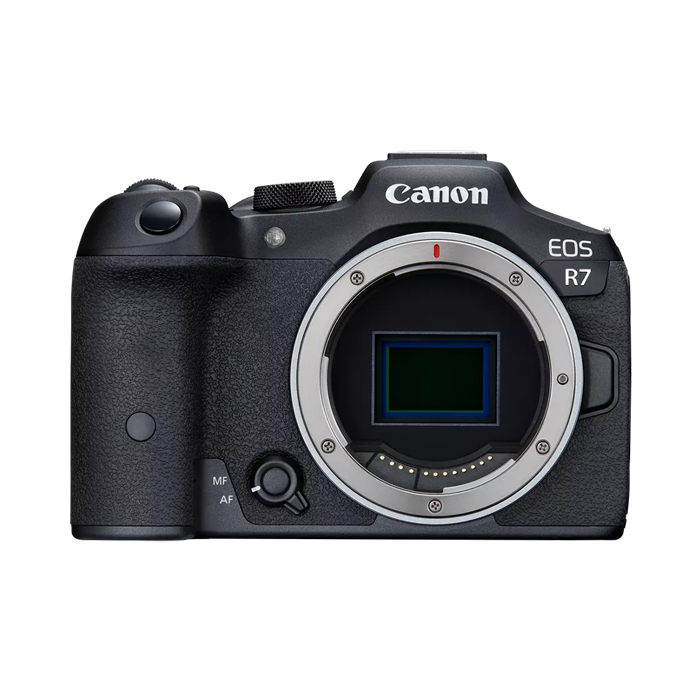
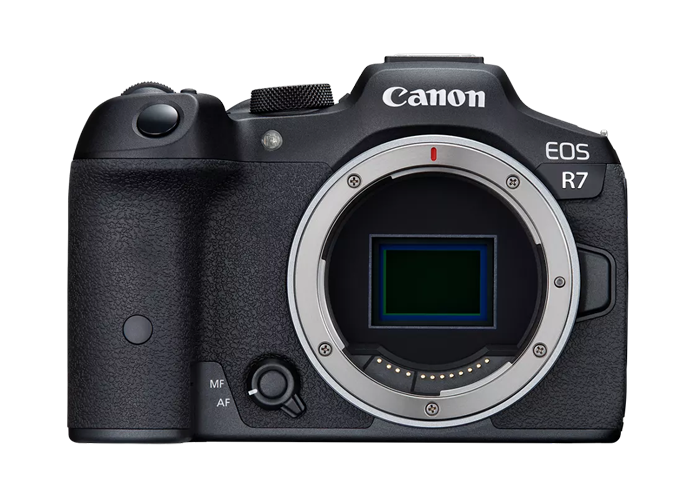
The Canon EOS R7 is a high-performance APS-C mirrorless camera designed for wildlife, bird photography, sports, and fast-paced action. As the spiritual successor to Canon's renowned EOS 7D-series DSLRs, it combines a high-resolution 32.5MP sensor, rapid continuous shooting, advanced subject detection, and in-body image stabilization in a compact, weather-sealed body.
Powered by the DIGIC X image processor, the EOS R7 delivers continuous shooting speeds of up to 15 frames per second (fps) with the mechanical shutter and up to 30 fps with the electronic shutter. Its deep-learning autofocus system can recognize and track people, animals, birds, and vehicles, helping photographers maintain focus on subjects moving unpredictably.
One of the camera's biggest advantages for wildlife photography is its 1.6x crop factor. A 300mm lens provides the same angle of view as a 480mm lens on a full-frame camera, making it easier to photograph distant birds and other small subjects without carrying extremely large and expensive super-telephoto lenses. The 32.5MP resolution also provides flexibility for cropping images while retaining substantial detail.
The EOS R7 is also capable of recording uncropped 4K video at up to 60p and oversampled 4K Fine video at up to 30p. With dual UHS-II SD card slots, weather sealing, and a high-capacity LP-E6NH battery, it is a versatile camera for photographers who need speed, reach, and dependable performance in the field.
Key Specifications and Features
32.5MP APS-C CMOS Sensor
The EOS R7 features a 32.5MP APS-C CMOS sensor that captures detailed images with plenty of resolution for cropping, large prints, and wildlife photography. Its high pixel count is particularly useful when photographing distant birds or animals that occupy only a small portion of the frame.
High-Speed Continuous Shooting
The camera shoots at up to 15 fps using the mechanical shutter and up to 30 fps using the electronic shutter. These speeds make it suitable for birds in flight, fast-moving wildlife, sports, and other situations where timing is critical. RAW Burst Mode also offers a pre-shooting function that can capture images from approximately half a second before the shutter is fully pressed, helping photographers record moments they might otherwise miss.
Advanced Autofocus and Subject Tracking
The EOS R7 uses Canon's Dual Pixel CMOS AF II system with deep-learning subject recognition. It can detect and track people, animals, birds, and vehicles, helping maintain focus as subjects move across the frame. Bird detection is particularly useful for wildlife photographers photographing birds in flight or moving through branches and vegetation, although performance still depends on lighting, subject visibility, and autofocus settings.
In-Body Image Stabilization
The built-in five-axis In-Body Image Stabilizer (IBIS) helps reduce camera shake when shooting handheld. Canon rates the coordinated stabilization system at up to approximately seven to eight stops under certain conditions when the camera is paired with compatible stabilized lenses. Actual results vary depending on the lens, focal length, shooting technique, and subject movement. Stabilization helps with camera shake but cannot freeze a moving bird or athlete.
1.6x Crop Factor for Wildlife Photography
The APS-C sensor provides a 1.6x crop factor compared with full-frame cameras. For example, a 300mm lens gives an angle of view equivalent to a 480mm lens on a full-frame camera. This makes the EOS R7 especially attractive for bird photography because it helps fill the frame with distant subjects without requiring the same focal length that a full-frame setup might need.
Dual UHS-II SD Card Slots
The EOS R7 includes two UHS-II SD card slots, allowing photographers to record files to both cards simultaneously for backup, separate file types across cards, or organize their workflow. Dual-card recording is particularly useful for important wildlife encounters, sports events, and professional assignments where losing images would be costly.
Weather-Sealed, Portable Body
The camera features a compact body with weather sealing designed to help protect against dust and moisture when used with appropriate care. Its relatively light weight makes it practical for hiking, outdoor adventures, and extended wildlife photography sessions. Weather sealing does not make the camera waterproof, so protection is still necessary in heavy rain or extreme conditions.
4K Video Recording
The EOS R7 records uncropped 4K video at up to 60p and offers 4K Fine recording at up to 30p, oversampled from approximately 7K of sensor data for detailed footage. Canon Log 3 and 10-bit recording options provide additional flexibility for color grading in compatible recording modes, making the camera useful for hybrid creators who photograph wildlife and produce video content.
Key Specifications
Specification | Canon EOS R7 |
|---|---|
Camera Type | APS-C mirrorless camera |
Sensor Resolution | 32.5MP CMOS |
Image Processor | DIGIC X |
Lens Mount | Canon RF mount |
Crop Factor | 1.6x |
Mechanical Shutter | Up to 15 fps |
Electronic Shutter | Up to 30 fps |
Pre-Shooting | RAW Burst Mode with approximately 0.5-second pre-shooting |
Autofocus | Dual Pixel CMOS AF II with subject detection and tracking |
Image Stabilization | Five-axis in-body image stabilization |
Maximum Coordinated Stabilization | Up to approximately 7–8 stops with compatible lenses under specified conditions |
Memory Card Slots | Dual UHS-II SD slots |
Video Recording | Uncropped 4K up to 60p; 4K Fine oversampled from approximately 7K up to 30p |
Log Recording | Canon Log 3 with supported 10-bit recording modes |
Battery | Canon LP-E6NH |
Weather Protection | Weather-sealed body |
Best Uses | Birds, wildlife, sports, action, and outdoor photography |
Pros and Cons
Pros | Cons |
|---|---|
High-resolution 32.5MP APS-C sensor provides detailed images and cropping flexibility. | The APS-C sensor generally has less low-light flexibility than comparable modern full-frame sensors. |
Up to 15 fps mechanical and 30 fps electronic continuous shooting. | Electronic shutter can produce rolling-shutter distortion with fast movement or rapid panning. |
Bird and animal detection help track unpredictable wildlife. | Autofocus performance can decrease when subjects are obscured, very small in the frame, or poorly lit. |
1.6x crop factor provides a useful angle-of-view advantage for distant subjects. | The crop factor makes achieving very wide-angle views more difficult. |
In-body image stabilization supports handheld photography. | IBIS cannot eliminate blur caused by a moving subject. |
Dual UHS-II SD card slots support backup and flexible file management. | It does not offer dual CFexpress slots for workflows that require that card format. |
Uncropped 4K60 and detailed oversampled 4K video support hybrid shooting. | Full-frame cameras can be preferable for extreme low-light work and some wide-angle applications. |
Compact body, weather sealing, and LP-E6NH battery suit outdoor use. | Long telephoto lenses can still make the overall setup heavy, even with a relatively light camera body. |
Who Should Buy This Camera?
1. Bird and Wildlife Photographers
The Canon EOS R7 is particularly well suited to bird and wildlife photography. Its 1.6x crop factor, 32.5MP resolution, and animal and bird subject tracking make it easier to photograph small, distant subjects. Photographers can pair it with lenses such as the Canon RF100-400mm F5.6-8 IS USM or RF600mm F11 IS STM, depending on their budget and shooting conditions.
For birds in flight, the fast burst rates and subject tracking help capture critical moments. The electronic shutter's 30 fps mode is useful when maximum frame rate matters, while the mechanical shutter can be a better choice in situations where rolling-shutter distortion or artificial-light banding is a concern.
2. Sports and Action Photographers
Photographers covering outdoor sports, motorsports, and fast-moving action can benefit from the EOS R7's rapid shooting speeds and tracking autofocus. RAW Burst pre-shooting can help capture a decisive moment when reaction time is limited, while dual SD card slots provide useful backup options for important assignments.
3. Outdoor and Adventure Photographers
Hikers, nature enthusiasts, and outdoor photographers may appreciate the camera's relatively compact body, image stabilization, and weather sealing. When paired with appropriately sized lenses, the EOS R7 offers a practical setup for carrying into forests, wetlands, mountains, and other outdoor environments.
4. Hybrid Photo and Video Creators
Content creators who need both still images and video can take advantage of the camera's 4K recording options, Canon Log 3, and high-resolution sensor. It can serve wildlife filmmakers, travel creators, and photographers who want to produce detailed footage alongside still photographs.
5. Who Should Consider Another Camera?
Photographers who regularly work in extremely low light, need the broadest dynamic range at high ISO settings, or specialize in astrophotography may prefer a suitable full-frame model. Landscape and architectural photographers who prioritize ultra-wide-angle compositions should also consider how the 1.6x crop factor affects lens selection.
Photographers who frequently pan rapidly with the electronic shutter should consider rolling-shutter effects, while those who need very high-end professional video features or a particular full-frame rendering may prefer a camera designed specifically for those requirements.
Buying Recommendation
The Canon EOS R7 is a compelling choice for photographers who prioritize wildlife reach, fast autofocus, high-resolution files, and rapid continuous shooting. Its APS-C sensor helps distant subjects occupy more of the frame, while its 32.5MP resolution provides room to crop during editing. For bird photographers, these advantages can be more valuable than having a full-frame sensor, particularly when working within a limited budget.
When choosing lenses, consider the types of subjects you photograph most often. A versatile zoom such as the RF100-400mm is useful for general wildlife work, while longer telephoto options can be valuable for small or distant birds. Remember that the crop factor changes the angle of view; it does not physically increase a lens's focal length or replace the light-gathering benefits of a larger aperture.
If you frequently photograph fast-moving subjects, test the electronic shutter with your intended subjects and lighting conditions. For demanding action, the mechanical shutter may produce more consistent results when rolling-shutter distortion is a concern. Also consider investing in fast UHS-II SD cards, extra batteries, and a comfortable camera strap or support system for long shooting sessions.
Overall, the EOS R7 is most attractive to photographers who want a high-resolution, high-speed camera for wildlife and action without the cost and bulk that can accompany a professional full-frame system.
Final Verdict
The Canon EOS R7 combines a 32.5MP APS-C sensor, up to 30 fps electronic shooting, intelligent subject tracking, in-body image stabilization, and capable 4K video in a portable camera body. Its crop factor and high pixel count make it especially useful for bird and wildlife photography, where framing distant subjects and preserving fine feather detail are often priorities.
Although its APS-C sensor is not the ideal choice for every low-light or ultra-wide-angle application, the EOS R7 offers a strong balance of reach, resolution, speed, and versatility. For wildlife enthusiasts, sports photographers, and outdoor shooters who value performance and practical lens reach, it remains a capable camera system to consider.
Video Reviews
Video Comparisons
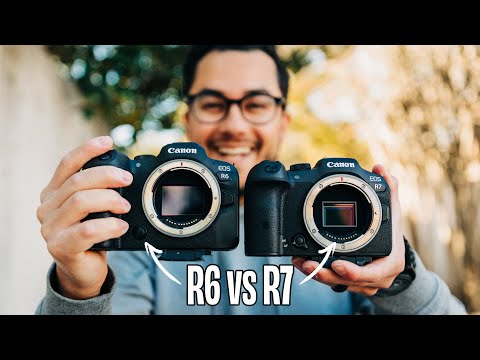

Sample Images