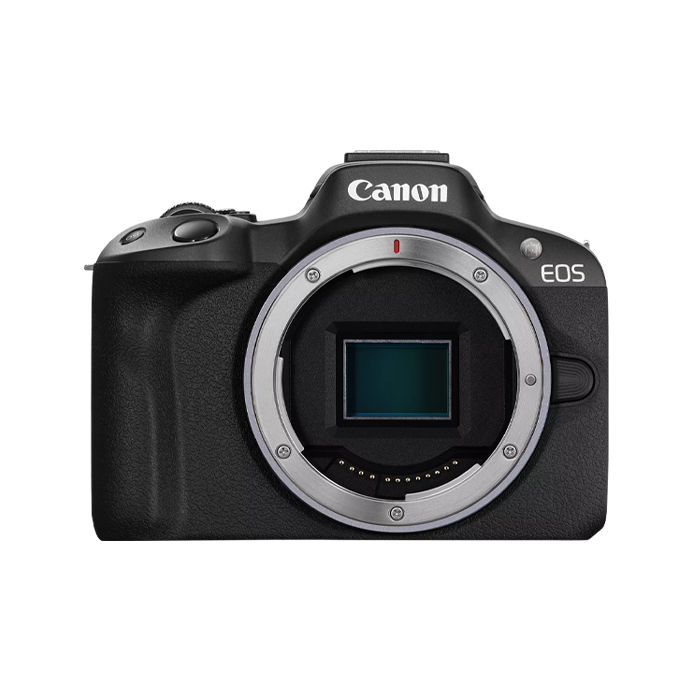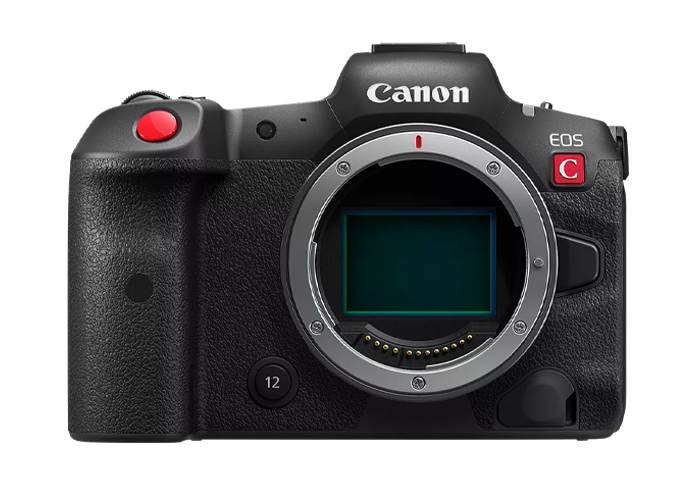
Overview
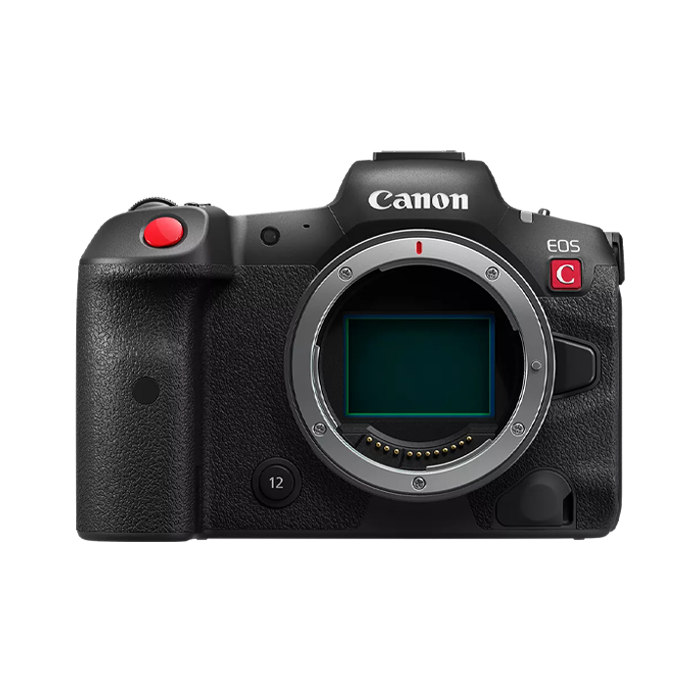
The Canon EOS R5 C is a professional hybrid mirrorless camera that combines high-resolution photography with advanced Cinema EOS video production capabilities. Built around a 45MP full-frame sensor, it is designed for creators who need detailed still images and professional-quality video from a single camera body.
A dedicated Photo/Video switch allows users to move between photography and Cinema EOS video workflows. In video mode, the camera supports internal 8K recording at up to 60p using Cinema RAW Light, as well as 4K recording at up to 120p for slow-motion production. Its built-in cooling fan helps manage heat during extended recording sessions, making it particularly useful for professional interviews, documentaries, events, and commercial productions.
The EOS R5 C also offers advanced Dual Pixel CMOS autofocus, professional exposure-monitoring tools, a dedicated timecode terminal, and extensive customization options. These features make it suitable for filmmakers who need reliable recording workflows and photographers who require high-resolution stills.
However, the camera has important trade-offs. It lacks in-body image stabilization (IBIS), and its power consumption can be substantial during demanding video recording. Users may need optically stabilized lenses, a gimbal, a tripod, spare batteries, or an external power solution to get the most out of the camera.
Key Specifications and Features
1. 45MP Full-Frame Sensor
The EOS R5 C features a 45MP full-frame CMOS sensor that captures detailed still images suitable for commercial photography, portraits, landscapes, editorial assignments, and large prints.
The high resolution also provides flexibility for cropping images while retaining substantial detail. In Photo mode, the camera offers advanced autofocus capabilities for tracking people, animals, and other supported subjects.
2. Internal 8K Cinema Recording
One of the camera's major strengths is its ability to record internally at resolutions up to 8K. Supported recording options include 8K at up to 60p using Cinema RAW Light with an appropriate external power supply and compatible recording media.
The internal cooling fan helps control operating temperatures during extended recording sessions. This makes the EOS R5 C particularly useful for interviews, documentaries, and other productions where recording interruptions can be disruptive. Actual recording limits depend on the recording format, frame rate, power source, media, and operating conditions.
3. Cinema RAW Light and Professional Recording Formats
The camera supports 12-bit Cinema RAW Light recording, providing substantial flexibility for post-production exposure adjustments, color grading, and highlight and shadow recovery. It also offers other recording formats, including XF-AVC and MP4 options, depending on the selected settings.
Cinema RAW Light files can require considerable storage capacity and processing power. A fast CFexpress Type B card, a capable editing computer, and sufficient backup storage are important considerations for professional workflows.
4. Dual Pixel CMOS Autofocus
Canon's Dual Pixel CMOS autofocus technology provides fast and accurate focusing for both still photography and video. In Photo mode, the camera supports advanced subject detection and tracking, including people and animals.
These capabilities are useful for portraits, wildlife, interviews, and moving subjects. Autofocus performance depends on the subject, lens, camera settings, and recording mode.
5. Dual Base ISO for Cinema Recording
When using supported Canon Log 3 recording configurations, the EOS R5 C provides dual base ISO settings designed to balance image quality and noise performance across different lighting conditions. The commonly referenced base ISO values are 800 and 3200 in Canon Log 3.
This feature can be useful for indoor interviews, event coverage, and night scenes where lighting is limited. Selecting the appropriate base ISO can help maintain image quality, although actual noise levels also depend on exposure, recording settings, and the lighting environment.
6. Dedicated Cinema EOS Controls and Monitoring
In Video mode, the camera provides a Cinema EOS interface with professional tools such as waveform monitoring, false color, and shutter angle display. These tools help filmmakers evaluate exposure and maintain consistent settings across shots.
The camera also includes customizable controls, an articulated touchscreen, a multi-function accessory shoe, and a dedicated timecode terminal for synchronizing footage in compatible multi-camera productions.
7. No In-Body Image Stabilization
Unlike the standard Canon EOS R5, the EOS R5 C does not include in-body image stabilization. This is an important consideration for photographers and videographers who frequently shoot handheld.
For smoother footage, users can rely on optically stabilized RF lenses, compatible digital stabilization where available, a tripod, a monopod, or a gimbal. A stabilized lens can help reduce camera shake, but it cannot fully replace sensor-based stabilization in every situation.
8. Power Consumption and External Power Options
The combination of a high-resolution sensor, internal cooling fan, and demanding video processing can consume battery power quickly, especially when recording at high resolutions and frame rates.
For long productions, carrying spare batteries or using a compatible external power solution can help maintain recording continuity. High-frame-rate and high-resolution recording modes may have more demanding power requirements than standard video recording.
Key Specifications
Specification | Details |
|---|---|
Camera Model | Canon EOS R5 C |
Camera Type | Full-frame mirrorless hybrid cinema camera |
Sensor Resolution | Approximately 45MP |
Sensor Type | Full-frame CMOS |
Lens Mount | Canon RF mount |
Maximum Video Resolution | 8K |
Maximum 8K Frame Rate | Up to 60p in supported Cinema RAW Light recording modes |
Maximum 4K Frame Rate | Up to 120p in supported recording modes |
RAW Video | 12-bit Cinema RAW Light |
Autofocus | Dual Pixel CMOS AF |
Image Stabilization | No in-body image stabilization |
Cooling System | Built-in active cooling fan |
Dual Base ISO | ISO 800 and 3200 in supported Canon Log 3 configurations |
Memory Card Slots | One CFexpress Type B slot and one SD card slot |
Monitoring Tools | Waveform, false color, and shutter angle display in supported video workflows |
Timecode | Dedicated timecode terminal |
Display | Vari-angle touchscreen LCD |
Battery | Canon LP-E6NH-compatible battery system |
Pros and Cons
Pros | Cons |
|---|---|
High-resolution 45MP full-frame sensor for detailed still photography. | No in-body image stabilization for handheld shooting. |
Internal 8K recording with Cinema RAW Light support. | High-resolution RAW video requires substantial storage capacity. |
Built-in cooling fan helps support extended video recording. | Cooling fan may produce audible noise in quiet recording environments. |
4K recording at up to 120p in supported modes for slow-motion footage. | High-frame-rate recording increases storage and power requirements. |
Advanced Dual Pixel CMOS autofocus for photography and video. | Autofocus capabilities vary by recording mode and shooting conditions. |
Professional monitoring tools and Cinema EOS video interface. | Video controls and workflows may take time for photographers to learn. |
Dedicated timecode terminal for professional multi-camera production. | Professional rigs and synchronization accessories can increase overall cost. |
Versatile hybrid design for stills and cinema-quality video. | Battery life can be limited during demanding video recording. |
RF mount supports Canon's range of RF lenses and compatible accessories. | Long recording sessions may require additional batteries or external power. |
Who Should Buy This Camera?
1. High-End Commercial and Cinema Filmmakers
The EOS R5 C is well suited to filmmakers who need high-resolution internal recording, RAW workflow flexibility, and professional monitoring tools in a relatively compact camera body.
Its Cinema RAW Light recording and active cooling system are valuable for commercials, interviews, documentaries, and productions that demand detailed footage and extensive post-production control. The dedicated timecode terminal is also useful when synchronizing footage with other compatible cinema cameras and external audio equipment.
2. Commercial, Editorial, and Landscape Photographers
The 45MP sensor provides detailed images for advertising, editorial assignments, landscape photography, and large-format printing. Its advanced autofocus system helps maintain focus on moving subjects, while the RF mount provides access to Canon's compatible lens lineup.
Photographers who primarily shoot handheld should consider the absence of IBIS and choose optically stabilized lenses where appropriate.
3. Wedding and Event Filmmakers
The EOS R5 C can be an effective tool for wedding and event professionals who need high-quality video alongside detailed still images. Its 4K high-frame-rate options provide creative slow-motion opportunities, while the 45MP sensor supports portraits and event photography.
The built-in fan is especially helpful for long recording sessions, but battery management, storage capacity, and audio equipment should be planned carefully for full-day productions.
4. Wildlife and Nature Content Creators
The camera's high-resolution sensor and subject-tracking autofocus make it suitable for wildlife photography and nature filmmaking when paired with appropriate telephoto lenses. High-resolution stills provide cropping flexibility, while high-frame-rate video can capture animal behavior in slow motion.
However, photographers who shoot handheld for extended periods should account for the lack of IBIS. A stabilized telephoto lens, monopod, tripod, or suitable support system can make a substantial difference when working with long focal lengths.
5. Who Should Avoid This Camera?
Casual handheld video creators: The absence of IBIS makes the EOS R5 C less convenient for people who frequently record handheld walking footage without a gimbal or stabilized lens.
Minimalist travel photographers: If photography is the main priority and professional cinema features are unnecessary, a conventional mirrorless camera with in-body stabilization may be more convenient.
Creators who need long recording sessions without additional equipment: Although the active cooling fan helps manage heat, demanding recording modes can consume battery power quickly. Spare batteries or external power may be necessary for extended shoots.
Buying Recommendation
The Canon EOS R5 C is worth considering if you need a camera that combines high-resolution still photography with professional cinema recording. Its strongest advantages are its 45MP sensor, internal 8K recording, Cinema RAW Light support, active cooling, and dedicated Cinema EOS controls.
Choose this camera if professional video production is a major part of your work and you also need high-resolution still photographs from the same camera body.
Consider the Canon EOS R5 if photography and handheld shooting are more important than the R5 C's specialized cinema functions, particularly if in-body image stabilization is a priority.
Consider a dedicated Cinema EOS camera if your production requires a different body design, extended professional connectivity, or specific cinema-system features.
Budget for recording media and power. High-bitrate RAW footage requires fast CFexpress Type B cards, large storage drives, reliable backups, and a computer capable of handling demanding editing workloads.
Plan your stabilization setup. If you frequently record handheld, consider optically stabilized RF lenses, a gimbal, a tripod, or other appropriate camera support.
Before purchasing, evaluate your actual recording formats, frame rates, power requirements, and editing workflow. The camera's advanced capabilities are most valuable when your production process can support the resulting media and equipment demands.
Final Verdict
The Canon EOS R5 C is a specialized hybrid camera designed for creators who need high-resolution photography and advanced cinema video capabilities in one system. Its 45MP full-frame sensor, internal 8K recording, Cinema RAW Light support, active cooling fan, and professional monitoring tools make it a capable option for commercial filmmakers, event professionals, and hybrid content creators.
Its main compromises are the lack of in-body image stabilization, substantial storage requirements for high-quality video, and demanding power consumption during intensive recording. These considerations are particularly important for handheld shooters and creators who prefer lightweight, self-contained setups.
Overall, the EOS R5 C is best suited to professionals and serious enthusiasts who can take advantage of its cinema-focused features and are prepared to build an appropriate power, storage, and stabilization workflow around it. For users who prioritize casual photography or handheld video, a conventional mirrorless camera with IBIS may be a more practical choice.
Video Reviews
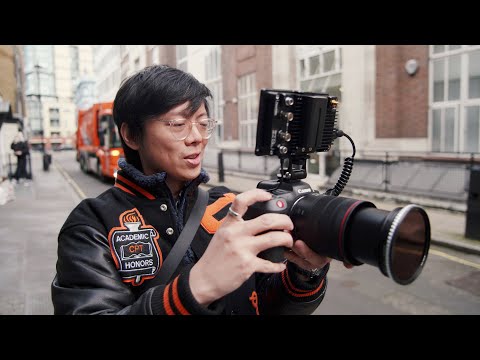
Video Comparisons

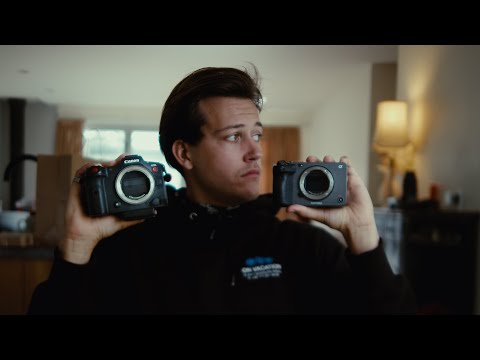
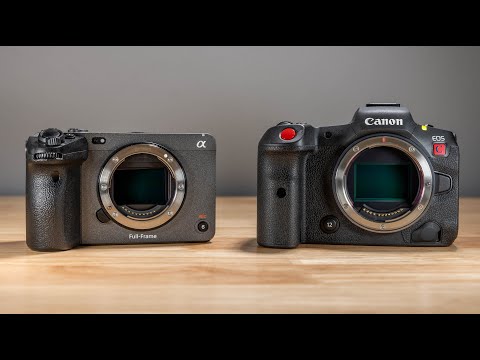
Sample Images