Overview
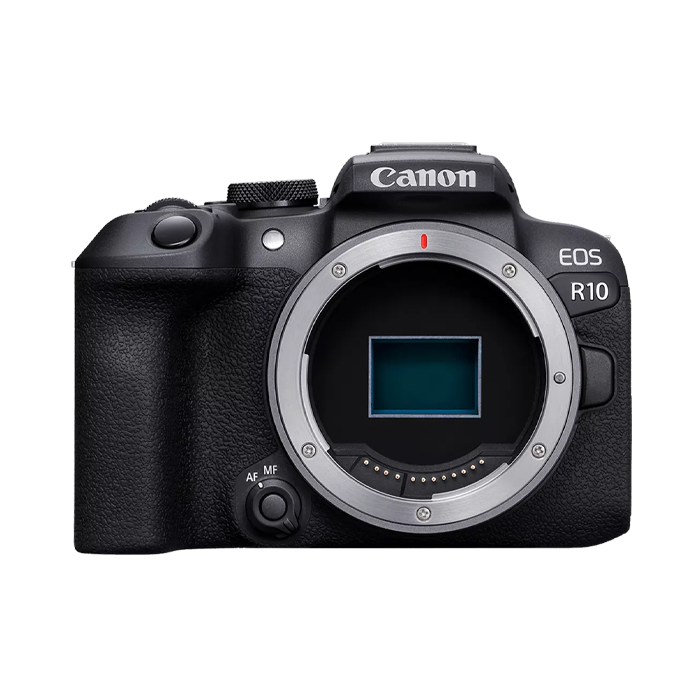
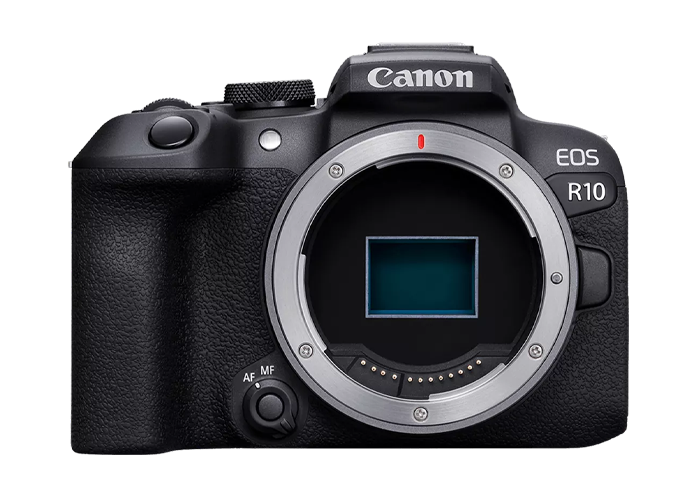
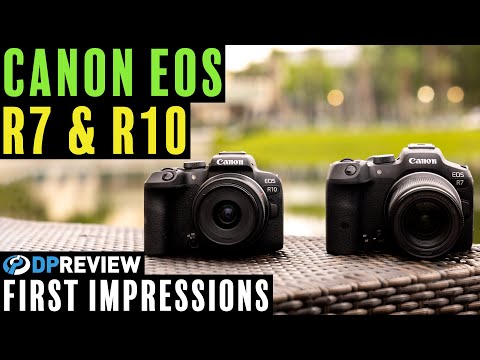
The Canon EOS R10 is an entry-to-mid-range APS-C mirrorless camera designed for beginners, travel photographers, content creators, and photography enthusiasts who want advanced autofocus and fast shooting performance in a compact, lightweight body. As a more affordable sibling to the Canon EOS R7, it combines a 24.2MP CMOS sensor, the DIGIC X image processor, and Canon's intelligent subject-tracking technology.
Despite its accessible positioning, the EOS R10 offers impressive speed. It shoots at up to 15 frames per second (fps) with the mechanical shutter and up to 23 fps with the electronic shutter. Its Dual Pixel CMOS AF II autofocus system uses deep-learning subject detection to recognize and track people, animals, birds, and vehicles, making it suitable for everyday photography, casual wildlife shooting, and sports.
The camera's 1.6x APS-C crop factor provides a useful angle-of-view advantage for photographing distant subjects with telephoto lenses. Its 24.2MP resolution offers a practical balance between image detail, file size, and noise performance. Weighing approximately 429g (15.1 oz) with the battery and memory card, the EOS R10 is easy to carry during travel, hiking, and extended photography outings.
For video creators, the EOS R10 records detailed 4K video oversampled from approximately 6K at up to 30p without an additional 4K crop. It also supports 4K recording at up to 60p with a crop, along with 10-bit HDR PQ recording. However, the camera lacks in-body image stabilization (IBIS), has only one memory card slot, and uses the smaller LP-E17 battery. These trade-offs are important considerations for handheld video, professional event photography, and long shooting sessions.
Key Specifications and Features
24.2MP APS-C CMOS Sensor
The EOS R10 features a 24.2MP APS-C CMOS sensor paired with Canon's DIGIC X image processor. It captures detailed photographs suitable for travel, portraits, family events, sports, and wildlife. The resolution provides flexibility for moderate cropping while maintaining manageable file sizes, making it a practical option for photographers who do not need the higher pixel count of the EOS R7.
Fast Continuous Shooting
The camera offers continuous shooting at up to 15 fps with the mechanical shutter and up to 23 fps with the electronic shutter. These speeds help capture decisive moments in sports, animal behavior, and everyday action. RAW Burst Mode includes a pre-shooting function that can capture images from approximately half a second before the shutter is fully pressed, helping photographers record moments that happen unexpectedly.
Dual Pixel CMOS AF II Autofocus
The EOS R10 uses Canon's Dual Pixel CMOS AF II autofocus system with deep-learning subject recognition. It can detect and track people, animals, birds, and vehicles, helping maintain focus on moving subjects across the frame. This makes the camera particularly useful for beginners learning wildlife photography or photographing pets, children, and outdoor sports. Actual tracking performance depends on the subject, lighting, background, and autofocus settings.
Compact and Lightweight Design
Weighing approximately 429g (15.1 oz) with its battery and memory card, the EOS R10 is well suited to travel and everyday photography. Its ergonomic grip provides a secure hold despite the camera's small size, while the fully articulating touchscreen makes it easier to compose images from high, low, and front-facing angles. The lightweight design is especially attractive to photographers who want a capable interchangeable-lens camera without carrying a larger professional body.
1.6x APS-C Crop Factor
The EOS R10's APS-C sensor provides a 1.6x crop factor compared with full-frame cameras. For example, a 300mm lens gives an angle of view equivalent to a 480mm lens on a full-frame camera. This is useful for photographing distant birds, wildlife, and outdoor sports with relatively affordable telephoto lenses. The crop factor changes the angle of view rather than physically increasing the lens's focal length.
4K Video and HDR Recording
The EOS R10 records uncropped 4K video at up to 30p, oversampled from approximately 6K sensor data for detailed footage. It also supports 4K at up to 60p with a crop, making it useful for capturing smoother motion. Supported 10-bit HDR PQ recording provides additional flexibility for compatible HDR workflows. The fully articulating touchscreen is helpful for vlogging, self-recording, and shooting from unconventional angles.
No In-Body Image Stabilization
Unlike the EOS R7, the EOS R10 does not have sensor-shift in-body image stabilization. Photographers must rely on lenses with built-in optical image stabilization, a tripod, or a gimbal when additional stability is needed. This limitation is particularly noticeable when recording handheld video while walking or panning. Optical stabilization can reduce camera shake, but it cannot completely eliminate movement in every situation or freeze moving subjects.
Single UHS-II SD Card Slot
The camera has one UHS-II-compatible SD card slot. This is sufficient for most casual photography and content creation, but it does not provide simultaneous in-camera backup to a second card. Photographers working at weddings or other important paid events should consider whether this lack of redundancy is acceptable for their workflow.
LP-E17 Battery
The EOS R10 uses Canon's LP-E17 battery. Its relatively small battery helps keep the camera compact, but battery life may be a limitation during long outings, extensive burst shooting, or video recording. Carrying spare batteries or a compatible charging solution is recommended for travel and wildlife photography sessions.
Key Specifications
Specification | Canon EOS R10 |
|---|---|
Camera Type | APS-C mirrorless camera |
Sensor Resolution | 24.2MP CMOS |
Image Processor | DIGIC X |
Lens Mount | Canon RF mount |
Crop Factor | 1.6x |
Mechanical Shutter | Up to 15 fps |
Electronic Shutter | Up to 23 fps |
Pre-Shooting | RAW Burst Mode with approximately 0.5-second pre-shooting |
Autofocus | Dual Pixel CMOS AF II with subject detection and tracking |
In-Body Image Stabilization | Not available |
Video Recording | 4K up to 30p oversampled from approximately 6K; 4K up to 60p with a crop |
HDR Recording | 10-bit HDR PQ in supported modes |
Viewfinder | Electronic viewfinder |
Rear Display | Fully articulating touchscreen |
Memory Card Slot | One UHS-II SD card slot |
Battery | Canon LP-E17 |
Weight | Approximately 429g (15.1 oz), including battery and memory card |
Best Uses | Travel, everyday photography, beginner wildlife, sports, and content creation |
Pros and Cons
Pros | Cons |
|---|---|
24.2MP sensor delivers detailed images with manageable file sizes. | Lower resolution than the 32.5MP Canon EOS R7, leaving less room for heavy cropping. |
Fast continuous shooting at up to 15 fps mechanically and 23 fps electronically. | Electronic shutter can produce rolling-shutter distortion with fast movement or rapid panning. |
Advanced autofocus tracks people, animals, birds, and vehicles. | Subject tracking is not infallible, particularly when subjects are obscured or lighting is difficult. |
Compact 429g body is convenient for travel and everyday use. | Smaller body and battery may be less comfortable for very long sessions or demanding workloads. |
Oversampled 4K30 video provides detailed footage without an additional 4K crop. | 4K60 recording uses a crop, reducing the available wide-angle field of view. |
Fully articulating touchscreen supports vlogging and flexible composition. | No in-body image stabilization for sensor-based shake correction. |
1.6x crop factor offers a useful angle of view for telephoto photography. | Achieving ultra-wide-angle views can require shorter focal-length lenses. |
Uses UHS-II SD cards, which are widely available. | Single card slot provides no simultaneous in-camera card backup. |
LP-E17 battery helps keep the body small and light. | Spare batteries may be needed for extended outings and intensive video recording. |
Who Should Buy This Camera?
1. Beginner Wildlife, Bird, and Sports Photographers
The Canon EOS R10 is a good option for photographers who want to explore wildlife, birding, and sports photography without investing in a more expensive professional camera body. Its 1.6x crop factor provides a useful angle of view with telephoto lenses, while its fast burst rates and subject-detection autofocus help capture moving subjects.
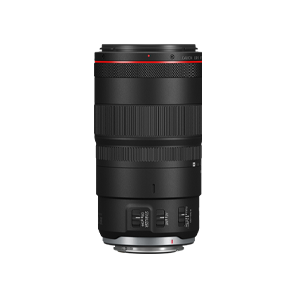
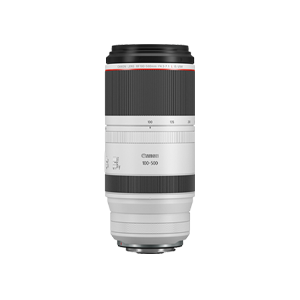
For casual bird photography, the EOS R10 can be paired with telephoto lenses such as the Canon RF100-400mm F5.6-8 IS USM. Its optical image stabilization can help reduce camera shake, while the camera's autofocus system helps track birds in flight. Photographers who frequently crop distant birds extensively may prefer the higher-resolution EOS R7, but the R10 remains a capable starting point.
2. Travel and Everyday Photographers
Travelers who want better image quality and more creative control than a typical smartphone can benefit from the EOS R10's interchangeable lenses, compact body, and comfortable grip. It is light enough to carry throughout a day of sightseeing, family activities, or outdoor exploration. The articulating screen also makes it easier to photograph from unusual angles.
3. Vloggers and Content Creators
The EOS R10 offers detailed 4K30 video, 4K60 recording, and a fully articulating touchscreen for self-recording. It is suitable for travel videos, product demonstrations, online content, and everyday vlogging. However, creators who regularly walk while filming should consider a stabilized lens, a gimbal, or another stabilization solution because the camera lacks IBIS.
4. Budget-Conscious Photography Enthusiasts
Photographers who want modern autofocus and fast burst shooting without paying for the additional features of a higher-end body may find the EOS R10 appealing. Its 24.2MP sensor is sufficient for many everyday and enthusiast applications, while its RF mount provides access to Canon RF and compatible RF-S lenses. An adapter can also allow the use of compatible Canon EF and EF-S DSLR lenses.
5. Who Should Consider Another Camera?
Professional event photographers, especially wedding photographers, should carefully consider the single card slot because it does not provide simultaneous in-camera backup. Photographers who frequently record handheld video may prefer a camera with in-body image stabilization or a system with more robust stabilization features.
Those who regularly shoot in very dim lighting may benefit from a full-frame camera, depending on their lens choices and image-quality requirements. Dedicated wildlife photographers who need to crop heavily or want more advanced body features may also want to compare the EOS R10 with the Canon EOS R7.
Buying Recommendation
The Canon EOS R10 is worth considering if you want an affordable, lightweight mirrorless camera with fast autofocus and strong continuous-shooting performance. It offers an appealing combination of speed, portability, and video capability for beginners, travel photographers, and enthusiasts who photograph people, pets, sports, and wildlife.
For wildlife photography, choose a lens that matches your subjects and typical shooting distance. A versatile telephoto zoom such as the RF100-400mm can provide useful reach without making the kit excessively heavy. Remember that the APS-C crop factor changes the angle of view, not the physical focal length of the lens.
If video is a major priority, account for the lack of IBIS when planning your setup. A lens with optical image stabilization can help with handheld footage, while a tripod or gimbal may be more suitable for walking shots and extended recording. For all-day photography, carrying one or two spare LP-E17 batteries is also sensible.
Before purchasing, compare the EOS R10 with the EOS R7 if you need higher resolution, in-body image stabilization, or dual memory card slots. The R10 prioritizes affordability and portability, while the R7 provides additional features that may matter for more demanding wildlife and professional assignments.
Final Verdict
The Canon EOS R10 is a versatile APS-C mirrorless camera that delivers fast continuous shooting, intelligent subject tracking, detailed 4K video, and a lightweight design. Its 24.2MP sensor and 1.6x crop factor make it useful for everyday photography, travel, casual birding, and sports, while the fully articulating touchscreen supports a variety of creative video applications.
Its main compromises are the absence of in-body image stabilization, a single SD card slot, and the smaller LP-E17 battery. These limitations are manageable for many hobbyists but can matter for professional event coverage and handheld video production.
For beginners and budget-conscious enthusiasts who value autofocus performance, speed, and portability, the EOS R10 offers a practical entry into Canon's RF mirrorless system. Photographers who need more cropping flexibility, sensor stabilization, or dual-card backup should consider stepping up to the EOS R7.
Video Reviews
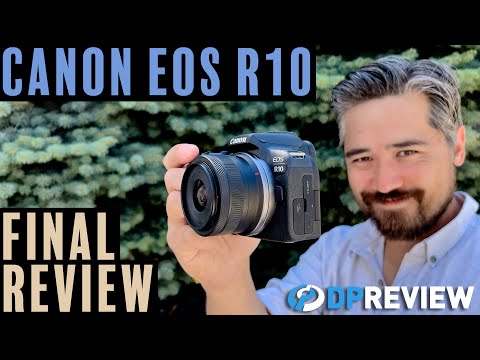
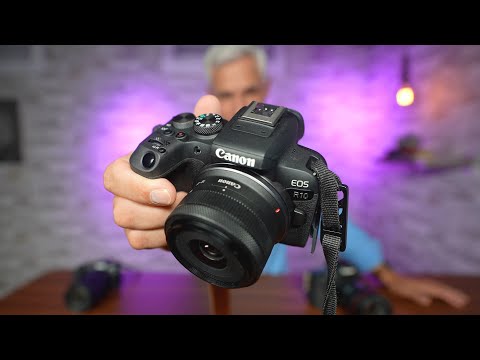
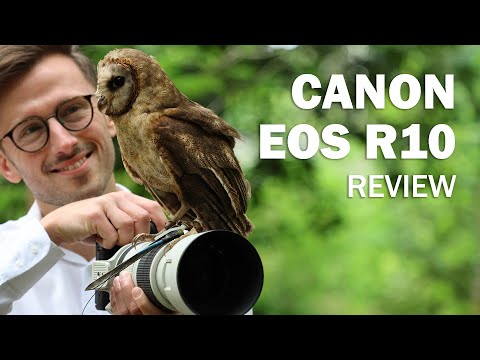
Video Comparisons

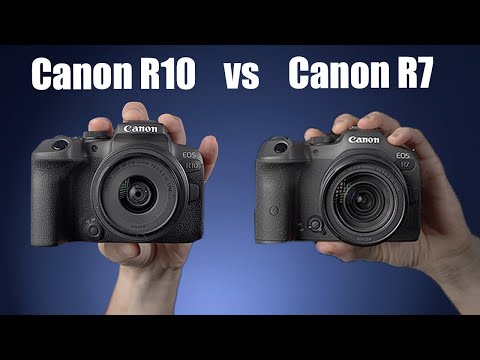
Sample Images