Canon EOS R: Performance, Image Quality, and Ideal Users
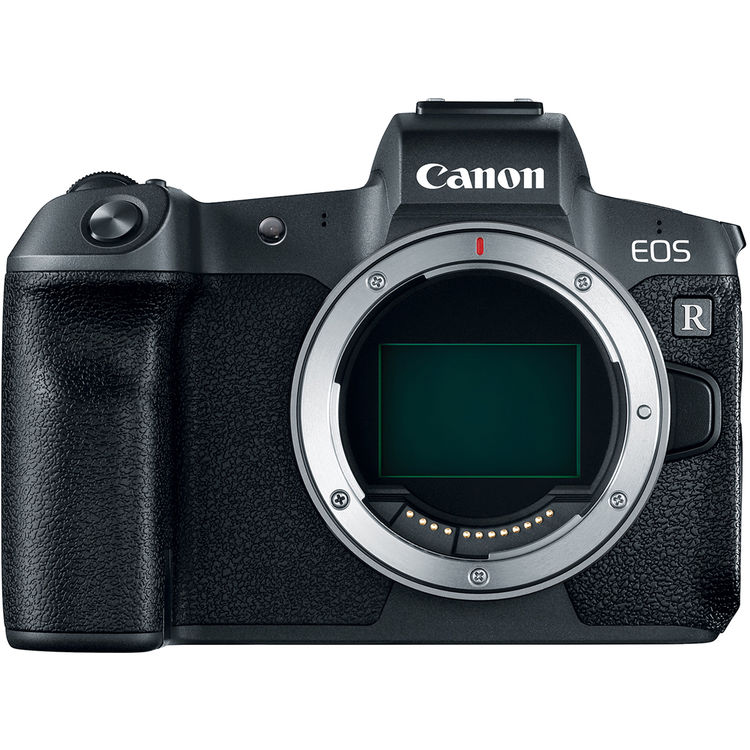
The Canon EOS R, introduced in 2018, was Canon's first full-frame mirrorless camera and marked an important step in the company's transition from DSLRs to its RF-mount mirrorless system. Although newer models offer more advanced autofocus, faster shooting speeds, and improved video capabilities, the original EOS R remains an option for photographers seeking full-frame image quality at a more accessible price.
Rather than focusing on high-speed action, the EOS R is particularly well suited to portraiture, studio photography, landscapes, and everyday travel photography. Its combination of a high-resolution sensor, comfortable ergonomics, and compatibility with Canon's EF lenses makes it appealing to photographers transitioning from an older Canon DSLR.
Real-World Performance
Image Quality and Sensor Performance
The EOS R features a 30.3-megapixel full-frame CMOS sensor paired with the DIGIC 8 image processor. It produces detailed images with pleasing colors and strong performance in a variety of lighting conditions. Its resolution is suitable for portraits, landscapes, commercial photography, and moderately sized prints, while its full-frame sensor provides useful flexibility for controlling depth of field and shooting in lower light.
Canon Color Reproduction
Canon's color rendering is one of the EOS R's appealing characteristics. It can produce natural-looking skin tones and attractive colors straight out of the camera, making it a practical choice for portrait, wedding, and event photography. The final appearance will also depend on white balance, lighting, picture profiles, and post-processing.
Ergonomics and Build Quality
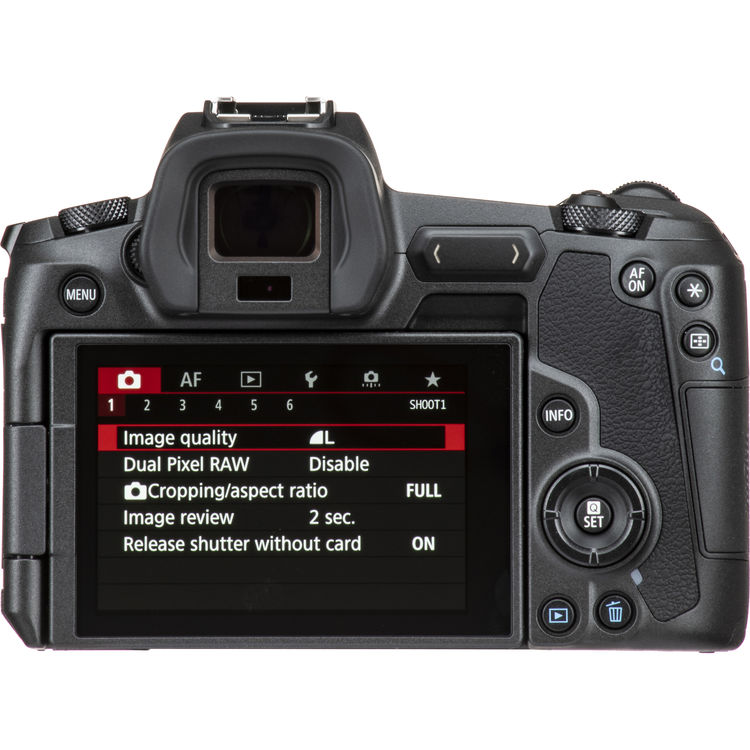
The camera features a comfortable handgrip, a fully articulating touchscreen, and a magnesium-alloy body with weather-resistant construction. Its vari-angle screen is useful for shooting from low or high angles and recording video, while the electronic viewfinder provides a clear view of the scene.
As with other weather-resistant cameras, protection depends on the conditions and attached equipment; the EOS R should not be treated as completely waterproof.
Compatibility with Canon EF Lenses
One of the EOS R's major advantages is its compatibility with Canon EF and EF-S lenses through an appropriate Canon EF-EOS R mount adapter. Many EF lenses retain autofocus and aperture control, allowing photographers to continue using existing equipment rather than replacing their entire lens collection.
For photographers moving from a Canon DSLR, this compatibility can make the transition to mirrorless photography considerably more affordable.
Key Limitations to Consider
Although the EOS R delivers capable image quality, its first-generation design has several limitations that matter for particular types of photography.
Autofocus and Subject Tracking
The EOS R uses Dual Pixel CMOS AF, with up to 5,655 selectable autofocus positions. It offers reliable focusing for many portraits, landscapes, and everyday subjects. However, its subject detection and eye-tracking capabilities are less advanced than those of newer cameras, particularly when tracking unpredictable movement.
Photographers who regularly capture birds in flight or fast-moving wildlife may benefit from a newer model with more sophisticated subject recognition and tracking.
Continuous Shooting Speed
The EOS R can shoot at up to 8 frames per second with fixed autofocus and approximately 5 frames per second with continuous autofocus tracking under supported conditions. These speeds are adequate for many everyday situations but less competitive for demanding sports and wildlife photography.
Single Memory Card Slot
The camera has one SD memory card slot, supporting UHS-II cards. It cannot record a simultaneous in-camera backup to a second memory card. This limitation may be important for wedding photographers and other professionals who require redundant recording for important assignments.
No In-Body Image Stabilization
Unlike many newer mirrorless cameras, the EOS R does not have in-body image stabilization. Photographers must rely on lens-based optical stabilization, when available, along with appropriate shutter speeds and stable shooting techniques.
Cropped 4K Video
The EOS R records 4K video with a substantial crop of approximately 1.7 times, narrowing the field of view compared with full-frame recording. This can make wide-angle video more challenging. Its 1080p recording options are useful for everyday content creation, although its video feature set is less versatile than that of newer hybrid cameras.
Who Should Consider the Canon EOS R?
The original EOS R is best suited to photographers who value full-frame image quality, a versatile lens system, and an accessible entry point into Canon's mirrorless ecosystem.
Portrait and Event Photographers
The 30.3MP sensor provides detailed files for headshots, portraits, family sessions, and many event assignments. Canon's familiar color rendering and compatibility with a broad range of EF lenses make it a practical option for photographers who already own Canon equipment.
Landscape and Studio Photographers
The full-frame sensor captures fine detail in landscapes, architecture, and studio scenes. Its resolution offers flexibility for cropping and printing, while the electronic viewfinder and articulating screen support different shooting positions.
DSLR Owners Upgrading on a Budget
Photographers moving from Canon Rebel, 5D-series, or other compatible DSLR systems can continue using many existing EF lenses with an adapter. This can reduce upgrade costs while providing access to the benefits of a mirrorless camera.
Content Creators and Vloggers
The fully articulating screen and Dual Pixel autofocus make the EOS R suitable for talking-head videos, tutorials, and general 1080p content. However, creators who prioritize uncropped 4K, advanced video features, or extended recording sessions may prefer a newer camera.
Who Might Prefer a Different Camera?
Wildlife, Bird, and Sports Photographers
The EOS R can photograph wildlife, particularly when subjects are relatively stationary, but its continuous autofocus burst rate and subject-tracking capabilities are less suited to demanding action. Photographers who frequently capture birds in flight or fast-moving animals may find a newer camera more effective.
Professionals Requiring Dual-Card Backup
The single memory card slot may be a disadvantage for wedding, event, and commercial photographers who need simultaneous in-camera backups. A camera with dual card slots may provide greater peace of mind for critical assignments.
Video Creators Prioritizing 4K
The significant 4K crop and more limited video capabilities may be restrictive for filmmakers and vloggers who need wide-angle framing, advanced recording options, or a more flexible hybrid workflow.
Final Verdict
The Canon EOS R remains a capable full-frame mirrorless camera for photographers who prioritize image quality, comfortable handling, and access to Canon's extensive EF lens collection. Its 30.3MP sensor, appealing color reproduction, and versatile vari-angle screen make it a reasonable choice for portraits, landscapes, studio work, and everyday photography.
Its limitations become more apparent in fast-action photography, professional workflows requiring dual-card backup, and advanced video production. For photographers on a budget who primarily shoot still images, however, the EOS R can offer an accessible route into Canon's full-frame mirrorless system without sacrificing the image quality needed for many professional and enthusiast applications.