Sony FE 85mm f/1.4 GM (Version 1): Review and Buying Recommendation
Overview
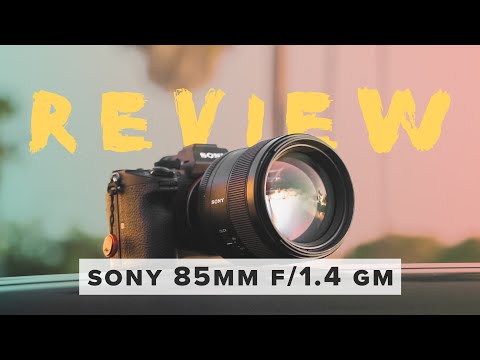
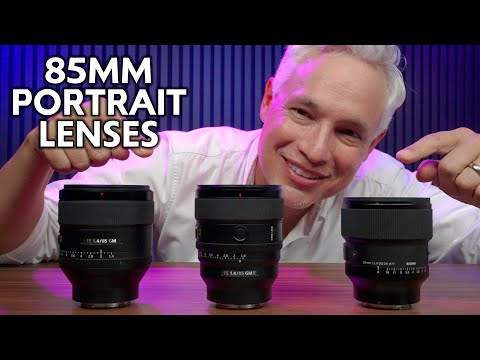
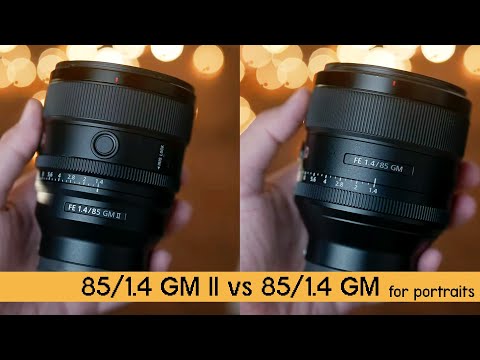
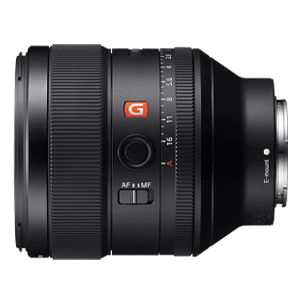
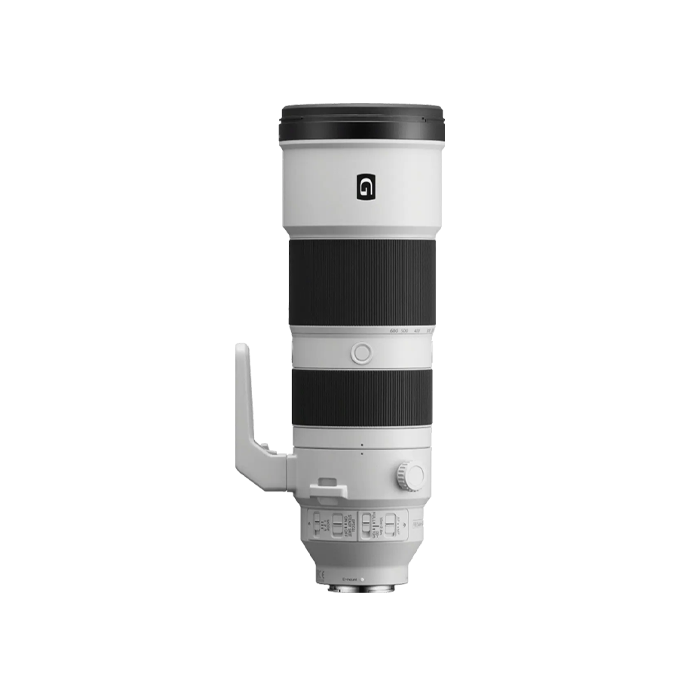
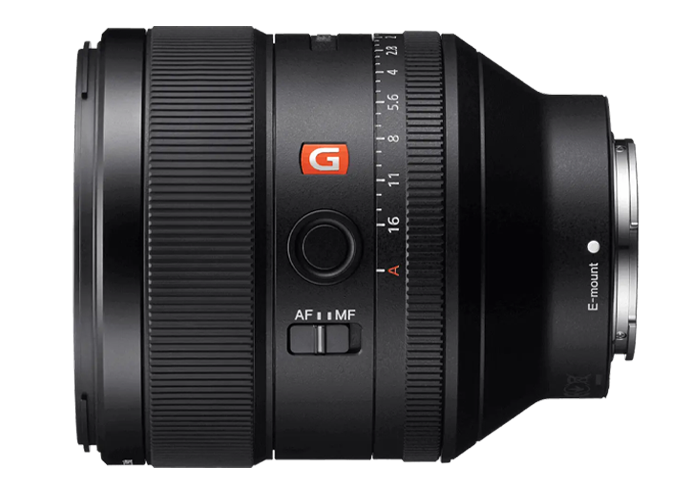
The **Sony FE 85mm f/1.4 GM (Version 1)** is a premium portrait prime lens designed for Sony full-frame E-mount mirrorless cameras. As part of Sony's flagship G Master lineup, it combines a fast f/1.4 aperture, sophisticated optical elements, and an 11-blade diaphragm to deliver excellent subject separation and beautifully rendered background blur. With its classic 85mm focal length, this lens is particularly well suited to portraiture, fashion photography, weddings, and other situations where flattering perspective and precise control over depth of field are essential. Its strong optical performance and professional construction make it an appealing option for photographers who value image quality and artistic rendering. Although Sony has introduced a newer 85mm f/1.4 GM II, the original version remains worth considering, especially when available at a substantially lower price.
Key Specifications and Features
85mm Focal Length and f/1.4 Maximum Aperture
The 85mm focal length is a favorite among portrait photographers because it provides a natural-looking perspective when shooting from a suitable distance. It is ideal for headshots, half-body portraits, fashion images, and wedding photography. The bright f/1.4 maximum aperture allows photographers to work in challenging lighting conditions while creating a shallow depth of field. When used carefully, it separates the subject from the background and produces a distinctive three-dimensional look.
Advanced G Master Optics
The optical design consists of 11 elements in 8 groups, including one extreme aspherical (XA) element and three extra-low dispersion (ED) elements. These specialized elements help control spherical aberrations, chromatic aberration, and color fringing while maintaining impressive image detail. The result is a lens designed to deliver high resolution, strong contrast, and attractive rendering across a range of portrait and professional applications.
Beautiful Bokeh with an 11-Blade Diaphragm
The 11-blade circular aperture helps create smooth, rounded out-of-focus highlights. Combined with the f/1.4 aperture, it gives photographers substantial control over background rendering and subject separation. This characteristic is particularly valuable for portraits taken against busy backgrounds, outdoor wedding scenes, and fashion images where a clean, polished appearance is desirable.
Autofocus and Manual Controls
The original lens uses Sony's Ring Drive Super Sonic wave Motor (SSM) autofocus system. It supports accurate focusing for portraits and general professional photography, although its autofocus response is not as refined as the newer GM II, particularly when tracking fast-moving subjects. A customizable focus hold button provides convenient access to selected camera functions. The physical aperture ring includes a click/de-click switch, allowing photographers to choose tactile aperture adjustments for still photography or smoother, quieter adjustments for video work.
Professional Construction
The lens features dust- and moisture-resistant construction designed for demanding working environments. As with other weather-resistant equipment, protection is not absolute, so care is still necessary in heavy rain or dusty conditions. Its dimensions are approximately 89.5 × 107.5 mm (3.52 × 4.23 inches), and it weighs about 820 g (28.9 oz). The substantial weight reflects its fast aperture and professional optical design, but it can become noticeable during long handheld sessions.
Key Specifications
Lens Mount | Sony E-mount |
Format | Full-frame |
Focal Length | 85mm |
Maximum Aperture | f/1.4 |
Minimum Aperture | f/16 |
Optical Construction | 11 elements in 8 groups |
Special Elements | 1 XA and 3 ED elements |
Diaphragm Blades | 11, rounded |
Minimum Focusing Distance | 0.80 m (2.62 ft) |
Autofocus Motor | Ring Drive SSM |
Aperture Ring | Yes, with click/de-click switch |
Image Stabilization | No optical image stabilization |
Dimensions | 89.5 × 107.5 mm |
Weight | Approximately 820 g (28.9 oz) |
Original Launch Price | Approximately $1,798 |
Pros and Cons
Pros | Cons |
|---|---|
Beautiful background blur and subject separation | Heavy for an 85mm prime lens |
Bright f/1.4 aperture for low-light photography | Autofocus is less advanced than the GM II |
High-quality G Master optical design | Original launch price was expensive |
11-blade diaphragm for attractive bokeh | No built-in optical image stabilization |
Physical aperture ring with de-click option | Not designed for macro photography |
Dust- and moisture-resistant construction | Newer alternatives offer improved portability and responsiveness |
Who Should Buy This Lens?
Portrait and Headshot Photographers
This lens is an excellent choice for photographers who specialize in professional headshots, individual portraits, and environmental portraiture. Its 85mm perspective and f/1.4 aperture make it easy to emphasize facial details while softening distracting backgrounds.
Wedding and Event Photographers
The fast aperture is useful for indoor ceremonies, receptions, and low-light portraits. The focal length also provides comfortable working distance for candid photographs without requiring the photographer to stand directly beside the subject. For fast-moving wedding moments, however, the newer GM II may be preferable because of its improved autofocus performance.
Fashion and Editorial Photographers
The lens delivers the shallow depth of field and refined background rendering sought after in fashion, beauty, and editorial photography. It is particularly suitable for deliberate compositions where subject detail and aesthetic rendering take priority over minimum equipment weight.
Videographers and Interview Creators
The de-clickable aperture ring is useful for smooth exposure adjustments during video recording. The 85mm focal length also works well for close-up interviews and cinematic portraits, provided there is enough room to position the camera.
Buying Recommendation
The Sony FE 85mm f/1.4 GM Version 1 is still a compelling portrait lens, but its value today depends heavily on its selling price relative to the newer GM II. - **Buy the original GM if:** You primarily photograph portraits, fashion, studio subjects, or weddings at a deliberate pace, and you find it at a meaningful discount compared with the GM II. Its optical quality and f/1.4 aperture remain highly desirable. - **Consider the GM II if:** You frequently photograph moving subjects, depend on fast and responsive autofocus, shoot for extended periods, or want a lighter lens. Its updated design makes it a stronger choice for photographers who prioritize autofocus performance and portability. - **Consider an 85mm f/1.8 alternative if:** You want a more affordable, lighter portrait lens and do not need the maximum light-gathering capability or distinctive depth-of-field rendering of f/1.4. - **Choose it for video if:** You value the physical aperture ring and de-click control, but remember that focus transitions, camera movement, and available shooting space also affect the final footage. **My recommendation:** For portrait photographers, the original Sony FE 85mm f/1.4 GM is worth buying when the price is substantially lower than the GM II. At a price close to the newer version, the GM II is generally the more attractive long-term investment because of its improved autofocus and lighter construction.
Final Verdict
The **Sony FE 85mm f/1.4 GM Version 1** remains a premium portrait lens with excellent optical potential, attractive bokeh, and professional handling features. Its fast aperture makes it especially appealing for portraits, fashion, wedding photography, and cinematic close-ups. Its main disadvantages are its relatively heavy construction and autofocus performance compared with newer designs. Nevertheless, photographers who prioritize portrait rendering over speed and portability can still get excellent results from this lens. **Overall, it is a strong buy at the right price.** If you already own a compatible Sony full-frame camera and want an f/1.4 portrait prime, the original GM deserves consideration—particularly when discounted enough to make its advantages more compelling than those of the newer GM II.