Overview
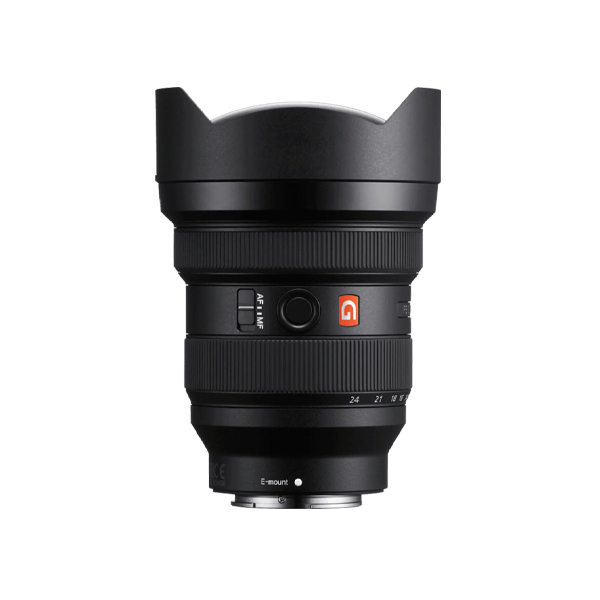
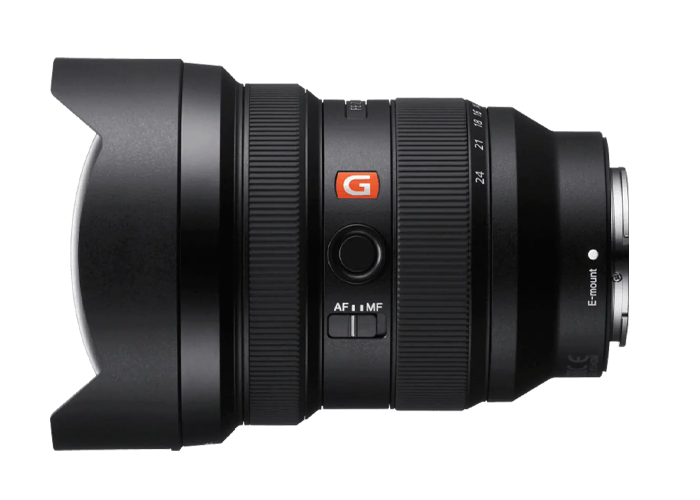
The Sony FE 12-24mm f/2.8 GM is a professional ultra-wide-angle zoom lens designed for Sony full-frame E-mount mirrorless cameras. As part of Sony's premium G Master lineup, it combines an exceptionally wide field of view, a constant f/2.8 maximum aperture, advanced autofocus technology, and sophisticated optical engineering. It is particularly well suited to landscape photography, astrophotography, architecture, real estate interiors, and cinematic video production.
Its standout feature is the 12-24mm focal-length range, which captures expansive scenes that are difficult to fit into the frame with conventional wide-angle lenses. At 12mm, it provides an approximately 122-degree diagonal angle of view, making it useful for dramatic landscapes, confined interiors, and night-sky compositions. Zooming to 24mm offers a more moderate wide-angle perspective for environmental photography and everyday creative work.
The constant f/2.8 aperture allows photographers to maintain the same maximum aperture throughout the zoom range. This is especially valuable for astrophotography and low-light shooting, while also providing greater exposure consistency when recording video. Despite its complex optical design, the lens weighs approximately 847 g (1.87 lbs) and uses an internal zoom mechanism that keeps the barrel length consistent while zooming.
Advanced optical elements and Nano AR Coating II help control aberrations, reflections, and flare. Four XD Linear Motors provide fast, quiet autofocus, while the built-in hood and rear gel-filter holder accommodate the unusual shape of the large front element. Although its premium price and limited front-filter compatibility may not suit everyone, the Sony FE 12-24mm f/2.8 GM is an outstanding option for creators who need an exceptionally wide perspective without giving up a bright aperture.
Key Specifications and Features
Ultra-Wide 12-24mm Zoom Range
The 12-24mm focal-length range provides considerable creative flexibility. At 12mm, the lens captures a vast field of view for dramatic landscapes, expansive architecture, and tight indoor spaces. At 24mm, it offers a more conventional wide-angle perspective suitable for environmental portraits, travel scenes, and general photography.
Its rectilinear optical design is intended to render straight lines as straight lines when the camera and lens are properly aligned, unlike a fisheye lens. However, rectilinear ultra-wide-angle lenses can still produce perspective distortion, especially when photographing subjects close to the edges of the frame or tilting the camera sharply.
Constant f/2.8 Maximum Aperture
The constant f/2.8 aperture makes this lens particularly attractive for low-light photography and video. Astrophotographers can use the wide aperture to capture more light from stars and the Milky Way, while event and video shooters can maintain a consistent maximum aperture throughout the zoom range.
The nine-blade circular diaphragm also helps produce smooth background blur when the subject distance and composition allow for shallow depth of field. Because of the lens's extremely wide focal lengths, pronounced background separation generally requires close subject positioning and careful composition.
Four XD Linear Autofocus Motors
Sony uses four Extreme Dynamic (XD) Linear Motors to drive the lens's focusing system. This arrangement supports fast, precise, and quiet autofocus, making the lens suitable for still photography and video recording. It is useful when tracking moving subjects during action photography or maintaining focus while filming people and activities at close range.
Advanced G Master Optical Design
The optical construction incorporates XA (extreme aspherical), Super ED, and ED elements to help control aberrations, maintain sharpness, and reduce color fringing. These specialized elements are particularly important in an ultra-wide lens, where maintaining detail toward the edges of the image can be challenging.
The lens is designed to deliver high resolution across the frame, although actual corner performance depends on the focal length, aperture, focus distance, and shooting conditions. Its optical performance makes it a strong choice for demanding landscape, architectural, and commercial photography.
Nano AR Coating II
Sony's Nano AR Coating II helps reduce internal reflections that can cause flare and ghosting when shooting toward bright light sources. This is particularly useful for night photography, backlit landscapes, and interiors with strong windows or lighting fixtures. As with any lens, careful composition and the position of bright light sources still influence the final result.
Internal Zoom and Portable Design
The lens weighs approximately 847 g (1.87 lbs) and maintains a fixed barrel length while zooming. Its internal zoom design helps keep the lens's exterior dimensions consistent during operation, which can be convenient for video rigs and gimbal setups. The built-in petal-shaped hood protects the bulbous front element and helps reduce unwanted stray light.
Rear Gel-Filter Holder
The large, strongly curved front element prevents the use of conventional screw-on front filters. To accommodate certain filter needs, the lens includes a rear gel-filter holder for compatible sheet filters that can be cut to the required shape using the supplied template.
Photographers who frequently use neutral-density or other filters should plan their filter workflow before buying. Depending on the intended use, a compatible third-party filter-holder system may be required, especially for landscape photography involving long exposures or video recording in bright daylight.
Professional Video Capabilities
The combination of a constant f/2.8 aperture, internal zoom, and quiet autofocus makes the lens appealing to filmmakers and hybrid creators. It is well suited to dramatic establishing shots, architecture, interiors, action sports, and low-angle tracking shots. Its wide perspective can create an immersive look, although moving the camera or placing subjects close to the lens can exaggerate perspective changes.
Key Specifications
Specification | Details |
|---|---|
Lens Name | Sony FE 12-24mm f/2.8 GM |
Lens Mount | Sony E-mount |
Format Compatibility | Full-frame |
Focal Length | 12-24mm |
Maximum Aperture | Constant f/2.8 |
Minimum Aperture | f/22 |
Diaphragm Blades | 9, circular |
Optical Construction | 17 elements in 14 groups |
Specialized Elements | XA, Super ED, and ED elements |
Coating | Nano AR Coating II |
Autofocus System | Four XD Linear Motors |
Angle of View | Approximately 122°-84° diagonal |
Minimum Focus Distance | Approximately 0.28 m (0.92 ft) |
Maximum Magnification | Approximately 0.14x |
Filter Compatibility | Rear gel-filter holder; no conventional front screw-on filter thread |
Weight | Approximately 847 g (1.87 lbs) |
Zoom Design | Internal zoom with fixed barrel length |
Lens Hood | Built-in petal-shaped hood |
Image Stabilization | No optical stabilization; compatible camera bodies may provide in-body image stabilization |
Construction | Professional G Master design with dust- and moisture-resistant features |
Pros and Cons
Pros | Cons |
|---|---|
Extremely wide 12-24mm focal-length range | Premium price compared with many ultra-wide zoom lenses |
Constant f/2.8 aperture throughout the zoom range | Bulbous front element prevents conventional front screw-on filters |
Excellent optical performance with advanced aberration correction | Specialized filter systems can add cost and complexity |
Four XD Linear Motors provide fast and quiet autofocus | Ultra-wide perspective can exaggerate proportions and perspective near frame edges |
Nano AR Coating II helps reduce flare and ghosting | Limited zoom range compared with more general-purpose wide-angle zooms |
Internal zoom maintains a consistent barrel length | No optical image stabilization |
Relatively portable for a professional f/2.8 ultra-wide zoom | Built-in hood offers less front-filter flexibility than conventional designs |
Useful for astrophotography, architecture, landscapes, and video | Maximum magnification is limited for close-up photography |
Who Should Buy This Lens?
Astrophotographers and Night-Sky Photographers
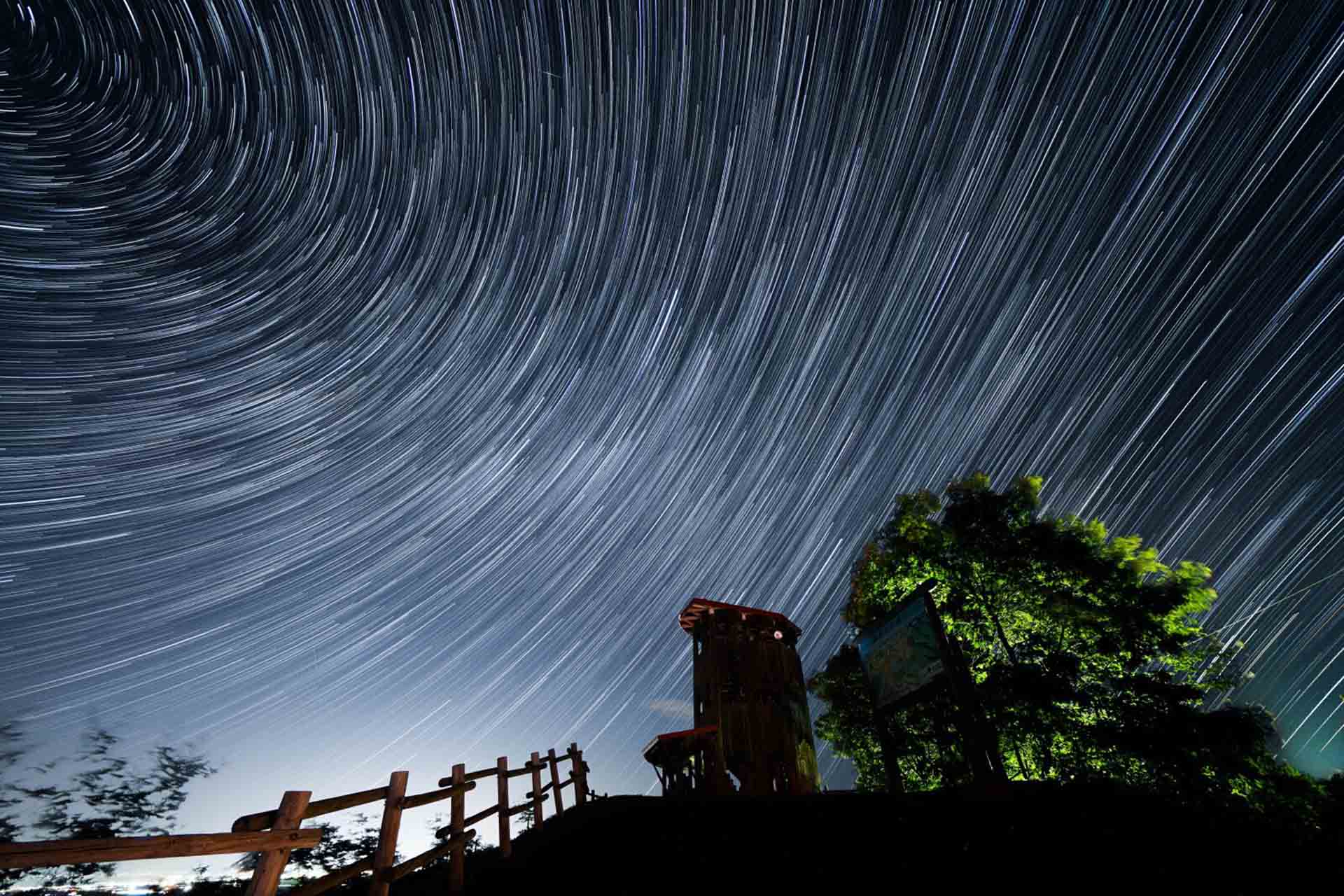
The Sony FE 12-24mm f/2.8 GM is an excellent option for photographers who want to capture expansive Milky Way scenes, star fields, and night landscapes. The 12mm focal length includes a large portion of the sky and surrounding foreground, while the f/2.8 aperture helps gather light without requiring extremely long exposures.
Its advanced optical design is intended to control aberrations that can affect stars near the frame edges. Photographers should still test corner performance at their preferred aperture and focal length, as results depend on focus accuracy, exposure, and individual shooting conditions.
Landscape Photographers
Landscape photographers who enjoy dramatic compositions can use the 12mm setting to emphasize foreground details such as rocks, flowers, textured ice, or waves while including expansive backgrounds. The ability to zoom to 24mm also makes the lens useful when a less extreme perspective better suits the scene.
Because ultra-wide lenses exaggerate the apparent size of nearby objects, careful positioning and composition are important. Photographers who prefer distant mountain details or tighter landscapes may find a longer zoom more useful as their primary lens.
Real Estate and Architectural Photographers
The exceptionally wide field of view is useful for photographing small rooms, narrow hallways, kitchens, bathrooms, and architectural interiors where moving farther away is not possible. The rectilinear design helps preserve straight lines when the camera is aligned carefully, making it valuable for professional property photography.
However, photographers should avoid tilting the camera excessively when straight vertical lines are important. Perspective correction and careful camera placement may still be necessary during editing, and the widest setting can make rooms appear more spacious than they actually are.
Commercial and Interior Photographers
Commercial photographers working with hotels, restaurants, offices, and retail spaces can benefit from the wide field of view and strong optical performance. The constant f/2.8 aperture is useful when lighting conditions vary, while the zoom range allows adjustments to framing without changing lenses.
Action Sports and Music Video Filmmakers
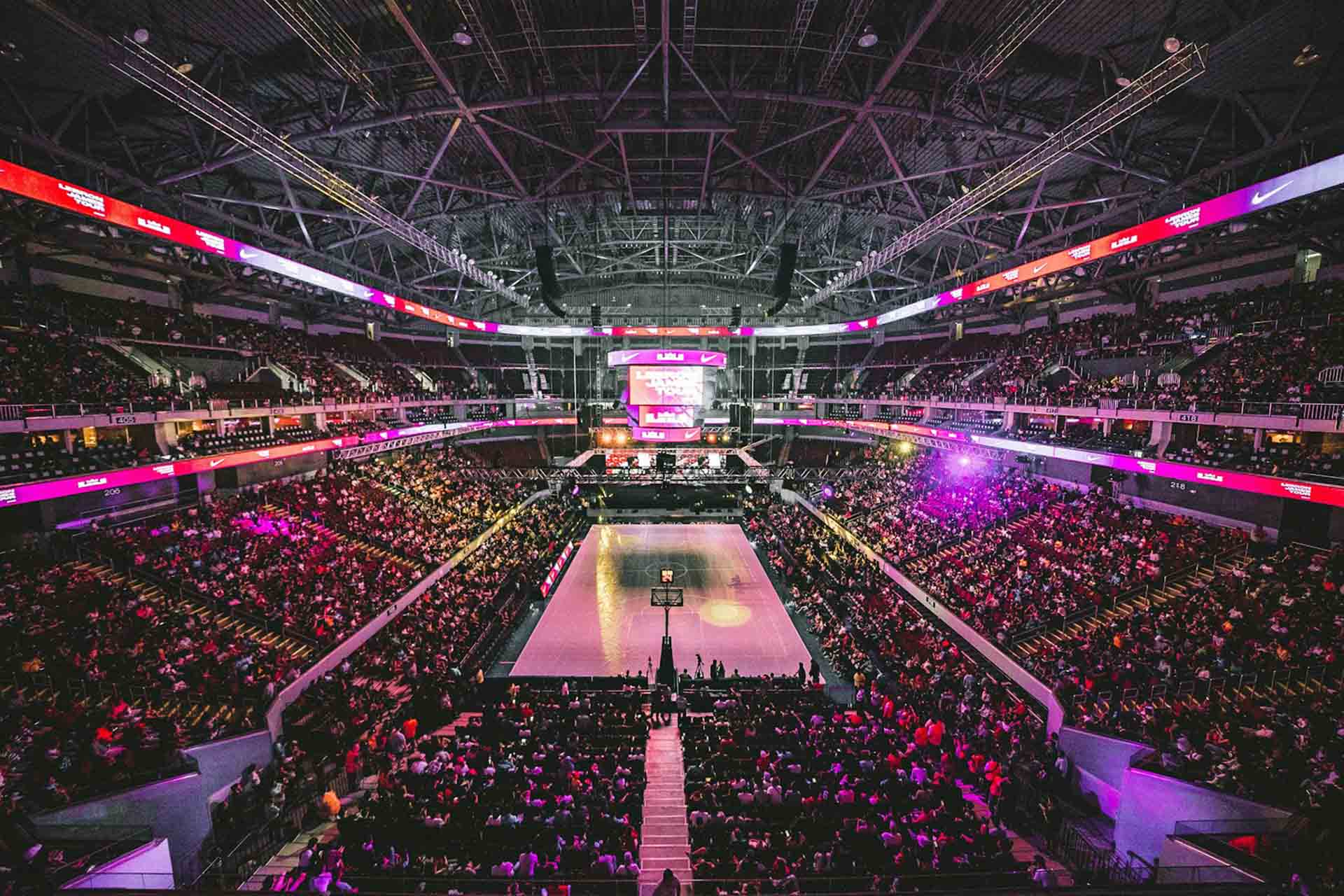
The lens is well suited to immersive video that places the viewer close to the action. Skateboarding, performance footage, behind-the-scenes videos, and dramatic low-angle shots can benefit from its extremely wide perspective. Quiet autofocus and internal zoom are useful for video workflows, particularly when the camera is mounted on a compatible stabilizer.
Filmmakers should remember that the wide field of view can exaggerate subject movement and perspective when the camera is very close to people or objects. This can be a creative advantage when used intentionally, but it may be less suitable for natural-looking portraits.
Who Should Consider Alternatives?
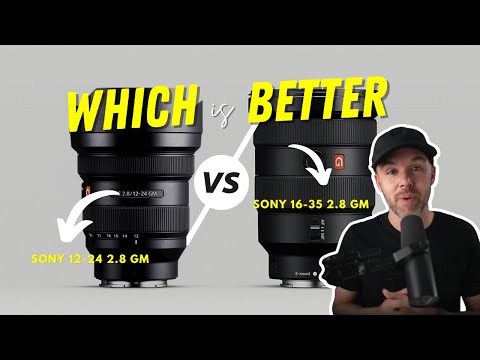
Photographers who rely heavily on standard front-mounted circular ND or polarizing filters may prefer a lens with a conventional filter thread or a more convenient filter-holder ecosystem. The Sony FE 16-35mm f/2.8 GM offers a more traditional wide-angle zoom range and is generally easier to integrate with compatible front-filter systems.
Photographers who rarely need a 12mm perspective may also find a 16-35mm lens more practical as an everyday wide-angle option. The 12-24mm f/2.8 GM makes the most sense when its exceptionally wide field of view is a frequent requirement rather than an occasional creative effect.
Buying Recommendation
The Sony FE 12-24mm f/2.8 GM is worth considering for professionals and serious enthusiasts who regularly need an ultra-wide perspective and a fast maximum aperture. Astrophotographers, architectural specialists, commercial interior photographers, and filmmakers are among the users most likely to benefit from its distinctive combination of focal length, optical performance, and constant f/2.8 aperture.
Before purchasing, think carefully about your filter requirements. The bulbous front element prevents the use of ordinary screw-on front filters, so photographers who frequently shoot long exposures or video in bright daylight should investigate compatible rear filters or a suitable third-party filter-holder system. Include the cost and size of any required accessories in your budget.
It is also worth comparing the lens with the Sony FE 16-35mm f/2.8 GM. The 16-35mm option provides a more flexible everyday range for many photographers and is generally more convenient for conventional front filters. However, it cannot match the 12-24mm GM's 12mm perspective, which can be essential for extremely confined interiors and dramatic ultra-wide compositions.
Finally, compare current prices from authorized retailers and consider how often you will use the lens's most specialized capabilities. Its premium price is easier to justify if the 12mm focal length and f/2.8 aperture directly support your professional work or creative goals.
Final Verdict
The Sony FE 12-24mm f/2.8 GM is an exceptional ultra-wide-angle zoom for photographers and filmmakers who need an expansive field of view without sacrificing a bright maximum aperture. Its advanced optical design, four XD Linear Motors, internal zoom construction, and flare-control coatings make it a compelling choice for demanding landscape, astrophotography, architecture, real estate, and video applications.
Its biggest drawbacks are the premium price and the limitations of its bulbous front element, which makes traditional front-filter use impractical. The ultra-wide perspective also requires thoughtful composition, especially when photographing people or architectural interiors. For users who rarely need a 12mm focal length, a more conventional wide-angle zoom may offer better everyday value.
Overall, the Sony FE 12-24mm f/2.8 GM is a top-tier choice for creators who need professional ultra-wide performance and a constant f/2.8 aperture. If its extreme field of view matches your work and you can accommodate its filter requirements and cost, it is a powerful addition to a Sony full-frame E-mount system.
Video Reviews


Video Comparisons

Sample Images