Overview
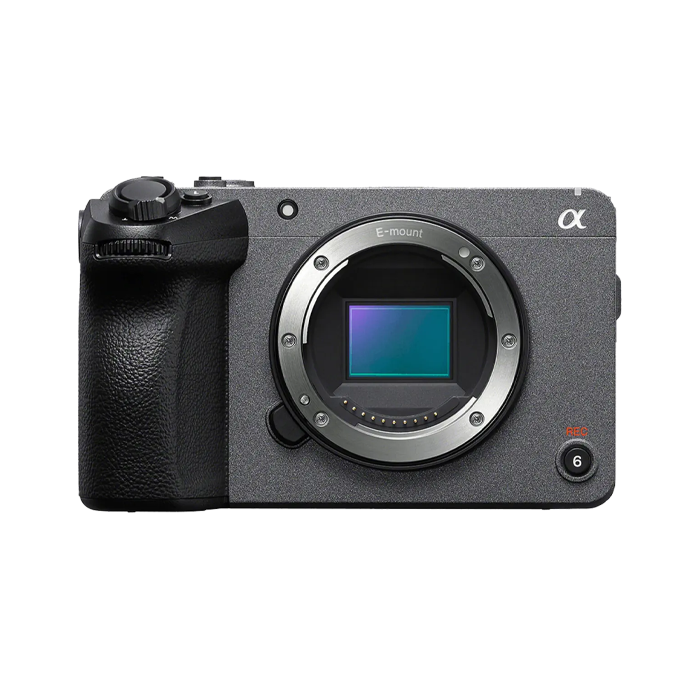
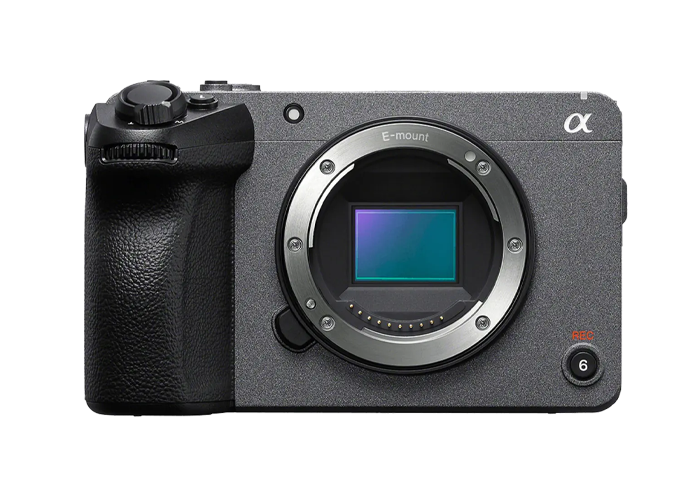
The Sony FX30 (ILME-FX30) is a cinema-focused Super 35 (APS-C) mirrorless camera designed for independent filmmakers, commercial videographers, documentary producers, and professional content creators. As part of Sony's Cinema Line, it combines a 26.1-megapixel back-illuminated CMOS sensor with a BIONZ XR image processor to deliver detailed 4K footage and professional filmmaking tools in a compact camera body.
Unlike hybrid cameras designed equally for still photography and video, the FX30 prioritizes motion-picture production. It does not include an electronic viewfinder or a mechanical shutter, but it offers professional recording formats, S-Log3, S-Cinetone, Cine EI shooting modes, custom LUT support, and advanced exposure tools. Its Super 35 sensor provides a familiar format for filmmakers who work with cinema lenses and traditional motion-picture framing.
The FX30 records internal 10-bit 4:2:2 video and supports high-frame-rate recording for slow-motion footage. Its built-in cooling fan helps manage heat during extended recording sessions, while multiple threaded mounting points simplify accessory installation. With dual memory card slots and compatibility with Sony E-mount lenses, the FX30 is a flexible foundation for compact cinema rigs, interviews, commercial productions, and multi-camera shoots.
Key Specifications and Features
26.1MP Super 35 Sensor: The back-illuminated APS-C CMOS sensor delivers detailed footage and supports high-quality 4K production. Its Super 35 format is well suited to a broad range of cinema-style shooting applications.
BIONZ XR Image Processor: The processing engine supports advanced video recording, responsive operation, and Sony's professional Cinema Line image-processing features.
Dual Base ISO: The camera offers base ISO settings of 800 and 2500 in Cine EI mode, helping filmmakers balance exposure and noise performance across different lighting conditions. Results depend on the selected recording mode and exposure settings.
4K 60p Recording: Records detailed 4K video at up to 60 frames per second, with high-quality oversampled footage available in supported recording modes. Recording format, sensor readout, and crop behavior depend on the selected frame rate and settings.
4K 120p Slow Motion: Supports high-frame-rate 4K recording at up to 120p in compatible modes, with a substantial crop of approximately 1.6x relative to the normal Super 35 field of view. This enables smooth slow-motion sequences.
Internal 10-Bit 4:2:2 Recording: Provides greater color information and grading flexibility than standard 8-bit recording, making it suitable for professional editing and color correction.
S-Log3 and S-Cinetone: S-Log3 provides a flexible image for advanced color grading, while S-Cinetone delivers attractive skin tones and a cinematic look with less extensive post-production.
Custom LUT Support: Compatible user LUTs can be imported for monitoring a more finished image while recording in a log profile. This helps filmmakers preview their intended color treatment on set.
Cine EI and Anamorphic Support: Cinema-oriented exposure tools support controlled production workflows, while anamorphic monitoring features assist filmmakers using compatible anamorphic lenses.
Internal Active Cooling: A built-in fan and heat-dissipating design help maintain recording reliability during extended shoots. Actual recording duration depends on temperature, power, recording settings, and other operating conditions.
Cinema-Style Body Design: Multiple 1/4-20-inch threaded mounting points allow accessories such as monitors, microphones, and wireless transmitters to be attached directly to the camera body without necessarily requiring a separate cage.
Dual Memory Card Slots: Both slots support SD cards, including UHS-II cards, while compatible CFexpress Type A cards provide additional media options. Supported recording modes depend on the card type and speed.
Professional Audio Options: The camera includes built-in audio connections, with expanded professional XLR audio capabilities available when paired with the optional XLR handle unit.
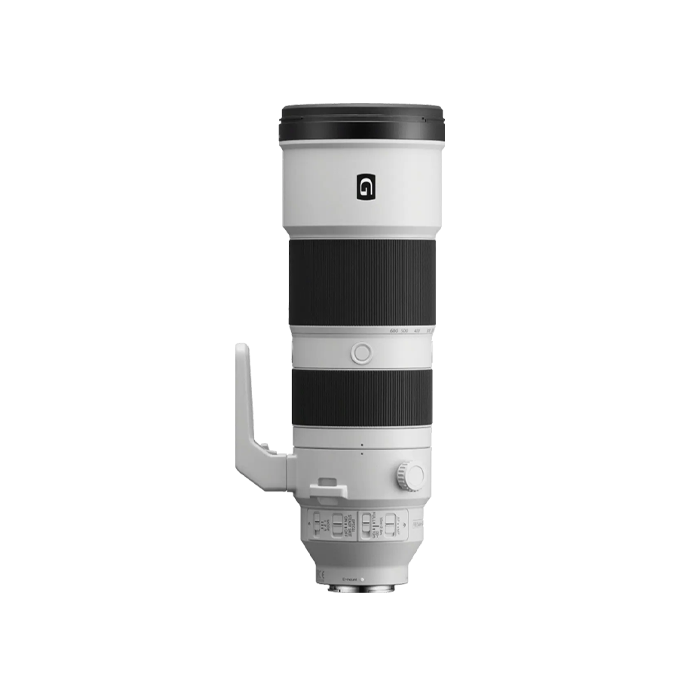
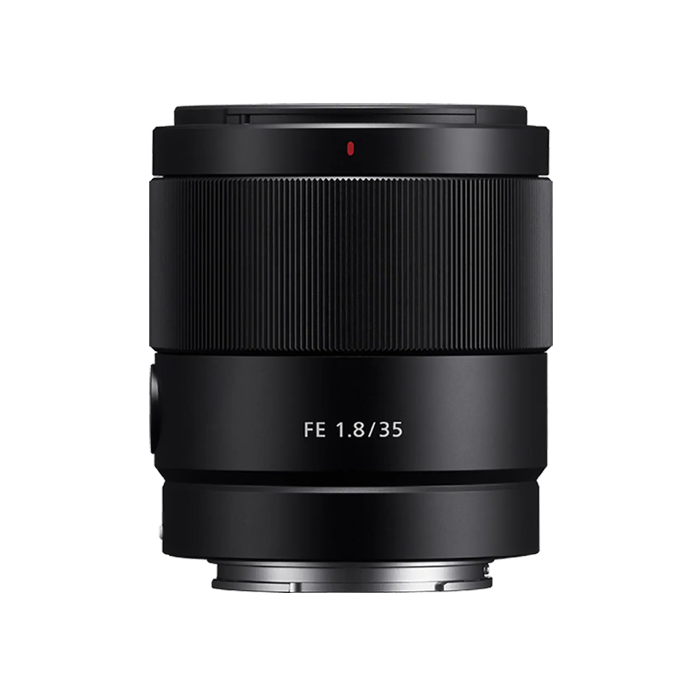
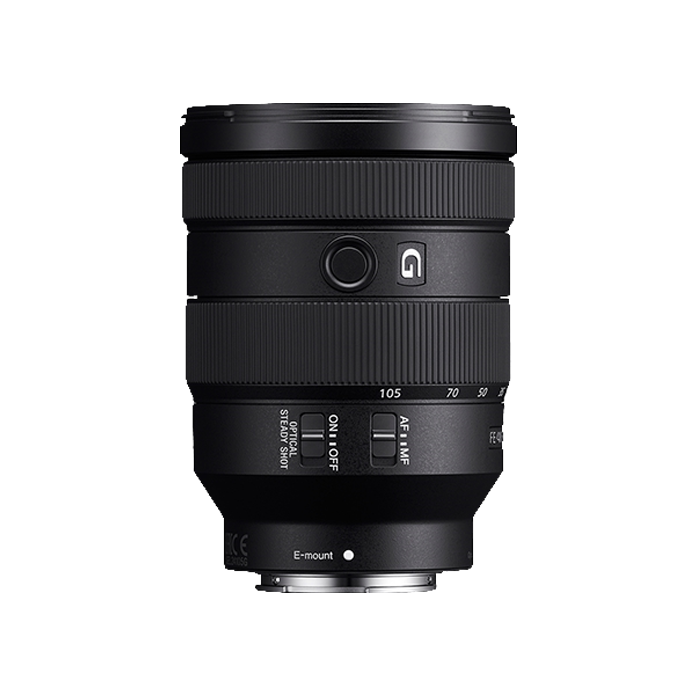
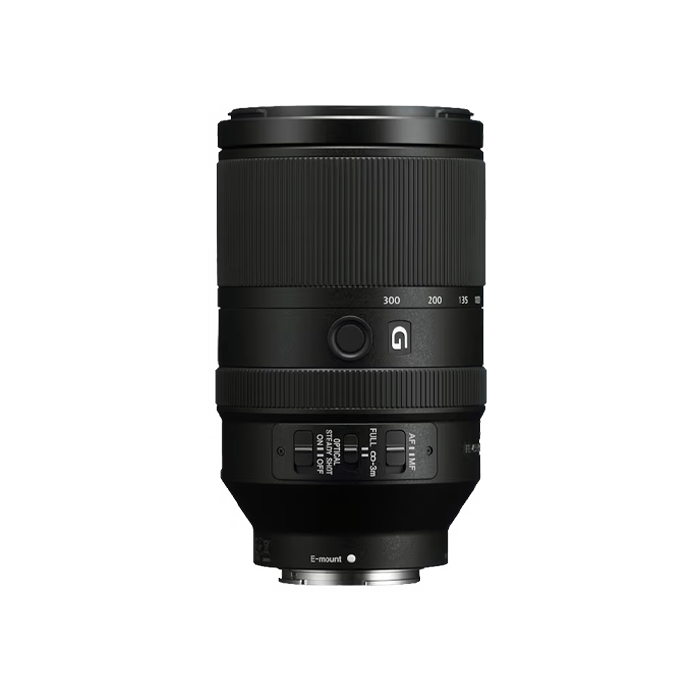
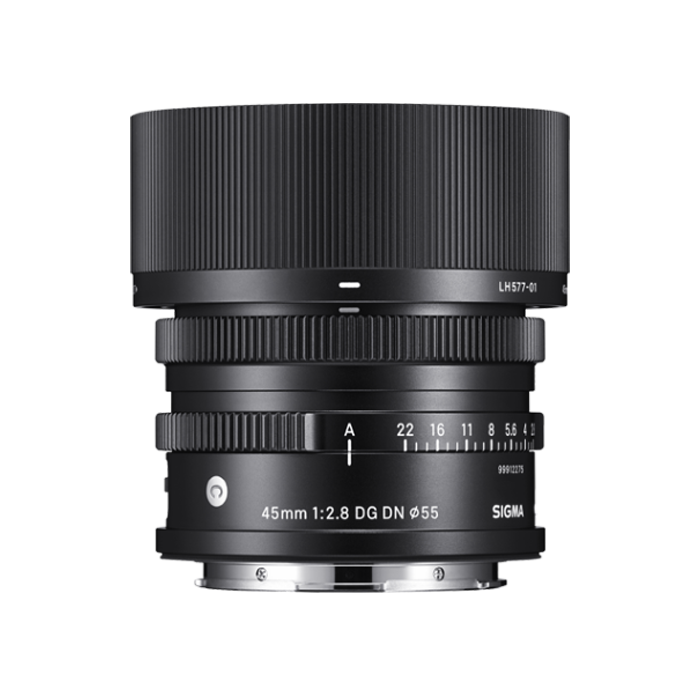
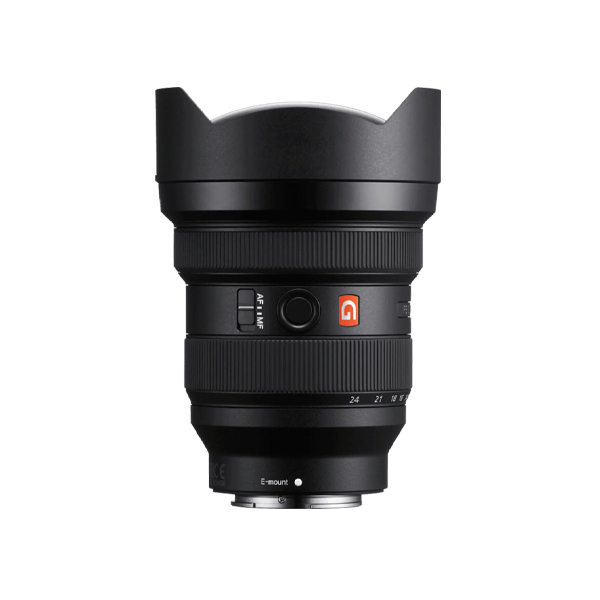
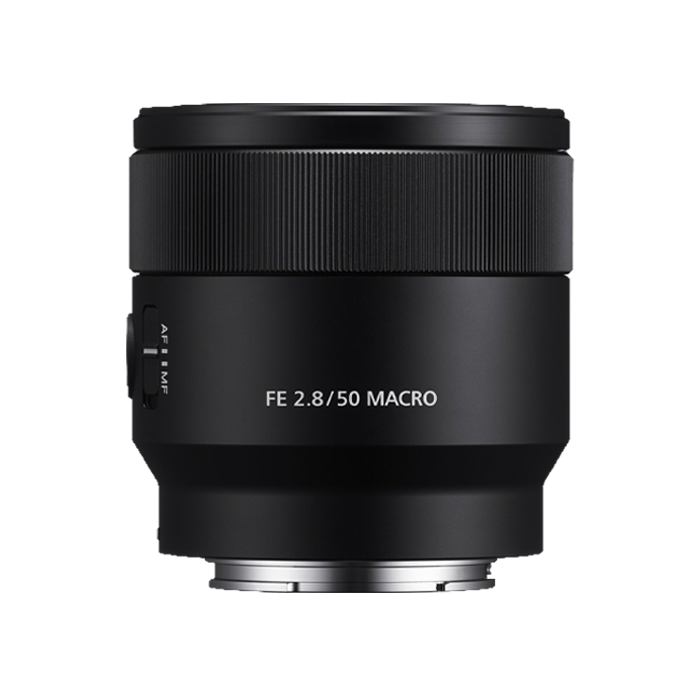
Sony E-Mount Lens Compatibility: Supports Sony and compatible third-party E-mount lenses, including cinema lenses, fast primes, and zoom lenses suited to filmmaking.
Key Specifications
Specification | Details |
|---|---|
Camera Model | Sony FX30 (ILME-FX30) |
Camera Type | Cinema Line Super 35 mirrorless camera |
Sensor | 26.1MP back-illuminated APS-C CMOS |
Image Processor | BIONZ XR |
Lens Mount | Sony E-mount |
Base ISO in Cine EI Mode | 800 and 2500 |
Maximum Standard 4K Frame Rate | Up to 60p |
Maximum High-Frame-Rate 4K | Up to 120p with approximately 1.6x crop |
Internal Recording | Up to 10-bit 4:2:2, depending on recording mode |
Color Profiles | S-Log3, S-Cinetone, and other picture profiles |
Custom LUT Support | Supports importing compatible user LUTs |
Cooling System | Built-in active cooling fan |
Electronic Viewfinder | None |
Mechanical Shutter | None |
LCD Screen | 3.0-inch vari-angle touchscreen, approximately 1.04 million dots |
Memory Card Slots | Two slots supporting SD UHS-I/UHS-II and CFexpress Type A, subject to slot and recording-mode compatibility |
Audio Expansion | Optional XLR handle unit for professional audio connections |
Body Mounting Points | Multiple built-in 1/4-20-inch threaded holes |
Body Weight | Approximately 646g with battery and memory card |
Pros and Cons
Pros | Cons |
|---|---|
Professional Cinema Line recording tools and workflows | No electronic viewfinder for eye-level shooting |
Detailed 4K recording with internal 10-bit 4:2:2 options | 4K 120p recording introduces a significant crop |
S-Log3, S-Cinetone, Cine EI, and custom LUT support | Log footage generally requires more careful exposure and post-production |
Built-in cooling fan helps with extended recording | Cooling fan can introduce noise in some recording environments |
Compact body with built-in accessory mounting points | Professional rigs may still require a cage, rods, or additional mounting hardware |
Super 35 sensor format suits many cinema applications | Smaller sensor than full-frame cinema cameras, with different low-light and depth-of-field characteristics |
Dual memory card slots and professional recording options | Fast cards and large-capacity storage can increase production costs |
Compatible with a wide range of Sony E-mount lenses | Specialized cinema lenses and accessories can be expensive |
Optional XLR handle expands professional audio capabilities | The XLR handle is an additional purchase when required |
Designed for video production rather than general photography | Less convenient for photographers who need a dedicated viewfinder and traditional still-camera controls |
Who Should Buy This Camera?
Independent Filmmakers and Student Directors
The FX30 is a strong option for filmmakers developing professional production skills without investing in a more expensive cinema-camera system. Cine EI, S-Log3, custom LUT monitoring, and high-quality internal recording support controlled workflows for short films, music videos, narrative projects, and independent productions. Its compact body also works well on gimbals and other lightweight rigs.
Commercial and Corporate Videographers
Videographers producing interviews, advertisements, corporate presentations, and event coverage can benefit from the FX30's recording flexibility and active cooling system. Its fan helps manage heat during long takes, while the mounting points simplify the installation of monitors, wireless transmitters, and other accessories. However, recording duration is not guaranteed to be unlimited under every operating condition.
Solo Video Producers and YouTubers
Creators who want greater control over image quality and color grading may appreciate the FX30's 10-bit recording, log profiles, and cinema-oriented controls. The optional XLR handle is particularly useful for interviews, documentaries, and productions requiring professional microphones. For simple videos that need minimal editing, a less specialized creator camera may be more convenient.
Documentary Filmmakers
The FX30's compact design, flexible recording formats, and interchangeable lenses make it useful for documentary work in which portability and recording reliability matter. Its Super 35 sensor provides a familiar cinematic perspective, and the built-in fan helps when filming extended interviews or observational footage.
Multi-Camera Production Teams
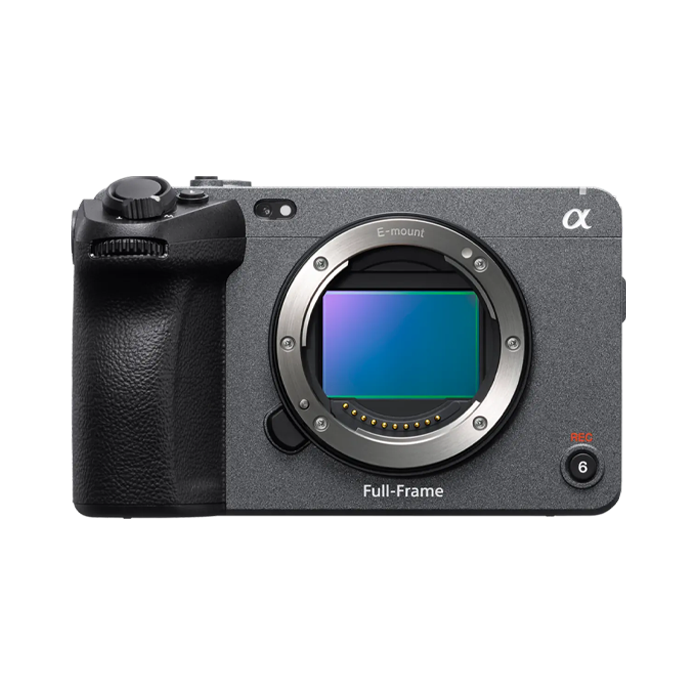
Production teams using cameras such as the Sony FX3 or FX6 can consider the FX30 as a B-camera or a compact secondary angle. Shared color profiles and Sony Cinema Line workflows can simplify matching footage, although exposure, white balance, lens characteristics, and picture-profile settings still need to be coordinated during production.
Buying Recommendation
The Sony FX30 is worth considering if video production is your primary goal and you want cinema-oriented controls, advanced recording formats, and a compact body that can grow with your production needs. It is especially attractive for independent filmmaking, interviews, commercial work, and productions that benefit from 10-bit footage and flexible color grading.
Before purchasing, budget for the complete filmmaking setup rather than the camera body alone. Depending on your work, you may need cinema lenses, high-speed memory cards, spare batteries, an external monitor, a tripod or gimbal, lighting, microphones, and sufficient storage for large video files.
If you record interviews or dialogue regularly, consider whether the optional XLR handle is worthwhile for your audio workflow. If you record at 4K 120p, check the crop and field-of-view implications before selecting your lenses. The crop may be useful for gaining tighter framing, but it can also make wide-angle shots more difficult.
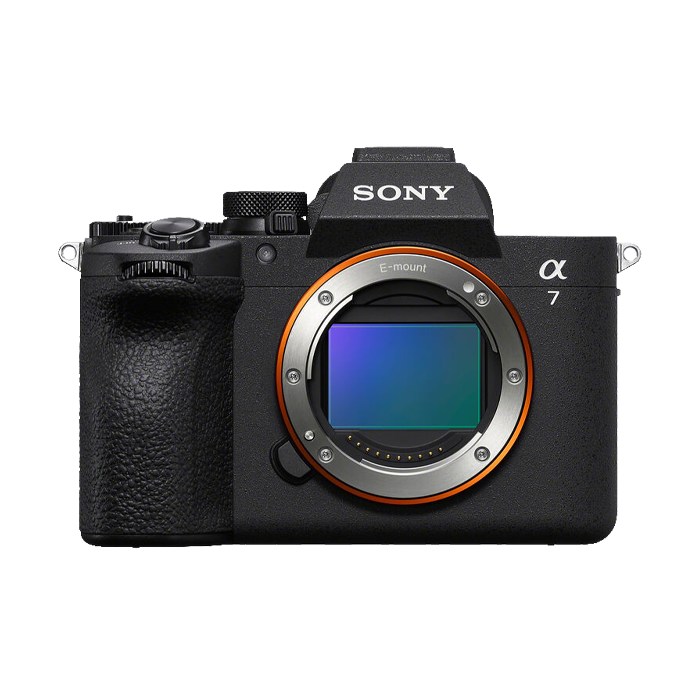
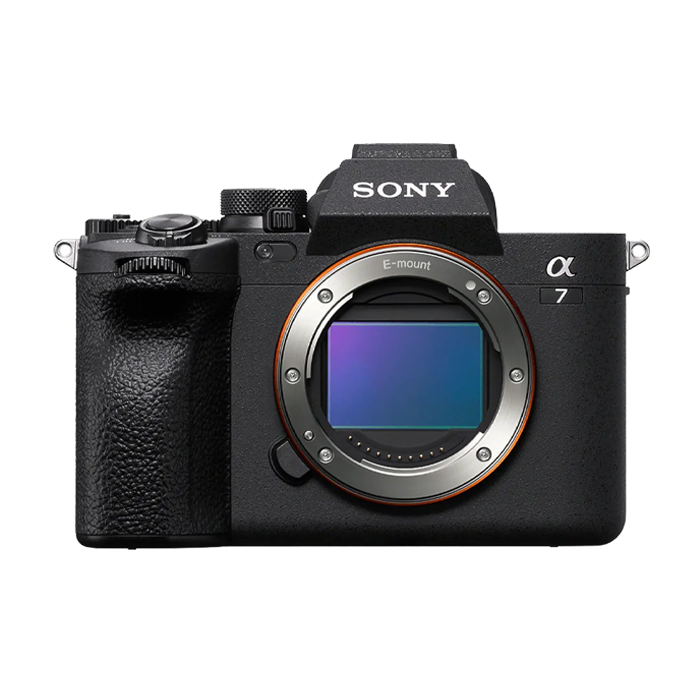
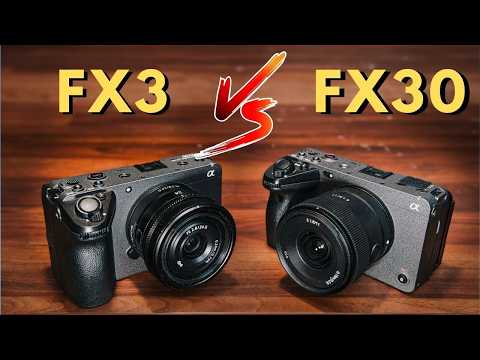
Compare the FX30 with the Sony FX3 if low-light performance and full-frame shooting are priorities. If you need a camera that handles both still photography and video, consider a hybrid model such as the Sony α7 IV instead. The FX30 is most compelling when its cinema-specific tools directly support the way you work.
Final Verdict
The Sony FX30 is a cinema-focused Super 35 camera that brings professional filmmaking features into a relatively compact and accessible package. Its 10-bit 4:2:2 recording options, S-Log3, S-Cinetone, Cine EI workflow, custom LUT support, active cooling, and accessory-friendly body make it a capable tool for independent films, commercial productions, interviews, and online video.
Its main trade-offs are the lack of an electronic viewfinder, the absence of a mechanical shutter, the crop at 4K 120p, and the additional costs associated with professional lenses, media, audio equipment, and rigging. These compromises are easier to accept when video is the primary purpose of the camera.
For filmmakers who want a dedicated cinema camera with room to develop more advanced production techniques, the Sony FX30 offers a flexible foundation. For photographers or hybrid creators who regularly capture still images and prefer a traditional camera experience, a hybrid mirrorless model may be more appropriate.
Video Reviews

Video Comparisons
Sample Images