Overview
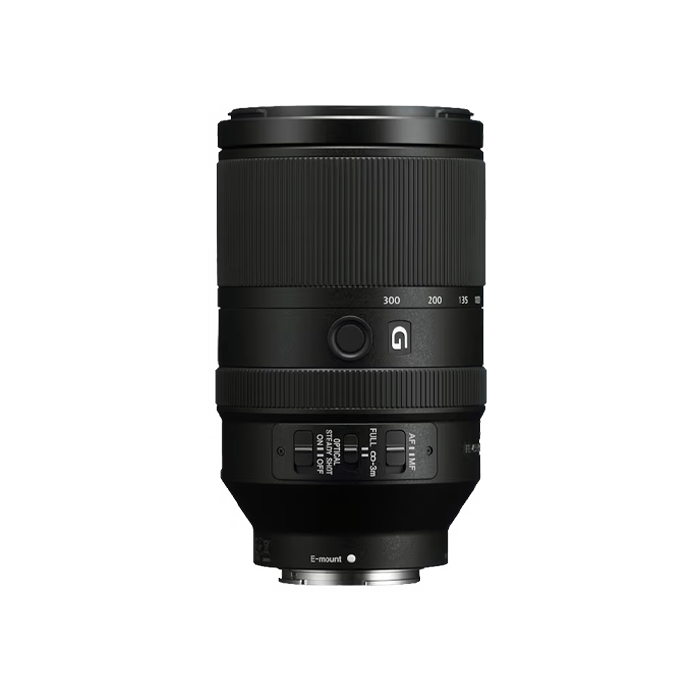
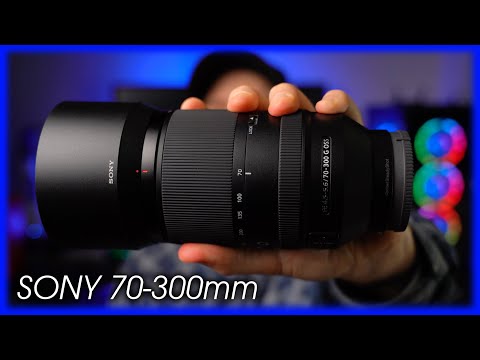
The Sony FE 70-300mm f/4.5-5.6 G OSS (SEL70300G) is a versatile telephoto zoom lens designed for Sony E-mount mirrorless cameras. Offering a useful 70-300mm focal-length range, optical image stabilization, and a relatively portable design, it is well suited to travel photography, landscapes, wildlife, outdoor sports, and everyday telephoto shooting.
On full-frame Sony cameras, the lens provides a flexible range from short telephoto to long telephoto. At 70mm, it works well for portraits, compressed landscapes, and environmental details. At 300mm, it can bring distant subjects closer, making it useful for photographing birds, animals, outdoor events, and subjects that are difficult to approach physically.
The lens weighs approximately 854 g (1.88 lbs) and incorporates four aspherical elements and two ED (Extra-low Dispersion) elements to help control optical aberrations. Sony's Optical SteadyShot (OSS) system helps reduce camera shake, while a linear actuator autofocus motor provides quiet and responsive focusing. Its maximum magnification of approximately 0.31x also makes it useful for close-up photography, although it is not a true 1:1 macro lens.
Although its variable f/4.5-5.6 aperture limits its low-light performance compared with faster professional telephoto lenses, the Sony FE 70-300mm f/4.5-5.6 G OSS offers a practical combination of reach, portability, and versatility. It is particularly appealing to photographers who want more telephoto reach without carrying a much larger lens.
Key Specifications and Features
Versatile 70-300mm Zoom Range
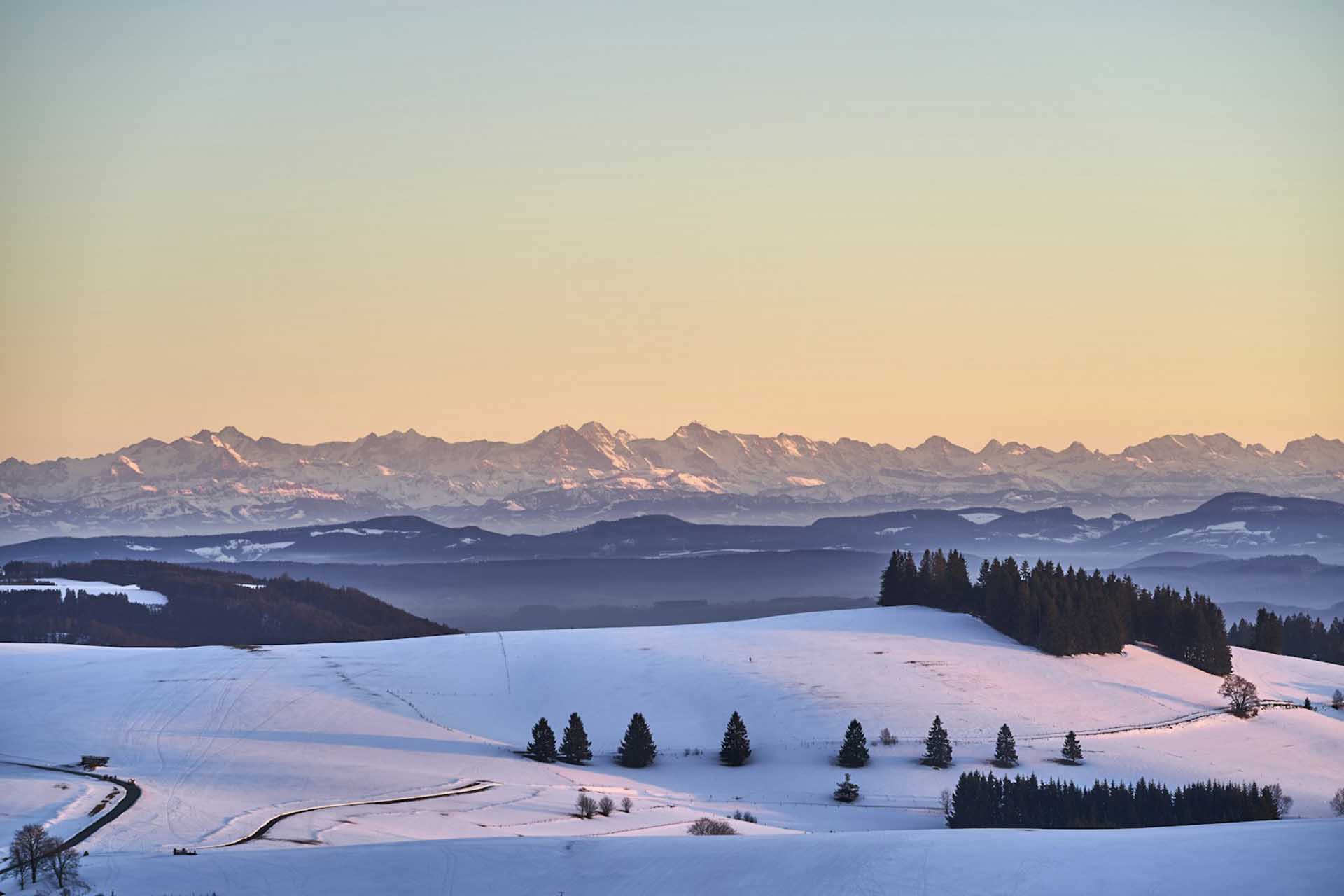
The 70-300mm focal-length range makes this lens useful for a wide variety of photographic situations. At 70mm, it can capture portraits, travel details, and moderately wide compositions. At 300mm, it provides greater reach for wildlife, birds, outdoor sports, and distant landscapes.
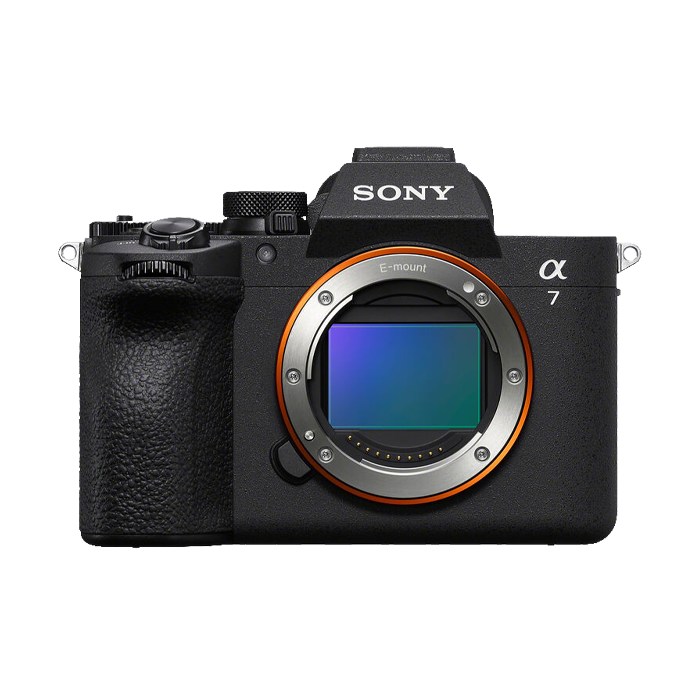
When mounted on an APS-C Sony camera, the lens provides a field of view equivalent to approximately 105-450mm on a full-frame camera. This additional reach can be particularly useful for wildlife photographers using cameras such as the Sony a6700, although the actual focal length remains 70-300mm.
Optical SteadyShot Image Stabilization
Sony's built-in Optical SteadyShot (OSS) system helps compensate for camera shake when shooting at long focal lengths. This can improve the likelihood of obtaining sharp images when photographing stationary subjects handheld, especially at slower shutter speeds.
Stabilization does not freeze moving subjects, so photographers photographing birds in flight, running animals, or sports action will still need appropriately fast shutter speeds. When using a camera body with in-body image stabilization, consult Sony's guidance for how lens and body stabilization work together.
Advanced Optical Construction
The optical design incorporates four aspherical elements and two ED elements to help reduce aberrations and improve image quality throughout the zoom range. These elements help control distortion, color fringing, and other optical imperfections, supporting detailed images of wildlife, landscapes, and distant subjects.
For the best results at 300mm, use an appropriate shutter speed, accurate focus, and a stable shooting technique. Atmospheric haze can also reduce detail when photographing subjects at long distances, even when the lens itself is performing well.
Linear Actuator Autofocus
The lens uses a linear actuator autofocus motor designed to provide quiet, smooth, and responsive focusing. It is suitable for general photography, travel, and many outdoor wildlife and sports situations. When paired with a compatible Sony camera, it can also take advantage of the camera's subject-recognition and Eye AF capabilities.
Autofocus performance depends on the camera body, subject movement, lighting, and selected settings. While the lens can handle many moving subjects in good light, it is not equivalent to Sony's fastest professional telephoto lenses for demanding action photography.
Close-Focusing Capability
With a minimum focusing distance of approximately 0.9 m (2.95 ft) and a maximum magnification of about 0.31x, the lens can capture detailed close-ups of flowers, insects, food, and small objects. This magnification is greater than that of many general-purpose telephoto zoom lenses, making the lens useful for photographers who want both long reach and close-up versatility.
However, its 0.31x maximum magnification does not qualify as true 1:1 macro photography. Photographers who need life-size reproduction for very small subjects should consider a dedicated macro lens.
Practical Physical Controls
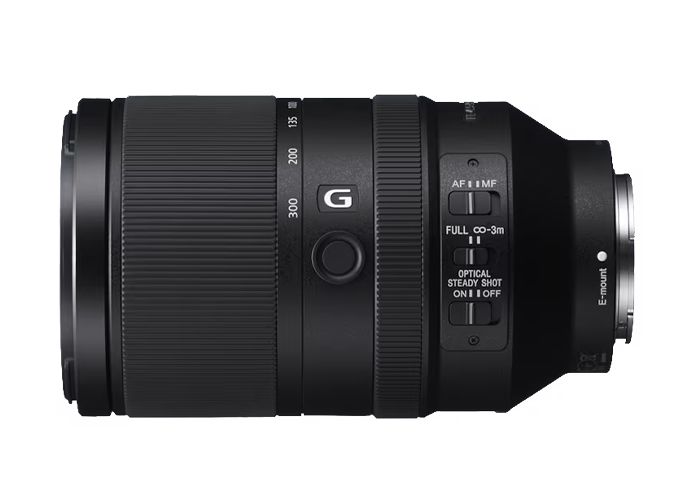
The lens includes several useful controls on the barrel, including an AF/MF switch, a focus-range limiter, an OSS on/off switch, a zoom-lock switch, and a customizable focus-hold button. These features allow photographers to adjust operation quickly without navigating camera menus.
The zoom-lock switch helps prevent unwanted barrel extension during transport. The focus-range limiter can also reduce unnecessary autofocus searching when photographing subjects within a known distance range.
Portable and Weather-Resistant Design
At approximately 854 g (1.88 lbs), the lens is relatively manageable for a full-frame 70-300mm zoom. Its dust- and moisture-resistant design provides additional protection for outdoor photography, although it should not be considered waterproof. Care is still necessary when shooting in heavy rain, dusty conditions, or near water.
72mm Filter Thread
The conventional 72mm front filter thread supports compatible screw-on filters, including circular polarizers and neutral-density filters. This makes the lens convenient for landscape photographers and video creators who regularly use filters, without requiring a specialized rear-filter system.
Key Specifications
Specification | Details |
|---|---|
Lens Name | Sony FE 70-300mm f/4.5-5.6 G OSS (SEL70300G) |
Lens Mount | Sony E-mount |
Format Compatibility | Full-frame and APS-C |
Focal Length | 70-300mm |
APS-C Equivalent Field of View | Approximately 105-450mm full-frame equivalent |
Maximum Aperture | f/4.5-5.6 |
Minimum Aperture | f/22-29 |
Optical Construction | 16 elements in 13 groups |
Specialized Elements | 4 aspherical elements and 2 ED elements |
Autofocus System | Linear actuator motor |
Image Stabilization | Optical SteadyShot (OSS) |
Minimum Focus Distance | Approximately 0.9 m (2.95 ft) |
Maximum Magnification | Approximately 0.31x |
Filter Size | 72mm |
Weight | Approximately 854 g (1.88 lbs) |
Dimensions | Approximately 84 x 143.5 mm (3.3 x 5.6 inches) |
Physical Controls | AF/MF switch, focus-range limiter, OSS switch, zoom lock, focus-hold button |
Construction | Dust- and moisture-resistant design |
Pros and Cons
Pros | Cons |
|---|---|
Versatile 70-300mm focal-length range | Variable f/4.5-5.6 aperture limits low-light performance |
Optical SteadyShot helps reduce camera shake | No optical stabilization can freeze subject movement |
Relatively portable for a full-frame telephoto zoom | Not as lightweight as smaller telephoto zooms |
Useful 0.31x close-up magnification | Does not provide true 1:1 macro reproduction |
Quiet autofocus suitable for many everyday subjects | Less specialized for demanding professional action tracking |
Useful physical switches and focus-range limiter | Maximum aperture becomes narrower as the lens is zoomed |
Compatible with full-frame and APS-C Sony cameras | 300mm may not provide enough reach for very distant or small wildlife |
Conventional 72mm filter thread | Dust- and moisture-resistant construction does not guarantee waterproofing |
Who Should Buy This Lens?
Outdoor and Travel Photographers
The Sony FE 70-300mm f/4.5-5.6 G OSS is a practical option for travel photographers who want a flexible telephoto range without carrying a large professional zoom. It can capture distant architectural details, mountain scenery, portraits, and outdoor activities while remaining manageable in a camera backpack.
The ability to move from 70mm to 300mm makes it useful when changing lenses is inconvenient. Its OSS stabilization can also help when photographing stationary subjects handheld in changing travel conditions.
Wildlife and Bird Photographers
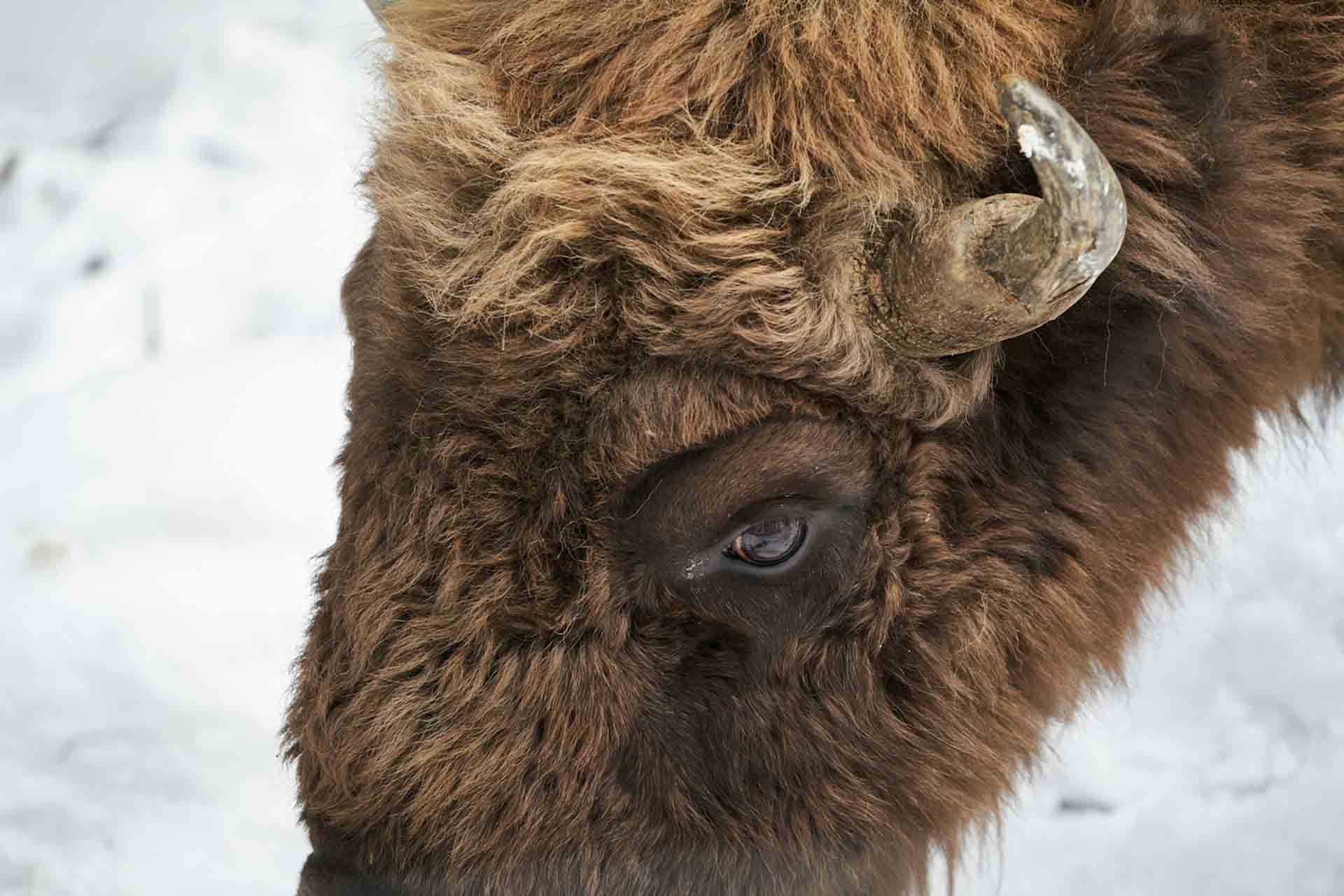
The 300mm maximum focal length is useful for backyard birds, larger wildlife, zoo animals, and subjects that can be approached relatively closely. On an APS-C camera, its approximately 450mm-equivalent field of view provides tighter framing that can be advantageous for wildlife photography.
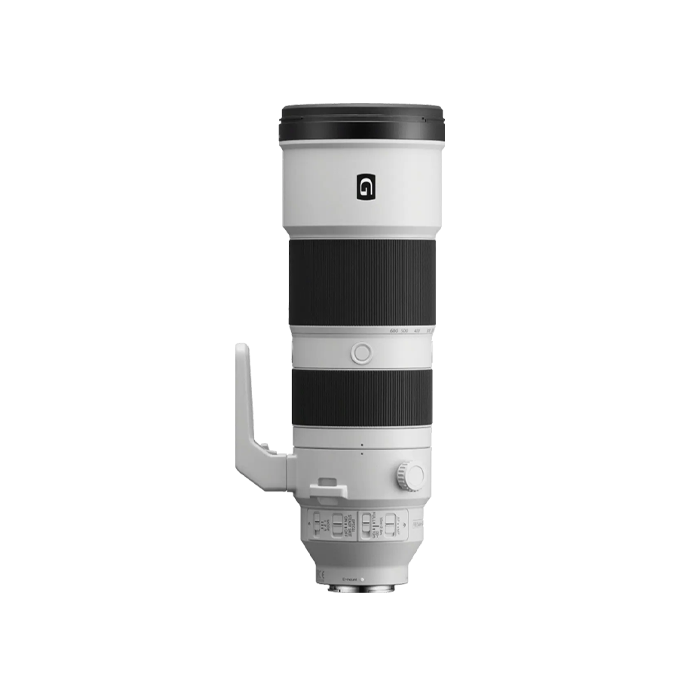
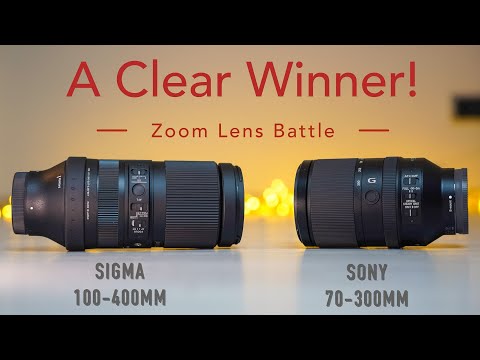
However, small birds and distant wildlife often require longer focal lengths, particularly when cropping needs to be minimized. Photographers who frequently photograph birds in flight or distant subjects may prefer a lens such as the Sony FE 200-600mm f/5.6-6.3 G OSS, which offers greater reach.
Daytime Sports and Action Photographers
The lens is suitable for many outdoor sports, including soccer, golf, track and field, and recreational sporting events. Its telephoto reach helps isolate athletes, while autofocus and OSS provide useful support for capturing action.
Its variable aperture is less suitable for indoor sports or night games under poor lighting. In those situations, a faster lens can help maintain the shutter speeds needed to freeze movement without raising ISO excessively.
Close-Up and Nature Photographers
The lens's relatively high 0.31x magnification makes it useful for flowers, butterflies, insects, and other small subjects. The longer working distance at telephoto focal lengths can be helpful when photographing insects that might move away if approached too closely.
Although it cannot replace a true macro lens for life-size reproduction, it offers a useful compromise for photographers who want close-up capability without carrying another lens.
Enthusiast Photographers Seeking One Telephoto Zoom
Photographers who want a single telephoto zoom for travel, family activities, outdoor events, and occasional wildlife photography may appreciate the balance of reach, stabilization, and portability. It is particularly attractive for users who do not need the brightness, specialized autofocus performance, or extreme focal lengths of expensive professional telephoto lenses.
Who Should Consider Alternatives?
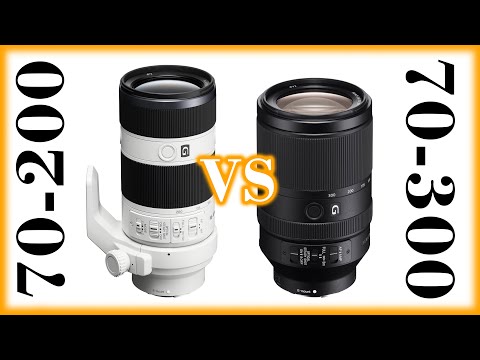
Photographers who regularly shoot indoor sports, fast action in low light, or distant wildlife should consider lenses with a wider maximum aperture or longer reach. The Sony FE 70-200mm f/2.8 GM OSS offers a brighter aperture for demanding sports and event work, while the Sony FE 200-600mm f/5.6-6.3 G OSS is better suited to many bird and wildlife applications where additional reach is essential.
Photographers who primarily shoot portraits or everyday scenes may also prefer a smaller, lighter standard or short-telephoto lens if they rarely use focal lengths beyond 200mm.
Buying Recommendation
The Sony FE 70-300mm f/4.5-5.6 G OSS is worth considering if you need a versatile telephoto zoom that balances reach, stabilization, close-up capability, and portability. It is particularly well suited to travel, daylight wildlife, outdoor sports, and general enthusiast photography.
Before buying, consider whether 300mm will provide enough reach for your subjects. For nearby wildlife, larger animals, travel details, and outdoor events, it can be sufficient. For small birds at a distance, a longer telephoto lens may be a better long-term investment.
Think about your lighting conditions as well. The f/4.5-5.6 aperture works well in daylight but can become limiting at dusk, indoors, or when fast shutter speeds are essential. OSS helps reduce camera shake, but it cannot compensate for subject movement.
If you use an APS-C Sony camera, the tighter field of view equivalent to approximately 105-450mm can make this lens more appealing for wildlife and sports. Compare it with longer zooms such as the Sony FE 200-600mm f/5.6-6.3 G OSS if reach is your highest priority. Check current prices and availability from authorized retailers before making a final decision.
Final Verdict
The Sony FE 70-300mm f/4.5-5.6 G OSS is a versatile telephoto zoom that offers a useful combination of long reach, optical stabilization, close-up capability, and a relatively portable design. Its flexible focal-length range makes it a strong choice for travel photography, outdoor sports, casual wildlife, and everyday telephoto shooting.
Its main limitations are the variable f/4.5-5.6 aperture and the maximum 300mm focal length, which may be insufficient for demanding low-light action or very distant wildlife. It also cannot deliver the 1:1 magnification of a dedicated macro lens. Nevertheless, its practical features and broad range of uses make it an attractive option for photographers who value versatility over specialized professional performance.
Overall, the Sony FE 70-300mm f/4.5-5.6 G OSS is a solid choice for enthusiasts and travelers who want a capable, stabilized telephoto zoom without the bulk and expense of a professional super-telephoto lens. If you primarily photograph outdoors and need a flexible lens for subjects near and far, it deserves a place on your shortlist.
Video Reviews

Video Comparisons
Sample Images