Overview
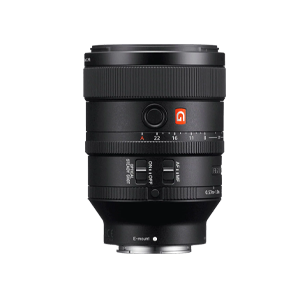
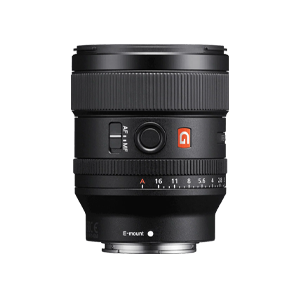
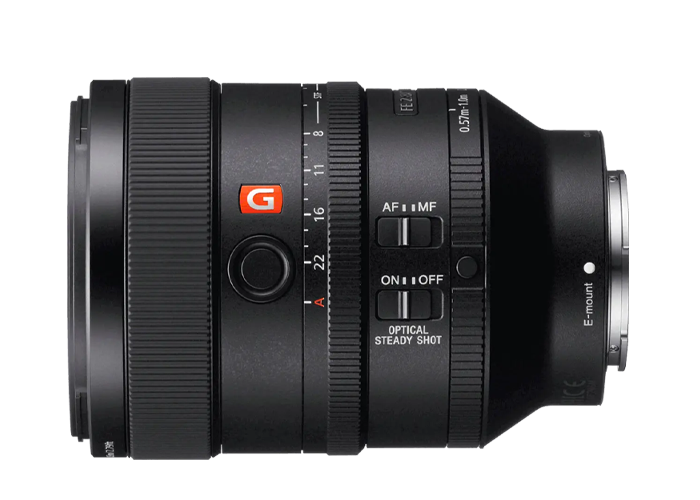
The Sony FE 100mm f/2.8 STF GM OSS is a specialized short-telephoto prime lens designed for Sony's full-frame E-mount mirrorless cameras. As a member of Sony's premium G Master lineup, it is built for photographers who prioritize exceptional background rendering, refined subject separation, and high image quality. Unlike conventional portrait lenses, it uses Smooth Trans Focus (STF) technology with an apodization optical element to produce unusually smooth, soft-edged bokeh.
Typically selling for approximately $1,499–$1,698, this lens is aimed at portrait photographers, fashion artists, wedding specialists, and commercial creators who want a distinctive, polished look. Its 100mm focal length provides flattering portrait perspective, while the apodization element softens the edges of out-of-focus highlights, helping backgrounds appear smooth and less distracting.
However, the special optical design comes with a significant trade-off: although the physical maximum aperture is f/2.8, light transmission is rated at approximately T5.6 at the widest aperture setting. This makes the lens less suitable for available-light photography in dark environments than a conventional fast portrait prime. Built-in Optical SteadyShot (OSS), an 11-blade aperture diaphragm, a de-clickable aperture ring, and a macro mode offering up to 0.25x magnification add versatility, but its main attraction remains its distinctive STF rendering.
Key Specifications and Features
Smooth Trans Focus (STF) Technology
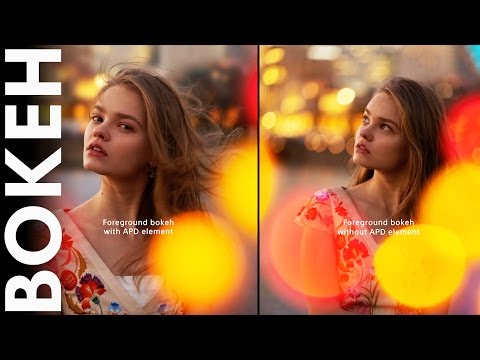
The defining feature of the Sony FE 100mm f/2.8 STF GM OSS is its Smooth Trans Focus design. An apodization (APD) optical element gradually attenuates light toward the edges of the optical path, producing out-of-focus highlights with softer edges than those typically generated by conventional lenses.
This creates a smooth transition between the subject and the background, particularly when photographing portraits against foliage, city lights, or other visually busy scenes. The effect can give portraits and detail images a refined, painterly appearance. However, the result depends on the background, subject distance, aperture setting, and composition; it does not eliminate every form of distracting background texture.
100mm Focal Length for Portraits
The 100mm focal length is well suited to headshots, fashion photography, wedding portraits, and detailed product images. It allows photographers to frame subjects from a comfortable distance while producing a flattering perspective when used at appropriate shooting distances.
Combined with the STF optical design, the focal length makes it particularly appealing for portraits where background quality is as important as sharpness. It can also isolate flowers, food, accessories, and other small subjects against smooth backgrounds.
f/2.8 Aperture and T5.6 Light Transmission
The lens has a maximum physical aperture of f/2.8, but its apodization element reduces transmitted light. At the widest aperture, the effective light transmission is approximately T5.6, meaning exposure requires about two stops more light than a lens transmitting at T2.8 under otherwise comparable conditions.
It is important to distinguish aperture from transmission: the physical f-number affects depth of field and optical rendering, while the T-stop describes how much light reaches the sensor. The lens can therefore retain the depth-of-field characteristics associated with its physical f/2.8 aperture while transmitting substantially less light than a conventional f/2.8 lens.
This trade-off is manageable in studios and outdoor daylight, where lighting can be controlled. It becomes a significant limitation in dim venues, nighttime street photography, and other situations where a fast shutter speed or low ISO is important.
Macro Mode for Close-Up Photography
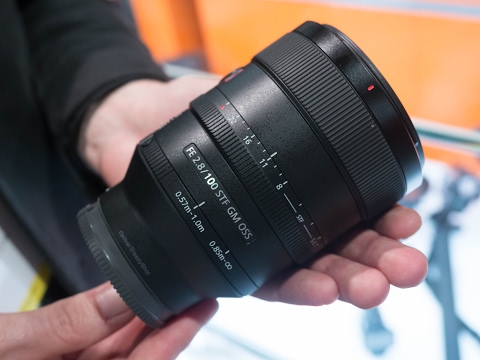
The lens includes a macro-switching mechanism that changes the available focusing range and allows closer focusing. In its close-focus mode, it offers a minimum focusing distance of approximately 57cm (1.9 feet) and a maximum magnification of 0.25x.
This makes it useful for photographing wedding details, food, flowers, accessories, and small products. However, 0.25x magnification is not true 1:1 macro performance, so photographers who need life-size reproduction should consider a dedicated macro lens.
Optical SteadyShot Image Stabilization
The built-in Optical SteadyShot (OSS) system helps reduce camera shake when shooting handheld. This can be useful for portraits, detail photography, and static subjects when using slower shutter speeds.
Stabilization does not compensate for the lens's reduced light transmission, nor can it freeze subject movement. For moving subjects in low light, the need for a faster shutter speed may still require higher ISO settings or additional lighting.
11-Blade Aperture and Creative Controls
The lens features an 11-blade rounded diaphragm designed to maintain attractive out-of-focus rendering. It also includes a manual aperture ring that can be de-clicked for smooth, continuous adjustments during video recording.
A focus hold button provides quick access to a customizable function on compatible Sony cameras. These controls are useful for photographers and video creators who want direct access to exposure and focusing settings without navigating camera menus.
Professional G Master Construction
The lens features dust- and moisture-resistant construction intended for demanding professional use. It weighs approximately 700g (1.54 lbs), making it reasonably manageable for a specialized 100mm prime, and it includes Optical SteadyShot for additional handheld support.
As with other weather-resistant lenses, its construction offers protection rather than complete waterproofing. Care is still required in heavy rain, dusty conditions, and environments where moisture or debris could enter the camera system.
Key Specifications
Specification | Details |
|---|---|
Lens Name | Sony FE 100mm f/2.8 STF GM OSS |
Lens Mount | Sony E-mount |
Format Compatibility | Full-frame; also usable on compatible APS-C Sony E-mount cameras |
Focal Length | 100mm |
Maximum Physical Aperture | f/2.8 |
Maximum Light Transmission | Approximately T5.6 at the widest aperture setting |
Optical Technology | Smooth Trans Focus (STF) with apodization (APD) element |
Diaphragm Blades | 11 rounded blades |
Image Stabilization | Optical SteadyShot (OSS) |
Macro Capability | Up to 0.25x magnification |
Minimum Focusing Distance | Approximately 57cm (1.9 feet) in macro mode |
Aperture Ring | Manual ring with de-click option |
Focus Hold Button | Yes; customizable on compatible cameras |
Construction | Dust- and moisture-resistant design |
Weight | Approximately 700g (1.54 lbs) |
Typical New Price | Approximately $1,499–$1,698; varies by retailer and availability |
Pros and Cons
Pros | Cons |
|---|---|
Distinctive STF rendering produces exceptionally smooth, soft-edged bokeh | Apodization element reduces light transmission to approximately T5.6 |
100mm focal length is well suited to portraits, fashion, and detail photography | Not ideal for dim venues or available-light night photography |
High-quality G Master optical design | Specialized rendering comes at a premium price |
Built-in OSS helps reduce camera shake | Stabilization cannot freeze subject movement or compensate for lost light |
Macro mode provides up to 0.25x magnification | Magnification is limited compared with dedicated 1:1 macro lenses |
11-blade diaphragm supports attractive background rendering | STF effect is a specialized look that may not suit every photographic style |
De-clickable aperture ring and customizable focus hold button | 100mm focal length can be restrictive in small rooms |
Dust- and moisture-resistant construction | Weather resistance does not make the lens waterproof |
Who Should Buy This Lens?
High-End Portrait and Fashion Photographers
This lens is particularly attractive to portrait photographers who value background rendering as much as subject sharpness. Its STF technology creates soft-edged bokeh that can help subjects stand out against foliage, lights, and other detailed backgrounds.
Fashion photographers and fine-art portrait artists may appreciate the distinctive rendering for editorial work, beauty portraits, and carefully composed images. It is best suited to photographers who intentionally want the STF look rather than those seeking the most light-efficient portrait lens.
Commercial Product and Food Photographers
The 100mm focal length and smooth background rendering make this lens useful for photographing food, cosmetics, accessories, flowers, and premium products. Its close-focusing capability allows detailed compositions without requiring a separate macro lens for every job.
In a controlled studio, photographers can compensate for the T5.6 transmission with strobes or continuous lighting. This makes it easier to take advantage of the lens's distinctive rendering without being constrained by available light.
Wedding Detail Photographers
Wedding photographers who specialize in artistic detail images may find the lens especially useful for rings, invitations, floral arrangements, dress details, and decorative elements. Its 100mm focal length helps isolate small subjects, while STF rendering can create a soft, elegant background.
It is best suited to daytime weddings or venues where additional lighting is available. For dark reception halls and candlelit ceremonies, a conventional fast prime may be more practical.
Studio Photographers and Video Creators
Creators working with controlled lighting can use this lens for portraits, product footage, and carefully composed close-ups. The de-clickable aperture ring allows smooth exposure adjustments during video recording, while OSS helps reduce camera shake when shooting handheld.
Because light transmission is limited, it is less suitable for run-and-gun video work in changing or dim lighting conditions. It performs best when the creator can control lighting and shooting distance.
Who Should Consider Alternatives?
Available-light and night photographers: The effective T5.6 transmission makes this lens a poor choice when light is scarce and additional lighting is unavailable. A conventional fast prime, such as the Sony FE 85mm f/1.4 GM or another suitable fast portrait lens, is generally better for dim events and nighttime photography.
Sports and action photographers: The lens's specialized rendering and limited light transmission make it less suitable for fast-moving subjects in difficult lighting. A conventional telephoto lens with faster light transmission and autofocus designed for action is a better option.
Dedicated macro photographers: The 0.25x maximum magnification is useful for detail work but falls short of the 1:1 reproduction offered by dedicated macro lenses. Photographers who need life-size magnification should look at a true macro lens.
Photographers seeking an all-purpose prime: If you want one lens for a broad mix of everyday photography, low-light work, and portraits, a conventional 85mm or 100mm prime may offer more flexibility for less money.
Buying Recommendation
The Sony FE 100mm f/2.8 STF GM OSS is worth considering if your priority is distinctive, exceptionally smooth background rendering rather than maximum light-gathering ability. Its STF optical design gives it a character that conventional portrait lenses cannot reproduce in exactly the same way, making it appealing for fashion, fine-art portraits, wedding details, and commercial product work.
At approximately $1,499–$1,698, it is a specialized purchase rather than a universal recommendation. Before buying, consider how often you will use its unique bokeh rendering and whether you can work with its T5.6 light transmission. If most of your photography takes place outdoors in daylight or in a controlled studio, the trade-off may be acceptable.
If you frequently shoot dimly lit events, nighttime street scenes, or moving subjects, a conventional fast prime is generally a better investment. The Sony FE 85mm f/1.4 GM or another suitable high-transmission portrait lens will provide more exposure flexibility in low light.
For photographers who want both artistic background rendering and genuine macro magnification, it may be more practical to purchase a conventional portrait lens alongside a dedicated macro lens. Compare current prices and consider your actual shooting needs before paying a premium for the STF design.
Final Verdict
The Sony FE 100mm f/2.8 STF GM OSS is a distinctive specialty lens designed for photographers who place a high value on smooth, refined bokeh. Its apodization element, 100mm focal length, Optical SteadyShot stabilization, and professional controls make it particularly appealing for portraiture, fashion, wedding details, and commercial photography.
Its biggest limitation is reduced light transmission: despite the f/2.8 physical aperture, the lens transmits light at approximately T5.6 at its widest setting. This makes it less suitable for low-light photography and fast-moving subjects than conventional fast portrait lenses. Its 0.25x close-up magnification also means it is not a replacement for a dedicated macro lens when life-size reproduction is required.
Overall, the Sony FE 100mm f/2.8 STF GM OSS is an excellent specialty lens for photographers who specifically want its unique STF rendering and can work around its light-transmission limitations. For studio portraits, fashion, and artistic detail work, it can deliver a distinctive visual style. For general-purpose shooting or low-light flexibility, a conventional fast prime is likely to be the more practical choice.
Video Reviews
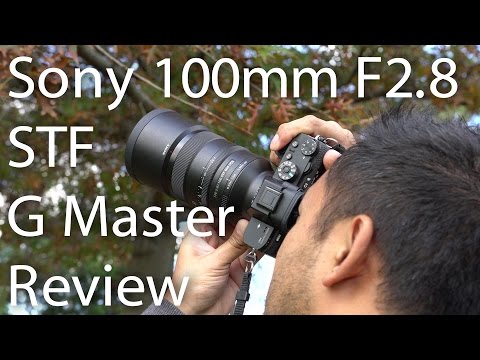
Video Comparisons

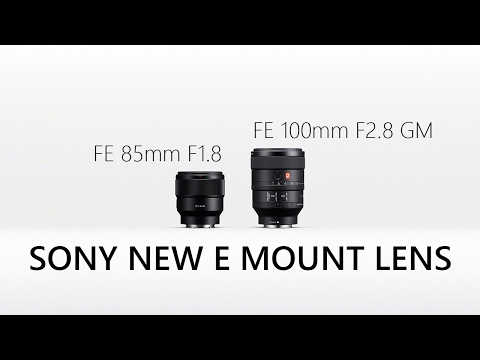
Sample Images