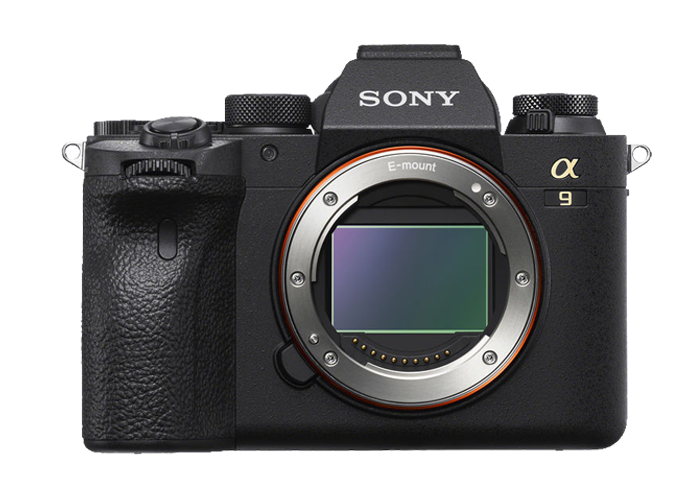
Overview
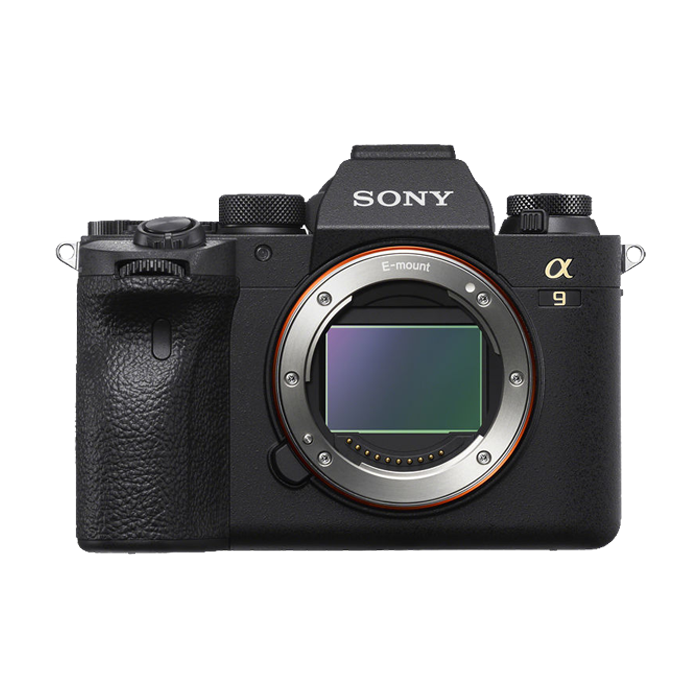
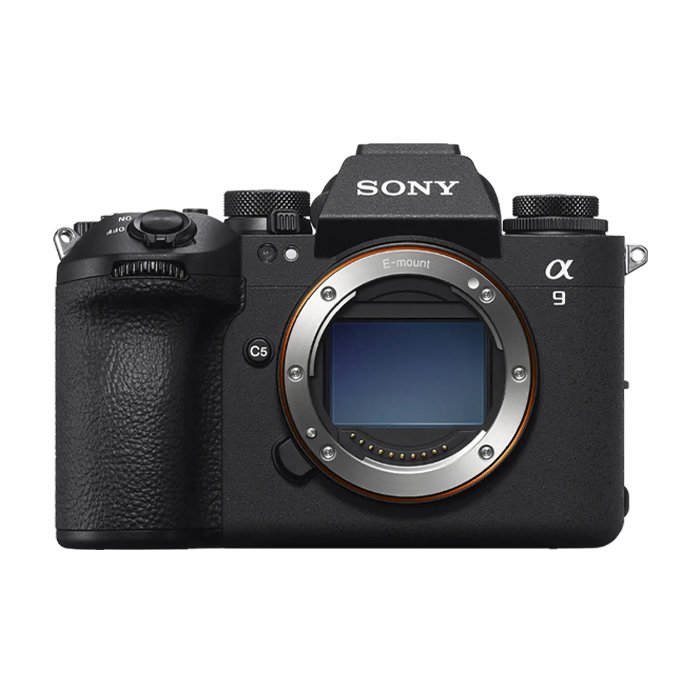
The Sony Alpha a9 II (ILCE-9M2) is a professional full-frame mirrorless camera introduced in 2019, designed primarily for sports photography, photojournalism, and fast-moving subjects. Unlike Sony's high-resolution a7R series, the a9 II prioritizes shooting speed, autofocus tracking, and rapid image delivery. Its 24.2-megapixel stacked Exmor RS CMOS sensor and BIONZ X image processor deliver the performance required for demanding professional assignments.
One of its most important features is blackout-free continuous shooting at up to 20 frames per second using the electronic shutter, with autofocus and auto-exposure tracking. The 693-point phase-detection autofocus system covers approximately 93% of the image area, helping photographers maintain focus on moving athletes, wildlife, and other unpredictable subjects.
The a9 II also offers professional connectivity features, including Gigabit Ethernet, 5GHz Wi-Fi, and FTP transfer capabilities. These tools allow press photographers to deliver images to editors quickly while covering sporting events and breaking news. Its rugged construction, dual card slots, and long-lasting NP-FZ100 battery further support demanding professional workflows.
Although the a9 II remains a capable action camera, newer models offer more advanced subject recognition, higher resolution, and improved video capabilities. Its 24.2MP sensor and photo-focused design make it most attractive to photographers who prioritize speed, reliability, and fast image delivery over maximum resolution or advanced filmmaking features.
Key Specifications and Features
24.2MP Full-Frame Stacked Sensor: The back-illuminated stacked Exmor RS CMOS sensor incorporates high-speed data processing architecture that enables rapid image readout. This supports fast continuous shooting and helps reduce rolling-shutter distortion compared with conventional sensors.
Blackout-Free Shooting at 20 fps: The electronic shutter captures images at up to 20 frames per second with autofocus and auto-exposure tracking, while the electronic viewfinder maintains a continuous live view. This is especially useful when following fast-moving athletes, motorsports, and wildlife.
693-Point Phase-Detection Autofocus: The autofocus system covers approximately 93% of the image area and supports Real-time Tracking and Eye AF. It can maintain focus on moving subjects and is well suited to unpredictable action, including sports and wildlife photography.
Up to 60 AF/AE Calculations per Second: The camera performs up to 60 autofocus and auto-exposure calculations per second, helping it respond quickly to changes in subject movement and lighting during continuous shooting.
Mechanical Shutter at Up to 10 fps: When a mechanical shutter is preferred, the a9 II shoots at up to 10 frames per second with autofocus and auto-exposure tracking. The shutter mechanism is rated for approximately 500,000 cycles under Sony's testing conditions.
Reduced Rolling-Shutter Distortion: The stacked sensor's fast readout helps minimize distortion when photographing fast-moving subjects with the electronic shutter. However, rolling-shutter effects are reduced rather than completely eliminated, and results depend on the subject's speed and movement across the frame.
Professional Connectivity: Built-in 1000BASE-T Gigabit Ethernet, 5GHz Wi-Fi, and FTP transfer support help professional photographers transmit images to editors quickly. These features are especially valuable for agencies and press photographers covering major events.
Voice Memo and Metadata Workflow: The camera supports voice memos associated with images, allowing photographers to record information about a scene or subject. Compatible software and workflows can use speech-to-text functionality to help create image captions and metadata.
Dual Memory Card Slots: Two SD card slots support flexible recording and backup configurations. Both slots support UHS-II cards, allowing photographers to use compatible high-speed memory cards for demanding assignments.
5-Axis In-Body Image Stabilization: The built-in stabilization system helps reduce camera shake when shooting handheld. It is useful for static subjects and slower shutter speeds, although it cannot freeze subject movement.
Professional Body and Battery: The a9 II features a durable body, extensive weather-resistant design measures, a comfortable grip, and the NP-FZ100 battery. These features help it handle long shooting sessions in demanding working environments.
Video Capabilities: The camera records 4K video at up to 30p and Full HD at up to 120p. It supports HLG and S-Log3, but internal recording is limited to 8-bit color depth. Its video capabilities are less advanced than those of newer hybrid cameras, particularly for demanding color-grading workflows.
Key Specifications
Specification | Details |
|---|---|
Camera Model | Sony Alpha a9 II (ILCE-9M2) |
Camera Type | Professional full-frame mirrorless camera |
Release Year | 2019 |
Sensor | 24.2MP stacked Exmor RS CMOS |
Image Processor | BIONZ X |
Lens Mount | Sony E-mount |
Autofocus | 693-point phase-detection AF |
Autofocus Coverage | Approximately 93% of the image area |
AF/AE Calculations | Up to 60 per second |
Electronic Shutter | Up to 20 fps, blackout-free shooting |
Mechanical Shutter | Up to 10 fps |
Shutter Durability | Rated for approximately 500,000 cycles |
ISO Range | ISO 100–51,200 native; expandable for still photography |
Image Stabilization | 5-axis in-body image stabilization |
Viewfinder | 3.69-million-dot OLED electronic viewfinder |
LCD Screen | 3.0-inch tilting touchscreen, approximately 1.44 million dots |
Video Recording | 4K UHD up to 30p; Full HD up to 120p |
Video Profiles | HLG and S-Log3; 8-bit internal recording |
Memory Card Slots | Two SD slots, both supporting UHS-II |
Battery | Sony NP-FZ100 |
Connectivity | Gigabit Ethernet, 5GHz Wi-Fi, Bluetooth, USB, HDMI, FTP transfer |
Weight | Approximately 678 g with battery and memory card |
Pros and Cons
Pros | Cons |
|---|---|
Blackout-free electronic shooting at up to 20 fps | Resolution is limited to 24.2MP compared with high-resolution models |
Fast stacked sensor readout reduces rolling-shutter distortion | Electronic shutter does not completely eliminate rolling-shutter effects |
693-point autofocus system with Real-time Tracking and Eye AF | Subject recognition is less advanced than on newer flagship cameras |
Up to 60 AF/AE calculations per second | Not designed for maximum resolution or extensive cropping |
Mechanical shutter rated for approximately 500,000 cycles | Professional body and features can be expensive for casual users |
Gigabit Ethernet, 5GHz Wi-Fi, and FTP transfer support | Professional transfer features may be unnecessary for hobbyists |
Dual UHS-II SD card slots for backup and flexible recording | Older menu system and interface compared with newer models |
5-axis in-body image stabilization | Stabilization cannot freeze fast subject movement |
Durable body and long-lasting NP-FZ100 battery | 8-bit internal video recording limits intensive color grading |
Excellent for professional sports and press photography | Newer cameras offer more advanced video and autofocus features |
Who Should Buy This Camera?
1. Professional Sports and Action Photographers
The a9 II is designed for photographers who need to capture decisive moments in fast-moving sports. Its 20 fps blackout-free electronic shooting and responsive autofocus allow users to track athletes while maintaining a continuous view of the action.
The fast sensor readout helps reduce distortion when using the electronic shutter, making it useful for football, basketball, tennis, motorsports, and other high-speed subjects. The 10 fps mechanical shutter provides an alternative when a mechanical shutter is preferable.
2. Press Photographers and Photojournalists
The camera's professional connectivity is a major advantage for photographers who must deliver images quickly. Gigabit Ethernet, 5GHz Wi-Fi, and FTP transfer support can help transmit photographs from sporting venues, news events, and press assignments to editors with minimal delay.
Voice memos can also help photographers document names, locations, and important events associated with images. These workflow features make the a9 II particularly suitable for agency photographers who prioritize rapid delivery as much as image quality.
3. Professional Wildlife and Bird Photographers
The a9 II can photograph birds in flight and other fast-moving wildlife thanks to its fast burst shooting, responsive autofocus, and blackout-free viewfinder. The stacked sensor also helps reduce rolling-shutter distortion when using the electronic shutter.
However, its 24.2MP resolution offers less cropping flexibility than higher-resolution bodies. Photographers who frequently photograph small birds at a distance or need to crop tightly may prefer a newer high-resolution model, depending on their lens, subject distance, and shooting conditions.
4. Photographers Working in Quiet Environments
The silent electronic shutter is useful for theater performances, golf tournaments, ceremonies, and other situations where mechanical shutter noise may be disruptive. The camera can combine silent operation with continuous autofocus and high-speed shooting.
Photographers should still consider venue rules and the possibility of electronic-shutter distortion or banding under certain artificial lighting conditions.
5. Professional Event Photographers
The a9 II offers reliable autofocus, dual memory card slots, and a durable body for photographers covering weddings, conferences, and other important events. Recording duplicate images to separate cards can provide an additional layer of protection against memory card failure.
However, photographers whose work requires extensive cropping, higher-resolution prints, or advanced video production may benefit from a newer hybrid or high-resolution camera.
Who Should Avoid It?
Commercial Video Creators: The a9 II supports 4K recording but offers only 8-bit internal video. Filmmakers who need 10-bit recording, more advanced picture profiles, and extensive color-grading flexibility should consider newer hybrid cameras.
Landscape and Studio Photographers Who Crop Heavily: The 24.2MP sensor is suitable for many professional applications, but it provides less cropping flexibility than the high-resolution Sony a7R series.
Casual Hobbyists on a Tight Budget: Many photographers do not need 20 fps blackout-free shooting or professional FTP workflows. Less expensive cameras may provide comparable image quality for portraits, travel, and everyday photography.
Photographers Who Prioritize the Latest AI Autofocus: Newer Sony bodies provide more advanced subject recognition and tracking options that can improve convenience when photographing challenging subjects.
Buying Recommendation
The Sony a9 II is worth considering if your photography depends on high-speed action capture, dependable autofocus, and fast professional image delivery. It is particularly suitable for sports photographers, press agencies, and experienced wildlife photographers who can take advantage of its stacked sensor and professional connectivity.
Because the camera was introduced in 2019, compare current prices for used, refurbished, and remaining new inventory before purchasing. A well-maintained used body may offer considerable value, especially if its speed and connectivity match your working requirements.
When buying used, inspect the sensor, electronic and mechanical shutter operation, autofocus tracking, viewfinder, LCD hinge, card slots, Ethernet port, and battery condition. Review the camera's overall condition and ask about its service history where available. A high shutter count alone does not determine the condition of a professional camera, particularly when much of its use involves the electronic shutter.
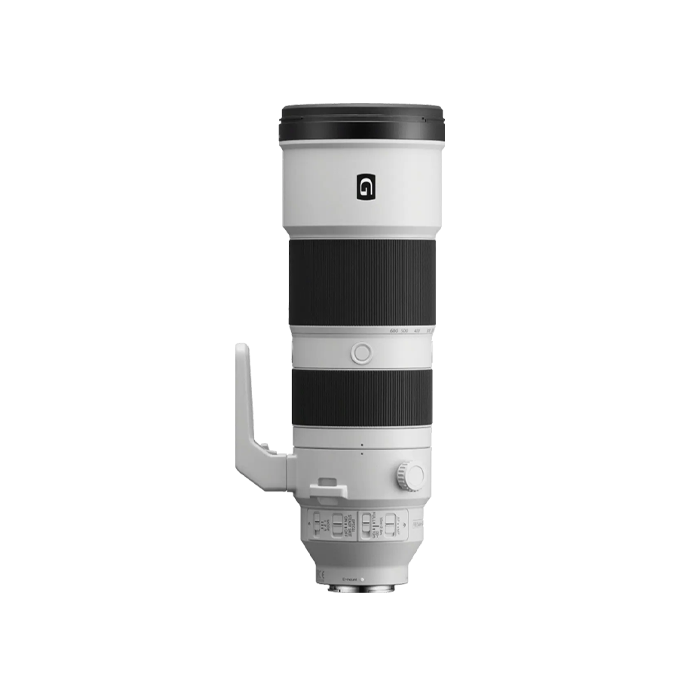
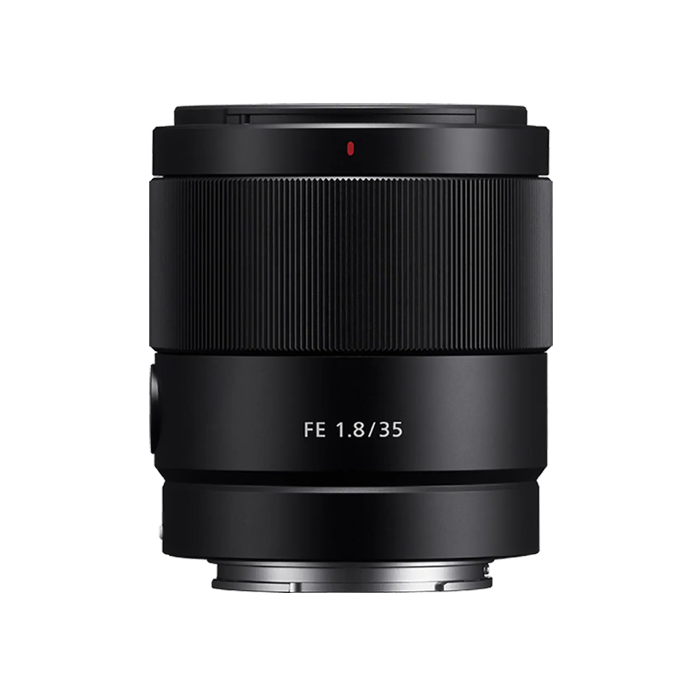
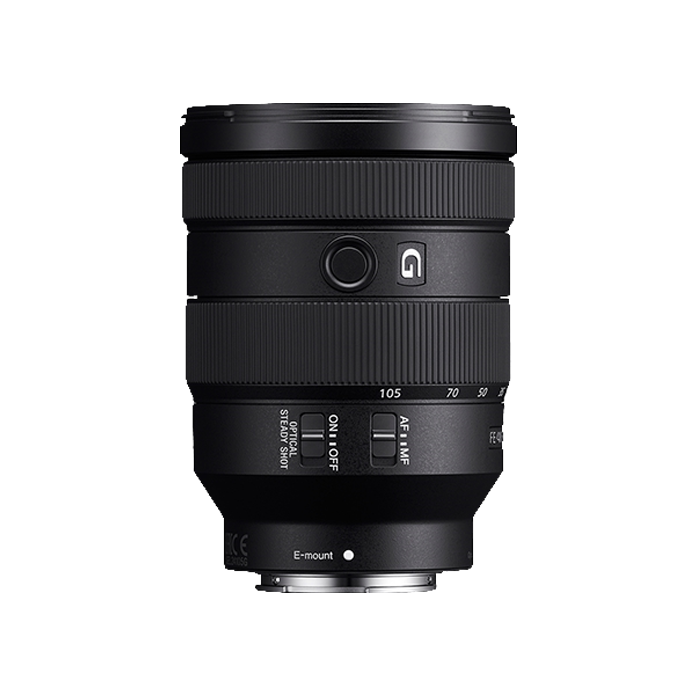
Also consider the lenses you intend to use. Fast telephoto lenses can be important for sports and wildlife, while appropriate wide-angle or standard zoom lenses may be more suitable for press events and general assignments. The cost of a professional lens system should be included when evaluating the overall investment.
If you primarily photograph small birds and want both speed and more cropping flexibility, compare the a9 II with newer high-resolution Sony bodies, including the a7R series. If your priority is professional sports coverage and rapid image transmission, the a9 II's specialized workflow features may be more valuable than additional megapixels.
Final Verdict
The Sony Alpha a9 II remains a specialized full-frame mirrorless camera built around speed, autofocus responsiveness, and professional workflow efficiency. Its 24.2MP stacked sensor, blackout-free 20 fps electronic shooting, 693-point phase-detection autofocus, dual UHS-II card slots, and Gigabit Ethernet make it well suited to demanding sports and press photography.
Its limitations include moderate resolution, older-generation subject recognition, and 8-bit internal video recording. These compromises are less important for photographers who need to capture decisive moments and deliver images immediately, but they matter more to landscape photographers, heavy croppers, and filmmakers.
Overall, the Sony a9 II is a capable professional action camera for photographers who prioritize speed, reliable tracking, and rapid image delivery. It is less compelling for users who mainly need high resolution, advanced video features, or an affordable everyday camera. Choosing it makes the most sense when its specialized performance and connectivity directly support your photographic work.
Video Reviews

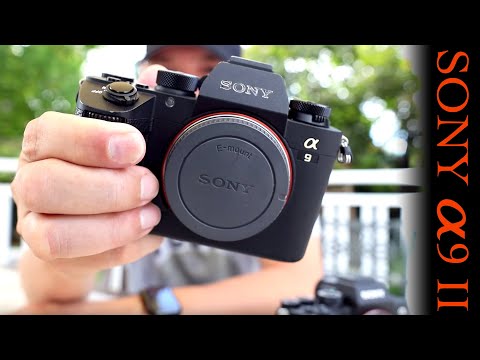
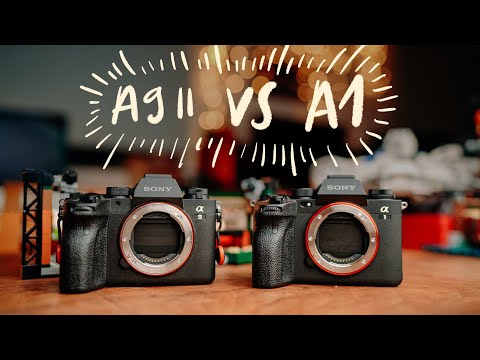
Video Comparisons

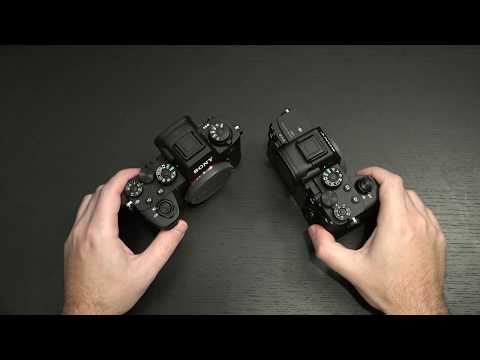
Sample Images