Overview
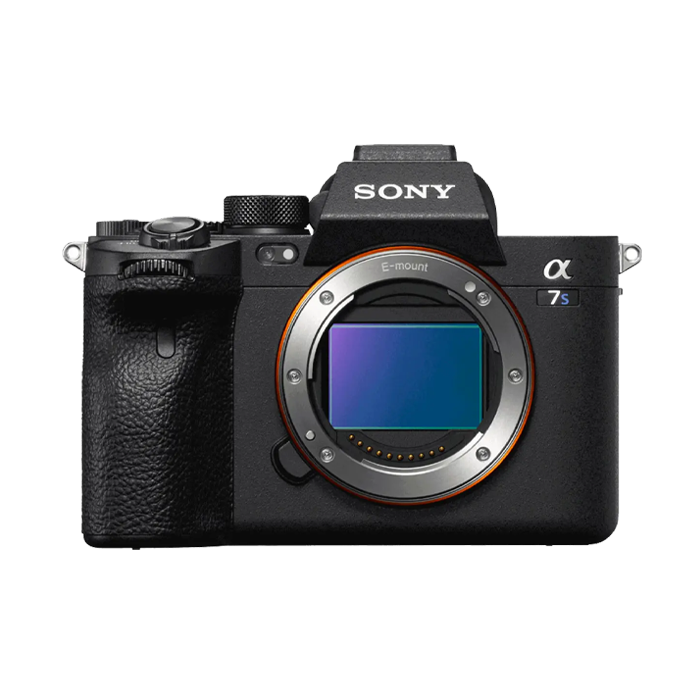
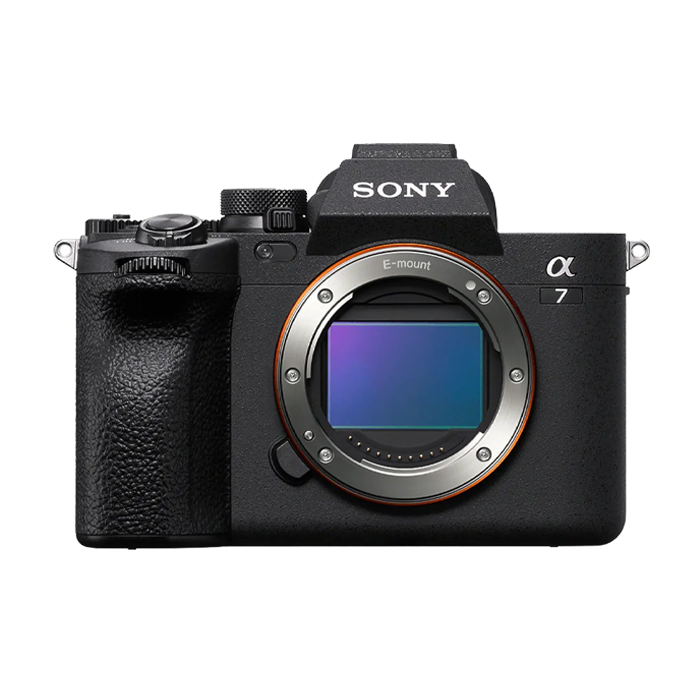
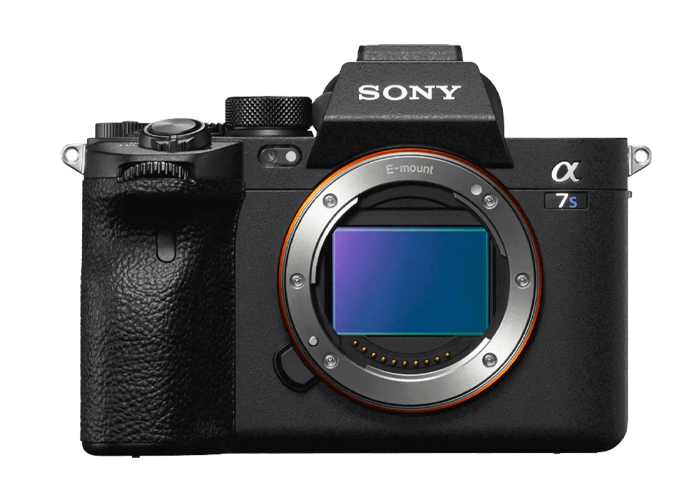
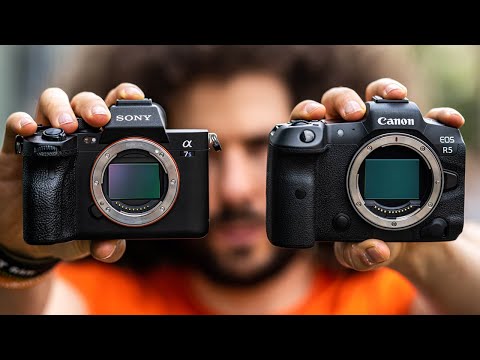
The Sony Alpha a7S III (ILCE-7SM3) is a video-focused full-frame mirrorless camera designed for professional filmmakers, documentary producers, wedding videographers, and content creators who prioritize low-light performance, high-quality video, and flexible recording options. Rather than pursuing a high megapixel count, it uses a 12.1-megapixel back-illuminated Exmor R CMOS sensor optimized for 4K video capture and strong high-ISO performance.
Its combination of 4K recording at up to 120p, internal 10-bit 4:2:2 recording, advanced autofocus, and S-Log3 and HLG profiles gives video editors considerable flexibility in post-production. The camera also features a 9.44-million-dot electronic viewfinder, a fully articulating touchscreen, and a full-size HDMI Type-A port for external monitoring and recording workflows.
Although the a7S III can capture still photographs, its 12.1MP resolution limits detailed cropping and large-format printing compared with higher-resolution hybrid cameras. It is best suited to creators whose primary focus is video rather than high-resolution photography.
Key Specifications and Features
12.1MP Full-Frame Exmor R CMOS Sensor
The back-illuminated full-frame sensor is designed to balance low-light performance, image quality, and fast video readout. Its relatively low resolution compared with other full-frame cameras makes it particularly suitable for 4K video production, although it provides less flexibility for cropping still images.
4K Video Recording at Up to 120p
The a7S III records 4K video at frame rates up to 120p, allowing creators to produce smooth slow-motion footage. It supports internal 10-bit 4:2:2 recording, providing greater color information for grading than standard 8-bit footage. Available recording formats and frame rates depend on the selected settings and recording mode.
High-ISO Performance
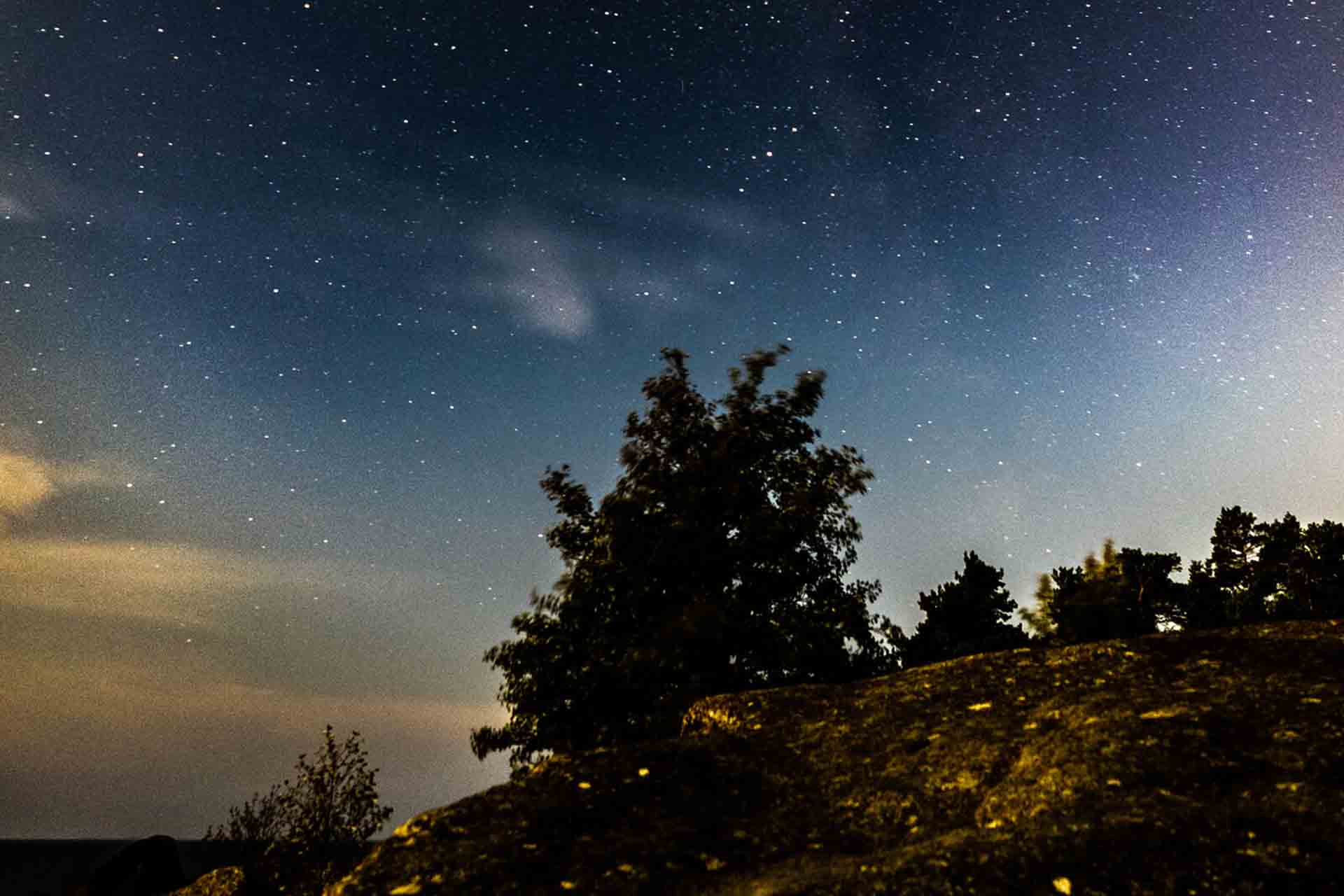
The camera offers an expanded sensitivity range reaching ISO 409,600 for still photography. Its sensor and processing system are designed to deliver usable results in dim environments, making it useful for nighttime documentary work, indoor events, and available-light filmmaking. Actual image quality depends on exposure, lighting, and recording settings.
S-Log3 and HLG Picture Profiles
S-Log3 provides a flat image profile intended for color grading, while HLG supports compatible high-dynamic-range workflows. These options help filmmakers adapt footage to different post-production and delivery requirements. The camera's real-world dynamic range depends on exposure, ISO, and the chosen recording mode; claims of more than 15 stops should not be treated as a guaranteed result in every situation.
Advanced Autofocus and Subject Tracking
Sony's autofocus system includes phase-detection autofocus and Real-time Tracking features to help maintain focus on moving subjects. This is useful for solo operators, event videographers, and documentary filmmakers who need dependable focus without a dedicated focus puller.
Designed for Extended Recording
The a7S III does not impose the traditional 29-minute-and-59-second recording limit found on many older cameras. Its heat-dissipation design supports extended recording, but continuous recording is not guaranteed indefinitely. Temperature, recording settings, media capacity, battery life, and operating conditions can affect recording duration.
High-Resolution Electronic Viewfinder
The 9.44-million-dot OLED electronic viewfinder provides a detailed view for composing shots and checking focus. It is especially useful in bright outdoor environments where the rear screen may be difficult to see clearly.
Fully Articulating Touchscreen
The side-opening LCD screen rotates to support low-angle shots, overhead framing, interviews, and self-recording. Its flexible positioning is also useful when the camera is mounted on a tripod or gimbal.
Full-Size HDMI and Dual Card Slots
The full-size HDMI Type-A connector provides a more robust connection than the smaller micro-HDMI ports found on some cameras. Two card slots support UHS-II SD cards and CFexpress Type A cards, providing flexible media options for different recording requirements.
Key Specifications
Specification | Details |
|---|---|
Model | Sony Alpha a7S III (ILCE-7SM3) |
Camera Type | Full-frame mirrorless camera |
Sensor | 12.1MP back-illuminated Exmor R CMOS |
Image Processor | BIONZ XR |
Maximum Video Resolution | 4K (3840 × 2160) |
Maximum 4K Frame Rate | Up to 120p |
Internal Recording | Up to 10-bit 4:2:2, depending on format and settings |
Picture Profiles | Includes S-Log3 and HLG |
Expanded ISO Sensitivity | Up to ISO 409,600 for still photography |
Autofocus | Phase-detection AF and Real-time Tracking |
Viewfinder | 9.44-million-dot OLED EVF |
LCD Screen | Fully articulating touchscreen |
Card Slots | Two hybrid slots supporting UHS-II SD and CFexpress Type A cards |
HDMI | Full-size HDMI Type-A |
Primary Use | Professional video production and low-light filmmaking |
Pros and Cons
Pros | Cons |
|---|---|
Excellent low-light video capabilities | 12.1MP resolution limits still-photo cropping |
4K recording at up to 120p for slow motion | No native 6K or 8K recording |
Internal 10-bit 4:2:2 recording for flexible color grading | Less suited to large prints and heavily cropped wildlife images |
S-Log3 and HLG support | Cannot provide the same post-production reframing room as higher-resolution capture |
Reliable autofocus and subject tracking | Some advanced video modes require fast, expensive media |
Full-size HDMI, dual card slots, and articulating screen | Extended recording still depends on temperature, power, and media capacity |
Who Should Buy This Lens?
Independent Filmmakers and Commercial Videographers
The a7S III is well suited to filmmakers who need high-quality 4K footage, slow-motion recording, and 10-bit color for demanding post-production workflows. S-Log3 and HLG support make it adaptable to different grading and delivery requirements, while its full-size HDMI connection works well in a rig with an external monitor or recorder.
Documentary, Event, and Wedding Videographers
Its low-light capabilities make the camera useful for dim reception halls, indoor ceremonies, interviews, and documentary work where lighting cannot always be controlled. Its autofocus tracking and articulating screen are valuable for solo operators who need to work quickly and maintain focus while moving between scenes.
YouTubers, Interview Producers, and Content Creators
Creators who produce interviews, tutorials, podcasts, and long-form videos can benefit from the camera's 4K quality, flexible screen, and lack of a traditional 30-minute recording cap. For extended sessions, however, users should still plan for battery power, heat, and sufficient card capacity.
Low-Light and Nighttime Video Shooters
The a7S III is a strong option for recording in challenging light, including nighttime scenes, indoor performances, and available-light documentary footage. It can help reduce the need for additional lighting, although no camera can replace good exposure and lighting technique in every situation.
Who Should Avoid It?
Photographers who regularly crop heavily, photograph distant wildlife, or produce large fine-art prints may find 12.1MP restrictive. Hybrid creators who need high-resolution stills and greater reframing flexibility may prefer a higher-resolution camera such as the Sony a7R V. Filmmakers who specifically need 6K or 8K acquisition should consider a camera that records those resolutions natively.
Buying Recommendation
Consider the Sony a7S III if video is your main priority and you frequently record in low light, shoot slow motion, or need 10-bit 4:2:2 internal recording. Its combination of video features, autofocus, and professional connections makes it suitable for independent productions and more demanding video workflows.
Before buying, compare its price with newer hybrid cameras and consider whether your workflow actually benefits from its video-focused design. If you also shoot wildlife, landscapes, portraits, or other still photography where cropping is important, a higher-resolution body may offer more flexibility. If your work requires 6K or 8K footage for reframing, the a7S III's 4K maximum resolution is another important limitation.
Final Verdict
The Sony Alpha a7S III remains a specialized full-frame camera for creators who prioritize video quality, high-ISO performance, slow motion, and professional recording options over still-image resolution. Its 4K 120p recording, internal 10-bit 4:2:2 options, S-Log3 and HLG profiles, advanced autofocus, and full-size HDMI port make it a capable tool for filmmaking and video production.
Its main compromise is the 12.1MP sensor, which limits cropping flexibility for photography and provides no native 6K or 8K video. For dedicated filmmakers, those trade-offs may be worthwhile. For photographers or hybrid creators who need detailed still images and more room to crop in post-production, a higher-resolution camera is likely to be a better fit.
Video Reviews

Video Comparisons

Sample Images