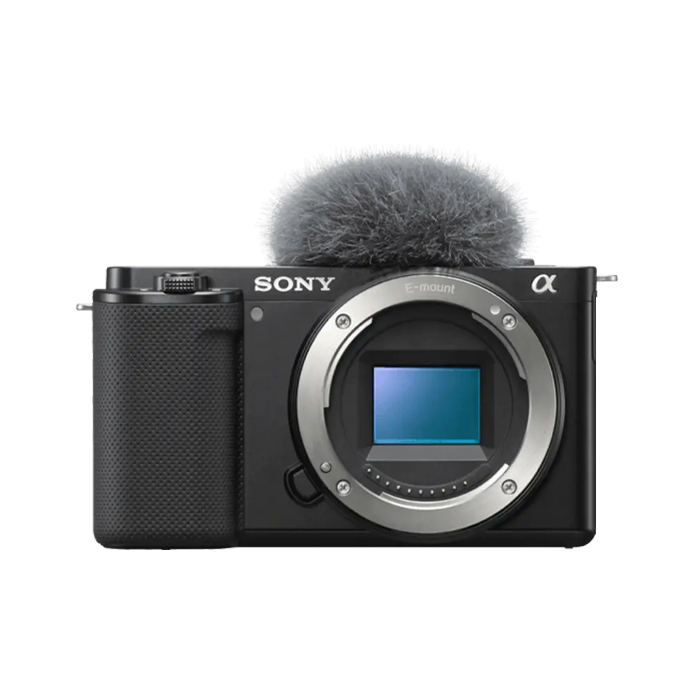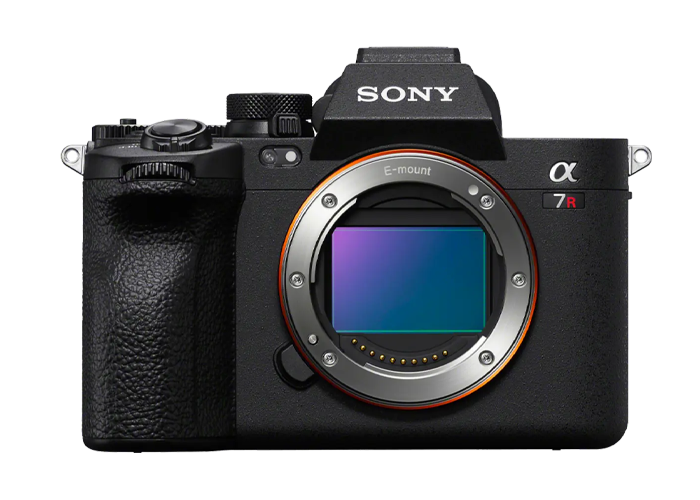
Overview
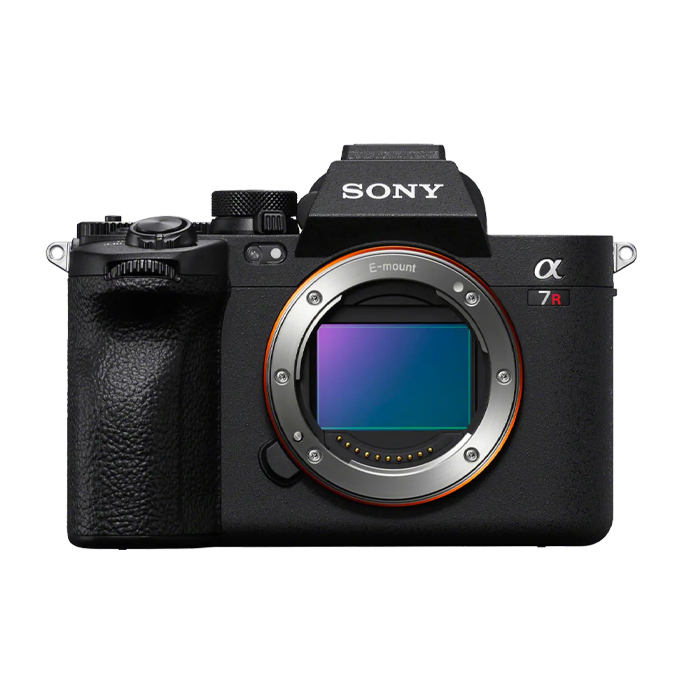
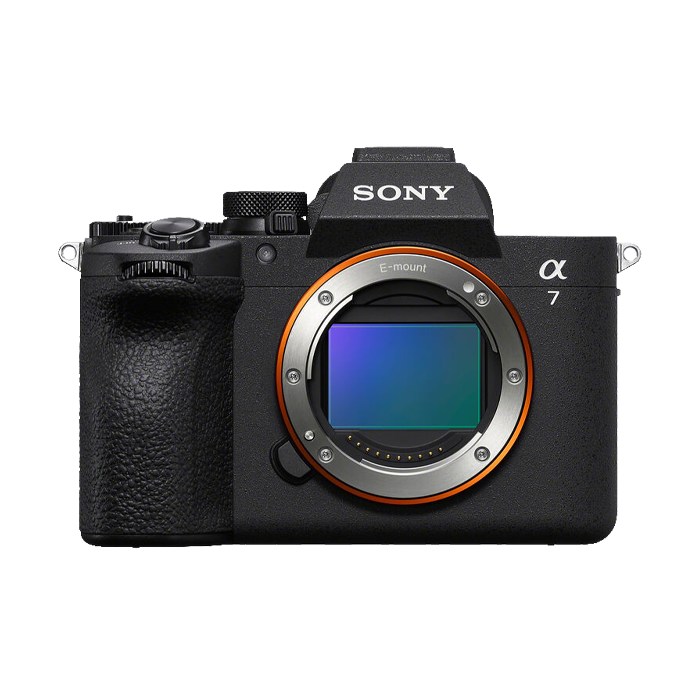
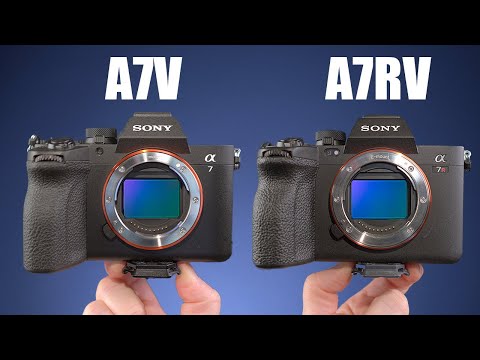
The Sony Alpha 7R V (ILCE-7RM5) is a high-resolution full-frame mirrorless camera that combines a 61.0-megapixel back-illuminated Exmor R CMOS sensor with advanced artificial intelligence, improved autofocus tracking, and powerful image-processing capabilities. Compared with the Sony A7R IV A, the A7R V retains the same fundamental sensor resolution while introducing a dedicated AI processing unit, a faster BIONZ XR processor, improved in-body image stabilization, and a more versatile rear LCD monitor.
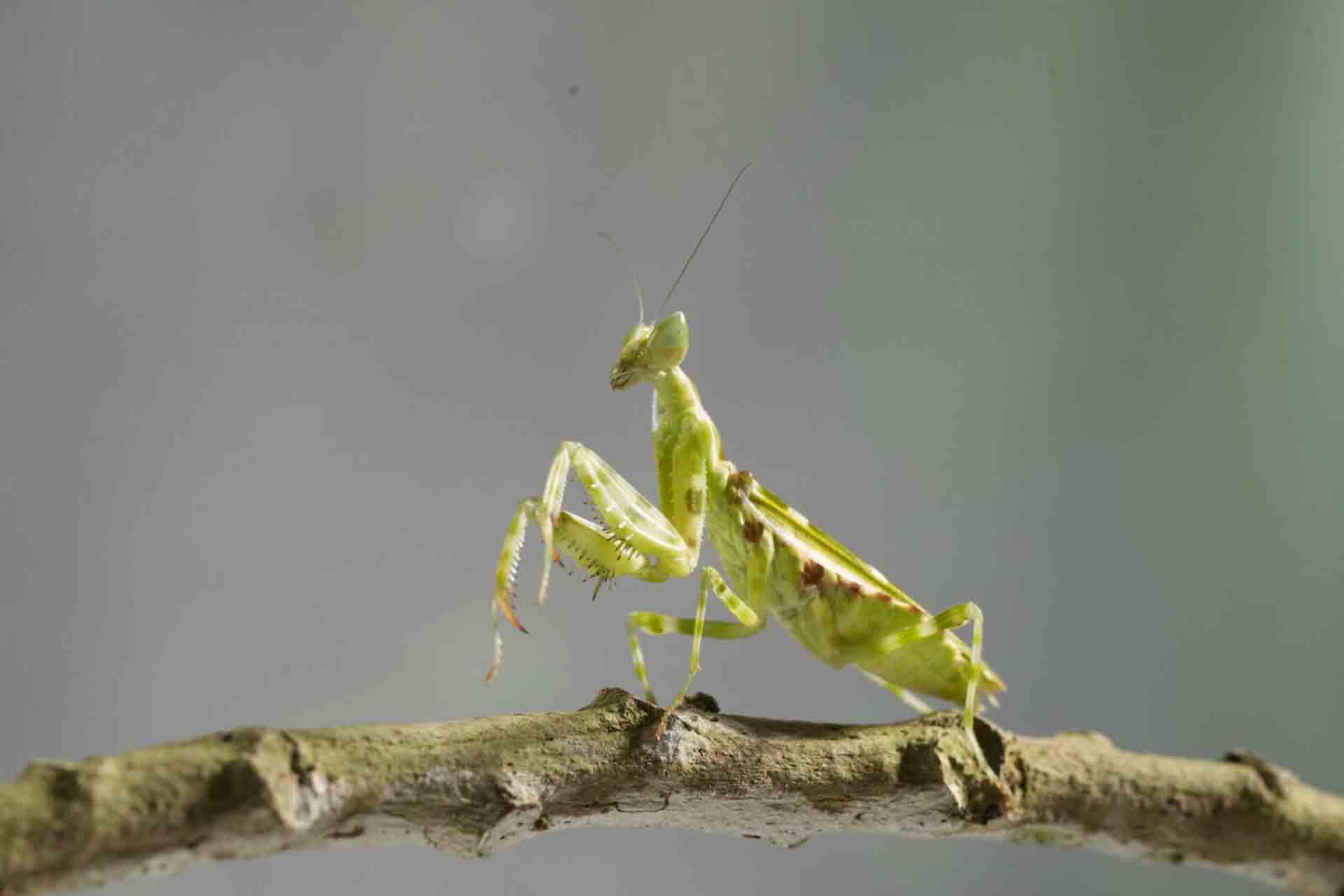
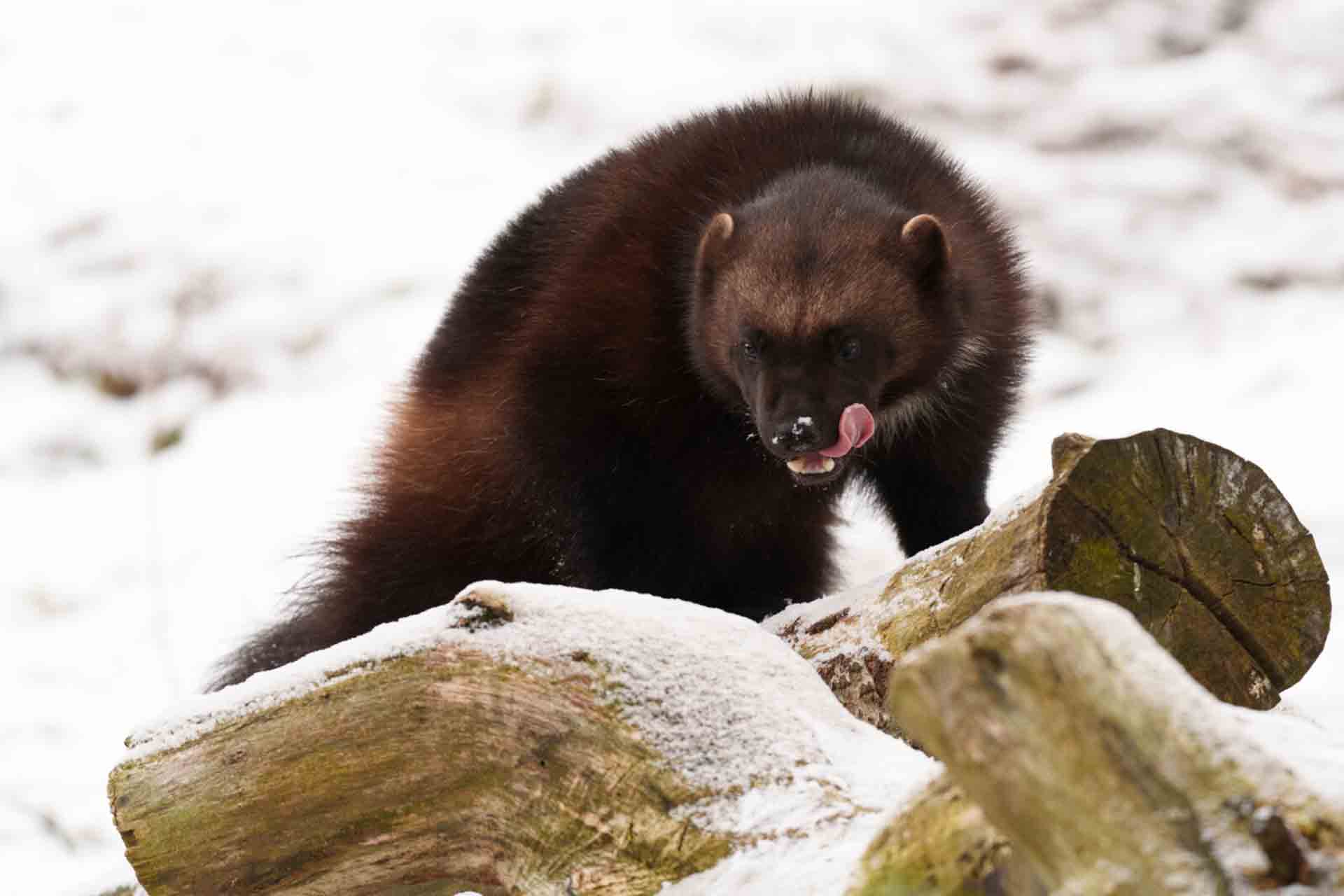
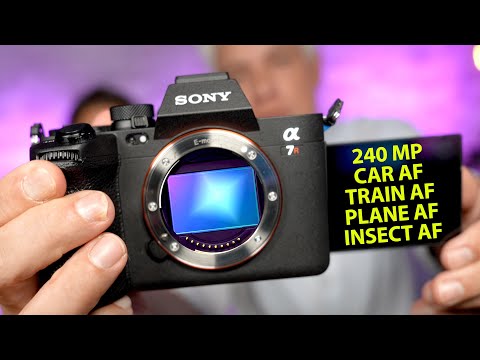
Designed for demanding photographers and hybrid creators, the A7R V delivers detailed still images, responsive subject recognition, and professional video capabilities. Its autofocus system recognizes and tracks a wider range of subjects, including people, animals, birds, insects, cars, trains, and aircraft. Combined with continuous shooting at up to 10 frames per second, these improvements make the camera more versatile for wildlife, action, portrait, landscape, and commercial photography.
The camera also introduces a 4-axis multi-angle LCD monitor, a 9.44-million-dot electronic viewfinder, dual memory card slots supporting CFexpress Type A and UHS-II SD cards, and internal 10-bit 4:2:2 video recording. Although it is not as fast as Sony's dedicated high-speed flagship cameras, the A7R V is an attractive choice for photographers who need exceptional resolution alongside modern autofocus and video features.
Key Specifications and Features
61.0MP Full-Frame Exmor R CMOS Sensor
The A7R V features a 61.0-megapixel back-illuminated full-frame sensor designed to capture fine textures, intricate details, and a wide range of tonal information. Its high resolution provides considerable flexibility for cropping, large-format printing, landscape photography, studio work, and commercial assignments. Photographers can retain substantial detail even when cropping images to isolate distant subjects or adjust their composition in post-processing.
BIONZ XR Processor and Dedicated AI Processing Unit
The BIONZ XR image processor works alongside a dedicated AI processing unit to improve autofocus calculations, subject recognition, and overall camera responsiveness. The AI system analyzes subject characteristics and human poses to help maintain focus when a subject turns away, changes position, or becomes partially obscured. This represents a substantial functional improvement over the A7R IV A, which lacks the A7R V's dedicated AI processing hardware.
Advanced Subject Recognition and Autofocus
The autofocus system combines 693 phase-detection points with advanced subject recognition and tracking. It supports real-time recognition of people, animals, birds, insects, cars, trains, and aircraft. Human pose estimation helps the camera recognize a person's body and head position even when the eyes or face are not clearly visible. For wildlife photographers, bird recognition and tracking can help maintain focus as subjects move through complex backgrounds.
Although the A7R V offers more sophisticated autofocus than the A7R IV A, performance still depends on the subject, lighting, lens, autofocus settings, and shooting technique. Its tracking capabilities are especially useful for unpredictable wildlife, but its maximum burst rate remains lower than those of Sony's dedicated high-speed action cameras.
Continuous Shooting and Buffer Performance
The A7R V shoots at up to 10 frames per second with autofocus and auto-exposure tracking when using compatible settings. Its improved processing and expanded buffer capacity allow it to capture substantially longer image sequences than the A7R IV A under suitable conditions. Sony specifies a maximum of approximately 583 compressed RAW images in a continuous burst under particular shooting conditions. Actual buffer performance varies with file format, card type, subject-tracking settings, and other camera configurations.
Five-Axis In-Body Image Stabilization
The camera features five-axis in-body image stabilization rated at up to eight stops under applicable CIPA testing conditions, depending on the lens and other factors. This system helps reduce camera shake during handheld photography, particularly when photographing static subjects in low light or working with macro subjects. Stabilization can also improve handheld video footage, although it cannot eliminate all movement or freeze moving subjects.
Four-Axis Multi-Angle LCD Monitor
One of the A7R V's most practical design improvements is its 3.2-inch, approximately 2.1-million-dot four-axis multi-angle LCD monitor. The screen combines tilting functionality with side-opening articulation, allowing photographers to compose images from high, low, vertical, and front-facing angles. This design is useful for wildlife photography close to the ground, tripod-mounted landscapes, macro work, and video recording.
9.44-Million-Dot Electronic Viewfinder
The high-resolution OLED electronic viewfinder provides approximately 9.44 million dots and supports a refresh rate of up to 120 frames per second. It delivers a detailed viewing experience for composing images, checking focus, and tracking moving subjects. The viewfinder is especially beneficial when working outdoors in bright sunlight or when precise framing is important.
Dual Memory Card Slots and Lossless RAW Options
The A7R V has two memory card slots, both supporting UHS-II SD cards, with CFexpress Type A compatibility available in one slot. This arrangement supports flexible recording configurations, including simultaneous backups and separation of different file types.
The camera also supports lossless compressed RAW recording in Large, Medium, and Small sizes. Medium and Small options reduce image dimensions while retaining lossless compression, allowing photographers to balance file size and resolution according to their needs. The reduced-resolution RAW options are useful for routine assignments when a full 61MP file is unnecessary.
Advanced 8K and 4K Video Recording
The A7R V expands video capabilities considerably compared with the A7R IV A. It supports 8K recording at up to 24p in NTSC mode or 25p in PAL mode, with a crop, as well as 4K recording at up to 60p using Super 35mm mode. Internal 10-bit 4:2:2 recording and picture profiles such as S-Log3 and S-Cinetone provide greater flexibility for color grading and professional video workflows.
These features make the A7R V a capable hybrid camera for wildlife footage, documentaries, interviews, and general video production. However, 8K and high-frame-rate recording can generate substantial heat and large files, so recording duration depends on settings, ambient temperature, power configuration, and operating conditions. The camera does not guarantee uninterrupted recording in every environment.
Focus Bracketing and Pixel Shift Multi Shooting
The A7R V supports focus bracketing to capture a sequence of images at different focus distances, which can later be combined into a photograph with greater depth of field. This is particularly useful for macro photography and detailed product images. Pixel Shift Multi Shooting can also capture 16 images for a composite of approximately 240.8 megapixels when processed with compatible software. Both features work best with stationary subjects and a stable camera setup.
Key Specifications
Specification | Details |
|---|---|
Camera Type | Full-frame mirrorless camera |
Model | Sony Alpha 7R V (ILCE-7RM5) |
Sensor | 61.0MP back-illuminated Exmor R CMOS |
Image Processor | BIONZ XR with dedicated AI processing unit |
Autofocus System | Hybrid phase-detection AF with 693 phase-detection points |
Subject Recognition | People, animals, birds, insects, cars, trains, and aircraft |
Continuous Shooting | Up to 10 fps with AF/AE tracking |
Image Stabilization | Five-axis in-body stabilization, rated up to 8 stops |
Electronic Viewfinder | 9.44-million-dot OLED EVF, up to 120 fps refresh rate |
Rear LCD Monitor | 3.2-inch, approximately 2.1-million-dot four-axis multi-angle touchscreen |
Memory Card Slots | Two slots; both support UHS-II SD, with CFexpress Type A support in one slot |
RAW Recording | Lossless compressed RAW in Large, Medium, and Small sizes |
Maximum Video Resolution | 8K up to 24p NTSC or 25p PAL, with crop |
4K Video | Up to 60p using Super 35mm mode |
Internal Video Recording | Up to 10-bit 4:2:2, depending on recording mode |
Pixel Shift Multi Shooting | 16-frame capture, approximately 240.8MP composite |
Focus Bracketing | Automated focus bracketing for compatible workflows |
Battery | Sony NP-FZ100 |
Lens Mount | Sony E-mount |
Pros and Cons
Pros | Cons |
|---|---|
Excellent 61MP resolution with extensive cropping flexibility | Large image files require substantial storage and processing power |
Dedicated AI processing improves subject recognition and tracking | Autofocus performance still depends on conditions, settings, and lens capabilities |
Recognizes birds, animals, insects, vehicles, and people | Maximum burst speed remains limited to 10 fps |
Deeper buffer supports longer continuous shooting sequences | Not as fast as Sony's dedicated high-speed flagship cameras |
Up to 8 stops of rated in-body image stabilization | Stabilization cannot freeze fast-moving subjects |
Flexible four-axis multi-angle LCD monitor | Articulating screen may be less convenient than a simple tilt screen for some photographers |
High-resolution 9.44-million-dot electronic viewfinder | High EVF resolution and refresh rates can increase power consumption |
8K video and internal 10-bit 4:2:2 recording | High-resolution video can generate heat and consume substantial storage |
Lossless RAW size options help manage file sizes | Reduced-resolution RAW modes do not retain the full 61MP output |
Dual card slots with CFexpress Type A and UHS-II SD support | CFexpress Type A cards can add to the cost of a complete setup |
Who Should Buy This Camera?
Wildlife and Bird Photographers
The A7R V is particularly appealing to wildlife photographers who need high resolution and sophisticated subject recognition in one camera. Its 61MP sensor provides plenty of room to crop distant birds, while bird recognition and tracking can help maintain focus as subjects move through branches or change direction. The 10 fps burst rate and improved buffer make it useful for capturing feeding behavior, takeoffs, and other brief moments.
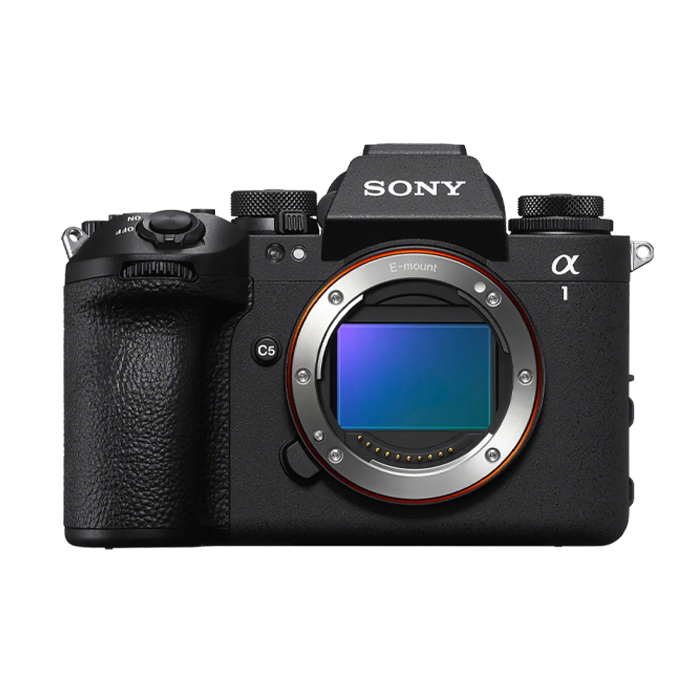
Photographers who primarily shoot perched birds, small birds in foliage, or wildlife that requires substantial cropping can benefit from its combination of resolution and autofocus intelligence. However, those who regularly photograph fast-flying birds or demanding sports may prefer a Sony A1-series or A9-series camera with a higher maximum burst rate.
Landscape, Architecture, and Fine-Art Photographers
The 61MP sensor captures detailed textures and tonal information for large prints and demanding post-processing. Improved stabilization helps when photographing static scenes handheld, while Pixel Shift Multi Shooting can deliver exceptional detail in controlled conditions. Focus bracketing is also useful when a scene requires greater depth of field than a single exposure can provide.
Portrait, Studio, and Commercial Photographers
Portrait and commercial photographers can take advantage of high resolution, advanced human recognition, eye tracking, and flexible RAW file options. The articulating LCD and high-resolution EVF make composition easier across a range of shooting positions. The camera is well suited to fashion, product photography, advertising, and studio assignments where fine detail and flexible cropping are priorities.
Hybrid Creators and Videographers
Creators who combine still photography with video will appreciate 8K recording, 4K 60p in Super 35mm mode, and internal 10-bit 4:2:2 recording. The multi-angle screen is useful for solo shooting, low-angle footage, and vertical compositions. However, professionals who frequently record long takes should evaluate thermal performance and recording requirements before choosing the A7R V as their primary video camera.
Photographers Who Need Flexible File Sizes
Photographers who do not need 61MP files for every assignment can use the camera's Medium and Small lossless compressed RAW options to reduce image dimensions and storage demands. This makes the A7R V more practical for mixed workloads involving everyday photography, events, and high-resolution commercial projects.
Buying Recommendation
The Sony A7R V is worth considering if you want a high-resolution camera with significantly improved autofocus intelligence, better handling flexibility, and more advanced video capabilities than the A7R IV A. The dedicated AI processing unit, deeper buffer, eight-stop-rated stabilization, multi-angle LCD, and 10-bit video recording make it a more versatile camera for demanding photography and hybrid production.
If your primary interest is wildlife and bird photography, the A7R V offers a strong balance between resolution and tracking capability. Its ability to recognize birds and animals is particularly valuable when subjects move unpredictably or become partially obscured. Nevertheless, if your main priority is capturing fast-moving birds in flight at the highest possible frame rate, compare it with the Sony A1 II and other high-speed bodies before deciding.
For landscape, portrait, and studio photographers, the A7R V's 61MP sensor provides image quality comparable in resolution to the A7R IV A, while its newer processing system and handling improvements make it a more capable overall camera. If the A7R IV A is substantially less expensive and your work mainly involves static subjects, it may still offer better value.
Before purchasing, consider the total system cost, including compatible lenses, high-speed memory cards, batteries, storage, and a computer capable of handling large RAW files and high-resolution video. Choose the A7R V when its autofocus, stabilization, screen design, and hybrid-video features justify the additional cost for your photography.
Final Verdict
The Sony Alpha 7R V is a powerful high-resolution full-frame mirrorless camera that builds on the strengths of the A7R IV A with more intelligent autofocus, improved handling, enhanced stabilization, and substantially more advanced video options. Its 61MP sensor delivers excellent cropping flexibility, while AI-powered subject recognition helps make wildlife, bird, portrait, and action photography more dependable.
Its greatest strength is the combination of high resolution and advanced autofocus rather than outright shooting speed. The 10 fps maximum burst rate means it is not the ideal choice for every high-speed sports or bird-in-flight photographer, but it offers a compelling balance for those who want detailed still images and capable video in a single body.
Overall, the Sony A7R V is an excellent choice for advanced hobbyists and professionals who need exceptional detail, modern subject tracking, and versatile hybrid capabilities. Compared with the A7R IV A, it is the more complete and capable camera, particularly for wildlife photographers and creators who benefit from its AI autofocus and improved video features.
Video Reviews


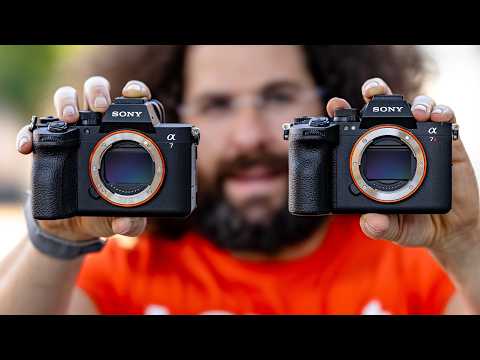
Video Comparisons
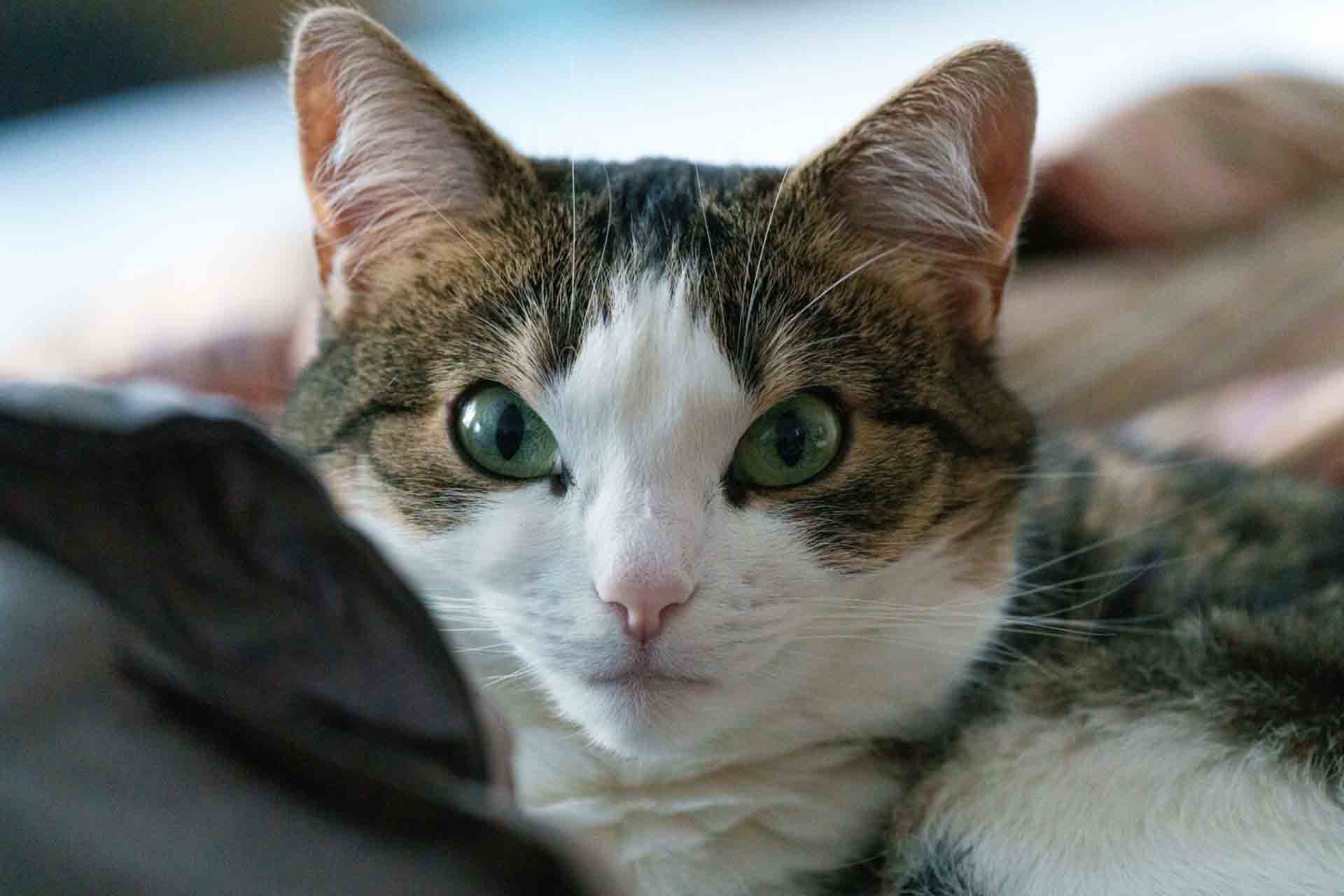
Sample Images