Overview
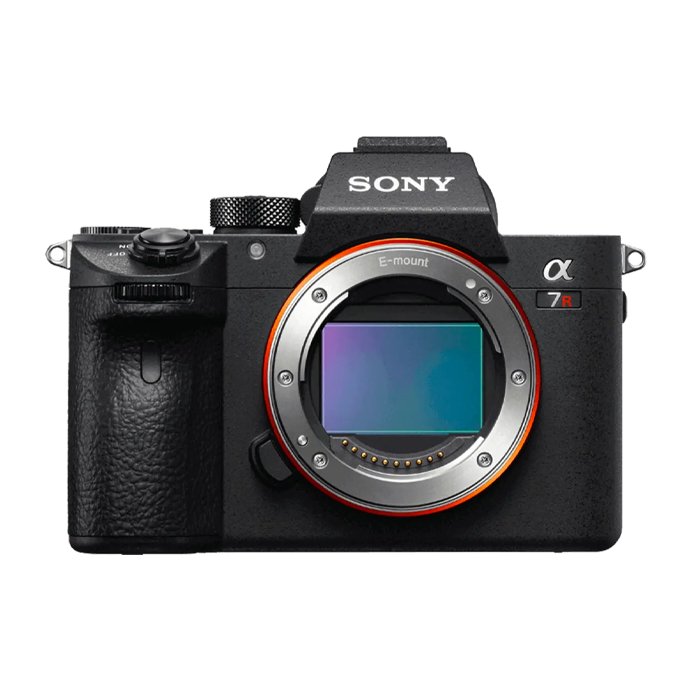
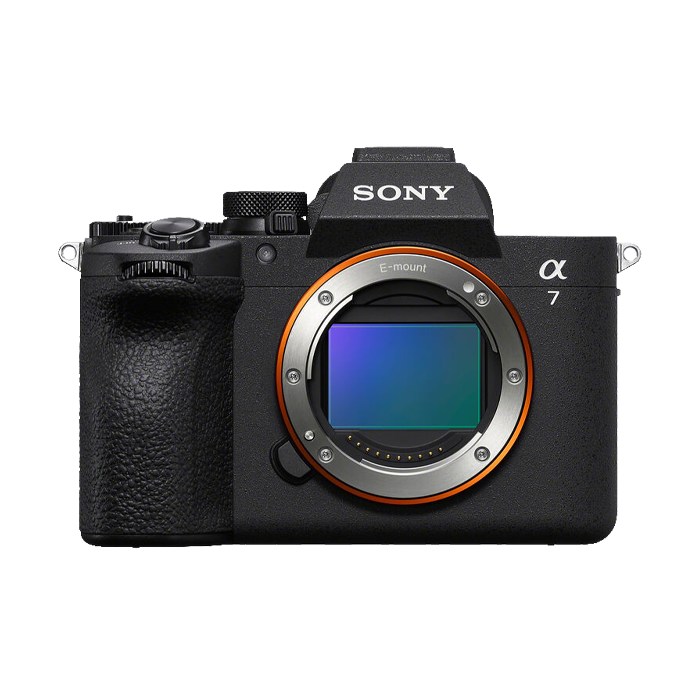
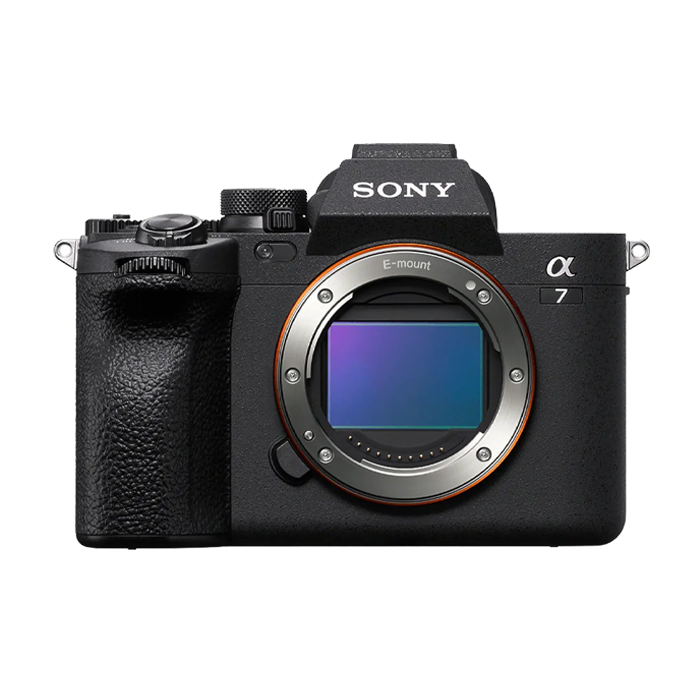
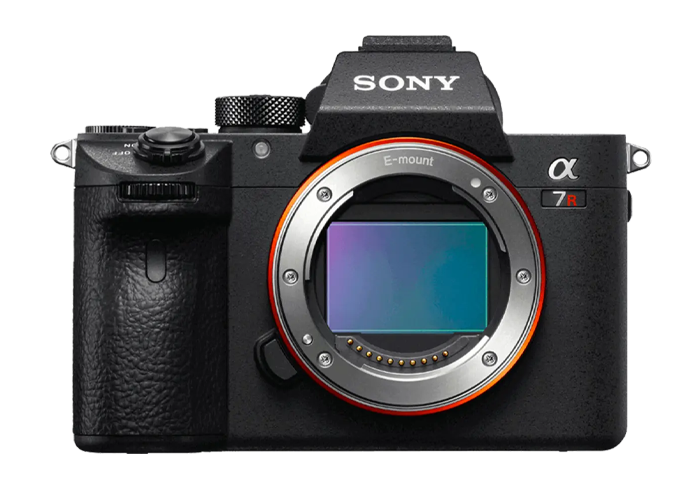
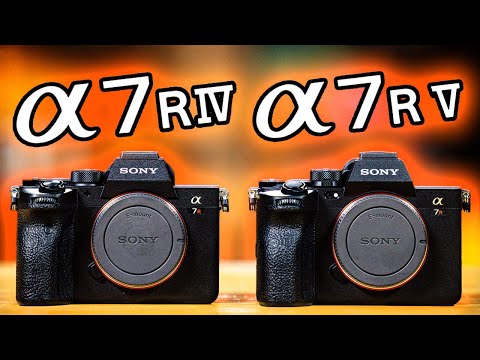
The Sony Alpha 7R IV A (ILCE-7RM4A) is a high-resolution full-frame mirrorless camera designed for photographers who demand exceptional image detail, extensive cropping flexibility, and reliable autofocus performance. As a refined version of the original A7R IV, the A7R IV A features an upgraded 2.36-million-dot rear LCD monitor, replacing the original 1.44-million-dot display, along with a revised USB-C interface.
At its core, the camera features a 61.0-megapixel back-illuminated Exmor R CMOS sensor and the BIONZ X image processor. Its combination of high resolution, 10 fps continuous shooting, advanced subject detection, and five-axis in-body image stabilization makes it suitable for landscape, portrait, studio, commercial, and selected wildlife photography.
Although the A7R IV A offers impressive still-image capabilities, its 4K video recording is limited to 30p and 8-bit color, and its high-resolution files require substantial storage and processing resources. It is best suited to photographers who prioritize image quality and detail over advanced video features or flagship-level action performance.
Key Specifications and Features
61.0MP Full-Frame Exmor R CMOS Sensor
The 61.0-megapixel back-illuminated full-frame sensor captures exceptionally detailed images with extensive cropping flexibility. It is particularly valuable for landscape, architecture, product, and commercial photography, where fine textures and accurate detail reproduction are important. The camera also provides a broad dynamic range, helping photographers preserve highlight and shadow detail in demanding lighting conditions.
Advanced Hybrid Autofocus System
The autofocus system combines 567 phase-detection points covering approximately 74% of the image area with 425 contrast-detection points. Real-time Eye AF supports human and animal subjects, helping photographers maintain focus on eyes for portraits and wildlife photography. Its autofocus capabilities are well suited to general action and moving subjects, although newer Sony cameras offer more advanced subject recognition and tracking.
Continuous Shooting at Up to 10 fps
The A7R IV A can shoot at up to 10 frames per second with autofocus and auto-exposure tracking. Its buffer can accommodate approximately 68 compressed RAW or JPEG images, depending on file format and shooting conditions. This performance is useful for capturing brief moments in sports, wildlife, and event photography, although the camera is not designed to match the sustained burst performance of newer flagship models.
Five-Axis In-Body Image Stabilization
The integrated five-axis image stabilization system provides compensation rated at up to 5.5 stops under applicable testing conditions. This helps reduce camera shake when shooting handheld, particularly with static subjects in lower light. Actual results depend on the lens, focal length, shooting technique, and subject movement. Stabilization cannot freeze a moving bird or person, so a sufficiently fast shutter speed remains essential for action photography.
Pixel Shift Multi Shooting
Pixel Shift Multi Shooting captures a sequence of 16 images using sensor-shift technology. Compatible software can combine these frames into a composite image of approximately 240.8 megapixels, delivering exceptionally fine detail and improved color sampling. This feature is particularly useful for stationary subjects such as artwork, architecture, and studio products. Because multiple frames must be combined, it is unsuitable for moving subjects without potential artifacts.
Improved 2.36-Million-Dot LCD Monitor
One of the main differences between the A7R IV A and the original A7R IV is its higher-resolution rear LCD monitor. The A7R IV A features approximately 2.36 million dots, compared with approximately 1.44 million dots on the original model. The improved display provides a clearer view for image review, manual focusing, and menu navigation. The camera retains a tilting screen design rather than a fully articulating display.
Dual UHS-II SD Card Slots
The camera includes two memory card slots compatible with UHS-II SD cards, allowing photographers to configure separate storage, simultaneous recording, or file-type separation according to their workflow. Dual slots are useful for professional assignments and provide additional flexibility when managing large high-resolution files.
Battery Life and Ergonomics
The camera uses Sony's NP-FZ100 battery and offers a deep grip, customizable controls, and a rear control wheel for practical handling. Battery life is rated at approximately 660 shots using the rear monitor or around 530 shots using the electronic viewfinder under CIPA testing, although actual results vary. Photographers working on extended assignments may benefit from carrying spare batteries.
4K Video Recording
The A7R IV A records 4K video at up to 30p, with full-frame and Super 35mm recording options depending on the selected settings. Its high-resolution sensor supports detailed footage, but internal recording is limited to 8-bit color. The camera lacks the higher frame rates, advanced video formats, and more extensive video features found in newer hybrid cameras. It is therefore more suitable for photographers who occasionally record video than for filmmakers seeking advanced production capabilities.
Key Specifications
Specification | Details |
|---|---|
Camera Type | Full-frame mirrorless camera |
Model | Sony Alpha 7R IV A (ILCE-7RM4A) |
Sensor | 61.0MP back-illuminated Exmor R CMOS |
Image Processor | BIONZ X |
Autofocus System | Fast hybrid AF with 567 phase-detection and 425 contrast-detection points |
Eye AF | Real-time Eye AF for humans and animals |
Maximum Continuous Shooting | Up to 10 fps with AF/AE tracking |
Image Stabilization | Five-axis in-body stabilization, rated up to 5.5 stops |
Pixel Shift Multi Shooting | 16-frame capture, approximately 240.8MP composite |
Rear LCD Monitor | 3.0-inch tilting touchscreen, approximately 2.36 million dots |
Electronic Viewfinder | 5.76-million-dot OLED EVF |
Memory Card Slots | Dual SD slots, both supporting UHS-II |
Video Recording | 4K UHD up to 30p, 8-bit internal recording |
USB Interface | USB-C with USB 3.2 Gen 1 support |
Battery | Sony NP-FZ100 |
Lens Mount | Sony E-mount |
Camera Stabilization | In-body five-axis sensor-shift stabilization |
Pros and Cons
Pros | Cons |
|---|---|
Excellent 61MP full-frame image resolution | Large RAW files require substantial storage and processing power |
Extensive cropping flexibility for distant subjects | High-resolution files can reveal camera shake and lens limitations |
Reliable human and animal Eye AF | Autofocus tracking is less advanced than on newer Sony bodies |
Continuous shooting up to 10 fps | Limited burst speed and buffer performance for demanding action work |
Five-axis in-body image stabilization | Stabilization cannot freeze subject movement |
16-frame Pixel Shift mode for highly detailed static subjects | Pixel Shift requires stationary subjects and post-processing |
Sharper rear LCD than the original A7R IV | Screen tilts but does not fully articulate for front-facing recording |
Dual UHS-II SD card slots | 4K video is limited to 30p and 8-bit internal recording |
Broad selection of compatible Sony E-mount lenses | Not as specialized for demanding wildlife action as newer flagship cameras |
Who Should Buy This Camera?
Landscape, Architecture, and Fine-Art Photographers
The A7R IV A is an excellent choice for photographers who prioritize resolution, dynamic range, and fine detail. Its 61MP sensor captures intricate textures in landscapes, buildings, and artwork. The Pixel Shift feature can further improve detail reproduction when photographing stationary scenes, making it particularly appealing for tripod-based work and high-resolution prints.
Portrait, Studio, and Commercial Photographers
Portrait and commercial photographers can take advantage of the camera's high resolution to crop images while retaining substantial detail. Human Eye AF helps maintain focus on a subject's eyes, while the dual card slots support flexible file-management workflows. The A7R IV A is especially attractive for controlled studio environments, product photography, fashion, and advertising assignments.
Wildlife and Bird Photographers
The 61MP sensor provides useful cropping freedom when photographing birds and other distant wildlife. In APS-C crop mode, images retain approximately 26MP, offering a narrower field of view while preserving considerable resolution. Real-time Animal Eye AF and 10 fps continuous shooting can help capture wildlife behavior, but dense foliage, erratic movement, and fast action may challenge its older tracking system compared with newer Sony bodies.
For photographers who mainly photograph perched birds, slow-moving wildlife, or animals in good light, the A7R IV A remains capable. Those who regularly photograph birds in flight, fast-moving subjects, or wildlife in difficult conditions should also consider newer cameras with improved subject recognition, tracking, and burst performance.
Photographers Who Occasionally Record Video
The A7R IV A is suitable for photographers who need high-quality 4K clips alongside still photography. However, creators who prioritize slow motion, 10-bit recording, advanced video profiles, or long-form video production should consider a more video-focused model.
Buying Recommendation
The Sony A7R IV A is worth considering if your primary goal is to capture high-resolution still images and you can purchase it at a competitive price. Its 61MP sensor, detailed EVF, improved rear LCD, five-axis stabilization, and dual UHS-II card slots continue to make it a capable camera for demanding photography.
Before buying, compare its price and condition with the original A7R IV and newer Sony models. The A7R IV A's main advantage over the original is the higher-resolution rear LCD and revised interface, rather than a major improvement in image quality or autofocus performance. If the price difference is substantial, the original A7R IV may offer better value.
For wildlife photographers, the decision depends on the type of action you capture. The A7R IV A provides excellent resolution for cropping, but photographers who frequently shoot birds in flight or need more sophisticated subject tracking may benefit from a newer body. Also budget for high-quality lenses, fast memory cards, sufficient storage, and a computer capable of processing large RAW files.
Final Verdict
The Sony Alpha 7R IV A remains a compelling high-resolution mirrorless camera for photographers who value image detail, cropping flexibility, and dependable still-image performance. Its 61MP sensor, effective in-body stabilization, advanced Eye AF, and Pixel Shift Multi Shooting make it particularly well suited to landscapes, architecture, portraits, commercial assignments, and selected wildlife photography.
However, the A7R IV A is an incremental refinement rather than a major performance upgrade over the original A7R IV. Its 10 fps burst rate and 8-bit 4K video capabilities also reflect an older generation of camera technology. Photographers seeking the latest autofocus tracking, faster action performance, or advanced video features should compare it with newer alternatives before making a decision.
Overall, the Sony A7R IV A is an excellent choice for detail-focused photographers who want a high-resolution full-frame camera at the right price. Its greatest strength is the ability to capture exceptionally detailed images while retaining the flexibility to crop aggressively in post-processing.
Video Reviews


Video Comparisons


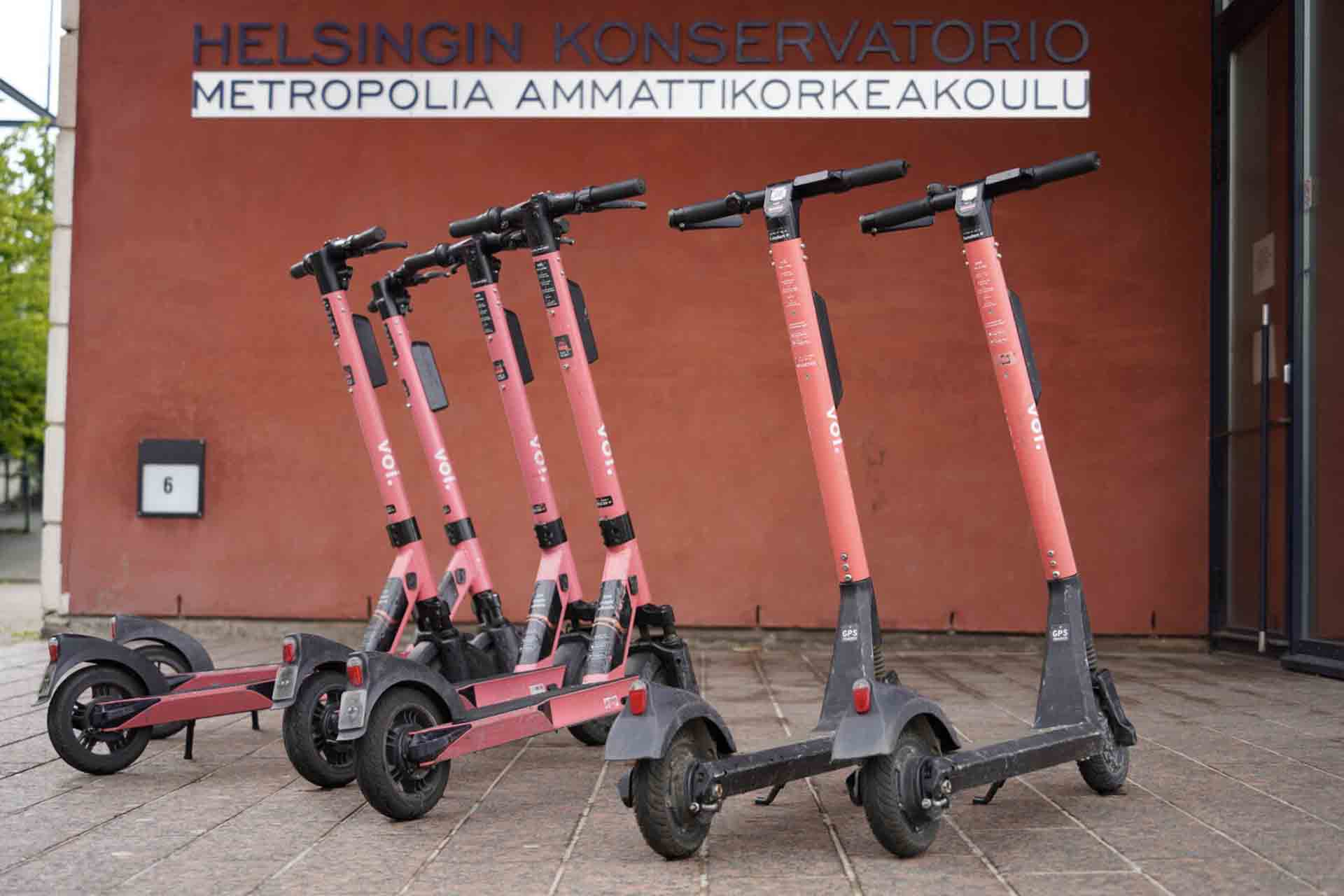
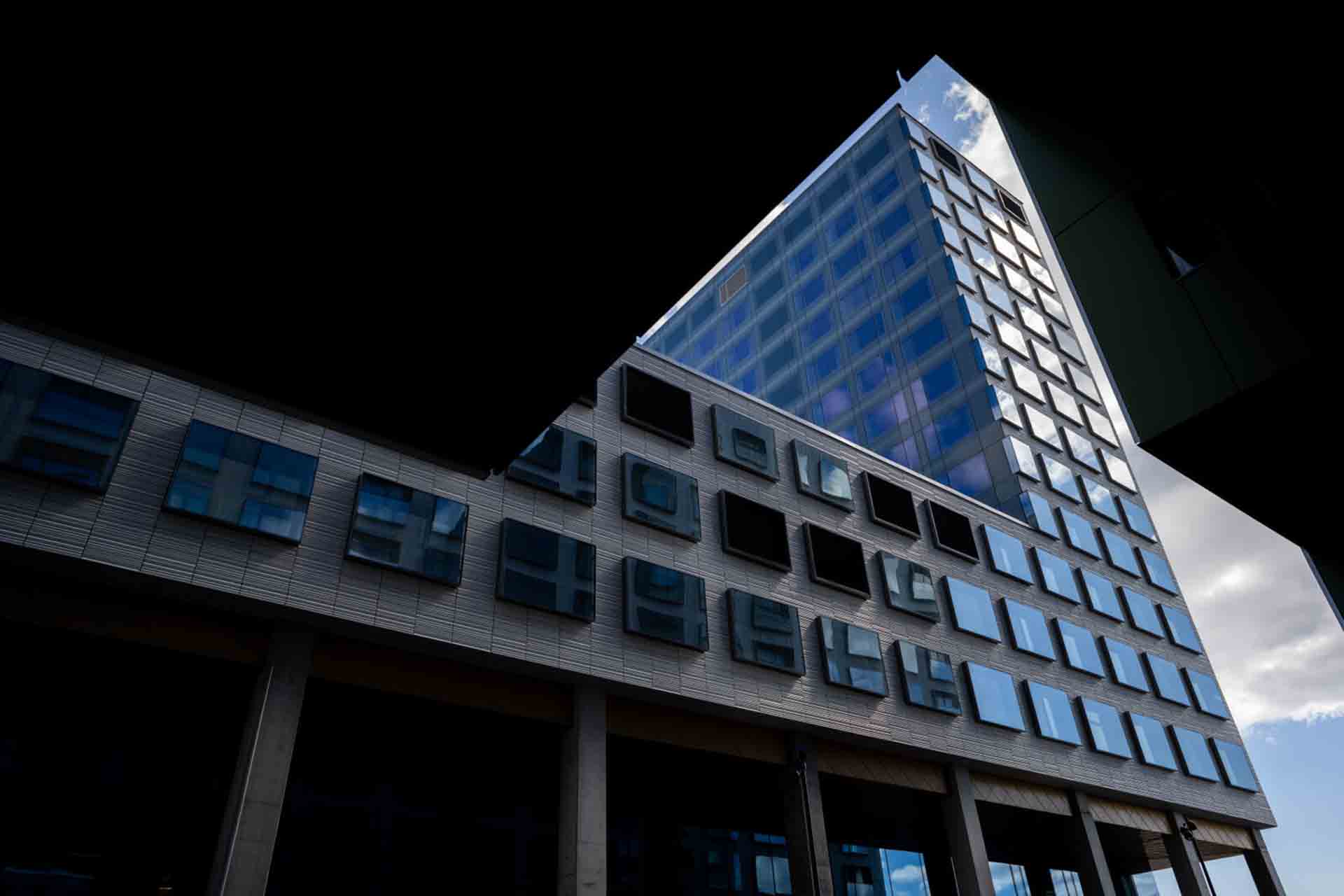
Sample Images