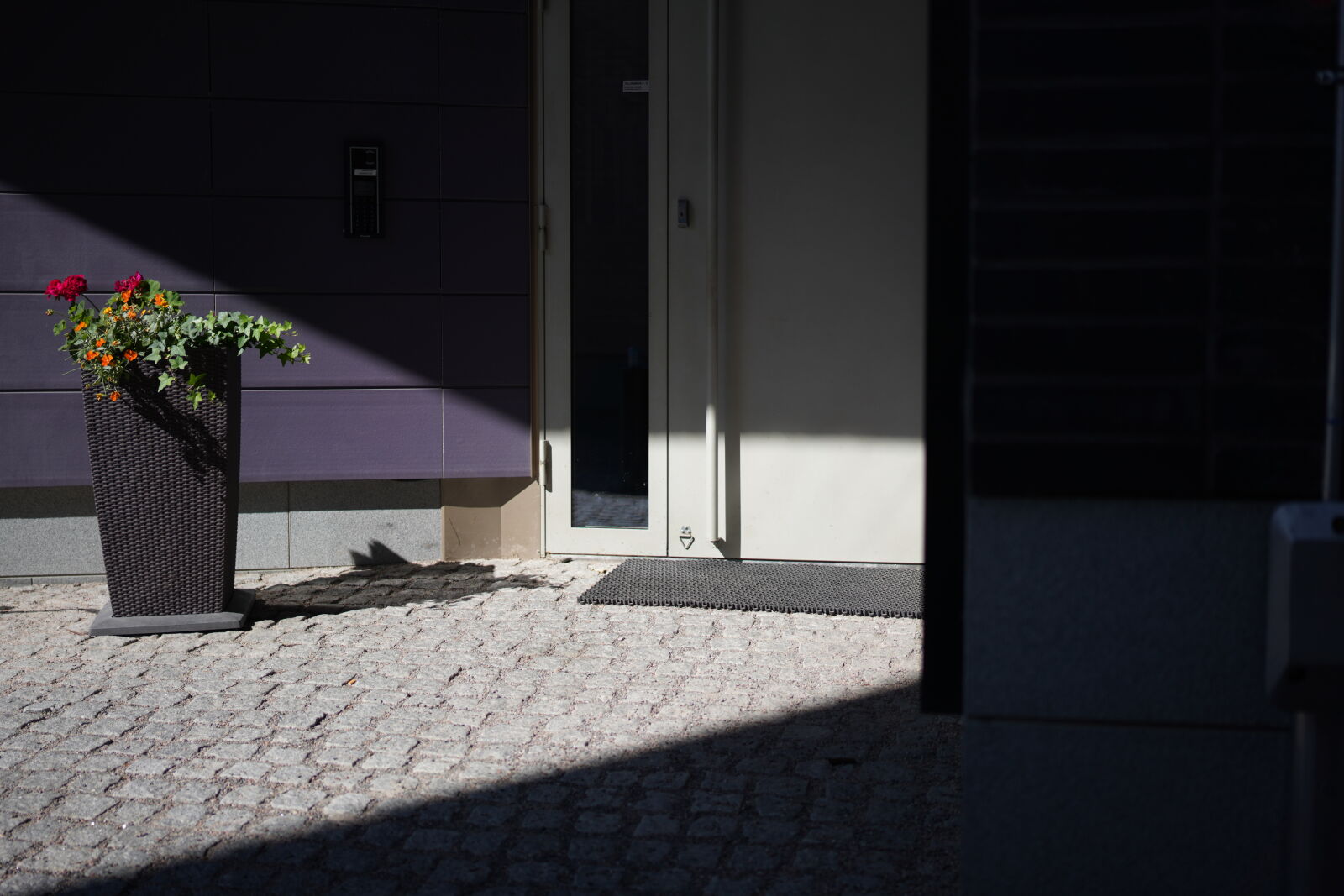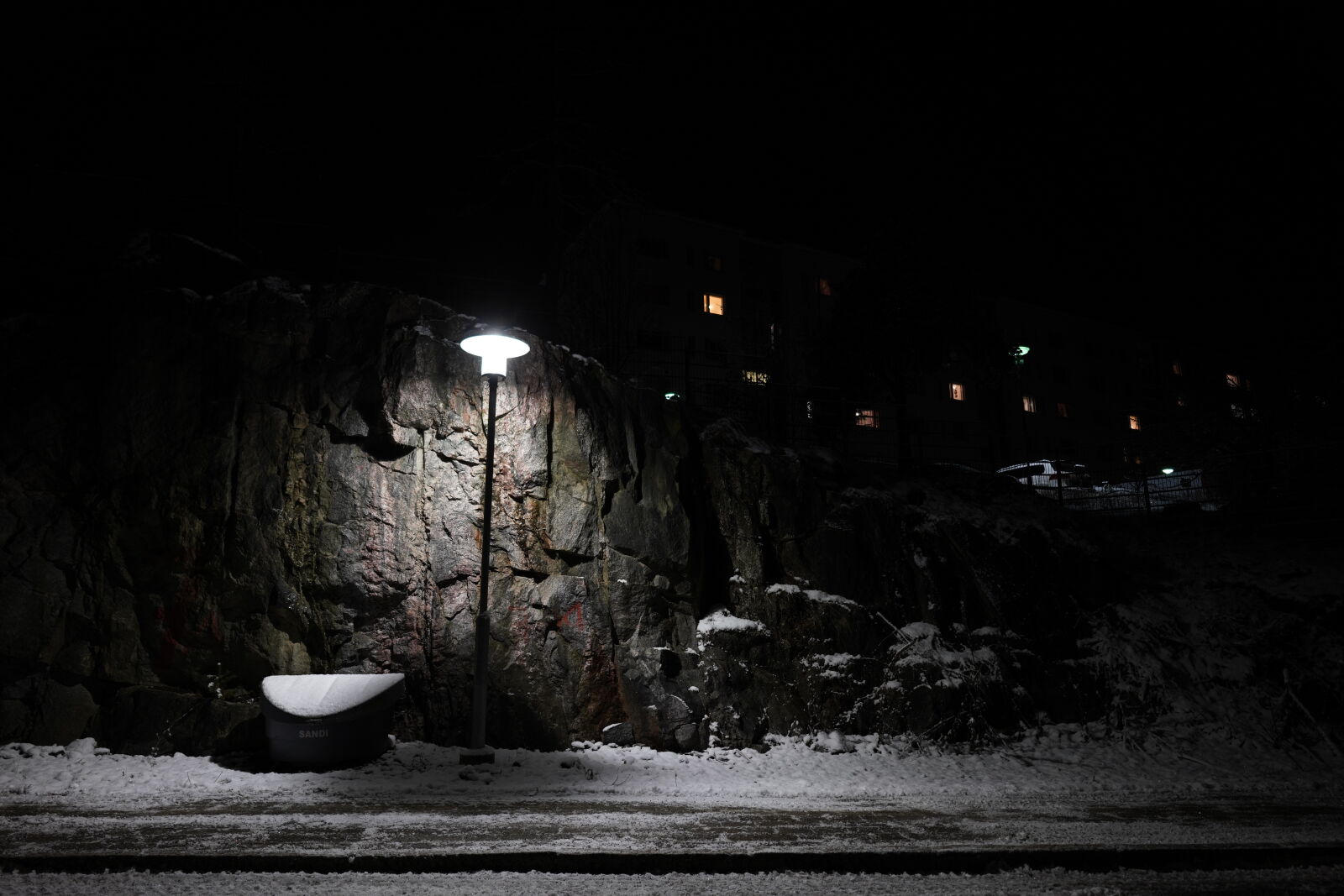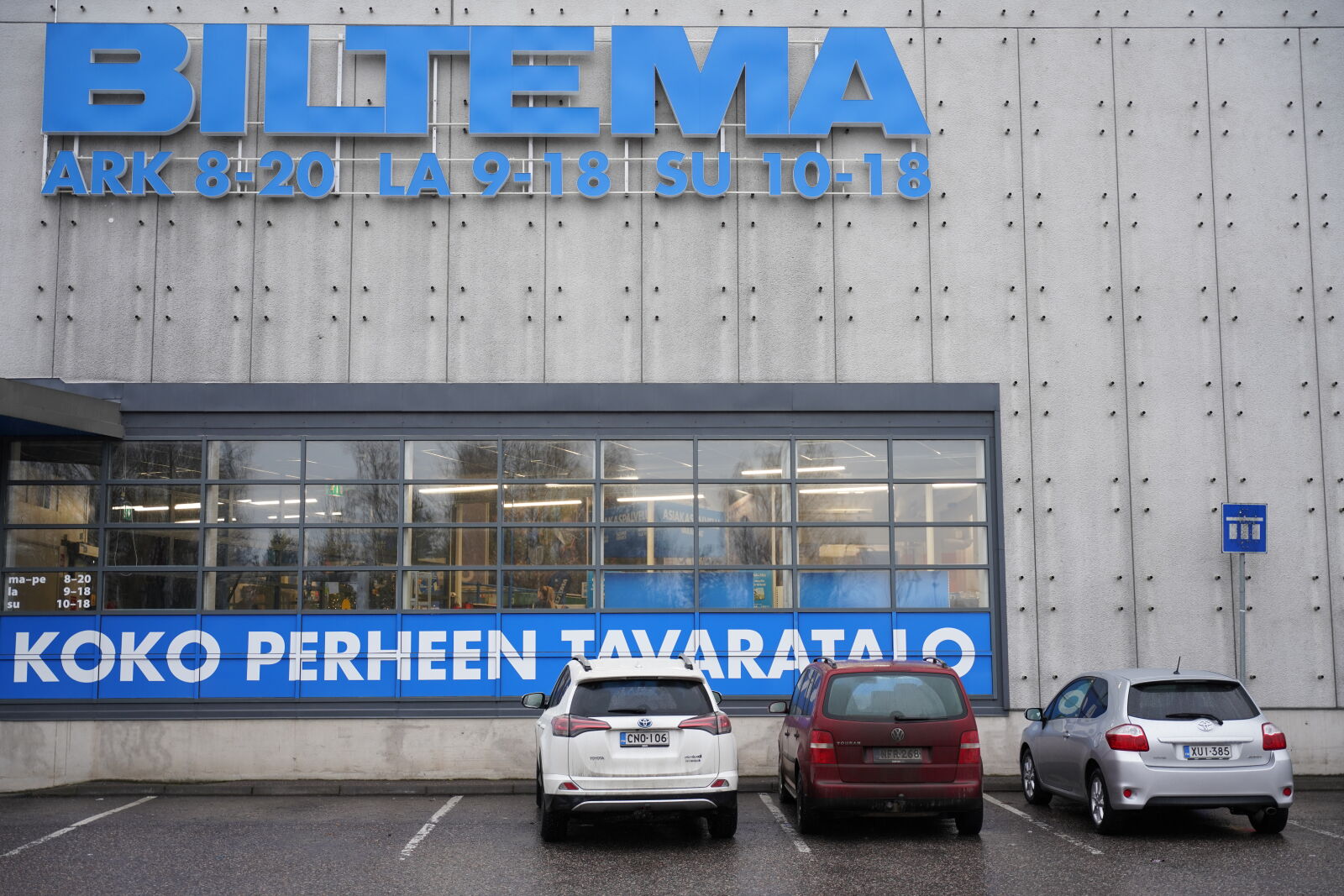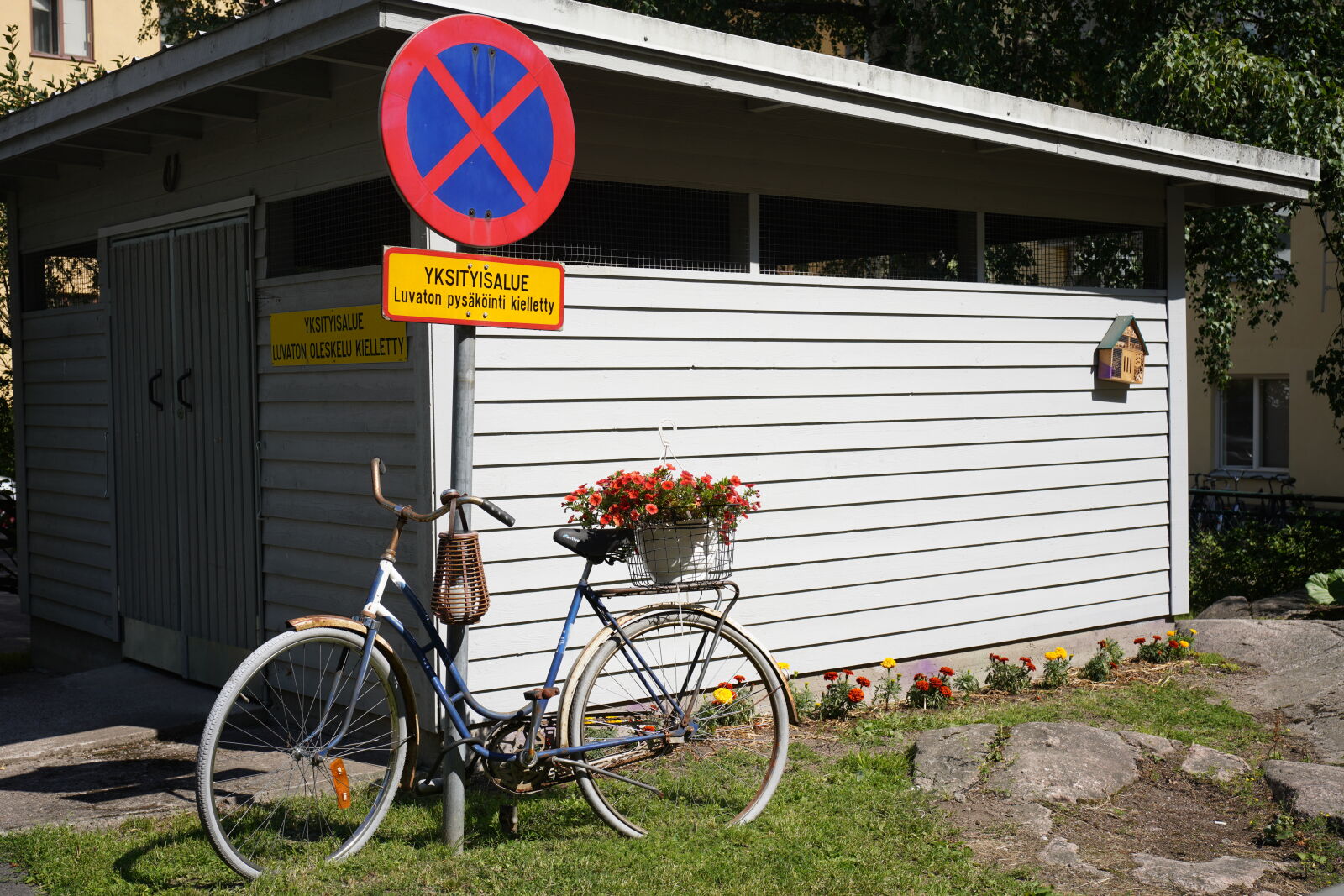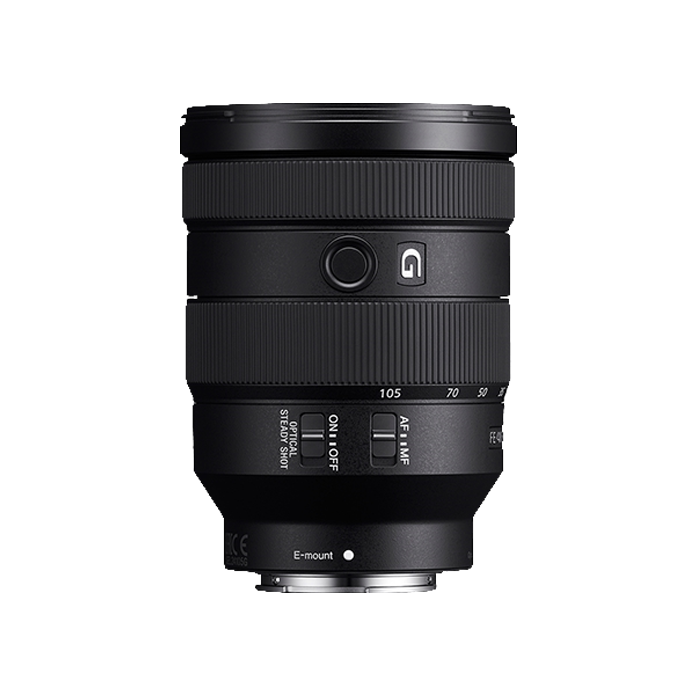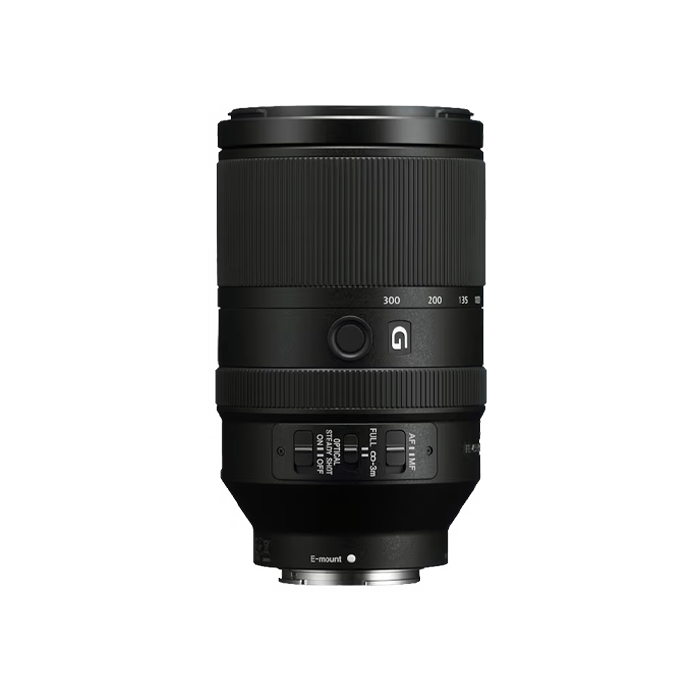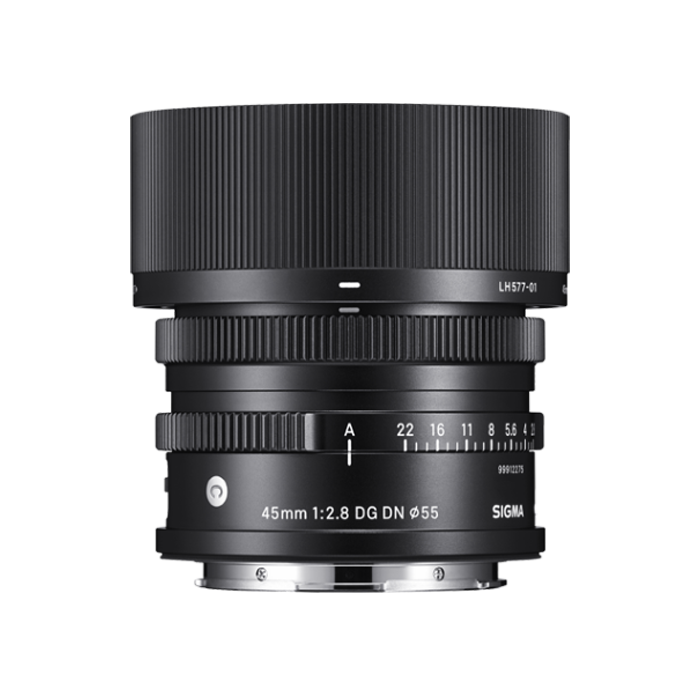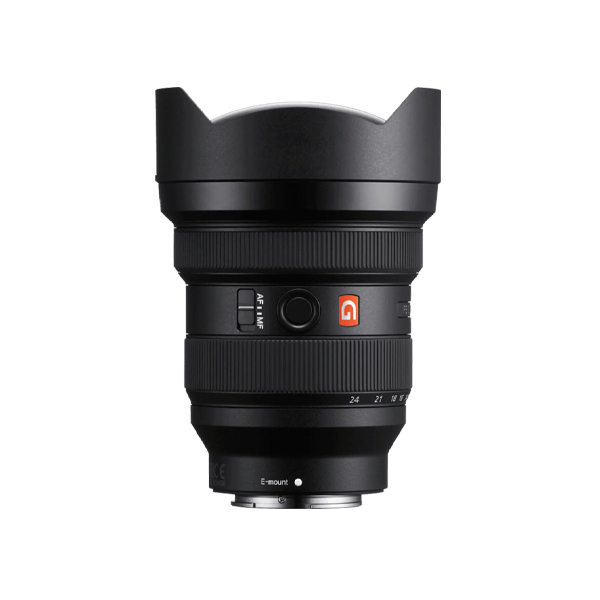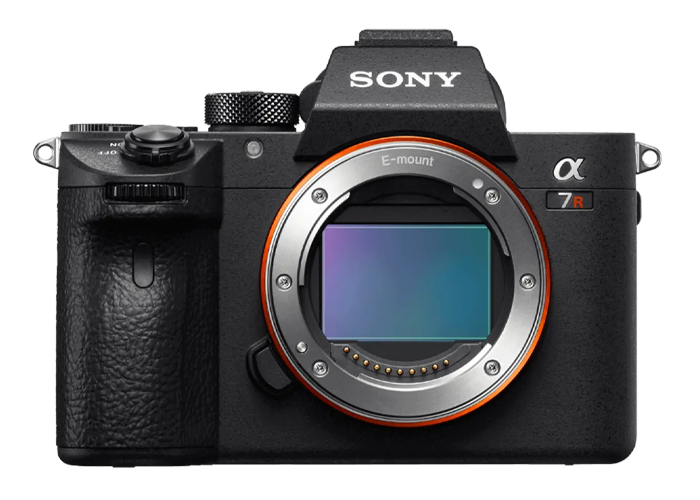
Sony a7R III: A High-Resolution Full-Frame Mirrorless Camera
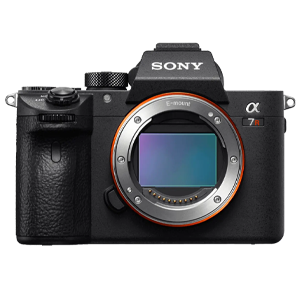
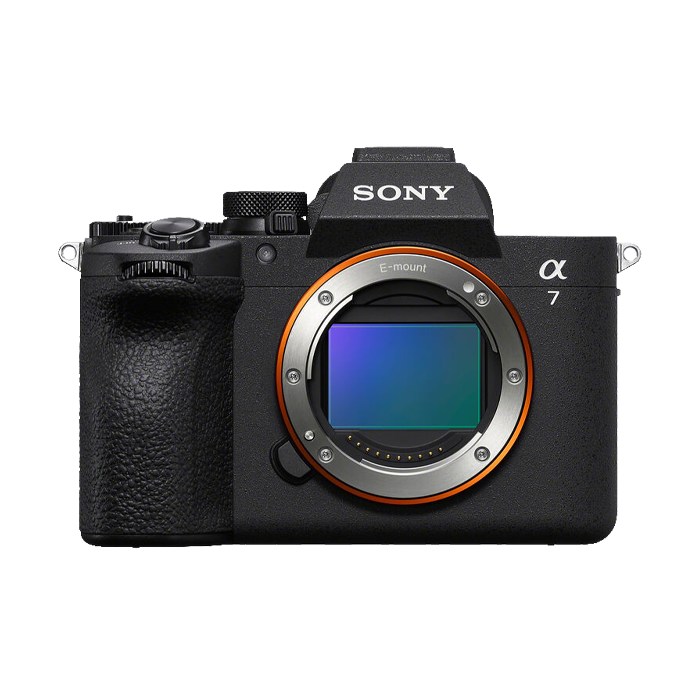
The **Sony a7R III** is a 42.4-megapixel full-frame mirrorless camera designed for photographers who demand exceptional detail without sacrificing speed or versatility. Introduced in 2017, it combines a back-illuminated Exmor R CMOS sensor with fast continuous shooting, advanced autofocus, in-body image stabilization, and improved battery life compared with earlier Sony mirrorless generations. The a7R III is particularly well suited to landscape, commercial, studio, portrait, product, and wedding photography. Its high-resolution sensor provides generous flexibility for cropping and large prints, while its responsive performance makes it more versatile than many photographers might expect from a high-megapixel camera. The later **Sony a7R IIIA** refresh retains the core imaging performance of the original model while introducing selected hardware updates, including a higher-resolution rear LCD.
Key Performance Advantages
42.4MP Back-Illuminated Full-Frame Sensor
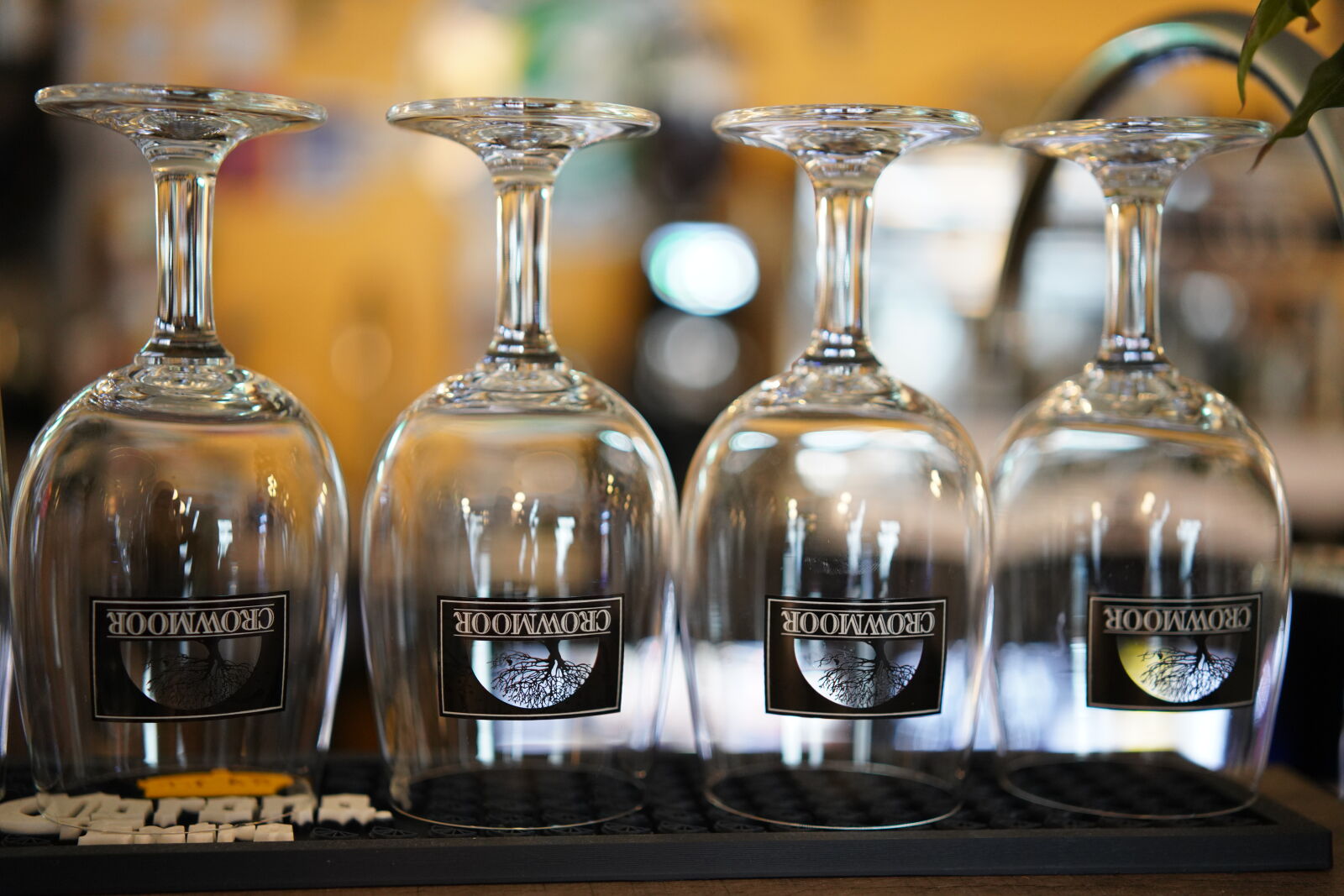
At the heart of the a7R III is a **42.4-megapixel Exmor R BSI CMOS sensor** without an optical low-pass filter. This design helps preserve fine image detail, making the camera an excellent choice for capturing intricate textures, architectural features, foliage, fabric, and other subjects that benefit from high resolution. The large number of pixels also provides flexibility when cropping images or preparing large prints. Photographers can reframe a composition during editing while retaining substantial detail, provided the original image is sharply focused and properly exposed.
Fast Continuous Shooting at Up to 10 FPS
Despite producing large image files, the a7R III can shoot at up to **10 frames per second** with either its mechanical shutter or electronic shutter, with autofocus and auto-exposure tracking available in supported shooting modes. This performance makes it useful for photographing weddings, portraits, wildlife, and selected sports situations where both resolution and speed matter. Although it is not as specialized for action as newer flagship cameras, it offers an impressive balance between high-resolution imaging and continuous shooting.
Improved NP-FZ100 Battery Life
The a7R III uses Sony’s **NP-FZ100 rechargeable battery**, which provides substantially better endurance than the smaller batteries used in earlier Sony a7 generations. The improvement is particularly useful for wedding photographers, landscape photographers, and commercial creators who spend long periods shooting away from a power source. Actual battery life varies with the use of the viewfinder, rear display, autofocus, video recording, and wireless features, so carrying a spare remains advisable for demanding assignments.
Five-Axis In-Body Image Stabilization
Sony’s five-axis SteadyShot INSIDE stabilization system helps compensate for camera shake during handheld shooting, with a rated benefit of up to approximately **5.5 stops**, depending on the lens and shooting conditions. This can help photographers use slower shutter speeds when photographing stationary subjects in low light. It is especially useful for interiors, travel scenes, architecture, and handheld product photography. Stabilization does not eliminate subject movement, so fast shutter speeds may still be necessary for people, wildlife, and other moving subjects.
Pixel Shift Multi Shooting
The a7R III includes **Pixel Shift Multi Shooting**, a feature that captures a sequence of four images while shifting the sensor by precise increments. The images can be combined using compatible Sony software to create a composite with improved color sampling and fine detail. This feature is particularly useful for controlled still-life, product, and architectural photography, where the camera and subject can remain completely stationary. It is not intended for moving subjects, since movement between exposures can introduce artifacts into the composite.
Dual Memory Card Slots
The camera features **two memory card slots**, providing flexible storage options for professional and enthusiast workflows. Slot 1 supports UHS-II SD cards, while the second slot supports UHS-I SD cards and Memory Stick Duo media. Photographers can configure compatible recording options to duplicate images for backup, separate RAW and JPEG files, or extend recording capacity. Dual-slot recording is particularly valuable for wedding and event photography, where having a second copy of important images can provide additional peace of mind.
Core Specifications
Feature | Specification |
|---|---|
Sensor | 42.4MP full-frame Exmor R BSI CMOS |
Image stabilization | Five-axis SteadyShot INSIDE, rated up to approximately 5.5 stops |
Autofocus | 399 phase-detection and 425 contrast-detection points |
Continuous shooting | Up to 10 fps with AF/AE tracking in supported modes |
Video | 4K UHD recording up to 30p |
Video profiles | S-Log2, S-Log3, and HLG |
Electronic viewfinder | 3.69-million-dot OLED EVF |
Memory cards | Dual slots; Slot 1 supports UHS-II SD |
Battery | Sony NP-FZ100 |
Pixel Shift | Four-shot Pixel Shift Multi Shooting |
Who Is the Sony a7R III Best For?
The Sony a7R III is designed for **commercial photographers, landscape specialists, portrait photographers, product creators, and wedding professionals** who want high resolution alongside responsive autofocus and practical shooting speed.
Studio, Fashion, and Commercial Photographers
The 42.4MP sensor captures detailed images suitable for high-quality prints, advertising materials, and commercial projects. Fine details in clothing, jewelry, cosmetics, and other products can be preserved with impressive clarity when lighting and focus are carefully controlled. The extra resolution also gives photographers more flexibility during post-processing. A single image can sometimes support alternative crops for different layouts or publication formats without requiring a separate photograph for every composition.
Landscape and Fine-Art Photographers
The high-resolution sensor is particularly attractive for landscapes, where intricate textures in rocks, trees, clouds, and distant scenery can contribute to the final image. Its detailed files provide flexibility for large prints and careful cropping. Pixel Shift Multi Shooting adds another option for stationary scenes when precise color reproduction and fine detail are priorities. For moving foliage, changing clouds, or wildlife within a landscape, conventional single-frame capture is generally more practical.
Portrait and Wedding Photographers
Sony’s Eye AF helps maintain focus on a subject’s eye, making the a7R III useful for portraits, candid moments, and wedding photography. Its high resolution also allows photographers to crop a wider composition into a tighter portrait during editing. The combination of 10 fps continuous shooting, in-body stabilization, and improved battery life makes it a versatile choice for photographers who need detailed images throughout a long assignment. Dual card slots also provide useful recording flexibility for important events.
Product and Architecture Photographers
The camera’s resolution and dynamic range make it well suited to product photography, interiors, and architectural details. Stabilization can help when working handheld in suitable conditions, while Pixel Shift Multi Shooting can improve detail and color sampling for stationary subjects. For the most demanding architectural and product assignments, a tripod, controlled lighting, and careful alignment remain valuable tools for maximizing image quality.
Who Should Consider Another Camera?
Casual Photographers Who Prefer Smaller Files
The a7R III’s 42.4MP RAW files require more storage and can take longer to transfer, organize, and process than files from lower-resolution cameras. Photographers who primarily share images online or take casual family snapshots may find a 24MP model, such as the Sony a7 III, more convenient and economical.
Videographers Who Need Advanced Internal Recording
The a7R III records detailed 4K video and offers useful picture profiles, but it lacks some of the advanced internal recording options available on newer video-oriented cameras. In particular, it does not provide the same modern 10-bit internal recording capabilities found in cameras such as the Sony a7S III. Filmmakers who prioritize extensive color grading, high-frame-rate video, or specialized cinema workflows may be better served by a newer hybrid or cinema-focused body.
Photographers Who Frequently Shoot Fast Action
Although 10 fps is impressive for a high-resolution camera, newer sports and wildlife models offer faster burst rates, more advanced subject recognition, and improved tracking in challenging situations. Photographers who regularly capture fast-moving birds, professional sports, or unpredictable action should compare the a7R III with more recent camera bodies before making a decision.
Final Verdict
The **Sony a7R III remains a capable high-resolution full-frame mirrorless camera** for photographers who need detailed images without giving up useful shooting speed. Its 42.4MP sensor, 10 fps continuous shooting, Eye AF, five-axis image stabilization, Pixel Shift Multi Shooting, and dual card slots make it a versatile tool for professional and enthusiast photography. Its large files and older video feature set may not suit everyone, but for landscape, studio, commercial, portrait, product, and wedding photography, the a7R III offers a compelling balance of resolution and performance. It is particularly worth considering on the used market, where it can provide access to high-resolution full-frame imaging at a more accessible price than newer models.
Video Reviews

Video Comparisons


Sample Images