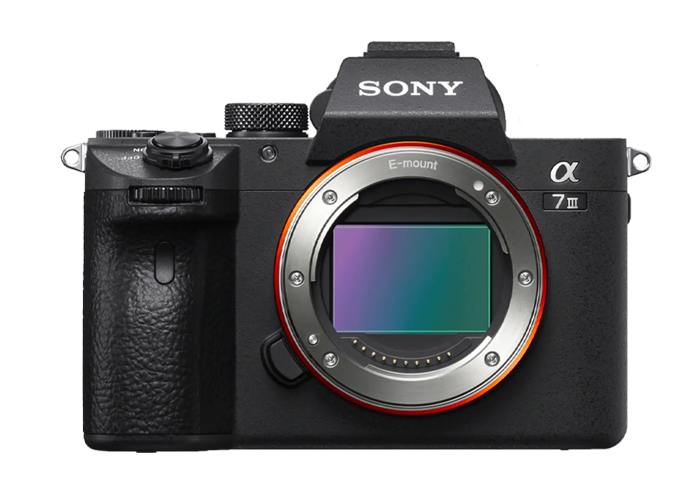
Overview
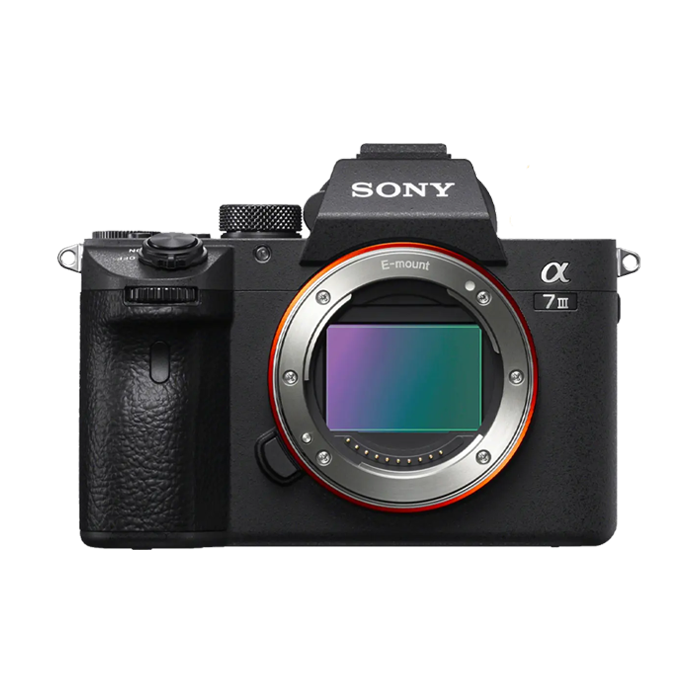
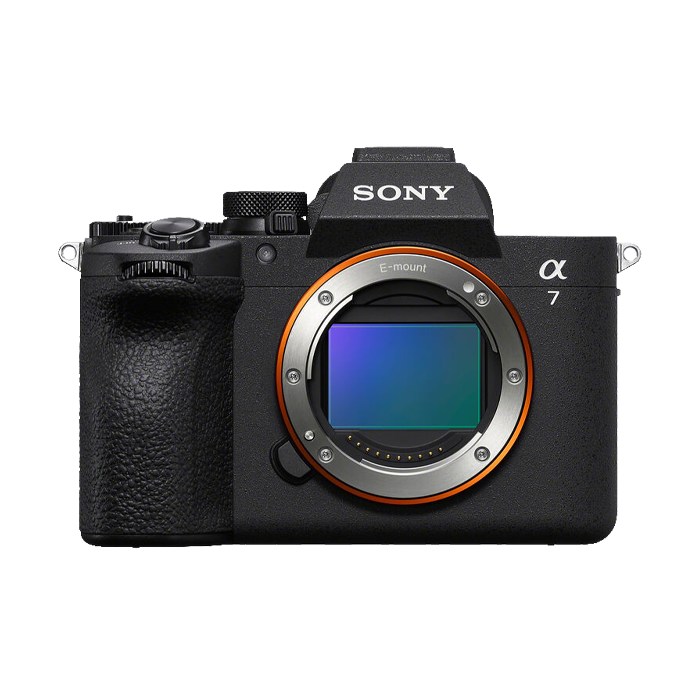
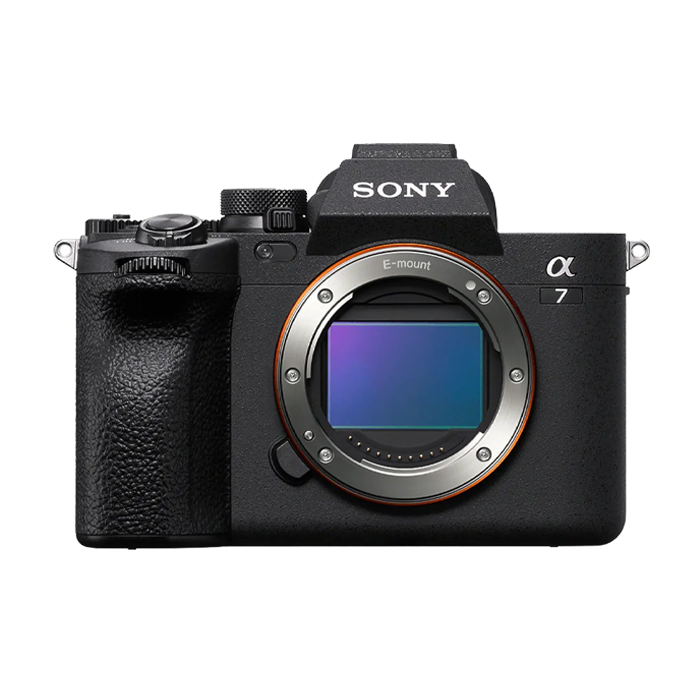
The Sony Alpha a7 III (ILCE-7M3) is a full-frame mirrorless camera introduced in 2018 that remains a popular choice for photographers seeking an affordable balance of image quality, autofocus performance, and versatility. Its 24.2-megapixel back-illuminated Exmor R CMOS sensor delivers detailed images, strong dynamic range, and reliable low-light performance without the large file sizes associated with high-resolution cameras in Sony's a7R series.
With continuous shooting at up to 10 frames per second, 693 phase-detection autofocus points, Eye AF, and a long-lasting NP-FZ100 battery, the a7 III is suitable for portraits, travel, events, landscapes, and everyday photography. Its dual SD card slots also make it a practical option for photographers who need flexible storage and image backup.
Although newer Sony cameras offer improved autofocus recognition, higher-resolution displays, and more advanced video capabilities, the a7 III remains a compelling option for photographers who prioritize dependable performance and value over the latest technology.
Key Specifications and Features
24.2MP Full-Frame Sensor: The back-illuminated Exmor R CMOS sensor produces detailed photographs with good dynamic range and impressive high-ISO performance. Its moderate resolution also helps keep file sizes manageable for editing and storage.
693-Point Phase-Detection Autofocus: The autofocus system covers approximately 93% of the image area and includes 425 contrast-detection areas. Eye AF for humans helps photographers capture sharp portraits and candid moments.
Continuous Shooting at Up to 10 fps: The a7 III can capture action at up to 10 frames per second with autofocus and auto-exposure tracking, making it suitable for sports, wildlife, and other moving subjects.
Reliable Low-Light Performance: The 24.2MP sensor balances resolution and noise performance, making the camera useful for indoor events, evening photography, and dimly lit environments.
Long-Lasting NP-FZ100 Battery: The battery is rated for approximately 610 shots using the electronic viewfinder or 710 shots using the LCD under CIPA testing standards. Actual battery life varies with shooting conditions and settings.
Dual SD Card Slots: Two card slots provide flexible storage options. Slot 1 supports UHS-II cards, while Slot 2 supports UHS-I cards. Photographers can configure compatible recording modes for backup, overflow, or file separation.
4K Video Recording: The camera records 4K video at up to 30p, with full-frame 24p recording using approximately 6K oversampling for detailed footage. It also supports HLG, S-Log2, and S-Log3 picture profiles for more flexible post-production workflows.
Tilting LCD and Electronic Viewfinder: The 3.0-inch LCD has approximately 922,000 dots and tilts upward and downward. The 2.36-million-dot electronic viewfinder provides a clear shooting view, although both displays have lower resolution than those on many newer models.
Compact Full-Frame Design: The camera combines a relatively compact body with a comfortable grip and extensive physical controls, making it suitable for everyday use and travel.
Key Specifications
Specification | Details |
|---|---|
Camera Model | Sony Alpha a7 III (ILCE-7M3) |
Camera Type | Full-frame mirrorless camera |
Release Year | 2018 |
Sensor | 24.2MP back-illuminated Exmor R CMOS |
Image Processor | BIONZ X |
Lens Mount | Sony E-mount |
Autofocus | 693 phase-detection points and 425 contrast-detection areas |
Continuous Shooting | Up to 10 fps |
ISO Range | ISO 100–51,200 native; expandable for still photography |
Image Stabilization | 5-axis in-body image stabilization |
Viewfinder | 2.36-million-dot OLED EVF |
LCD Screen | 3.0-inch tilting touchscreen, approximately 922,000 dots |
Video Recording | 4K UHD up to 30p; Full HD up to 120p |
Video Profiles | HLG, S-Log2, and S-Log3; 8-bit internal recording |
Memory Card Slots | Two SD slots; Slot 1 supports UHS-II |
Battery | NP-FZ100 |
Battery Life | Approximately 610 EVF shots or 710 LCD shots (CIPA) |
Connectivity | Wi-Fi, Bluetooth, USB, HDMI, microphone and headphone connections |
Pros and Cons
Pros | Cons |
|---|---|
Excellent image quality from a 24.2MP full-frame sensor | Lower resolution than modern high-megapixel cameras |
Good high-ISO performance and dynamic range | Limited resolution for aggressive cropping of distant subjects |
693 phase-detection autofocus points and Eye AF | Older subject-recognition capabilities than newer Sony models |
Up to 10 fps continuous shooting | Less advanced tracking for demanding wildlife and sports photography |
Long-lasting NP-FZ100 battery | LCD and EVF resolutions are relatively modest |
Dual SD card slots, including UHS-II support | Only Slot 1 supports UHS-II speeds |
Detailed 4K video with full-frame 24p recording | 8-bit internal video limits intensive color grading |
Compact body with 5-axis image stabilization | LCD does not flip forward for self-recording |
Often available at attractive used-market prices | Older menu system and fewer modern video conveniences |
Who Should Buy This Camera?
1. Beginners and Students Moving to Full-Frame Photography
The a7 III is an excellent option for photographers who want to move beyond entry-level APS-C cameras without spending a premium on a newer model. Its 24.2MP files provide plenty of detail for everyday photography, online publishing, and many print sizes while remaining manageable for most modern editing computers.
Buying a used body in good condition can leave more of the budget available for quality lenses, which often have a greater influence on the final image than upgrading the camera body alone.
2. Event and Wedding Photographers
The combination of dependable autofocus, 10 fps continuous shooting, strong low-light performance, and dual card slots makes the a7 III suitable for weddings, parties, indoor performances, and other important events.
Its dual card slots can be configured to record duplicate images to separate cards, providing an additional layer of protection against card failure. The long-lasting battery is also helpful during extended shooting sessions.
3. Portrait and Everyday Photographers
Eye AF, full-frame image quality, and a broad selection of Sony E-mount lenses make this camera a capable choice for portraits, family photography, street scenes, and everyday creative work.
Photographers who do not need extremely high resolution or advanced subject recognition can continue to produce excellent results with the a7 III.
4. Travel and Landscape Photographers
The relatively compact body, image stabilization, and strong dynamic range make the a7 III useful for travel photography, sunsets, architecture, and landscapes. Its 24.2MP resolution is sufficient for many online images and moderate-sized prints.
However, photographers who regularly crop heavily or produce very large prints may benefit from a higher-resolution body such as the Sony a7R IV or a7R V.
5. Budget-Conscious Hybrid Shooters
The camera's 4K recording, microphone input, headphone output, and picture profiles make it useful for photographers who also create occasional videos. It can deliver detailed footage without requiring the storage capacity associated with higher-resolution video formats.
Nevertheless, creators who prioritize advanced color grading, self-recording, or modern video features should consider a newer model.
Who Should Avoid It?
Wildlife and Bird Photographers Who Crop Heavily: The 24.2MP sensor provides less cropping flexibility than higher-resolution models. Photographers tracking small birds at a distance may prefer the a7R V, a7R VI, or another suitable high-resolution body.
Vloggers and Solo Creators: The screen tilts but does not flip forward, making it inconvenient for checking framing while facing the camera.
Filmmakers Requiring Extensive Color Grading: Its 8-bit internal video recording offers less flexibility than cameras with 10-bit recording, especially when making substantial exposure or color adjustments.
Photographers Seeking the Latest Autofocus Technology: Newer Sony cameras offer more advanced subject recognition and tracking, which can be valuable for demanding wildlife, sports, and action photography.
Buying Recommendation
The Sony a7 III is worth considering if you want an affordable full-frame camera with dependable image quality, capable autofocus, good low-light performance, and a practical set of professional features.
At an illustrative new body-only price of around $1,499, its value depends heavily on current availability and competing offers. Because it is an older model, compare current prices for new, refurbished, and used bodies before purchasing. A well-maintained used body may provide better value, particularly if the savings allow you to invest in a suitable lens.
Before buying used, check the sensor for damage, shutter operation and count where available, autofocus performance, card slots, ports, battery condition, and the overall condition of the camera. Confirm that the seller offers a reasonable return policy.
For photographers building a system on a budget, the a7 III remains a sensible choice. However, if you regularly photograph fast-moving wildlife or birds in bushes, a newer body with improved subject recognition may deliver a higher keeper rate. If you primarily photograph portraits, travel, family events, or landscapes, the a7 III can still be an excellent value.
Final Verdict
The Sony Alpha a7 III remains a capable and versatile full-frame mirrorless camera years after its introduction. Its 24.2MP sensor, reliable Eye AF, 10 fps burst shooting, strong battery life, in-body image stabilization, and dual SD card slots provide a well-rounded package for enthusiasts and working photographers.
Its main disadvantages are its aging autofocus technology, relatively modest display resolution, non-articulating screen, and 8-bit internal video recording. These limitations matter more to wildlife specialists, demanding action photographers, and advanced video creators than to people shooting portraits, travel, events, and everyday subjects.
Overall, the Sony a7 III is a strong budget-friendly full-frame camera when purchased at the right price. It is particularly attractive to photographers who value dependable image quality and a mature lens ecosystem over cutting-edge features. Those who need greater cropping flexibility, more advanced autofocus, or improved video capabilities should compare it with newer Sony models before making a final decision.
Video Reviews
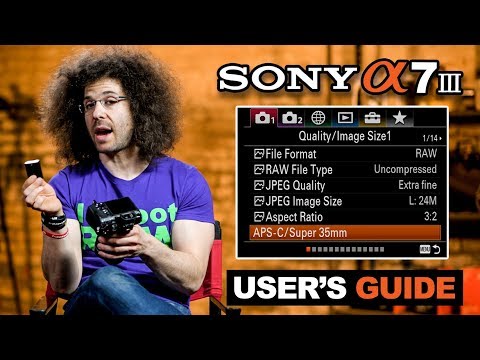
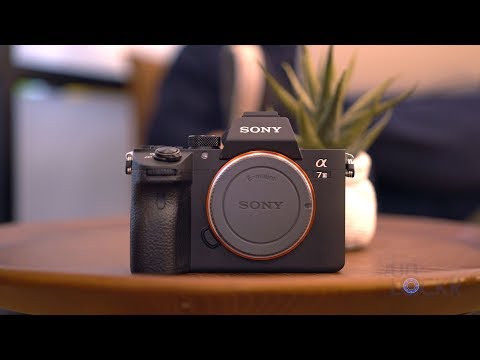
Video Comparisons



Sample Images