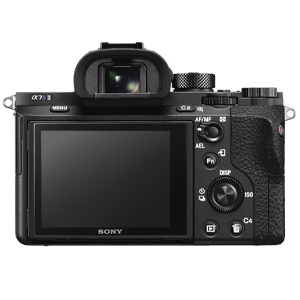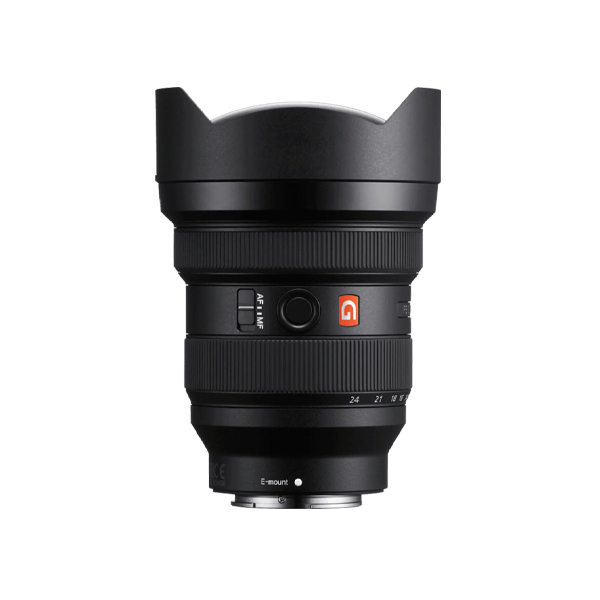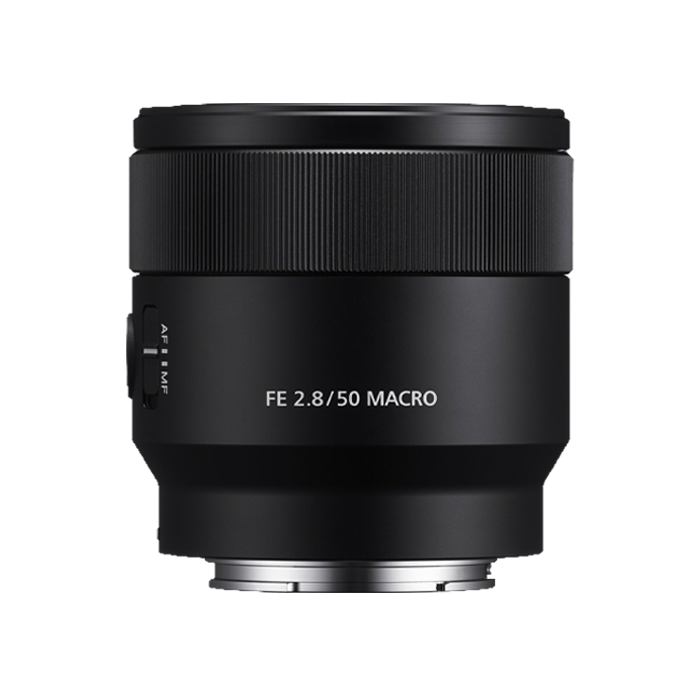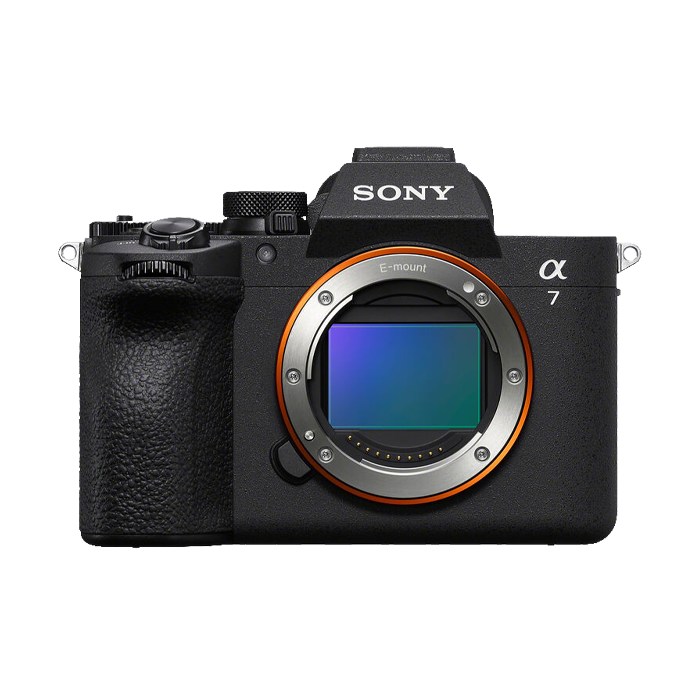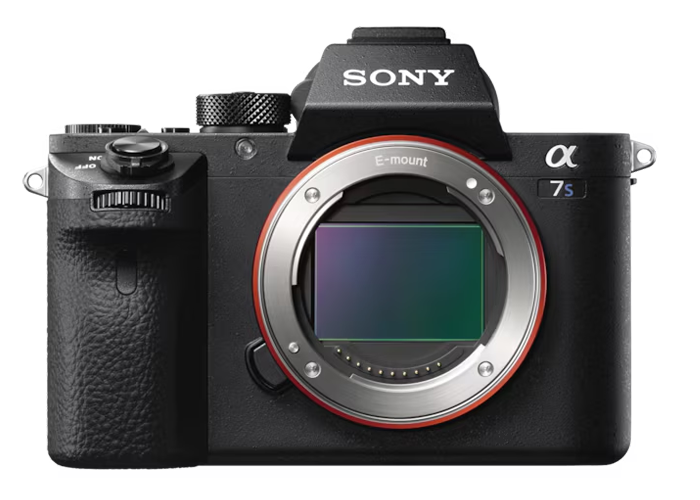
The Sony Alpha 7S II (a7S II) is a full-frame mirrorless camera introduced in 2015 and designed primarily for video production and low-light photography. Rather than competing on megapixel count, Sony equipped it with a 12.2-megapixel full-frame sensor optimized for high sensitivity and strong performance in challenging lighting conditions. With internal 4K recording, S-Log picture profiles, and five-axis in-body image stabilization (IBIS), the a7S II became a popular tool for independent filmmakers and video creators. Although newer cameras offer more advanced autofocus, higher recording quality, and improved battery life, the a7S II can still be useful for budget-conscious productions.
Real-World Performance Profile
The Sony a7S II prioritizes light sensitivity and video production features over high-resolution still photography and fast-action performance.
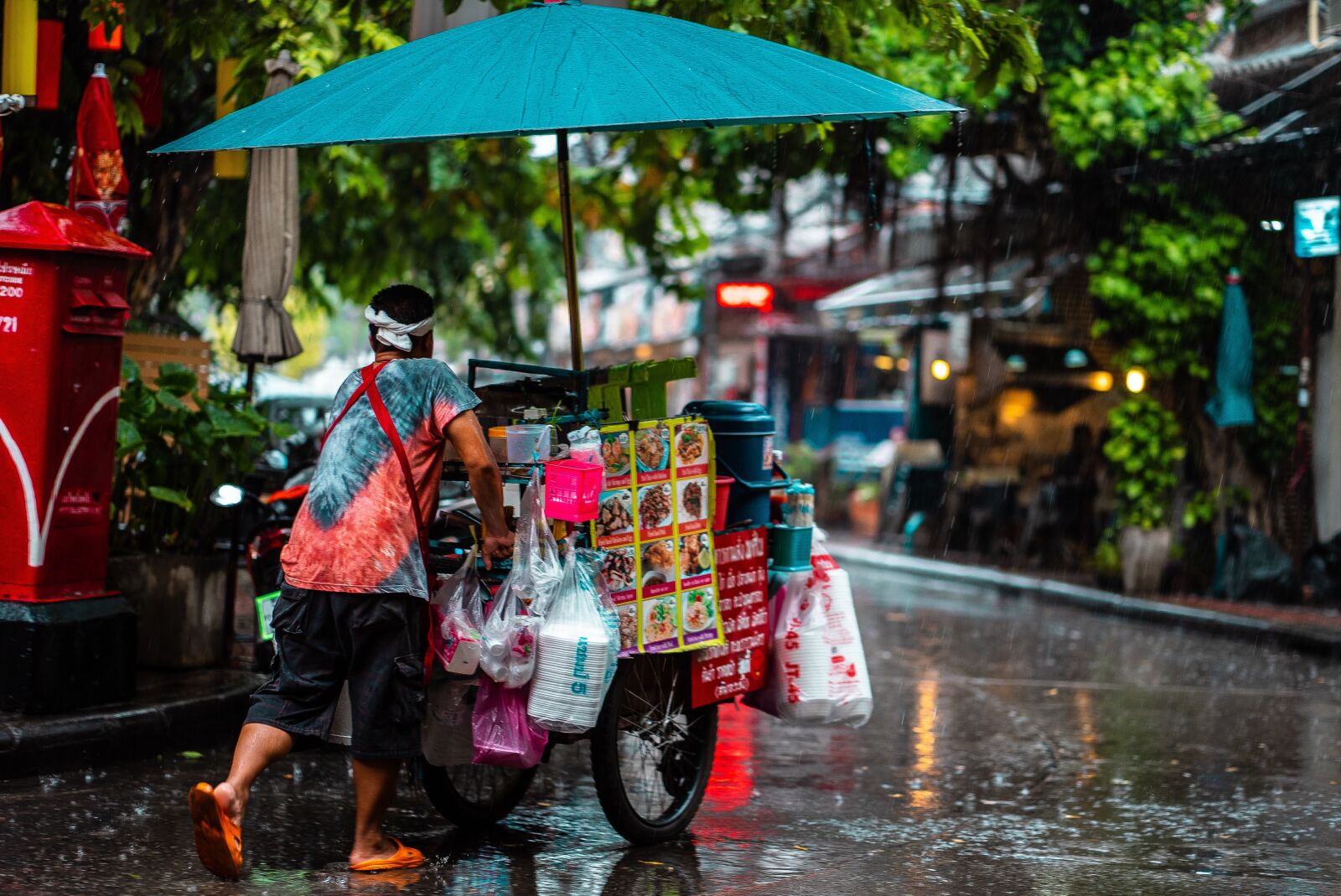
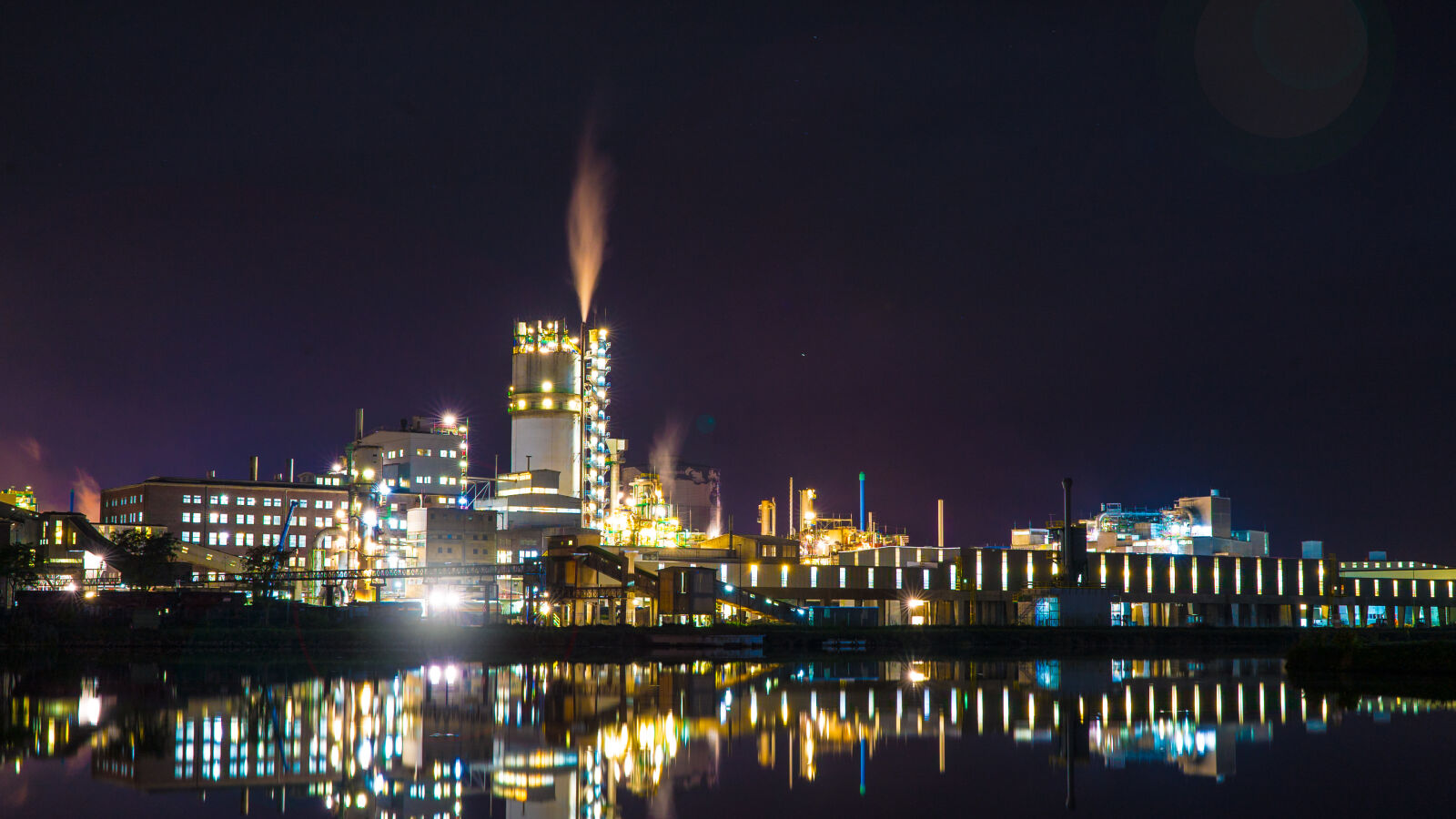
Exceptional Low-Light Sensitivity: The 12.2-megapixel full-frame sensor and extended sensitivity range, reaching ISO 409,600, make the a7S II well suited to dimly lit scenes. It can capture footage in environments where many cameras struggle, although image noise and loss of detail become increasingly noticeable at very high ISO settings. Results depend on available light, exposure, and the amount of noise reduction applied.
Full-Frame Internal 4K Recording: The camera records 4K video internally at up to 30 frames per second, using the full-frame sensor area. Its relatively low pixel count supports a video-focused design, making it useful for night scenes, interviews, documentary footage, and cinematic projects where low-light performance is a priority.
S-Log Picture Profiles: Support for S-Log2 and S-Log3 provides a flatter image profile for color grading in post-production. These profiles give filmmakers greater flexibility over contrast and color, although the camera's internal 8-bit recording limits how aggressively footage can be graded before banding or other image artifacts become visible.
Five-Axis In-Body Image Stabilization: Built-in 5-axis IBIS helps reduce camera shake when recording handheld footage or shooting still photographs. It is particularly useful with lenses that lack optical stabilization, including many adapted manual-focus lenses. However, stabilization cannot eliminate all movement during walking shots or freeze moving subjects.
Video-Oriented Controls: Features such as zebra exposure warnings, microphone and headphone connections, and customizable picture profiles make the a7S II a practical production camera for creators who prefer direct control over exposure, sound, and image rendering.
Key Limitations of an Older Generation
The a7S II was designed for an earlier stage of mirrorless video technology, so its capabilities and recording workflow differ considerably from those of newer Sony cameras.
Older Contrast-Detection Autofocus: The camera uses a 169-point contrast-detection autofocus system rather than the phase-detection tracking found in many newer models. It can focus accurately in suitable conditions, but continuous tracking may be slower or less reliable when subjects move unpredictably. Manual focus is often preferable for controlled video productions.
Limited Battery Endurance: The a7S II uses Sony's NP-FW50 battery, which has modest capacity for extended video work. Actual recording time depends on temperature, display use, settings, and other conditions. Carrying multiple spare batteries or using a suitable external power solution is advisable for longer shoots.
Internal 8-Bit Recording: Internal 4K recording uses 8-bit 4:2:0 color at up to 100 Mbps. This is adequate for many projects, but heavy color grading, especially with flat S-Log footage, can reveal color banding and other compression or tonal artifacts. Careful exposure and restrained grading help preserve image quality.
Recording Duration and Heat Considerations: Recording duration can be affected by the camera's configured file format, temperature, and power supply. Some recording modes and settings may impose duration limits, so filmmakers should test the intended workflow before relying on the camera for long, uninterrupted takes.
Low Still-Photo Resolution: The 12.2-megapixel sensor is sufficient for everyday photographs and online use, but it offers less cropping flexibility than higher-resolution full-frame cameras. Photographers producing large prints or heavily cropping distant subjects may prefer a higher-resolution body.
Who Should Consider the Sony a7S II?
The Sony a7S II is best suited to creators who prioritize low-light video, manual control, and access to a full-frame imaging system at a potentially attractive used-market price.
Independent Filmmakers and Film Students: The camera offers internal 4K recording, S-Log profiles, exposure-monitoring tools, and audio connections in a compact full-frame body. It can serve as an affordable introduction to more deliberate filmmaking workflows.
Night-Sky and Astrophotography Enthusiasts: Its high sensitivity makes it worth considering for night landscapes, stars, and other scenes where light is limited. For still astrophotography, however, the low resolution may restrict cropping and large-print output.
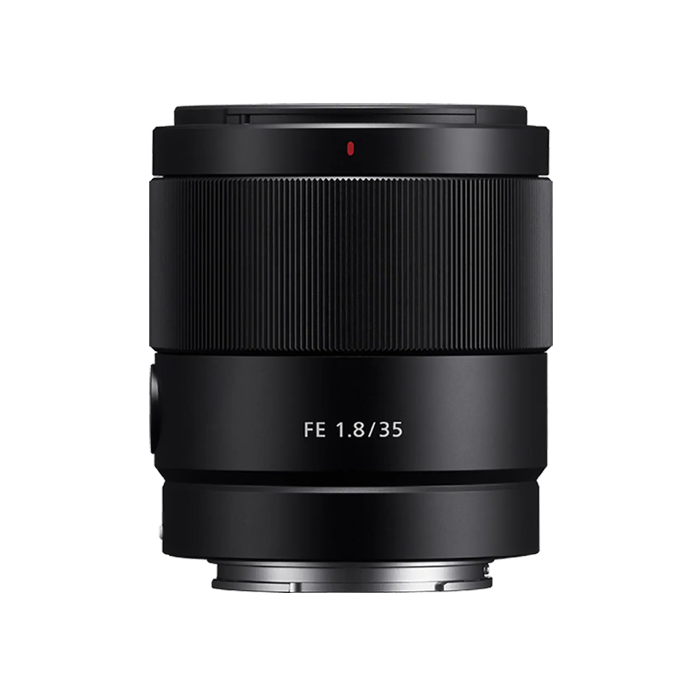
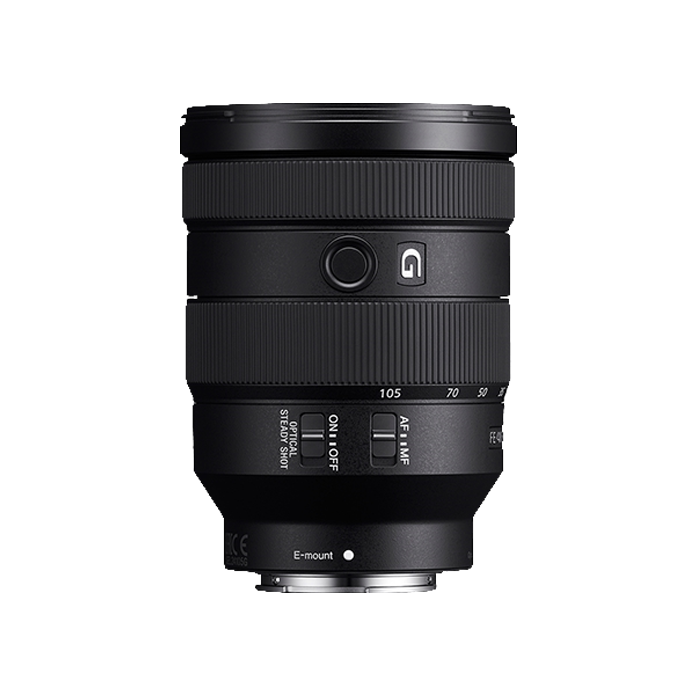
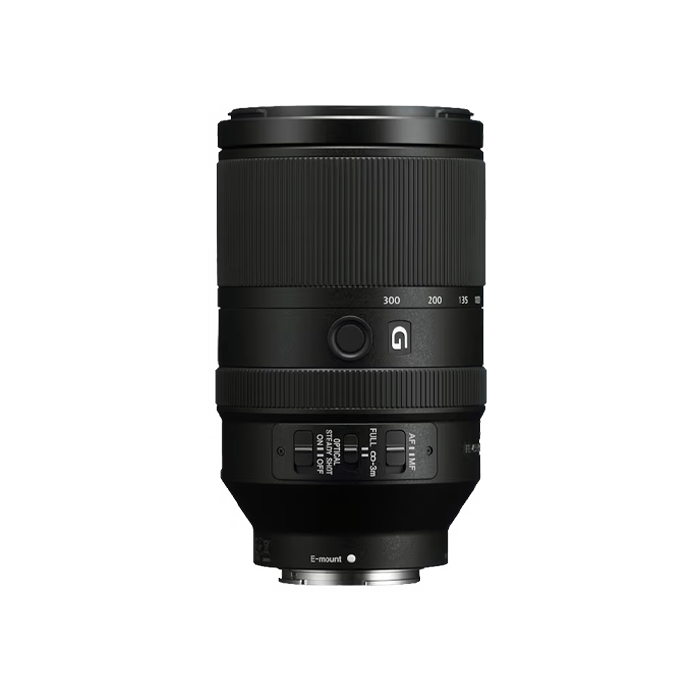
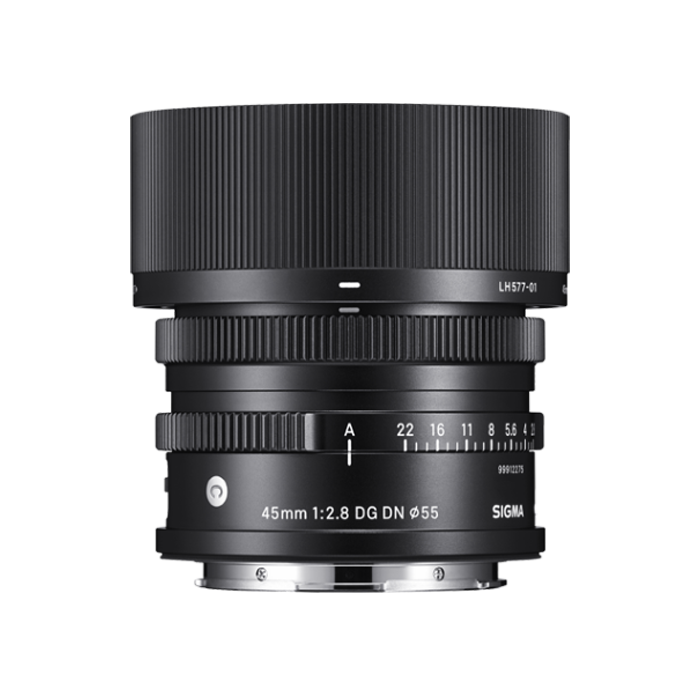
Manual-Focus Cinematographers: Filmmakers who prefer to pull focus themselves can take advantage of the camera's stabilization and compatibility with many E-mount and adapted lenses. This approach can be particularly effective for controlled scenes, short films, and stylized footage.
Documentary and Interview Shooters: The a7S II can work as a dedicated camera for interviews, controlled documentary scenes, and supplementary production footage. Its low-light capabilities are useful when lighting options are limited, provided its battery and recording constraints fit the project.
Budget-Conscious Multi-Camera Productions: As a secondary camera for interviews, presentations, or studio shoots, it can provide a different angle without requiring a large investment. Matching color and exposure with newer cameras may require additional work in post-production.
Who Should Consider Another Camera?
Despite its strengths in low light, the a7S II is not ideal for every photography or video application.
High-Resolution Still Photographers: Its 12.2-megapixel resolution provides limited room for substantial cropping and large commercial prints. Landscape, studio, product, and wildlife photographers who need fine detail will generally benefit from a higher-resolution sensor.
Solo Vloggers and YouTubers: The screen tilts but does not fully articulate to face forward, making self-recording less convenient. Its older autofocus system can also make it harder to maintain focus while moving in front of the camera.
Sports and Wildlife Photographers: The a7S II offers continuous shooting at up to approximately 5 frames per second, and its autofocus lacks modern subject-recognition and animal eye-tracking features. Photographers who regularly capture birds in flight, fast sports, or unpredictable wildlife should consider a newer body designed for action.
Creators Who Need Extensive Color Grading: Internal 8-bit footage provides less grading latitude than the 10-bit recording available on many newer video cameras. Productions that rely on aggressive color manipulation, demanding HDR workflows, or extensive exposure correction may benefit from a more modern recording system.
Long-Form Video Producers: Battery limitations, potential heat-related interruptions, and recording-mode constraints make the a7S II less convenient for extended interviews, live events, and other projects that require long, uninterrupted takes.
Final Verdict
The Sony Alpha 7S II remains an interesting used-market option for independent filmmakers, documentary creators, and low-light specialists who value sensitivity and full-frame video more than resolution or advanced autofocus. Its 12.2-megapixel sensor, internal 4K recording, S-Log profiles, and five-axis IBIS can still produce compelling results when used within its limitations.
However, its older autofocus system, limited battery endurance, internal 8-bit recording, and low still-photo resolution make it less versatile than newer hybrid cameras. Before purchasing a used body, check the sensor, recording functions, card slot, ports, screen, and battery condition. Compare its price with newer alternatives, since the a7S II makes the most sense when its low-light strengths and production features outweigh its age-related compromises.
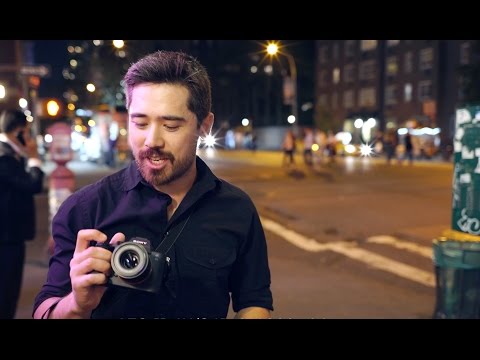

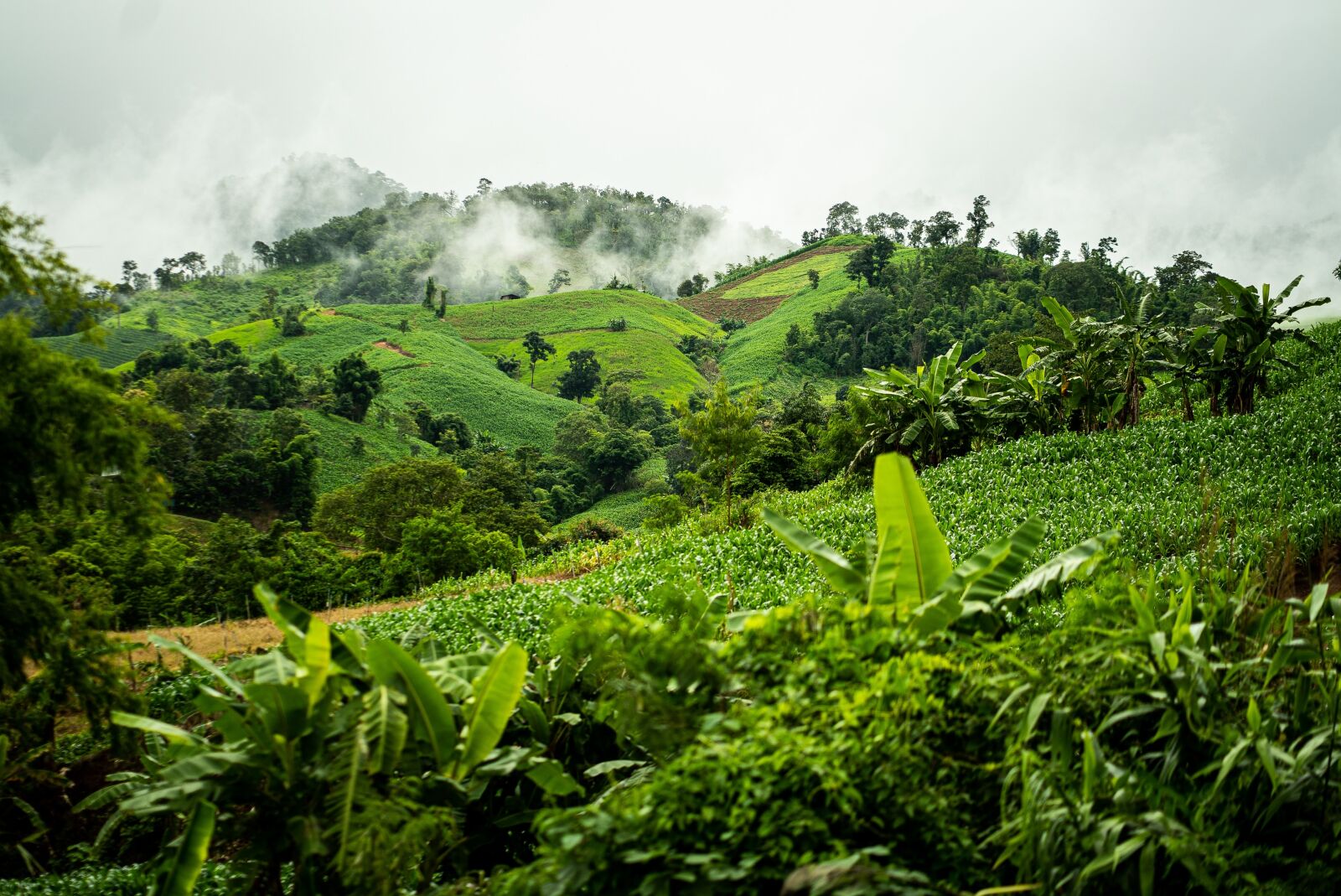
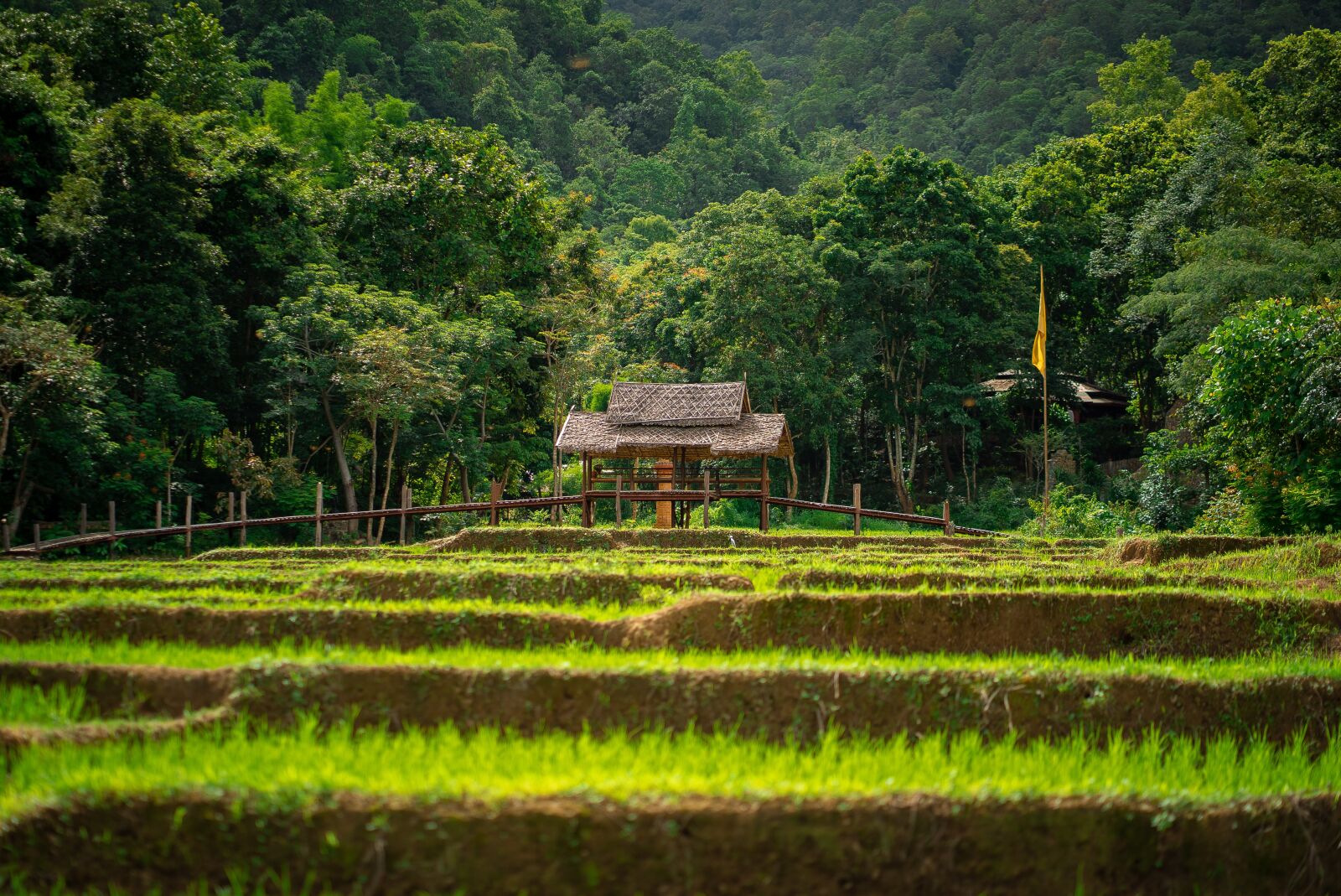
Sample Images